
The global financial landscape has undergone a seismic shift over the last twenty-four months, moving from an era of historically “cheap money” to a high-rate environment designed to combat persistent inflation. For consumers, investors, and business owners, the question of “what are the interest rates right now” is more than a matter of curiosity—it is a critical factor in determining the cost of living, the feasibility of homeownership, and the expected returns on capital.
To understand where rates stand today, one must look at the interplay between central bank policy, inflationary pressures, and the broader economic outlook. While the specific numbers fluctuate daily in the retail market, the underlying trajectory is dictated by the Federal Reserve’s federal funds rate, which currently sits at its highest level in over two decades. This benchmark influences everything from the interest on your savings account to the APR on your credit card.
The Federal Reserve and the Benchmark Rate
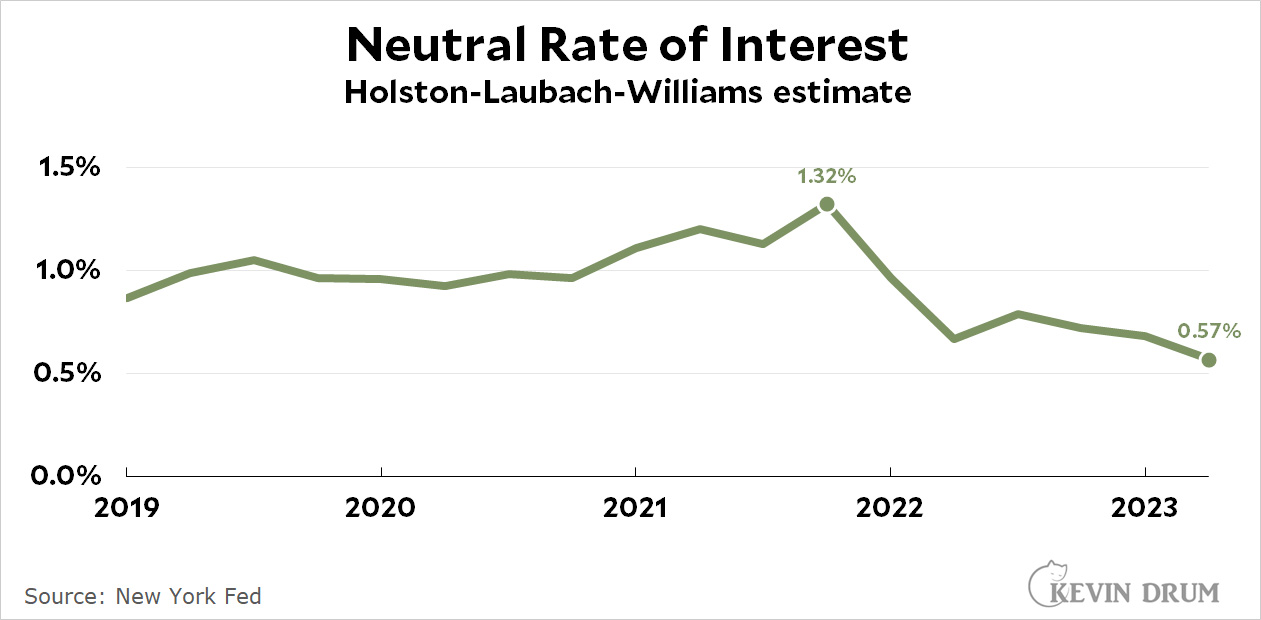
At the heart of the current interest rate environment is the Federal Reserve, the central bank of the United States. Its “dual mandate” is to promote maximum employment and stable prices. To achieve the latter, the Fed utilizes the federal funds rate—the interest rate at which commercial banks borrow and lend to one another overnight.
The “Higher for Longer” Strategy
After a series of aggressive hikes that began in early 2022, the Federal Open Market Committee (FOMC) brought the benchmark rate to a range of 5.25% to 5.50%. For much of the recent year, the prevailing narrative among economists has been “higher for longer.” This means that even as inflation begins to cool, the central bank is hesitant to slash rates prematurely for fear of a secondary inflationary spike.
How the Benchmark Filters Down
While most consumers do not borrow at the federal funds rate, this figure serves as the foundation for the “Prime Rate.” Most commercial banks set their prime rate approximately 3% above the federal funds rate. When the benchmark is high, the prime rate follows, which in turn elevates the interest rates for variable-rate debts, such as Home Equity Lines of Credit (HELOCs) and most credit cards.
The Inflation Factor
The primary driver behind the current rates is the Consumer Price Index (CPI). The Fed’s target inflation rate is 2%. When the economy experiences “overheating”—where demand outstrips supply and prices rise rapidly—the Fed raises rates to make borrowing more expensive. This cools spending and, theoretically, brings prices back down. We are currently in the stabilization phase of this cycle, where the impact of previous hikes is being fully felt across the economy.
The Impact on Consumer Borrowing: Mortgages and Loans
For the average household, the most visible impact of current interest rates is the cost of borrowing. Whether you are looking to purchase a home, buy a car, or manage revolving debt, the “price” of money has risen significantly compared to the 2020-2021 period.
The State of Mortgage Rates
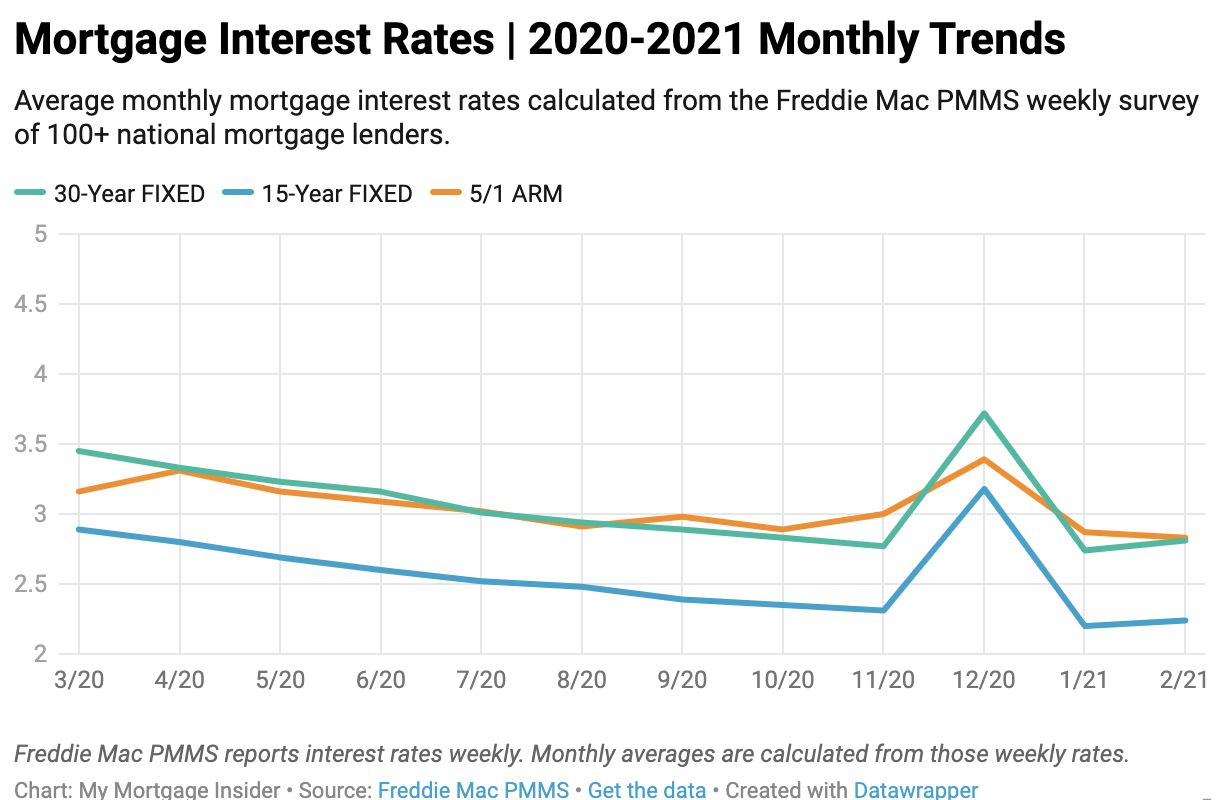
Mortgage rates are not directly set by the Fed, but they are heavily influenced by the yield on the 10-year Treasury note. Currently, 30-year fixed-rate mortgages have been hovering in the 6.5% to 7.5% range. This is a stark contrast to the 3% rates seen during the pandemic.
This shift has created a “lock-in effect” in the housing market. Homeowners who secured low rates years ago are reluctant to sell and take on a new mortgage at double the interest, which has led to a decrease in housing inventory and maintained high property prices despite the increased borrowing costs.
Auto Loans and Personal Credit
The auto industry has also felt the squeeze. The average interest rate for a new car loan has climbed toward 7-9%, while used car loans often exceed 11% or 12%, depending on the buyer’s credit score. Similarly, credit card APRs have reached record highs, with many hovering around the 21% to 25% mark. For consumers carrying a balance, the interest charges alone can now consume a significant portion of their monthly income, making debt repayment more challenging than in previous years.
The Role of Credit Scores in a High-Rate Market
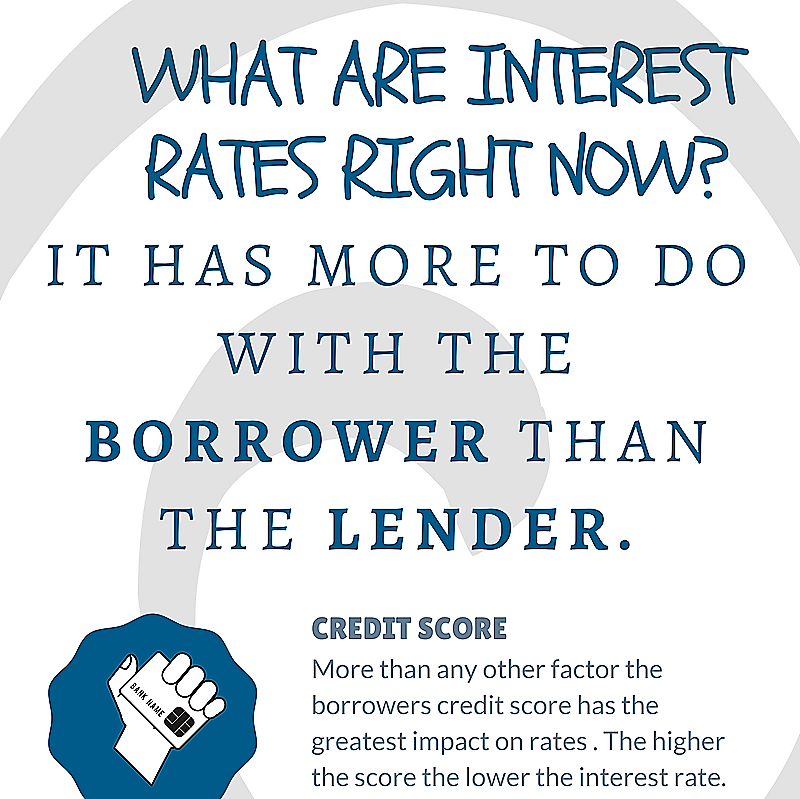
In a low-rate environment, the “spread” between a good credit score and an average one might only result in a minor difference in monthly payments. However, in today’s market, the premium for risk is high. Borrowers with excellent credit are still seeing rates that are manageable, while those with subprime scores are facing interest rates that can be prohibitively expensive, often leading to a slowdown in discretionary spending.
The Silver Lining: Returns on Savings and Fixed Income
While high interest rates are a burden for borrowers, they represent a golden age for savers and fixed-income investors. For the first time in nearly fifteen years, it is possible to earn a meaningful return on cash holdings without taking on significant market risk.
High-Yield Savings Accounts (HYSAs)
One of the most immediate benefits of the current rate environment is the rise of High-Yield Savings Accounts. Many online banks and credit unions are currently offering APYs (Annual Percentage Yields) between 4.5% and 5.25%. For a consumer with $10,000 in emergency savings, this translates to over $500 in annual interest—a massive leap from the few dollars offered by traditional “big box” banks that have been slower to raise their savings rates.
Certificates of Deposit (CDs) and Treasury Bills
For those who can afford to lock their money away for a set period, Certificates of Deposit (CDs) are offering highly competitive rates. Short-term CDs (6 to 12 months) have been particularly popular, often yielding north of 5%.
Additionally, U.S. Treasury bills—backed by the full faith and credit of the government—have become a staple for conservative investors. With yields on 3-month and 6-month Treasuries frequently outperforming the stock market’s dividend yields, “cash” has once again become a viable asset class in a diversified portfolio.
The Bond Market Rebirth
The “60/40” portfolio (60% stocks, 40% bonds) struggled when rates were near zero because the bond portion offered little protection or income. With rates where they are today, bonds are providing actual “income” again. This has led to a resurgence in interest for municipal bonds, corporate bonds, and bond ETFs, as investors look to lock in these higher yields before the Fed eventually decides to pivot toward rate cuts.
Economic Indicators: What Determines the Next Move?
Investors and policymakers are constantly looking for signals that interest rates might change. The transition from “raising” rates to “holding” them has already occurred; the next big question is when the “cutting” phase begins. This decision rests on several key economic indicators.
Labor Market Strength
The Fed is closely monitoring the unemployment rate and wage growth. If the labor market remains too tight (low unemployment and high wage growth), it could fuel “wage-price spirals” where companies raise prices to cover higher labor costs. As long as the jobs report remains strong, the Fed feels it has the “room” to keep interest rates high to ensure inflation is fully extinguished.
GDP Growth
A primary concern with high interest rates is that they might trigger a recession by making it too expensive for businesses to expand. However, the U.S. economy has shown remarkable resilience, with GDP growth often exceeding expectations despite the higher costs of capital. If GDP growth begins to stall or turn negative, the pressure on the Fed to lower rates to stimulate the economy will increase.
Global Geopolitics and Energy Prices
External shocks, such as conflicts in the Middle East or disruptions in global shipping, can impact energy and commodity prices. Since energy is a major component of inflation, a spike in oil prices could force interest rates to stay higher for longer, regardless of what the internal domestic data suggests.
Strategic Financial Planning in a High-Rate Environment
Navigating the “now” requires a shift in financial strategy compared to the last decade. Whether you are managing debt or looking to grow your wealth, the current interest rate environment demands proactive management.
Debt Management Strategies
In a high-rate world, the “Cost of Carry” is high. Consumers should prioritize paying off high-interest debt, such as credit cards, using the “avalanche method”—focusing on the highest interest rate first. For those with variable-rate debt, exploring options to consolidate into a fixed-rate personal loan may provide protection against any further unexpected rate hikes.
Real Estate Considerations
Prospective homebuyers must weigh the high cost of borrowing against the potential for future refinancing. Many financial advisors suggest “marrying the house and dating the rate.” This means buying the property if the math works today, with the intention of refinancing if and when rates drop in the next few years. However, this requires a solid cushion in the monthly budget to handle the current payments in the meantime.
Investment Allocation
Investors should look at their portfolios to ensure they are taking advantage of the “risk-free” rates available in the market. While the stock market remains a primary vehicle for long-term growth, the inclusion of high-yielding fixed-income assets can provide a buffer against volatility. For those in high tax brackets, municipal bonds can be particularly attractive right now due to their tax-exempt interest.
As we look toward the horizon, the era of zero-interest policy seems to be a thing of the past. The current interest rates represent a return to “normalcy” in a historical context, even if they feel high relative to the last few years. Staying informed on the Fed’s movements and understanding how these percentages impact your specific financial goals is the key to maintaining stability in this evolving economy.
aViewFromTheCave is a participant in the Amazon Services LLC Associates Program, an affiliate advertising program designed to provide a means for sites to earn advertising fees by advertising and linking to Amazon.com. Amazon, the Amazon logo, AmazonSupply, and the AmazonSupply logo are trademarks of Amazon.com, Inc. or its affiliates. As an Amazon Associate we earn affiliate commissions from qualifying purchases.