
Navigating the real estate market in the current economic climate requires a deep understanding of mortgage interest rates—a figure that dictates not just a monthly payment, but the long-term viability of homeownership as an investment. For prospective buyers and current homeowners looking to refinance, the question of “what is the interest rate right now” is often met with a range of numbers rather than a single, static figure. This is because mortgage rates are a dynamic synthesis of macroeconomic policy, bond market fluctuations, and individual financial profiles.
Currently, the mortgage landscape is defined by a transition away from the historic lows of the early 2020s toward a more restrictive environment. While specific daily averages fluctuate, the industry has seen 30-year fixed rates settle into a higher plateau compared to the previous decade. Understanding the mechanics behind these rates is essential for any modern investor or homebuyer looking to secure their financial future.
The Current Landscape of Mortgage Rates
The current interest rate environment is the result of a deliberate effort by central banks to stabilize the economy after a period of unprecedented volatility. To understand where rates stand today, one must look at the broader economic signals that drive lender behavior.
Understanding the Shift from Historical Lows
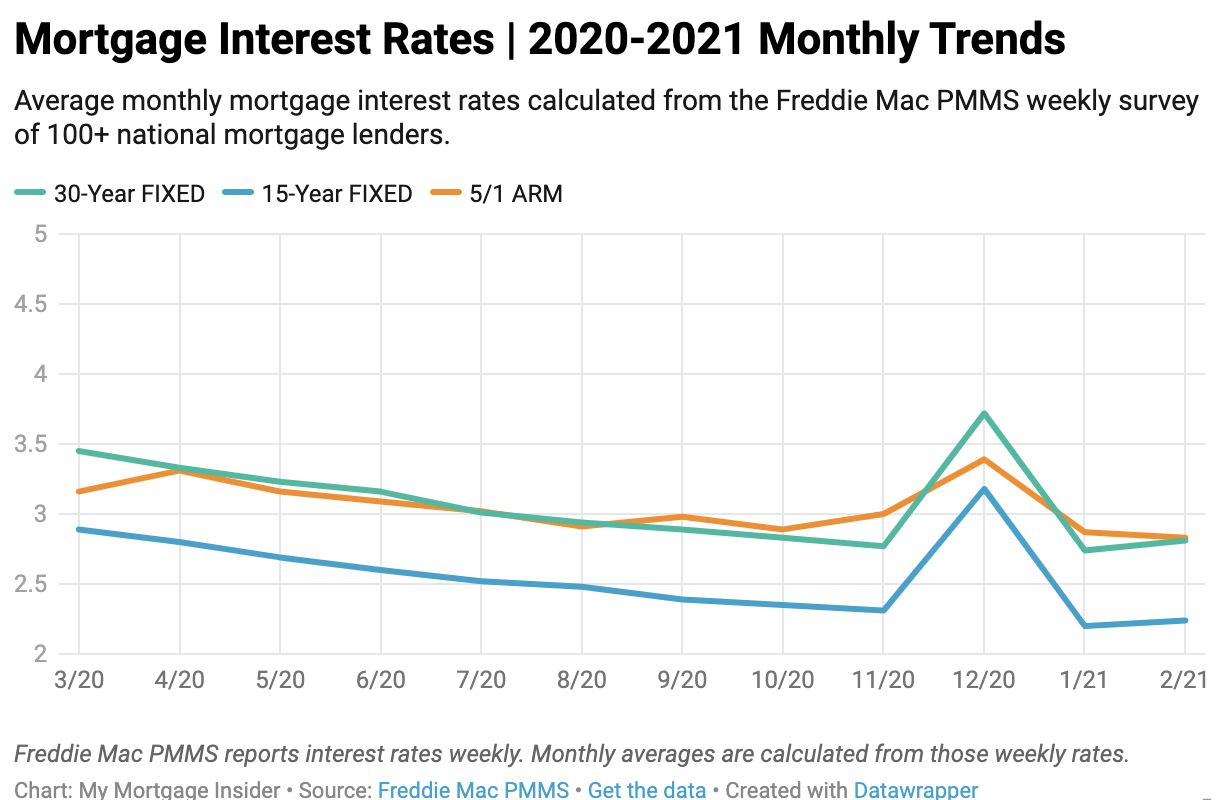
During the pandemic era, mortgage rates dropped to sub-3% levels, fueled by aggressive monetary stimulus and a desire to keep the housing market liquid during a global crisis. However, as inflation surged to 40-year highs, the Federal Reserve pivoted toward a policy of quantitative tightening. This shift involved raising the federal funds rate—the interest rate at which commercial banks borrow and lend to each other overnight.
While the Fed does not directly set mortgage rates, their actions influence the entire yield curve. When the federal funds rate rises, the cost of capital for banks increases, which is subsequently passed on to consumers in the form of higher interest rates for mortgages, auto loans, and credit cards. We are currently in a “higher-for-longer” cycle, where the market is adjusting to the reality that the ultra-cheap money of the past decade may not return anytime soon.
The Role of Inflation and Bond Markets
Inflation is the primary enemy of fixed-income investments like mortgages. If a lender issues a 30-year mortgage at 4% and inflation rises to 6%, the lender is effectively losing purchasing power over time. Consequently, when inflation expectations rise, lenders demand higher interest rates to compensate for that risk.
Furthermore, mortgage rates are closely tied to the performance of the 10-year Treasury note. Investors often view Mortgage-Backed Securities (MBS) and Treasury bonds as competing assets. When the yield on the 10-year Treasury rises due to economic data or government policy, mortgage rates almost always follow suit. This relationship explains why mortgage rates can jump or dip even on days when the Federal Reserve has made no official announcement.
Key Factors Determining Your Specific Interest Rate
The “national average” rate reported in the news is a benchmark, but the actual rate an individual receives is highly personalized. Lenders use a process called risk-based pricing to determine the interest rate for a specific borrower.
Credit Scores and Financial Health
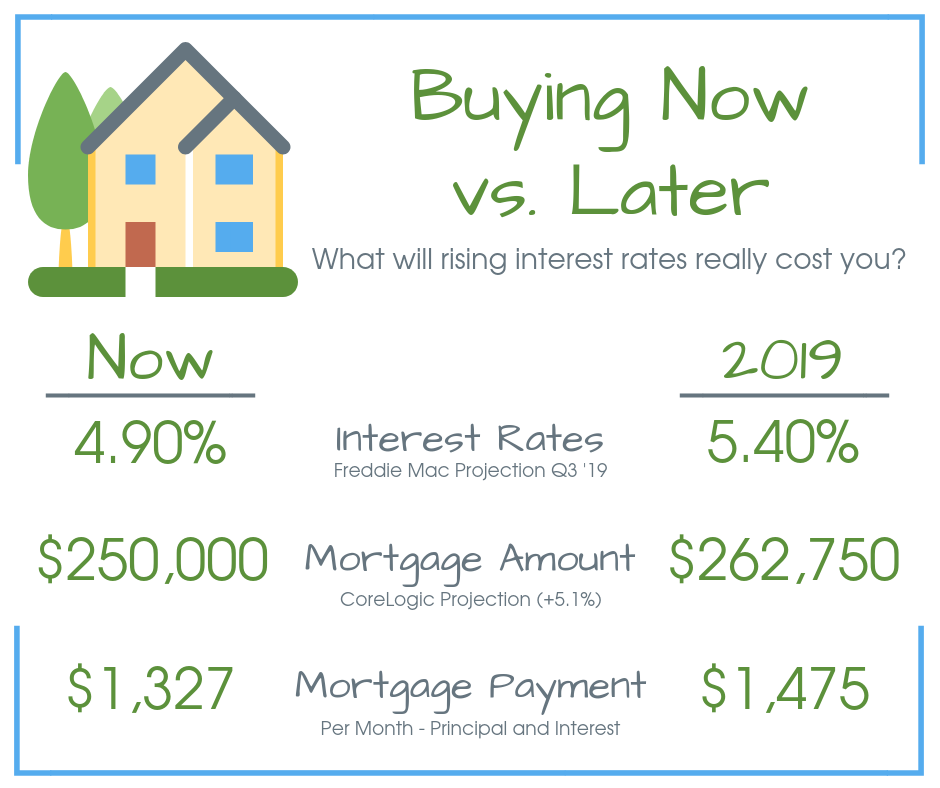
Your credit score is arguably the most significant factor in determining your interest rate. In the current market, the “spread” between a borrower with a 760 score and one with a 620 score can be as much as 1.5% to 2%. Over the life of a $400,000 loan, this difference can amount to hundreds of dollars per month and over $100,000 in total interest paid.
Lenders view high credit scores as a signal of reliability. In a high-rate environment, having a “prime” credit score is more valuable than ever, as it allows borrowers to access the lower end of the current rate spectrum. Prospective buyers are often advised to delay their purchase by a few months if it means crossing a threshold (such as moving from 690 to 720) to secure a better tier.
Loan-to-Value Ratio and Down Payments
The amount of equity you put into the home—your down payment—directly influences the lender’s risk. The Loan-to-Value (LTV) ratio measures the loan amount against the appraised value of the property. A lower LTV (higher down payment) typically earns a lower interest rate.
While many first-time buyer programs allow for down payments as low as 3% or 3.5%, these loans often come with higher interest rates and the added cost of Private Mortgage Insurance (PMI). Conversely, those who can provide a 20% down payment are often rewarded with the most competitive rates available in the market, as they represent a much lower risk of default for the financial institution.
Property Type and Occupancy
The intended use of the property also impacts the interest rate. Primary residences—homes where the borrower intends to live—carry the lowest rates because they are statistically the least likely to go into default. Second homes and investment properties carry higher risk profiles, often resulting in interest rates that are 0.50% to 1.00% higher than those for primary residences. Similarly, multi-unit properties or condominiums may face slight “add-ons” to the base rate due to the complexity of the collateral.
Comparing Modern Mortgage Products
In response to higher rates, many buyers are looking beyond the traditional 30-year fixed-rate mortgage to find more affordable entry points into the market.
The 30-Year Fixed-Rate Mortgage: The Standard
The 30-year fixed-rate mortgage remains the most popular choice for American homebuyers. Its primary advantage is stability; the interest rate and the principal-and-interest payment remain identical from the first month to the 360th month. In a volatile economy, this predictability is a powerful tool for long-term financial planning. However, because the lender is taking on the risk of inflation and interest rate changes for three decades, these loans usually carry a higher interest rate than shorter-term or adjustable products.
15-Year Fixed-Rate Mortgage: Building Equity Faster
For those with higher monthly cash flow, the 15-year fixed-rate mortgage is a superior wealth-building tool. Because the loan term is shorter, lenders offer significantly lower interest rates—often 0.5% to 1.0% lower than the 30-year counterpart. The combination of a lower rate and a shorter term means the borrower pays drastically less in total interest over time. This is an excellent option for established professionals or those looking to retire debt-free in a shorter timeframe.
Adjustable-Rate Mortgages (ARMs): Short-Term Flexibility
Adjustable-Rate Mortgages have regained popularity as rates have climbed. An ARM typically offers a lower “teaser” rate for an initial period (often 5, 7, or 10 years), after which the rate adjusts periodically based on a financial index.
For a buyer who knows they will sell the home or refinance within five years, a 5/1 ARM can offer substantial monthly savings compared to a 30-year fixed loan. However, ARMs carry the risk of “payment shock” if interest rates are higher when the adjustment period begins. They are a strategic financial tool but require a clear understanding of one’s future mobility and income growth.
How to Navigate High-Rate Environments
While the interest rate environment is largely out of an individual’s control, there are strategic moves a borrower can make to mitigate the impact of higher rates on their personal finances.
Buying Down the Rate with Points
Many lenders allow borrowers to pay “discount points” at closing to lower their interest rate. One point typically costs 1% of the total loan amount and reduces the interest rate by approximately 0.25%. This is essentially “prepaid interest.”
To determine if this is a wise financial move, you must calculate the “break-even point”—the number of months it takes for the monthly savings to equal the upfront cost of the points. If you plan to stay in the home for ten years or more, buying down the rate can be a highly effective way to reduce long-term costs. If you plan to move in three years, it is usually better to keep the cash.
The Importance of Shopping Multiple Lenders
Interest rates are not uniform across the industry. Large national banks, local credit unions, and independent mortgage brokers all have different overhead costs and risk tolerances. Research suggests that borrowers who get at least three quotes can save thousands of dollars over the life of their loan. In the current market, some lenders may offer “no-cost” refinances in the future or specialized “rate-lock” programs that allow you to lock in a rate while you shop for a home, protecting you from sudden market spikes.
The “Marry the House, Date the Rate” Strategy
A common mantra in the current real estate market is “Marry the house, date the rate.” This philosophy suggests that if you find the right property, you should purchase it even if the interest rate is higher than you would like. The logic is that the purchase price is fixed once you buy, but the interest rate can be changed later through a refinance if rates drop. While this strategy carries the risk that rates may stay high for a long time, it prevents buyers from being sidelined while home prices continue to appreciate due to low inventory.
The Economic Outlook and Future Projections
Predicting the future of interest rates is notoriously difficult, as it depends on a myriad of factors including global geopolitical stability, labor market data, and consumer spending habits. However, most economists agree that the era of “free money” is over.
The housing market is currently experiencing a “lock-in effect,” where homeowners with 3% mortgages are refusing to sell because they do not want to trade their low rate for a 7% rate. This has led to a shortage of inventory, which keeps home prices elevated despite higher borrowing costs.
As inflation continues to cool, there is a general expectation that the Federal Reserve may begin to ease the federal funds rate toward the end of the year or into next. This could lead to a gradual softening of mortgage rates. However, potential buyers should not wait for a “perfect” rate that may never return. Instead, the focus should be on personal financial readiness—ensuring a robust down payment, a high credit score, and a manageable debt-to-income ratio.
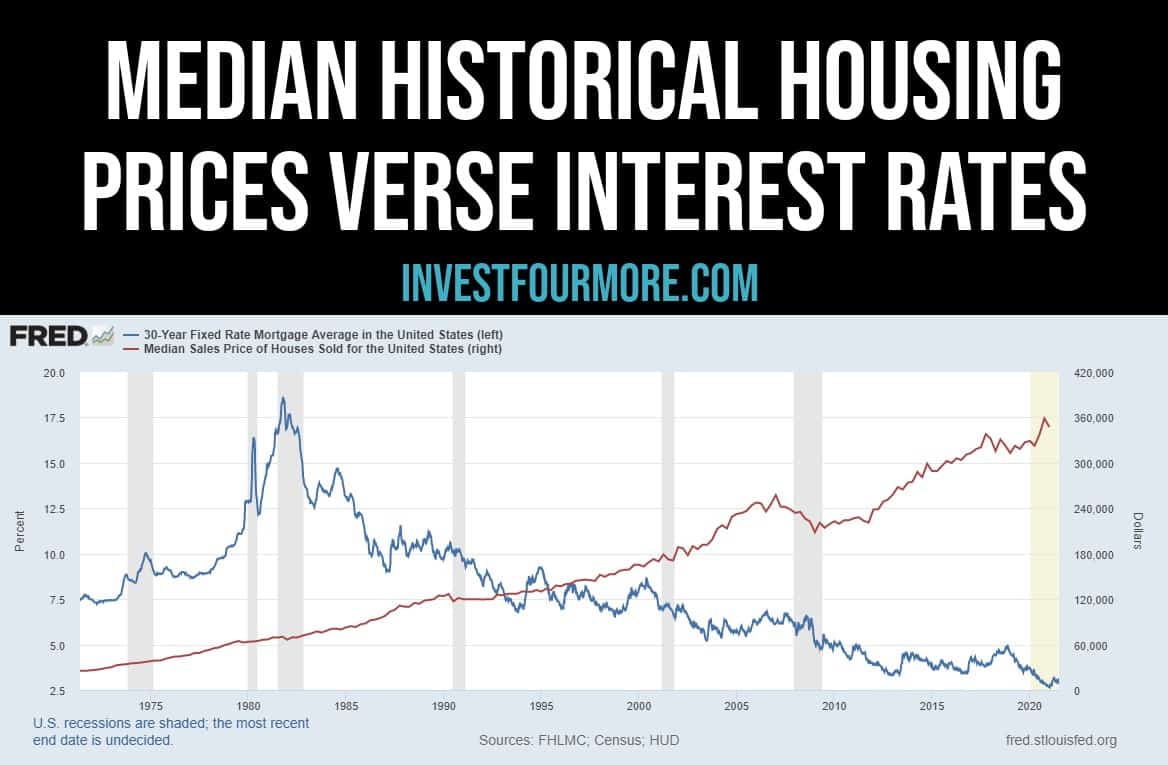
Ultimately, the interest rate on houses right now is a reflection of a rebalancing global economy. While higher than the historical anomalies of 2020, today’s rates are actually quite close to the long-term historical average for 30-year mortgages. By focusing on the fundamentals of personal finance and employing strategic loan selection, buyers can still find significant value and build lasting equity in the modern real estate market.
aViewFromTheCave is a participant in the Amazon Services LLC Associates Program, an affiliate advertising program designed to provide a means for sites to earn advertising fees by advertising and linking to Amazon.com. Amazon, the Amazon logo, AmazonSupply, and the AmazonSupply logo are trademarks of Amazon.com, Inc. or its affiliates. As an Amazon Associate we earn affiliate commissions from qualifying purchases.