
Navigating the housing market today requires more than just a keen eye for real estate; it demands a deep understanding of the volatile world of interest rates. For potential homeowners and investors alike, the question of what the interest rate on home loans is “right now” is a moving target. Unlike the relatively stable, low-rate environment that defined the decade leading up to 2022, the current landscape is characterized by sensitivity to inflation data, Federal Reserve policy shifts, and global economic uncertainty.
As of mid-2024 and heading into 2025, mortgage rates have largely plateaued at levels significantly higher than the historic lows of the pandemic era, yet they remain lower than the double-digit peaks seen in the 1980s. Understanding where these rates stand—and more importantly, why they are there—is essential for making an informed financial decision that will impact your net worth for decades.
Understanding the Current Economic Environment
To understand why mortgage rates are positioned where they are today, one must look toward the macroeconomic indicators that dictate the flow of capital. Mortgage rates do not exist in a vacuum; they are primarily influenced by the 10-year Treasury yield and the Federal Reserve’s monetary policy.
The Role of the Federal Reserve
A common misconception is that the Federal Reserve directly sets mortgage rates. In reality, the Fed sets the “federal funds rate,” which is the interest rate at which commercial banks borrow and lend to each other overnight. However, this rate serves as a benchmark for all other forms of credit. When the Fed raises rates to combat inflation, the cost of borrowing for banks increases, which is subsequently passed on to consumers in the form of higher mortgage rates.
In the current cycle, the Federal Reserve has maintained a “higher for longer” stance to ensure that inflation returns to its 2% target. This persistent hawkishness has kept mortgage rates elevated. When the Fed signals a potential pause or a future cut, the market often “prices in” these expectations, leading to slight dips in the rates offered by lenders even before a formal policy change occurs.
Inflation and the 10-Year Treasury Yield
The 10-year Treasury yield is perhaps the most accurate “real-time” indicator of where mortgage rates are headed. Because most 30-year mortgages are paid off or refinanced within ten years, investors view them similarly to 10-year government bonds. When inflation is high, the purchasing power of the future fixed payments on a bond or mortgage decreases. To compensate for this risk, investors demand higher yields.
Currently, as inflation shows signs of cooling but remains “sticky” in sectors like services and housing, the 10-year yield has remained volatile. This volatility translates directly into the daily fluctuations you see in mortgage quotes. Even a minor shift in the Consumer Price Index (CPI) report can cause mortgage rates to jump or dive by 10 to 25 basis points within a single afternoon.
Decoding the Rates: Why They Vary for Every Borrower
While the national average for a 30-year fixed-rate mortgage might hover between 6.5% and 7.5% depending on the week, the rate you are actually offered is highly personalized. Lenders use a risk-based pricing model, meaning the “rate right now” for you depends on your financial profile.
The Critical Role of Credit Scores
Your credit score is the single most influential factor in determining your interest rate. Lenders categorize borrowers into tiers. Those with “Excellent” credit (760 or higher) are rewarded with the lowest available rates, as they represent the lowest risk of default. Conversely, a borrower with a “Fair” credit score (620 to 660) may face an interest rate that is 1% to 1.5% higher than the top-tier rate. Over the life of a $400,000 loan, this difference can amount to over $100,000 in additional interest payments.
Debt-to-Income (DTI) and Loan-to-Value (LTV)
Lenders also look at your Debt-to-Income ratio (DTI) to ensure you aren’t overleveraged. A high DTI suggests that a significant portion of your monthly income is already committed to other debts, making you a riskier prospect. Similarly, your Loan-to-Value (LTV) ratio—the amount of the loan compared to the value of the home—plays a role. A higher down payment reduces the LTV, often resulting in a slightly better interest rate because the borrower has more “skin in the game.”
Loan Term Duration: 15-Year vs. 30-Year
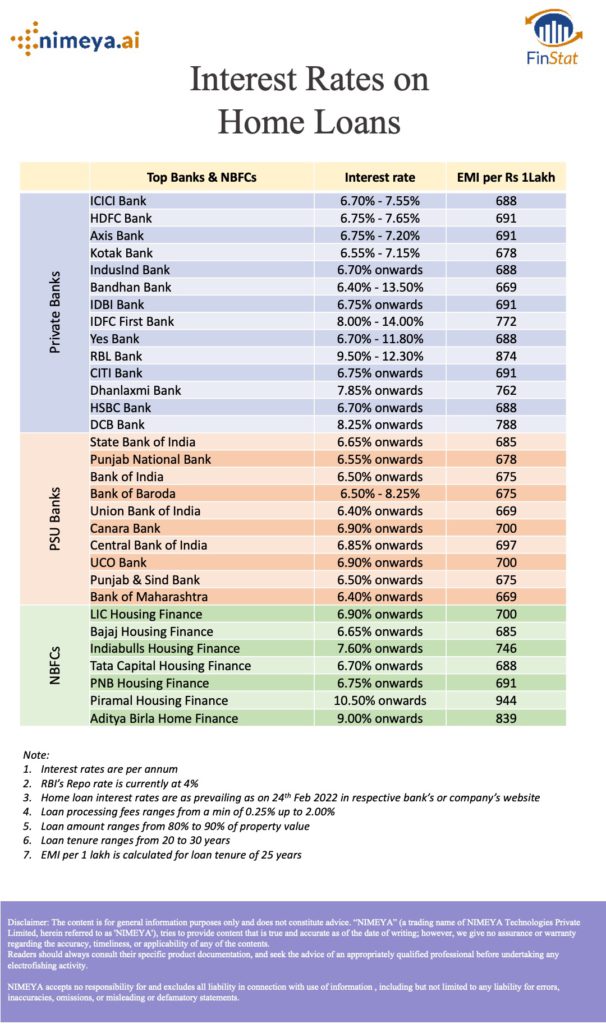
The duration of the loan significantly impacts the interest rate. 15-year fixed-rate mortgages typically offer rates that are 0.5% to 1% lower than 30-year mortgages. This is because the lender is exposed to interest rate risk for a shorter period. While the monthly payments are higher due to the shorter amortization schedule, the total interest paid over the life of the loan is drastically lower, making it a powerful tool for building equity quickly.
Exploring Loan Options and Their Respective Interest Tiers
Not all home loans are created equal. Depending on your professional status, military service, or location, you may have access to specific loan programs that offer rates outside the standard conventional market.
Conventional Fixed-Rate Mortgages

The 30-year conventional fixed-rate mortgage remains the gold standard for American homebuyers. It offers predictability, as the interest rate and the monthly principal and interest payment remain the same for the entire life of the loan. In the current market, these rates are the most sensitive to Treasury yield movements. They are ideal for those who plan to stay in their homes for a decade or more.
Adjustable-Rate Mortgages (ARMs)
In high-interest-rate environments, Adjustable-Rate Mortgages often see a resurgence in popularity. An ARM typically offers a lower “teaser” rate for an initial period (usually 5, 7, or 10 years). After that period, the rate adjusts annually based on a specific market index.
For a borrower who intends to sell the home or refinance before the initial period ends, an ARM can provide significant monthly savings. However, they carry the risk of the rate adjusting significantly higher in the future, which can lead to “payment shock” if the market remains unfavorable.
Government-Backed Loans: FHA, VA, and USDA
Government-insured loans often provide more competitive interest rates than conventional loans, particularly for those with lower credit scores or smaller down payments.
-
FHA Loans: Designed for first-time buyers, these often have lower interest rates but require Mortgage Insurance Premiums (MIP) that can offset the savings.
-
VA Loans: Available to veterans and active-duty service members, these often feature the lowest rates on the market and require no down payment.
-
USDA Loans: Targeting rural development, these loans offer competitive rates and zero down payment options for eligible properties and income levels.
Strategic Moves to Secure the Lowest Possible Rate
Knowing the current interest rate is only half the battle; the other half is knowing how to manipulate the variables to your advantage. Even in a high-rate environment, there are strategic financial maneuvers that can lower your effective interest rate.
Mortgage Points and Buydowns
If you have extra cash at closing, you can “buy down” your interest rate. One mortgage point typically costs 1% of the total loan amount and reduces your interest rate by approximately 0.25%. This is a “permanent buydown.”
Alternatively, “temporary buydowns” (like a 2-1 buydown) are becoming popular. In this scenario, the interest rate is 2% lower in the first year and 1% lower in the second year, before reverting to the full note rate in the third year. This is often funded by the seller as a concession to help the buyer manage early-year cash flow.
The Power of Rate Shopping
Interest rates are not uniform across all lenders. A study by Freddie Mac found that borrowers who get at least five quotes can save an average of $3,000 over the life of the loan compared to those who only get one quote. In today’s digital age, online lenders, credit unions, and traditional banks all compete for your business. Credit unions, in particular, often offer lower rates to their members because they are non-profit organizations.
Timing the Rate Lock
Because rates fluctuate daily, timing is everything. Once you have a contract on a home, you have the option to “lock in” your rate. This protects you from rate increases while your loan is being processed. Some lenders offer a “lock and shop” feature, allowing you to lock in a rate even before you find a specific property. If rates drop significantly after you lock, some lenders offer a one-time “float down” option, though this may come with an additional fee.
Looking Ahead: Future Projections for Mortgage Interest Rates
Predicting the future of mortgage rates is notoriously difficult, but financial analysts look at several key indicators to forecast where the market is headed.
Economic Indicators to Watch
The future of home loan rates will be dictated by the labor market and consumer spending. If the economy shows signs of a significant slowdown or a recession, the Federal Reserve will likely pivot toward cutting rates to stimulate borrowing. This would lead to a corresponding drop in mortgage rates. Conversely, if the labor market remains exceptionally strong and wages continue to climb at a pace that fuels inflation, rates may stay elevated for much longer than the market currently anticipates.
The Long-Term Perspective
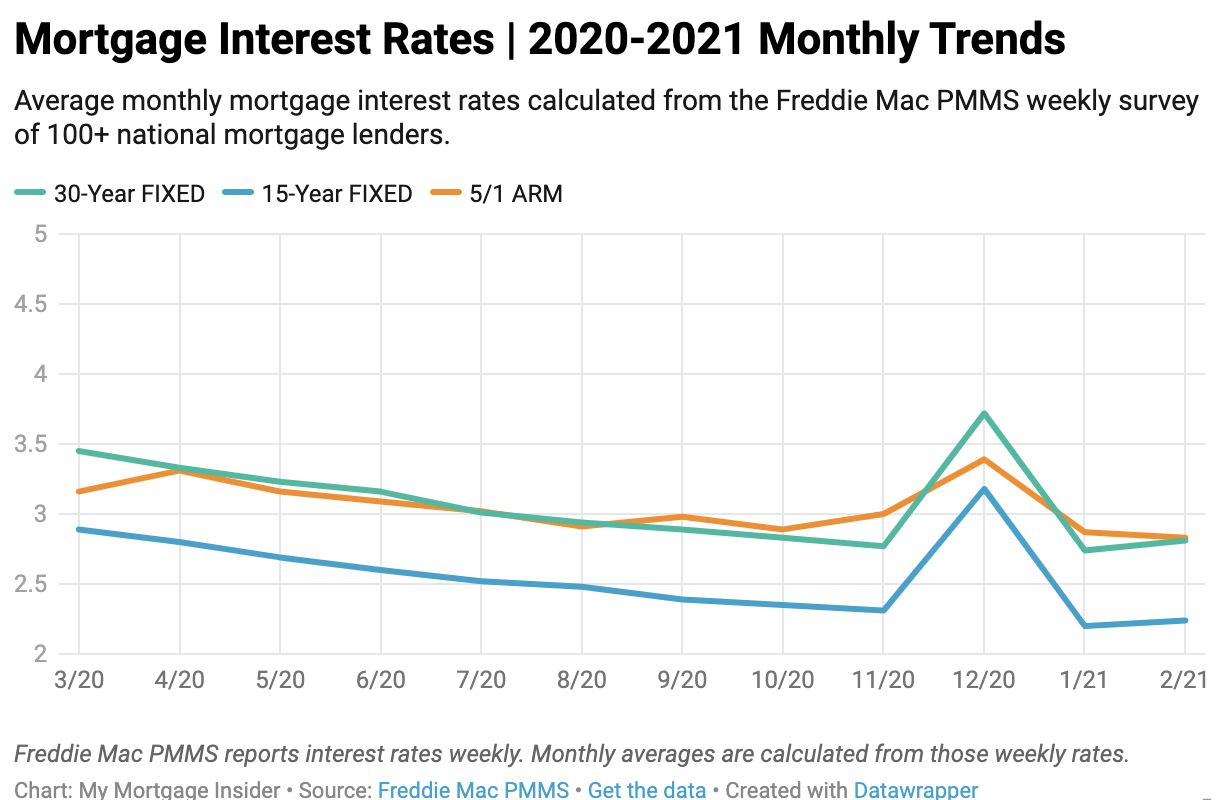
When asking “what is the interest rate on home loans right now,” it is vital to maintain a long-term perspective. While 7% feels high compared to the 3% rates of 2021, the historical average for a 30-year mortgage since 1971 is approximately 7.74%.
For many, the strategy today is “marry the house, date the rate.” This philosophy suggests that if you find the right property at a price you can afford, you should move forward with the purchase even at a higher rate. If rates drop in the future, you can refinance into a lower-cost loan. If rates continue to rise, you will be glad you locked in your current rate when you did.
In conclusion, the interest rate on home loans right now is a reflection of a complex global economy striving for balance. By understanding the underlying factors, optimizing your personal financial profile, and shopping strategically, you can secure a rate that allows you to achieve your homeownership goals while maintaining long-term financial health. Real estate remains a powerful hedge against inflation, and the “right” rate is ultimately the one that fits within a sustainable monthly budget and serves your broader investment strategy.
aViewFromTheCave is a participant in the Amazon Services LLC Associates Program, an affiliate advertising program designed to provide a means for sites to earn advertising fees by advertising and linking to Amazon.com. Amazon, the Amazon logo, AmazonSupply, and the AmazonSupply logo are trademarks of Amazon.com, Inc. or its affiliates. As an Amazon Associate we earn affiliate commissions from qualifying purchases.