
For veterans, active-duty service members, and eligible surviving spouses, the VA mortgage loan represents one of the most powerful wealth-building tools available in the United States. Unlike conventional financing, which often requires significant down payments and rigorous private mortgage insurance (PMI) premiums, the VA loan program offers a path to homeownership with zero down payment and competitive interest rates. However, understanding what the interest rate is—and how it is determined—requires a deep dive into the mechanics of the financial markets and personal creditworthiness.
Understanding the Mechanics of VA Loan Interest Rates
One of the most common misconceptions regarding VA loans is that the Department of Veterans Affairs sets the interest rates. In reality, the VA does not issue the loans; it simply guarantees a portion of them. This guarantee protects private lenders against loss if the borrower defaults, which encourages those lenders to offer more favorable terms.
How VA Rates Compare to Conventional and FHA Loans
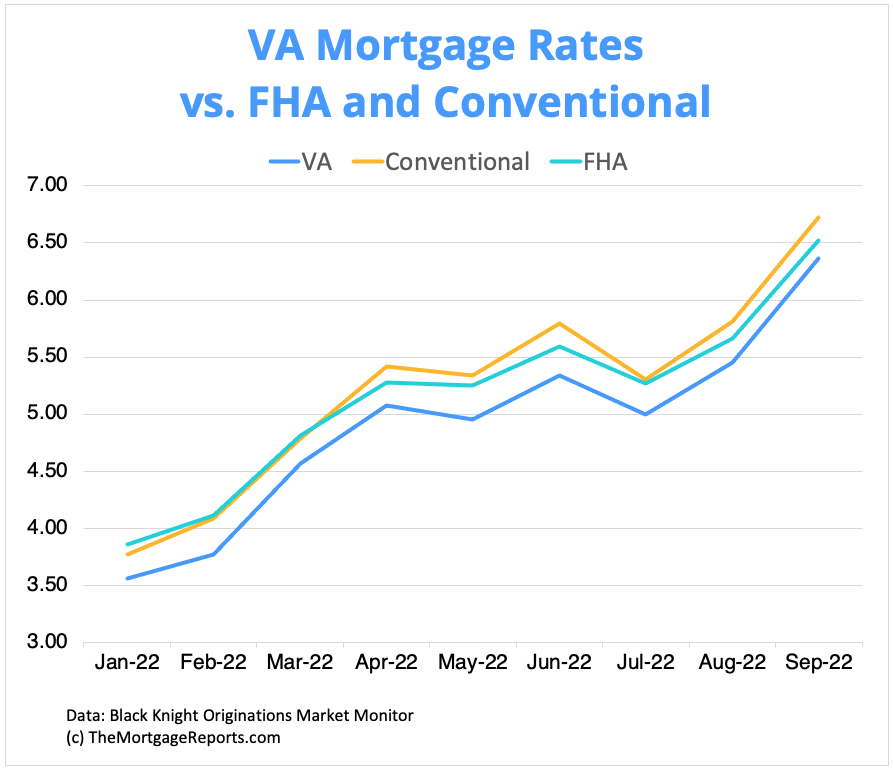
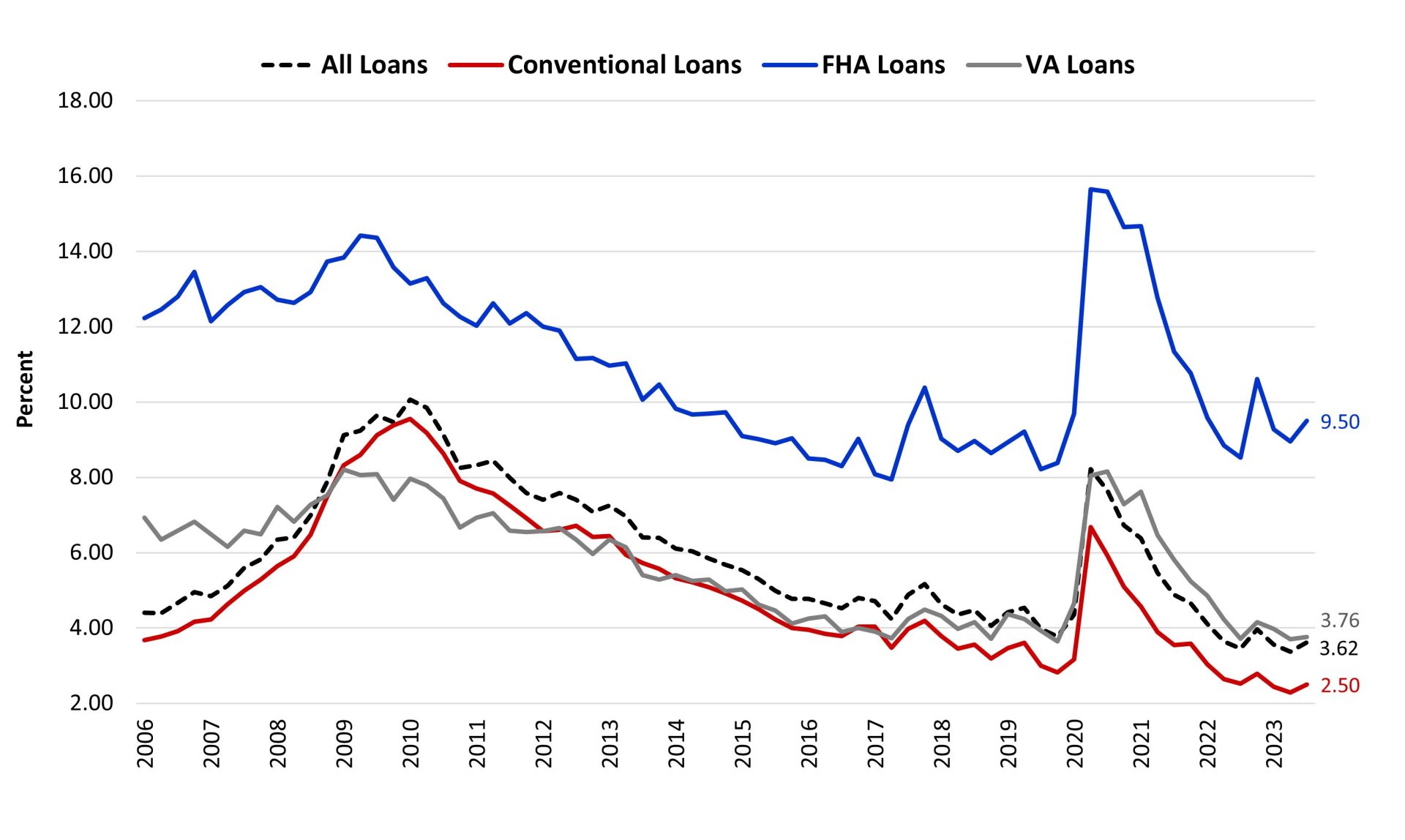
Historically, VA mortgage rates are consistently lower than those of conventional loans and often slightly lower than FHA loans. Because the federal government backs these loans, lenders perceive them as lower risk. On average, VA loan rates can be anywhere from 0.25% to 0.50% lower than a standard 30-year fixed-rate mortgage. Over the lifespan of a 30-year loan, this seemingly small difference can save a veteran tens of thousands of dollars in interest payments.
The Role of the Secondary Mortgage Market
While individual lenders quote rates to consumers, those rates are heavily influenced by the secondary mortgage market. Most VA loans are bundled into Mortgage-Backed Securities (MBS) and sold to investors. The yield that these investors demand is influenced by the 10-year Treasury note and general inflationary expectations. When the economy is volatile, investors often flock to the safety of government-backed securities, which can help keep VA rates relatively stable compared to more speculative financial products.
Critical Factors That Influence Your Specific Interest Rate
Even though the VA program provides a floor for competitive pricing, not every veteran will receive the same interest rate. Lenders use a process called “risk-based pricing” to determine the final rate offered to an applicant.
Credit Score Requirements and Tiered Pricing
While the VA itself does not mandate a minimum credit score, most private lenders (banks, credit unions, and mortgage companies) establish their own “overlays.” A borrower with a 740 credit score will likely secure a significantly lower interest rate than a borrower with a 620 score. This is because the higher score signals a history of reliability, reducing the lender’s administrative risk. In the context of personal finance, maintaining a healthy credit profile is the single most effective way to lower the cost of borrowing for a VA loan.
Loan Terms and Duration
The duration of the loan significantly impacts the interest rate. A 15-year fixed-rate VA loan typically carries a lower interest rate than a 30-year fixed-rate loan. From a financial planning perspective, the 15-year option results in much higher monthly payments but drastically lower total interest costs. Borrowers must weigh their monthly cash flow needs against the desire for long-term interest savings.
The Impact of the Debt-to-Income (DTI) Ratio
Lenders also look at the borrower’s Debt-to-Income ratio, which is the percentage of gross monthly income that goes toward paying debts. While VA guidelines are more flexible than conventional ones—often allowing a DTI of up to 41% or even higher with compensating factors—a lower DTI can sometimes help in securing the most aggressive rates from premium lenders who prefer “clean” financial profiles.
The Financial Architecture of VA Loan Costs and Fees
The “headline” interest rate is not the only number that matters. To understand the true cost of a VA mortgage, one must look at the Annual Percentage Rate (APR), which incorporates fees and other costs into the interest calculation.
The VA Funding Fee
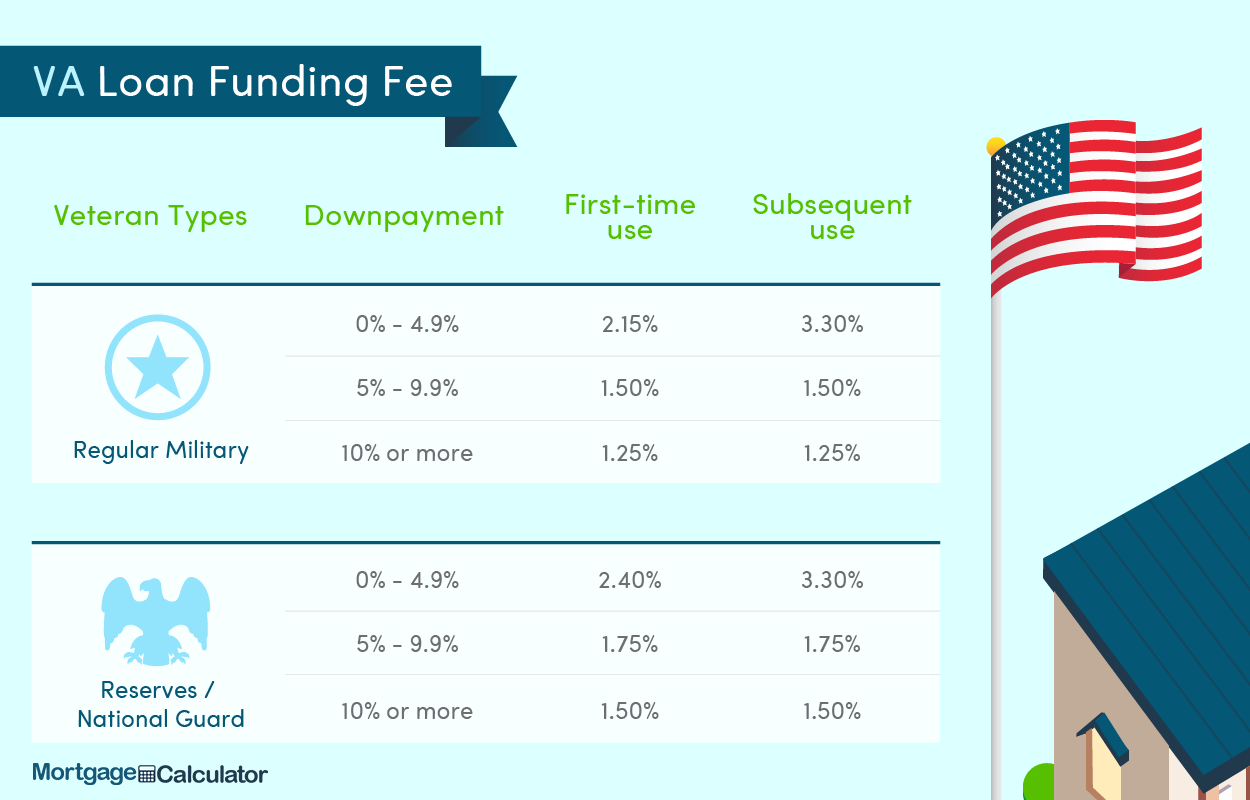
Most veterans must pay a VA Funding Fee, which is a one-time fee paid to the Department of Veterans Affairs to help sustain the program for future generations. The fee varies based on the type of service, the down payment amount, and whether it is the borrower’s first time using the benefit. While this fee can be rolled into the loan amount (increasing the total principal), it does not directly change the interest rate, though it does increase the APR. It is important to note that veterans with service-connected disabilities are typically exempt from this fee.
Discount Points and Rate Buy-downs
In the world of mortgage finance, “points” are a way to prepay interest to secure a lower rate over the life of the loan. One point equals 1% of the loan amount. For example, on a $300,000 mortgage, paying $3,000 upfront might lower the interest rate by 0.25%. This is a strategic financial move for veterans who plan to stay in their homes for a long duration, as the “break-even point” (the time it takes for monthly savings to exceed the initial cost) usually occurs after five to seven years.
Strategies to Secure the Most Competitive VA Rate
Because lenders have the autonomy to set their own rates and fees, shopping around is a non-negotiable step in the financial process. A veteran who accepts the first offer they receive may be leaving thousands of dollars on the table.
Comparing Loan Estimates (LE)
Federal law requires lenders to provide a Loan Estimate (LE) within three days of receiving a completed application. By comparing LEs from at least three different lenders—such as a national bank, a local credit union, and a specialized online VA lender—borrowers can see the discrepancy in both interest rates and “origination charges.” Even a difference of 0.125% in the interest rate can result in significant savings when compounded over decades.
Timing the Market
Mortgage rates fluctuate daily based on economic data releases, such as the Consumer Price Index (CPI) and employment reports. When inflation is high, the Federal Reserve often raises the federal funds rate, which indirectly pushes mortgage rates higher. Conversely, in a cooling economy, rates may drop. Engaging with a mortgage professional who understands these macroeconomic trends can help a veteran decide when to “lock” their rate to prevent it from rising before the loan closes.
Long-Term Financial Implications of VA Financing
A VA loan is not just a debt; it is a strategic financial instrument that provides flexibility long after the initial purchase.
Interest Rate Reduction Refinance Loans (IRRRL)
The VA “Streamline” refinance, known as the IRRRL, is a unique financial tool that allows veterans to lower their interest rate with minimal paperwork and no appraisal. If market rates drop significantly after a veteran buys a home, the IRRRL allows them to pivot to a lower rate quickly. This capability ensures that a veteran is never “stuck” with a high interest rate if the broader economic environment improves.
Equity Building and Opportunity Cost
Because VA loans allow for 0% down, the borrower starts with very little equity in the home. However, the lower interest rate associated with VA loans allows a larger portion of the monthly payment to go toward the principal balance compared to a higher-interest conventional loan. Furthermore, the money that would have been used for a 20% down payment on a conventional loan can instead be invested in a diversified portfolio of stocks or bonds. This “opportunity cost” analysis often shows that the VA loan is the superior financial choice, as the veteran can grow their net worth in two places simultaneously: through home appreciation and through their investment accounts.
In summary, the interest rate on a VA mortgage loan is a dynamic figure influenced by the global bond market, the borrower’s credit health, and the specific terms of the loan agreement. While the VA guarantee ensures that these rates remain among the lowest in the industry, the savvy borrower must still exercise diligence. By focusing on credit improvement, understanding the impact of fees, and comparing multiple lenders, veterans can leverage their hard-earned benefits to secure a financial foundation that lasts a lifetime.
aViewFromTheCave is a participant in the Amazon Services LLC Associates Program, an affiliate advertising program designed to provide a means for sites to earn advertising fees by advertising and linking to Amazon.com. Amazon, the Amazon logo, AmazonSupply, and the AmazonSupply logo are trademarks of Amazon.com, Inc. or its affiliates. As an Amazon Associate we earn affiliate commissions from qualifying purchases.