
For millions of Americans, Social Security represents the bedrock of retirement planning. It is the guaranteed floor upon which personal savings, 401(k) plans, and private investments are built. Yet, despite its importance, the specific mechanics behind how the Social Security Administration (SSA) calculates a monthly check remain a mystery to many. A common misconception is that the benefit is a flat rate or a simple percentage of one’s final salary. In reality, Social Security is the result of a complex, multi-step formula designed to reward long-term work while providing a progressive safety net.
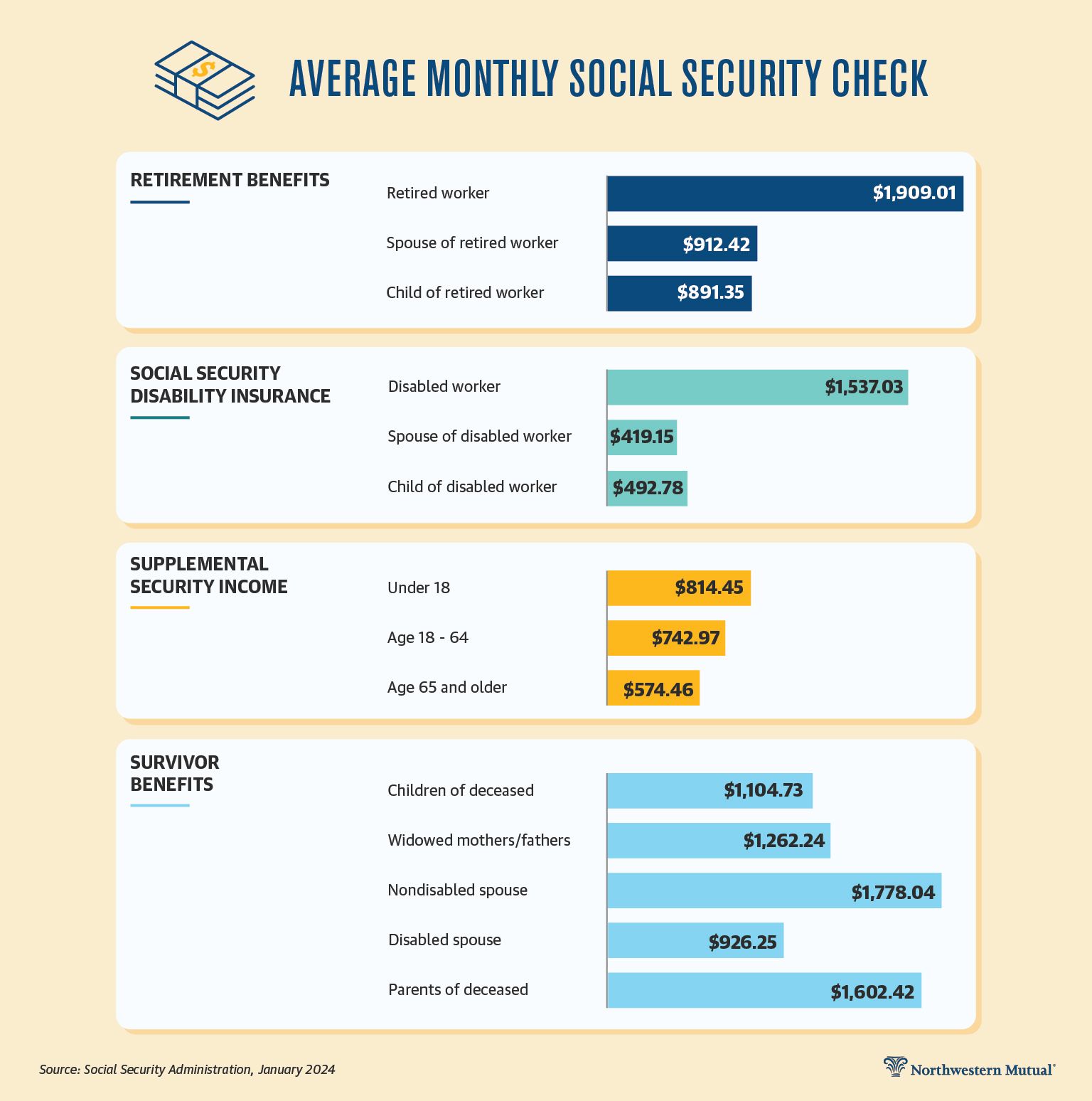
Understanding what your Social Security payment is based on is essential for effective financial planning. By deconstructing the variables—ranging from your lifetime earnings history to the specific age at which you choose to claim—you can make informed decisions that could potentially add hundreds of thousands of dollars to your lifetime wealth.
The Foundation: Lifetime Earnings and the AIME Calculation
At its core, Social Security is an earned benefit. The amount you receive is directly tied to the amount of income on which you paid Social Security taxes (FICA) throughout your career. However, the SSA does not look at your entire career as a single block; it uses a specific metric called the Average Indexed Monthly Earnings (AIME).
The Importance of Your Top 35 Years
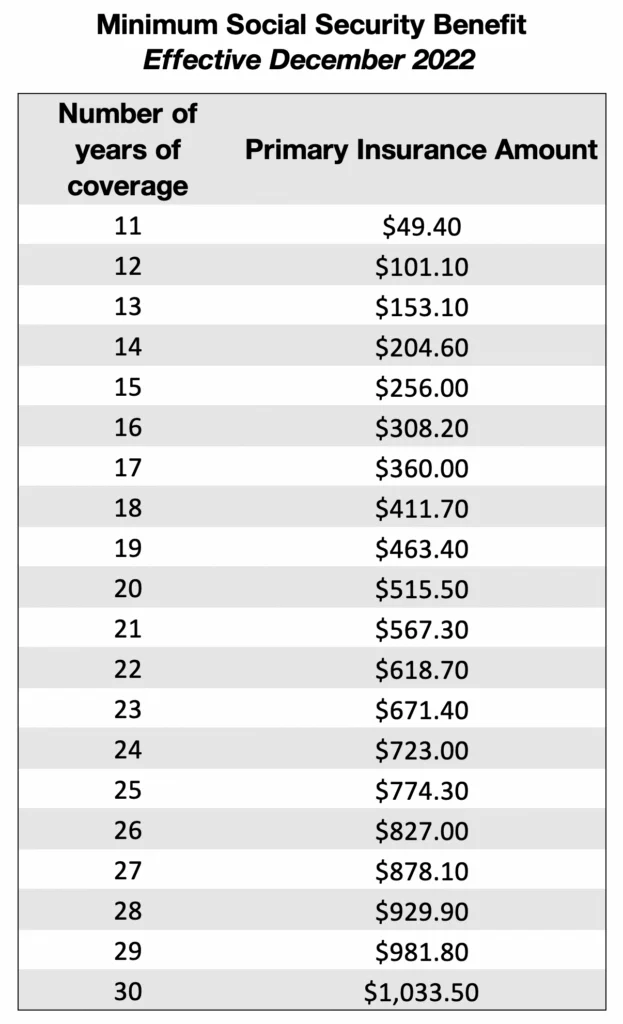
The first factor in the Social Security equation is the duration of your work history. The SSA bases your benefit on your 35 highest-earning years. If you have worked for 40 years, the SSA will automatically select the 35 years with the highest adjusted earnings and discard the lowest five.
The financial implication of this rule is significant: if you have fewer than 35 years of covered earnings, the SSA fills in the remaining years with zeros. These zeros can drastically pull down your average and, consequently, your monthly check. For those in their peak earning years, working even one or two extra years can replace a low-earning year from their youth, effectively “boosting” their career average and increasing their eventual payout.
Inflation Indexing: Bringing Past Wages into Today’s Dollars
A common question arises: “How can my low salary from the 1980s compete with my current salary?” The SSA accounts for this through a process called “indexing.” To ensure that your past earnings are comparable to current wage levels, the SSA applies an indexing factor to your historical earnings.
This process adjusts your raw earnings for every year up until the year you turn 60. This ensures that the $15,000 you earned in 1985 is weighted fairly against the $60,000 you might earn today, reflecting the general rise in the standard of living and inflation over time. Once these figures are indexed and the top 35 years are selected, they are summed and divided by 420 (the number of months in 35 years) to arrive at your AIME.
The Formula: From AIME to Primary Insurance Amount (PIA)
Once the SSA has determined your Average Indexed Monthly Earnings (AIME), they don’t simply hand that amount back to you. Instead, they apply a progressive formula to determine your Primary Insurance Amount (PIA). The PIA is the base figure used to calculate your benefit if you were to retire exactly at your Full Retirement Age (FRA).
The Bend Points: How the SSA Calculates Your Monthly Benefit
The Social Security formula is “progressive,” meaning it is designed to provide a higher “replacement rate” for lower-income earners than for higher-income earners. This is achieved through “bend points.” As of 2024, the formula takes 90% of the first portion of your AIME, 32% of the middle portion, and 15% of any amount above the second bend point.
These bend points are adjusted annually to reflect changes in the national average wage index. For a high earner, a smaller percentage of their total average monthly income is replaced by Social Security, reflecting the expectation that higher earners have more capacity to save through private vehicles like IRAs or brokerage accounts. For a lower earner, Social Security may replace a much larger percentage of their pre-retirement income.
The Maximum Taxable Earnings Limit
It is also important to note that Social Security payments are capped because the taxes you pay into the system are capped. Each year, the SSA sets a “Maximum Taxable Earnings” limit (for 2024, this is $168,600). Any income earned above this threshold is not subject to Social Security tax, and conversely, it does not count toward the calculation of your benefits. This explains why there is a maximum possible Social Security check, regardless of whether a worker earned $200,000 or $2,000,000 annually.
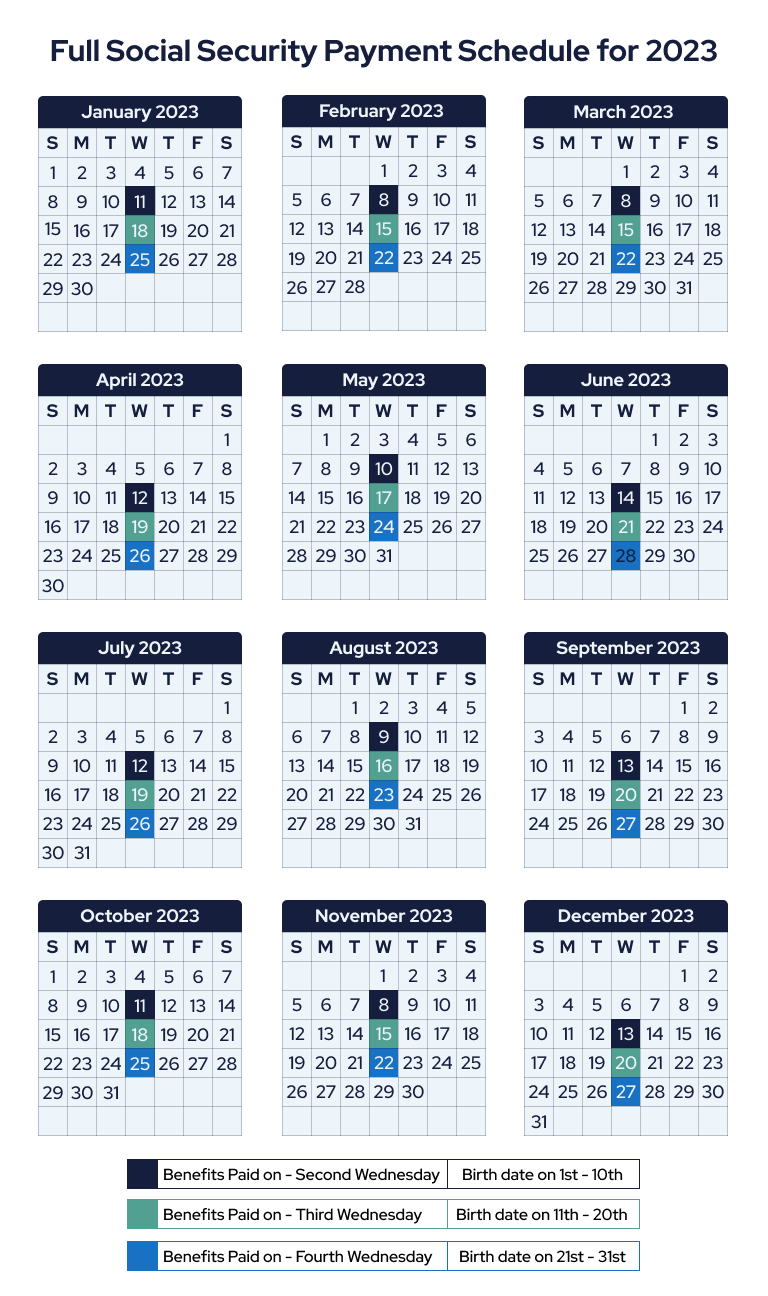
The Timing Factor: How Filing Age Affects Your Check
While your earnings history sets the “base” of your benefit (the PIA), the single most impactful decision you make regarding your payment is when you choose to claim it. The system is designed to be actuarially neutral, meaning that whether you take a smaller check for a longer period or a larger check for a shorter period, the total lifetime benefit should be roughly the same for someone with an average life expectancy. However, for the individual investor, the timing is a critical lever for maximizing cash flow.
Full Retirement Age (FRA) and the 100% Mark
Your Full Retirement Age is the age at which you are entitled to 100% of your PIA. For those born in 1960 or later, the FRA is 67. If you file for Social Security exactly at your FRA, your payment is based strictly on the formula derived from your AIME. Filing before or after this date triggers a permanent adjustment to your monthly income.
The Cost of Early Filing: Permanent Reductions
You can choose to claim Social Security as early as age 62. However, doing so comes at a steep price. If your FRA is 67 and you claim at 62, your monthly benefit is permanently reduced by 30%. This reduction is prorated monthly; for every month you file before your FRA, your check is shaved down slightly. For many, the “early bird” strategy is tempting, but from a financial planning perspective, it significantly reduces the “inflation-protected annuity” value that Social Security provides.
Delayed Retirement Credits: The 8% Annual Bonus
Conversely, for every year you delay claiming Social Security past your FRA up until age 70, your benefit increases by 8% per year. This is known as Delayed Retirement Credits. If your FRA is 67 and you wait until age 70, you will receive 124% of your PIA for the rest of your life.
In the world of personal finance, a guaranteed 8% annual return is virtually unheard of, especially one that is backed by the federal government and adjusted for inflation. For those in good health with other assets to draw from, delaying benefits is often the most effective way to “buy” a higher guaranteed income stream for their later years.
Other Variables Influencing Your Final Payment
Beyond your own work history and timing, several other financial factors can influence the final amount that lands in your bank account. Social Security does not exist in a vacuum; it interacts with your marital status, your tax bracket, and other government programs.
Cost-of-Living Adjustments (COLA) and Inflation
One of the most valuable features of Social Security is the Cost-of-Living Adjustment, or COLA. Unlike most private pensions or annuities, Social Security payments are adjusted annually to keep pace with inflation, based on the Consumer Price Index for Urban Wage Earners and Clerical Workers (CPI-W). When inflation spikes, as seen in recent years, Social Security recipients receive a percentage increase in their monthly checks. This ensures that the purchasing power of the benefit remains relatively stable over decades of retirement.
Spousal and Survivor Benefit Considerations
Social Security is also based on your family structure. If you are married, you may be eligible for a spousal benefit, which can be up to 50% of your spouse’s PIA if that amount is higher than what you would receive based on your own work record. Furthermore, survivor benefits allow a surviving spouse to inherit the higher of the two checks if one spouse passes away. This makes the decision of when the “higher earner” claims benefits even more critical, as it effectively sets the floor for the surviving spouse’s income.
The Impact of Taxes and Medicare Premiums
Finally, the “net” payment you receive is often lower than the “gross” benefit calculated by the SSA. If your total “combined income” (adjusted gross income + non-taxable interest + half of your Social Security benefits) exceeds certain thresholds, up to 85% of your Social Security benefits may be subject to federal income tax. Additionally, for most retirees, Medicare Part B premiums are deducted directly from their Social Security checks. As Medicare costs rise, the net amount a senior receives may not grow as fast as the gross COLA increase might suggest.
Conclusion: Maximizing Your Benefit
What your Social Security payment is based on is a combination of your 35 years of productivity, the progressive mathematical formula used by the SSA, and your strategic patience in choosing a claiming age. In the context of a broader financial plan, Social Security is more than just a monthly check; it is an inflation-indexed, government-backed asset that rewards long-term earnings and careful timing.
By understanding that the benefit is based on indexed lifetime earnings rather than just “last-minute” salary, and by recognizing the profound impact of the 8% annual delayed credits, you can approach retirement with a clear strategy. Whether you choose to work longer to replace low-earning years or delay filing to maximize your monthly payout, knowing the mechanics of the system allows you to take control of your financial destiny and ensure a more secure, predictable income in your later years.
aViewFromTheCave is a participant in the Amazon Services LLC Associates Program, an affiliate advertising program designed to provide a means for sites to earn advertising fees by advertising and linking to Amazon.com. Amazon, the Amazon logo, AmazonSupply, and the AmazonSupply logo are trademarks of Amazon.com, Inc. or its affiliates. As an Amazon Associate we earn affiliate commissions from qualifying purchases.