
The question “what is the interest rate on a mortgage today?” is perhaps the most frequent inquiry in the world of personal finance, yet it is one of the most difficult to answer with a single static number. In the current economic climate, mortgage rates are a moving target, influenced by a complex interplay of global economic shifts, central bank policies, and individual financial profiles. For the modern homebuyer or real estate investor, understanding the “why” behind the rate is just as important as knowing the “what.”
As we navigate a period of significant transition in the financial markets, the cost of borrowing has become a primary driver of housing affordability. To truly grasp what you will pay for a home loan today, one must look beyond the daily headlines and examine the underlying mechanics of the mortgage market.
The Macroeconomic Engines: What Drives Mortgage Rates?
Mortgage rates do not exist in a vacuum. They are deeply tethered to the broader economy and the health of the financial markets. While many consumers believe that mortgage rates are set directly by the government, the reality is far more nuanced, involving the bond market and the strategic decisions of the Federal Reserve.
The Influence of the Federal Reserve and the Federal Funds Rate
While the Federal Reserve does not explicitly set mortgage rates, its influence is profound. The Fed sets the “federal funds rate,” which is the interest rate at which commercial banks borrow and lend to each other overnight. When the Fed raises this rate to combat inflation, it increases the cost of doing business for banks. This, in turn, creates upward pressure on all types of consumer debt, including mortgages. Conversely, when the Fed signals a pause or a cut in rates to stimulate a sluggish economy, mortgage lenders often adjust their pricing downward in anticipation of lower borrowing costs.
The 10-Year Treasury Yield Connection
If you want to know where mortgage rates are heading today, look at the 10-year Treasury yield. There is a historically strong correlation between the yield on 10-year government bonds and the interest rate on a 30-year fixed-rate mortgage. This is because mortgage-backed securities (MBS)—the bundles of home loans sold to investors—must compete with the safety of government bonds. To attract investors to the slightly riskier mortgage market, lenders must offer a higher yield (interest rate) than what the government offers on its debt. The “spread” between the 10-year Treasury and mortgage rates typically hovers around 1.5 to 3 percentage points.
Inflation and Market Sentiment
Inflation is the natural enemy of fixed-income investments. Because a mortgage is a long-term contract where the lender receives a fixed payment over 15 or 30 years, rising inflation erodes the purchasing power of those future dollars. To compensate for this risk, lenders demand higher interest rates when inflation is high. Today’s rates are a direct reflection of the market’s confidence—or lack thereof—in the government’s ability to stabilize prices over the long term.
Individual Determinants: Why Your Rate May Differ from the Average
When you see a “daily average” mortgage rate quoted online, it is usually based on a “prime” borrower—someone with exceptional credit and a large down payment. However, the interest rate you are offered is customized based on your unique financial footprint. Understanding these variables is key to optimizing your personal finance strategy.
The Power of the Credit Score
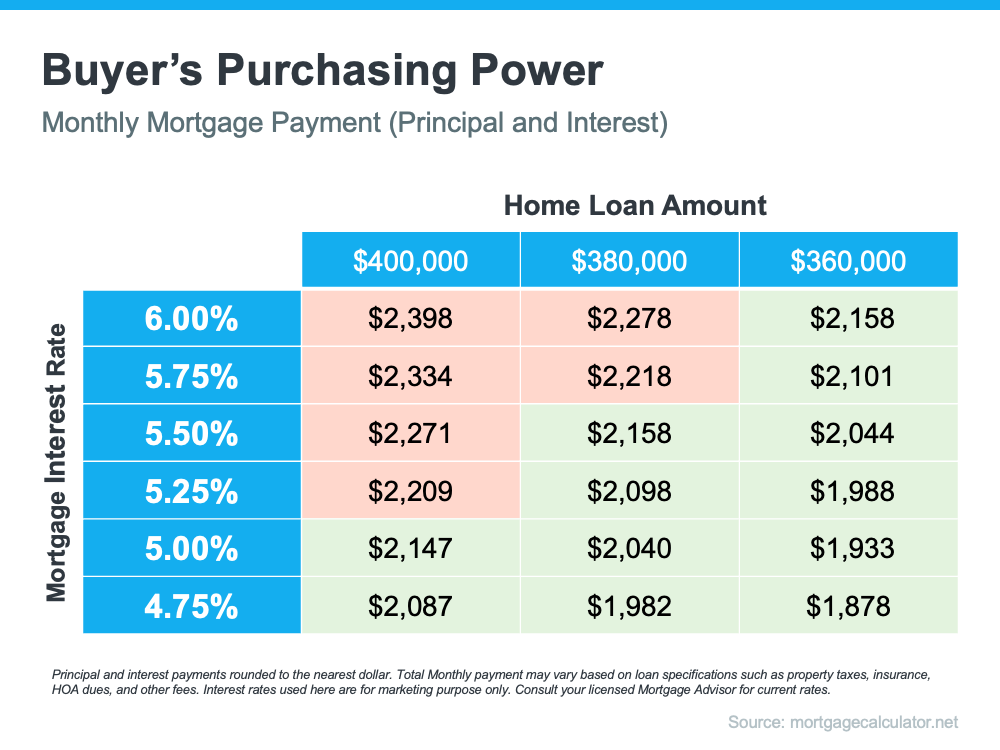
In the eyes of a lender, your credit score is a numerical representation of risk. Today, the difference between a “Good” score (670-739) and an “Exceptional” score (800+) can translate to a difference of 0.5% to 1.0% in your interest rate. Over the life of a $400,000 loan, that seemingly small gap can cost or save you tens of thousands of dollars. Lenders use risk-based pricing, meaning those with lower scores are charged higher rates to offset the perceived risk of default.
Loan-to-Value (LTV) and the Down Payment
The amount of “skin in the game” you have significantly impacts your rate. The Loan-to-Value ratio (LTV) measures the loan amount against the value of the property. A borrower putting down 20% (80% LTV) is viewed as more stable than one putting down 3.5%. Not only do higher down payments often secure lower interest rates, but they also eliminate the need for Private Mortgage Insurance (PMI), which adds to the effective monthly cost of the loan.
Debt-to-Income (DTI) Ratios
Lenders look at your Debt-to-Income ratio to ensure you have enough cash flow to cover your new mortgage payment alongside existing obligations like car loans or student debt. While DTI doesn’t always directly change the interest rate “quote,” it determines your eligibility for certain loan products. Some lower-rate government-backed programs have stricter DTI requirements, while conventional loans might allow for more flexibility at the cost of a slightly higher rate.
Strategies for Navigating High-Rate Environments
In an era where rates have risen from historic lows, buyers must be more strategic than ever. Financial literacy in this sector means knowing how to manipulate the variables to your advantage.
Utilizing Mortgage Points and “Buy-Downs”
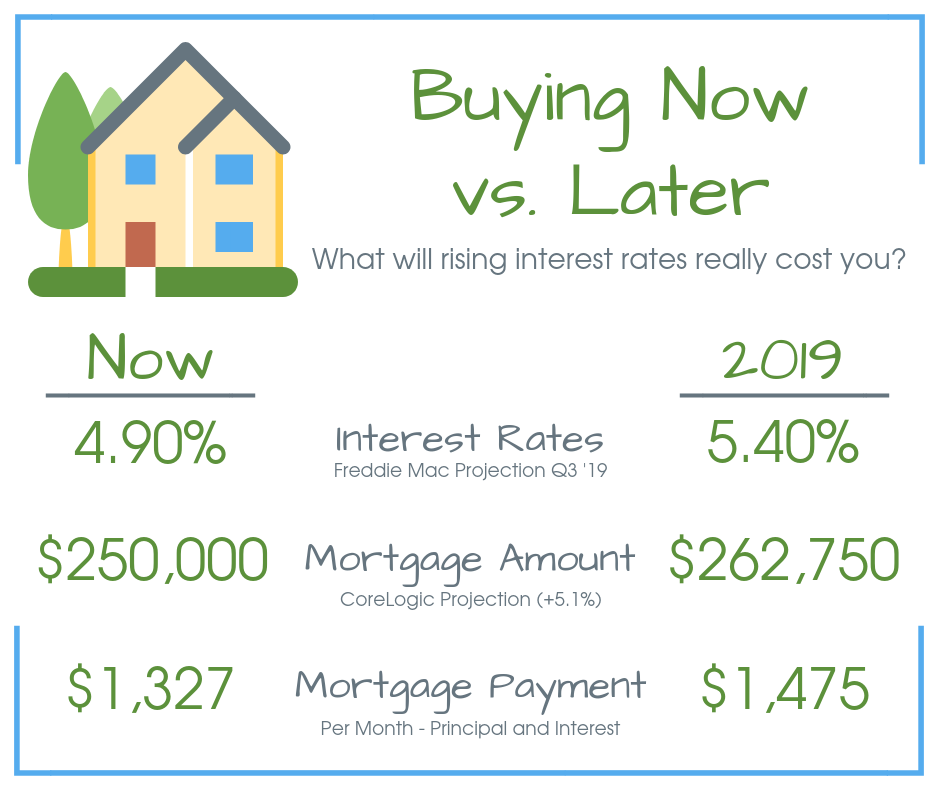
A common strategy in today’s market is the “rate buy-down.” Borrowers can pay “discount points” at closing—essentially prepaid interest—to lower their permanent interest rate. One point typically costs 1% of the loan amount and reduces the rate by about 0.25%. Alternatively, “temporary buy-downs” (like a 2-1 buy-down) allow the seller or builder to pay a lump sum that lowers the buyer’s interest rate for the first two years of the loan, providing temporary relief while the buyer anticipates a future refinance.
The Resurgence of Adjustable-Rate Mortgages (ARMs)
While fixed-rate mortgages offer stability, Adjustable-Rate Mortgages (ARMs) have regained popularity. ARMs typically offer a lower initial “teaser” rate for a set period (such as 5, 7, or 10 years). For a buyer who plans to sell the home or refinance before the adjustment period begins, an ARM can be a sophisticated tool to minimize interest expenses during the early years of homeownership.
The Importance of the Rate Lock
Because mortgage rates can fluctuate multiple times in a single day based on economic data releases, the “rate lock” is a critical component of the process. A rate lock guarantees the interest rate for a specific period (usually 30 to 60 days) while your loan is being processed. In a volatile market, failing to lock in a favorable rate at the right moment can result in a higher monthly payment by the time you reach the closing table.
The Financial Outlook: Preparing for “Higher for Longer”
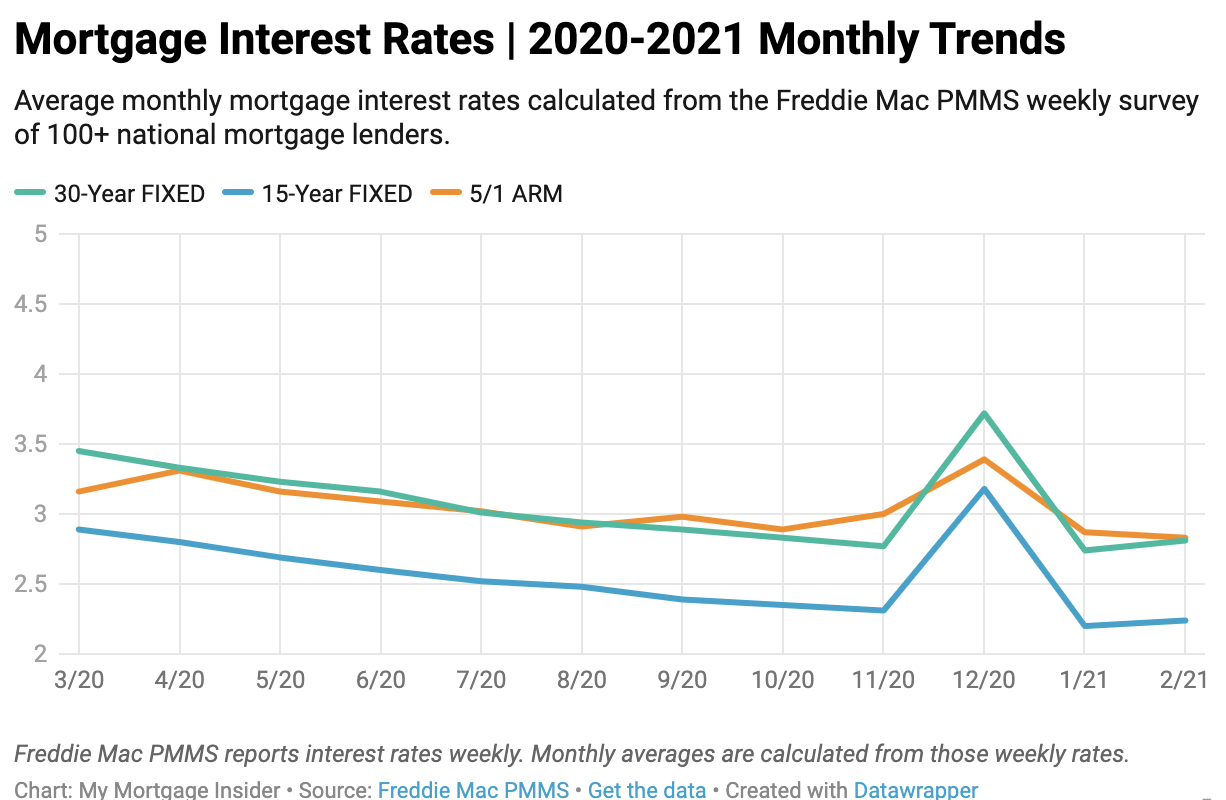
As we look toward the future of personal finance and real estate, the consensus among economists is a shift toward a “higher for longer” interest rate environment. The ultra-low rates seen during the 2020-2021 period were an anomaly, and returning to a more “normal” range requires a shift in consumer mindset.
Real Estate as an Investment Hedge
Despite higher interest rates, real estate remains a primary vehicle for wealth building. High rates often lead to a cooling of home prices or a slowing of price appreciation, which can provide an entry point for disciplined investors. The “Money” niche perspective suggests that if the rate of property appreciation plus the tax benefits of homeownership exceeds the cost of the interest, the investment remains sound.
The Refinance Cycle
Financial experts often remind borrowers: “Marry the house, date the rate.” This philosophy suggests that the purchase price of the home is permanent, but the interest rate is temporary. If rates drop significantly in the next 24 to 36 months, borrowers who purchased at today’s rates can refinance into a lower-cost loan. This requires maintaining a strong credit profile even after the home purchase to ensure you qualify for the best available rates when the market shifts.
Monitoring Economic Indicators
For those waiting for the “perfect” time to buy, keeping an eye on specific economic indicators is vital. Watch the Consumer Price Index (CPI) for signs of cooling inflation and pay attention to the Monthly Jobs Report. High unemployment or cooling job growth often leads the Fed to reconsider high interest rates, which could signal a downward trend for mortgage costs.
Conclusion: Balancing Cost and Opportunity
While the interest rate on a mortgage today may be higher than in the recent past, it must be viewed through the lens of long-term financial planning. A mortgage is not just a debt; it is a tool for leveraging capital to acquire a tangible asset. By understanding the macroeconomic drivers, optimizing personal financial health, and utilizing strategic lending products, savvy consumers can successfully navigate today’s market. The key is not to find the “lowest” rate in history, but to find the rate that allows for a sustainable, growth-oriented financial future.
aViewFromTheCave is a participant in the Amazon Services LLC Associates Program, an affiliate advertising program designed to provide a means for sites to earn advertising fees by advertising and linking to Amazon.com. Amazon, the Amazon logo, AmazonSupply, and the AmazonSupply logo are trademarks of Amazon.com, Inc. or its affiliates. As an Amazon Associate we earn affiliate commissions from qualifying purchases.