
The question of “what is the interest rate for homes right now?” is one of the most pressing and dynamic inquiries for anyone involved in the real estate market. Whether you’re a first-time homebuyer, looking to refinance, or an experienced investor, understanding the current mortgage rate landscape is crucial. Interest rates are not static; they are a complex interplay of economic indicators, central bank policies, and global financial market movements, fluctuating daily, sometimes even hourly. Pinpointing an exact, universal rate at any given moment is challenging because rates are highly individualized, dependent on factors like a borrower’s creditworthiness, the type of loan, the down payment, and even the specific lender.
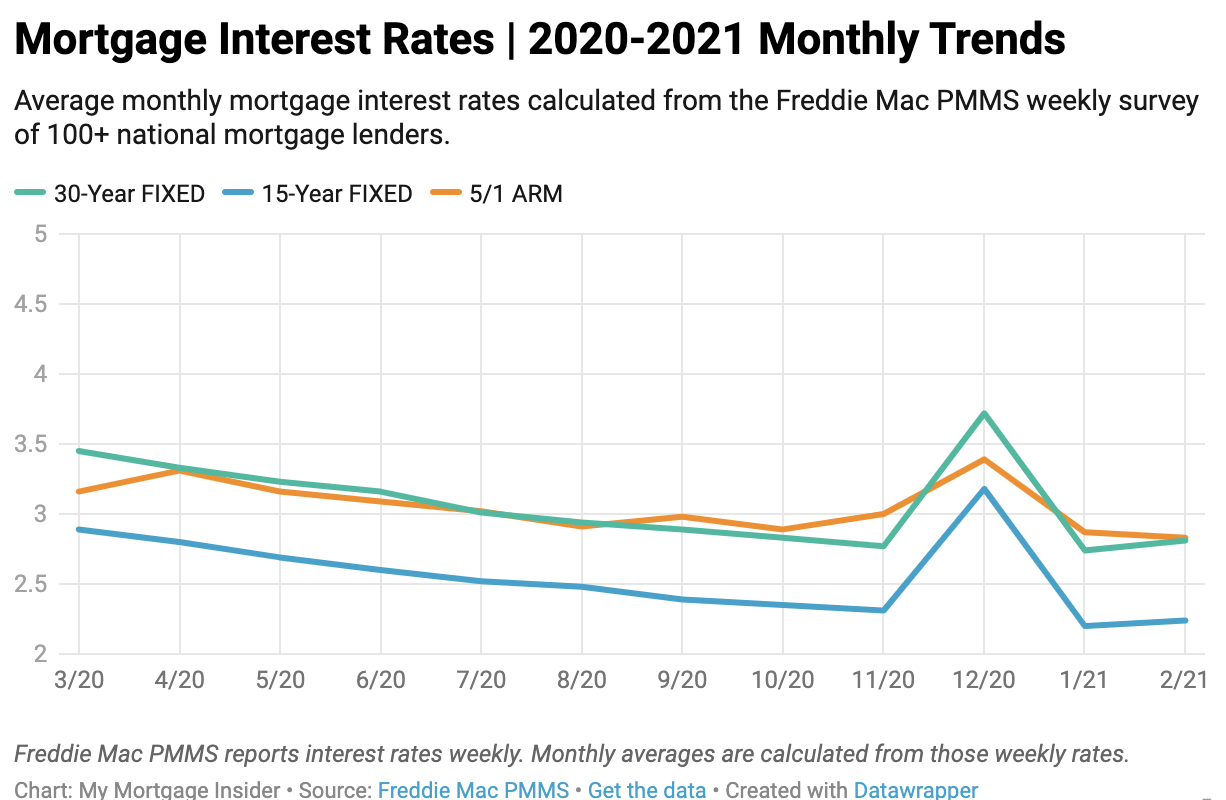
This article delves into the intricate world of mortgage interest rates, providing a comprehensive overview of the factors influencing them, the different types of mortgage products available, and strategies to secure the most favorable rates. We will explore how “right now” rates impact your purchasing power, long-term financial commitments, and the broader housing market, equipping you with the knowledge to navigate this critical aspect of homeownership.
Understanding the Current Mortgage Rate Landscape
The seemingly simple question of “what is the interest rate right now?” belies a complex and ever-changing financial reality. Mortgage rates are not set in stone; they are fluid, responding to a myriad of economic forces that shift continuously. For borrowers, grasping this dynamism is the first step toward making informed decisions.
The Dynamic Nature of Interest Rates
Mortgage rates are a reflection of broader market conditions and lender appetite for risk. Unlike a fixed price tag, rates can change multiple times within a single day. What a lender offers in the morning might be different by the afternoon, influenced by breaking economic news, bond market movements, or even competitive adjustments from other lenders. This volatility means that the “right now” rate is a moving target, making diligent research and timely action essential for prospective homebuyers and those considering refinancing. While financial institutions often publish average daily rates, these are merely benchmarks. The rate you are ultimately offered will be tailored to your specific financial profile and the details of your loan.
Key Factors Influencing Today’s Rates
Several powerful forces converge to determine the prevailing interest rates for home loans:
- Federal Reserve Policy: The Federal Reserve’s actions, particularly its setting of the federal funds rate, are perhaps the most significant influence. While the federal funds rate is an overnight lending rate between banks and doesn’t directly dictate mortgage rates, it impacts the cost of borrowing across the financial system. When the Fed raises rates to combat inflation, it typically leads to higher borrowing costs for consumers, including mortgages. Conversely, easing monetary policy tends to lower rates. The Fed’s stance on quantitative easing or tightening also affects the bond market, which in turn influences mortgage rates.
- Inflation Expectations: Lenders factor in inflation when setting rates. If inflation is expected to rise, the purchasing power of future repayments will diminish. To compensate for this anticipated loss, lenders demand higher interest rates today. Conversely, low inflation or deflationary fears can lead to lower rates. Current inflation readings and future projections from economic indicators heavily weigh on rate decisions.
- Economic Indicators: A host of economic data provides insights into the health of the economy, directly impacting mortgage rates. Robust job growth, a strong Gross Domestic Product (GDP), and high consumer confidence typically signal a strong economy, which can lead to higher rates as the demand for money increases and inflation concerns grow. Conversely, signs of economic slowdown or recession often push rates lower as investors seek the safety of government bonds, indirectly lowering mortgage rates. The bond market, particularly the yield on the 10-year Treasury note, is a critical benchmark for mortgage rates, as mortgage-backed securities often track its movements.
- Lender-Specific Factors: Beyond these macroeconomic influences, individual lenders also adjust their rates based on their own operational costs, desired profit margins, and competitive landscape. Furthermore, a borrower’s specific credit score, debt-to-income ratio, loan-to-value ratio (determined by down payment), and the chosen loan type (fixed vs. adjustable, conventional vs. government-backed) will significantly impact the final rate offered.
A Snapshot of Current Averages (and How to Find Them)
While providing specific, real-time rates here is impractical due to their rapid fluctuations, it’s important to know where to find reliable averages. Organizations like Freddie Mac and the Mortgage Bankers Association (MBA) regularly publish national average mortgage rates, often broken down by loan type (e.g., 30-year fixed, 15-year fixed, 5/1 ARM). These averages offer a valuable benchmark but should not be taken as your guaranteed rate.
To get an accurate picture for your situation, you must engage directly with lenders. Obtain quotes from multiple sources – national banks, local credit unions, and independent mortgage brokers – within a short timeframe (ideally 1-2 days) to compare offers effectively. Many financial news websites and online mortgage marketplaces also provide daily updates and tools for personalized rate estimates, though these are typically not a binding offer. Always remember that the rate is just one component; fees, points, and other closing costs also play a crucial role in the total cost of your loan.
Navigating Different Mortgage Products and Their Rates
The mortgage market offers a variety of products, each with distinct features and rate structures designed to meet different borrower needs and risk appetites. Understanding these options is paramount to selecting the best fit for your financial situation and the prevailing interest rate environment.
Fixed-Rate Mortgages (FRMs)
Fixed-rate mortgages are the most common and often preferred choice for homebuyers, offering stability and predictability. With an FRM, your interest rate remains constant throughout the life of the loan, meaning your principal and interest payment will never change.
- 30-Year Fixed: This is the most popular mortgage term in the United States. It offers the lowest monthly payments due to the extended repayment period, making homeownership more accessible. However, you will pay significantly more interest over the loan’s lifetime compared to shorter terms. Its stability makes it attractive in periods of rising rates, as borrowers lock in their payment.
- 15-Year Fixed: A 15-year fixed mortgage typically comes with a lower interest rate than a 30-year fixed. While the monthly payments are higher because you’re paying off the principal more quickly, you save a substantial amount on total interest over the life of the loan and build equity much faster. This option is appealing to borrowers who can afford higher monthly payments and wish to be debt-free sooner.
The primary advantage of a fixed-rate mortgage is protection against future interest rate increases. In a rising rate environment, an FRM can be a shrewd choice, safeguarding your monthly budget. Conversely, if rates are expected to fall significantly, you might miss out on potential savings unless you refinance.
Adjustable-Rate Mortgages (ARMs)
Adjustable-rate mortgages offer an initial period of a fixed interest rate, after which the rate adjusts periodically based on a predetermined index plus a margin. ARMs can be appealing when initial rates are lower than comparable fixed-rate options, but they carry the risk of future payment increases.
- Hybrid ARMs (e.g., 5/1, 7/1, 10/1): These are the most common types of ARMs. The first number indicates the length of the fixed-rate period (e.g., 5 years for a 5/1 ARM), and the second number indicates how frequently the rate adjusts thereafter (e.g., once a year). After the fixed period, the interest rate will fluctuate, potentially increasing or decreasing, based on an index like the Secured Overnight Financing Rate (SOFR) or the Constant Maturity Treasury (CMT).
- Understanding Caps and Adjustment Periods: ARMs come with caps that limit how much the interest rate can change during each adjustment period (periodic cap) and over the life of the loan (lifetime cap). These caps provide some protection against drastic payment increases but don’t eliminate the risk.
ARMs can be attractive in a high-interest-rate environment if you anticipate rates to fall in the future or if you plan to sell or refinance before the fixed-rate period ends. They can offer a lower initial monthly payment, freeing up cash for other investments or allowing you to qualify for a larger loan amount. However, if rates rise significantly after the fixed period, your monthly payments could become unaffordable, making them a riskier choice for long-term homeowners without a clear exit strategy.
Government-Backed Loans
Beyond conventional mortgages, several government-backed loan programs offer distinct advantages, often making homeownership more accessible, especially for specific groups of borrowers.
- FHA Loans: Insured by the Federal Housing Administration, FHA loans are designed to help low-to-moderate-income borrowers, particularly first-time homebuyers, qualify for mortgages. They typically require lower down payments (as little as 3.5%) and have more flexible credit requirements compared to conventional loans. FHA loan rates are often competitive, but borrowers must pay mortgage insurance premiums (MIP) for the life of the loan or until specific equity thresholds are met, which adds to the overall cost.
- VA Loans: Guaranteed by the U.S. Department of Veterans Affairs, VA loans are available to eligible service members, veterans, and surviving spouses. They are one of the most powerful benefits of military service, offering 0% down payment options, no private mortgage insurance (PMI), and competitive interest rates. VA loan rates are typically among the lowest available due to the government guarantee, significantly reducing the financial barrier to homeownership for those who serve.
- USDA Loans: Backed by the U.S. Department of Agriculture, USDA loans are designed to promote homeownership in eligible rural and suburban areas. They offer 0% down payment options for low-to-moderate-income borrowers who meet specific geographic and income requirements. Like FHA loans, USDA loans come with mortgage insurance, but their attractive terms can be a boon for eligible individuals in qualifying areas.
While government-backed loans offer distinct advantages in terms of accessibility and down payment requirements, their rates are also subject to market fluctuations. However, the inherent structure of these programs often means they remain a competitive option, particularly for those who might struggle to meet the more stringent criteria of conventional mortgages.
The Impact of Interest Rates on Your Homebuying Power
Interest rates are not just numbers on a screen; they have a profound and direct impact on your ability to afford a home, determining everything from your monthly payment to the total cost of ownership over decades. Understanding this relationship is critical for any prospective homebuyer.
Affordability and Monthly Payments
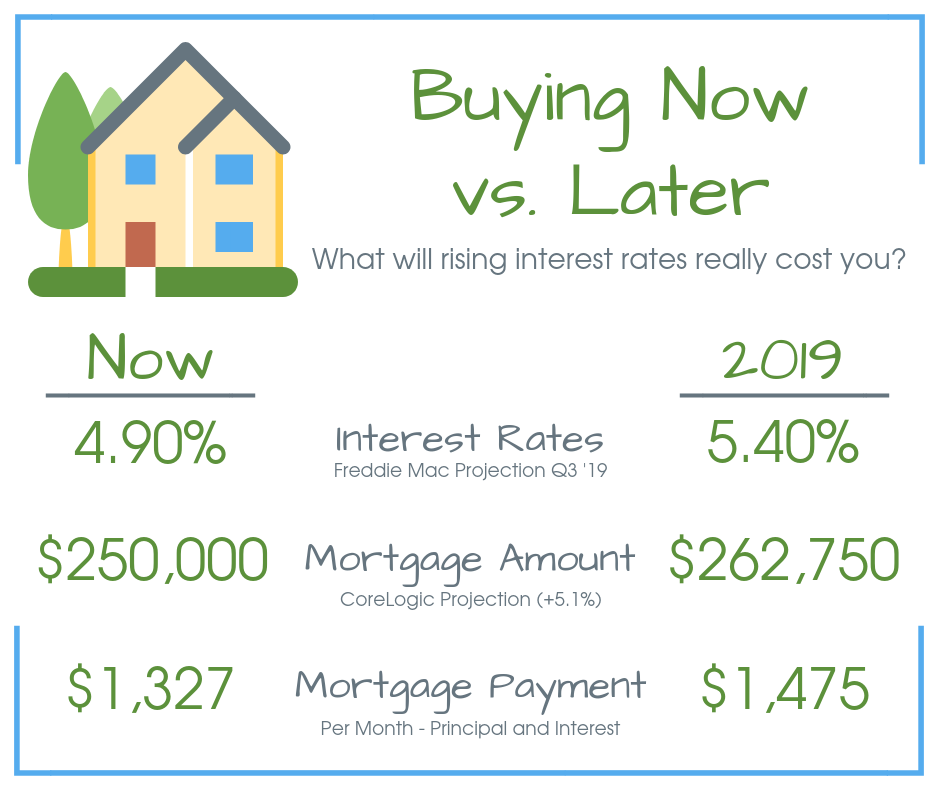
Even a seemingly small change in the interest rate can significantly alter your monthly mortgage payment. This is because interest is compounded over the life of the loan, and small percentage differences accumulate into substantial amounts.
Consider a hypothetical $400,000 mortgage:
- At a 6.0% interest rate, your principal and interest payment might be approximately $2,398 per month.
- If the rate increases to 6.5%, that payment jumps to roughly $2,528 per month.
- Conversely, if the rate drops to 5.5%, the payment could fall to around $2,271 per month.
This difference of just 0.5% to 1.0% in interest can mean a variance of over $100 to $200 in your monthly budget. Over 30 years, these monthly differences compound into tens of thousands of dollars. This direct correlation makes current interest rates a primary driver of how much house you can realistically afford.
Total Cost of Ownership
Beyond the monthly payment, interest rates dramatically affect the total cost of ownership over the entire loan term. The higher the interest rate, the more you pay back to the lender over 15, 20, or 30 years.
Using the $400,000 example:
- At 6.0%, you would pay approximately $463,280 in interest over 30 years, for a total payback of $863,280.
- At 6.5%, the total interest paid rises to roughly $510,135, bringing the total payback to $910,135.
- At 5.5%, the total interest is reduced to about $418,175, with a total payback of $818,175.
This illustrates that a mere 1% difference in the interest rate can result in over $45,000 in additional interest paid over three decades. This significant financial burden underscores why securing the lowest possible rate is not just about monthly affordability but also about minimizing your long-term financial outlay.
Qualifying for a Mortgage
Interest rates also play a crucial role in your ability to qualify for a mortgage in the first place. Lenders use a debt-to-income (DTI) ratio to assess your capacity to manage monthly payments. This ratio compares your total monthly debt payments (including the proposed mortgage) to your gross monthly income.
When interest rates are higher, your proposed monthly mortgage payment increases. This higher payment can push your DTI ratio beyond the lender’s acceptable limits (often 43-45%), even if your income and other debts remain constant. Consequently, a rise in interest rates can effectively shrink the loan amount you qualify for, limiting your purchasing power. For some borrowers, higher rates might even make qualifying for any mortgage a challenge, particularly those on the cusp of DTI limits. This effect is especially pronounced for first-time buyers or those with lower incomes, who might find themselves priced out of the market as rates climb.
Refinancing Considerations
For existing homeowners, current interest rates are a critical factor in determining the viability and benefit of refinancing.
- When is it beneficial to refinance? Generally, refinancing makes sense if you can secure a new interest rate that is significantly lower than your current one, leading to lower monthly payments or a substantial reduction in total interest paid. A common rule of thumb is to consider refinancing if you can lower your rate by at least 0.75% to 1.0%, though smaller reductions can still be beneficial if your loan balance is high or you plan to stay in the home for a long time.
- Cash-out refinancing vs. rate-and-term refinancing: Rate-and-term refinancing focuses solely on reducing your interest rate and/or adjusting your loan term. Cash-out refinancing, however, allows you to tap into your home equity by taking out a new, larger loan and receiving the difference in cash. The interest rate environment significantly influences the attractiveness of both. In a high-rate market, a cash-out refinance becomes more expensive, potentially offsetting the benefit of accessing equity.
Monitoring current rates and understanding their impact on your specific financial situation is therefore an ongoing task, both for new purchases and for optimizing existing home loans.
Strategies for Securing the Best Possible Rate
In a dynamic interest rate environment, simply accepting the first offer from a lender can be a costly mistake. Proactive strategies and meticulous preparation are key to securing the most favorable interest rate for your home loan.
Boosting Your Credit Score
Your credit score is arguably the single most important factor a lender considers when determining your interest rate. A higher FICO score signals lower risk to lenders, allowing them to offer you more attractive terms.
- Importance of FICO Score: Lenders typically reserve their lowest rates for borrowers with excellent credit scores, usually in the mid-700s and above. A difference of just 50 points can lead to a half-percentage point increase in your interest rate, which translates to thousands of dollars over the life of the loan.
- Tips for Improvement:
- Pay bills on time, every time: Payment history accounts for 35% of your FICO score. Late payments are detrimental.
- Reduce outstanding debt: Especially revolving credit like credit cards. Lowering your credit utilization ratio (the amount of credit you’re using versus your total available credit) can significantly boost your score.
- Avoid opening new credit accounts: Each new application can result in a hard inquiry, temporarily lowering your score. Limit new credit applications in the months leading up to a mortgage application.
- Check your credit report for errors: Review reports from all three major bureaus (Equifax, Experian, TransUnion) and dispute any inaccuracies.
Saving for a Larger Down Payment
The size of your down payment directly impacts your loan-to-value (LTV) ratio, which is another crucial factor for lenders. A lower LTV (meaning a higher down payment) reduces the lender’s risk and can lead to a better interest rate.
- Lower LTV, Better Rates: Putting down a larger percentage of the home’s purchase price signals financial stability and reduces the amount of money the lender needs to finance. For example, putting 20% down often results in a more favorable interest rate than a 5% down payment.
- Avoiding Private Mortgage Insurance (PMI): With a down payment of 20% or more on a conventional loan, you can typically avoid paying Private Mortgage Insurance (PMI). PMI is an additional monthly cost that protects the lender in case you default, and while it’s not an interest rate, avoiding it significantly lowers your overall monthly housing expense.
Shopping Around for Lenders
This is perhaps the most straightforward yet often overlooked strategy. Different lenders offer different rates and fees, even on the same day for the same borrower.
- Get Quotes from Multiple Lenders: Do not limit yourself to your current bank. Obtain quotes from a variety of sources:
- Large national banks: Often have competitive rates due to their scale.
- Local credit unions: May offer more personalized service and sometimes better rates for members.
- Online lenders: Can provide quick quotes and sometimes very competitive rates due to lower overhead.
- Mortgage brokers: Act as intermediaries, comparing offers from multiple lenders on your behalf to find the best deal.
- Leverage Competition: Once you have a few quotes, you can use them to negotiate. A lender might be willing to match or beat a competitor’s offer to earn your business. Aim to collect all quotes within a short window (e.g., 14-45 days, depending on the credit scoring model) to minimize the impact of multiple hard inquiries on your credit score, as these are typically grouped as a single inquiry for mortgage shopping purposes.
Understanding Discount Points
Discount points are a form of prepaid interest that you pay at closing to “buy down” your interest rate. One point typically costs 1% of the loan amount and can reduce your interest rate by a certain fraction (e.g., 0.125% to 0.25%).
- When it Makes Financial Sense: Paying points can be beneficial if you plan to stay in the home for a long time, as the savings on interest over the loan’s life will eventually outweigh the upfront cost of the points. Calculate your “break-even point” – how long it will take for the monthly savings to equal the cost of the points – to determine if it’s a worthwhile investment for your situation.
Locking in Your Rate
Once you’ve found a favorable rate, you’ll want to “lock” it. A rate lock guarantees that the interest rate offered to you will remain the same for a specified period (e.g., 30, 45, or 60 days), regardless of market fluctuations.
- When and Why to Lock: Lock your rate once your loan application is moving forward and you’re reasonably confident in your closing timeline, especially if you anticipate rates to rise. Locking provides certainty and protects you from market volatility.
- Lock-in Periods and Potential Fees: Be aware of the length of the lock-in period. Longer locks might come with a slightly higher rate or an additional fee, as they carry more risk for the lender. Discuss extension options and costs with your lender if delays are anticipated.
By combining these strategies, prospective homebuyers and those looking to refinance can significantly improve their chances of securing the best possible interest rate, leading to substantial savings and a more manageable financial future.
The Future Outlook for Mortgage Rates
Predicting the precise trajectory of mortgage interest rates is notoriously difficult, as they are influenced by a complex web of global and domestic economic forces. However, understanding the key drivers and expert consensus can provide valuable insights for financial planning.
Economic Projections and Fed Actions
The future direction of mortgage rates is inextricably linked to the broader economic outlook, particularly inflation, employment, and, most critically, the monetary policy decisions of the Federal Reserve.
- Inflation Concerns: If inflation remains stubbornly high or reaccelerates, the Federal Reserve is likely to maintain a hawkish stance, potentially continuing to raise the federal funds rate or keep it elevated for longer. This would generally translate to higher mortgage rates as lenders seek greater compensation for the eroding purchasing power of future repayments. Conversely, a sustained decline in inflation towards the Fed’s target could allow for an easing of monetary policy, potentially leading to lower rates.
- Federal Reserve’s Stance: The Fed’s “dot plot” (projections for future rate hikes/cuts by FOMC members) and public statements by its officials offer clues about future policy. Markets keenly watch for signs of shifts in the Fed’s approach, whether it’s moving towards easing (rate cuts) or tightening (rate hikes). Any anticipated move by the Fed usually gets priced into the bond market, and thus mortgage rates, well in advance.
- Economic Growth vs. Recession: A robust economy with strong GDP growth and low unemployment typically creates upward pressure on rates due to increased demand for credit and potential inflation. Conversely, signs of an impending recession or a significant economic slowdown often lead to a flight to safety in government bonds, which can push long-term yields and, consequently, mortgage rates lower.
Expert forecasts from major financial institutions (like Fannie Mae, Freddie Mac, the Mortgage Bankers Association, and various banks) often provide quarterly or annual outlooks for mortgage rates. While these are not guarantees, they synthesize a vast amount of economic data and offer a reasoned perspective on potential future trends.
Global Economic Influences
Mortgage rates in the U.S. are not solely determined by domestic factors; the global economic landscape also plays a significant role. International events can ripple through financial markets, impacting bond yields and, subsequently, mortgage rates.
- Global Instability: Geopolitical tensions, conflicts, or major economic crises in other parts of the world can trigger a “flight to safety,” where investors pull money out of riskier assets and pour it into perceived safe havens like U.S. Treasury bonds. This increased demand for Treasuries can drive down their yields, which often translates to lower mortgage rates in the U.S.
- Foreign Central Bank Policies: Actions by other major central banks (e.g., European Central Bank, Bank of Japan) can also indirectly influence U.S. rates. If foreign central banks embark on aggressive easing or tightening cycles, it can affect global capital flows and the relative attractiveness of U.S. assets, thereby influencing our bond market.
- Currency Fluctuations: The strength or weakness of the U.S. dollar relative to other currencies can impact inflation and trade, which in turn can influence the Fed’s policy decisions and overall interest rate environment.

Long-Term vs. Short-Term Views
In the short term (next 3-6 months), mortgage rates are highly susceptible to immediate economic data releases (e.g., inflation reports, jobs numbers) and shifts in market sentiment. This makes short-term predictions particularly volatile.
Over the long term (1-5 years), the general trend of interest rates will largely depend on structural economic forces such as demographic shifts, productivity growth, global savings rates, and long-term inflation expectations. While it’s generally accepted that the era of ultra-low rates seen in the decade after the 2008 financial crisis is likely over, whether rates stabilize at their current levels, trend moderately higher, or see significant declines will depend on the evolution of these fundamental economic factors. Most economists anticipate rates to remain sensitive to inflation, potentially stabilizing at a higher level than the historical average of the last decade, but still subject to cyclical movements driven by economic performance.
For individuals, the key takeaway is to remain adaptable. While waiting for “perfect” rates can be an endless and often fruitless endeavor, staying informed about economic projections and understanding the forces at play can help you time your entry into the housing market or refinancing decisions more effectively.
In conclusion, the interest rate for homes “right now” is not a fixed figure but a constantly evolving benchmark influenced by a confluence of economic indicators, central bank policies, and global market dynamics. For homebuyers and homeowners, this dynamism underscores the importance of staying informed, understanding different mortgage products, and proactively implementing strategies to secure the most favorable terms. From bolstering your credit score and increasing your down payment to diligently shopping for lenders and understanding the nuances of discount points, every step taken can contribute to significant long-term financial savings. While predicting the future of rates with certainty is impossible, a solid grasp of the factors driving them, coupled with professional financial advice, empowers you to navigate the complexities of the mortgage market and make informed decisions that align with your financial goals.
aViewFromTheCave is a participant in the Amazon Services LLC Associates Program, an affiliate advertising program designed to provide a means for sites to earn advertising fees by advertising and linking to Amazon.com. Amazon, the Amazon logo, AmazonSupply, and the AmazonSupply logo are trademarks of Amazon.com, Inc. or its affiliates. As an Amazon Associate we earn affiliate commissions from qualifying purchases.