
Securing a car loan is a significant financial decision that impacts your budget for years to come. At the heart of this decision lies the interest rate, a seemingly small percentage that can dramatically alter the total cost of your vehicle. Understanding what an interest rate is, how it’s determined, and how to secure the most favorable terms is crucial for any prospective car buyer. This comprehensive guide delves into the intricacies of car loan interest rates, equipping you with the knowledge to make an informed and financially sound choice.
Understanding Car Loan Interest Rates
The interest rate on a car loan is essentially the cost of borrowing money. When a lender provides you with funds to purchase a vehicle, they expect to be compensated for the risk they take and the service they provide. This compensation comes in the form of interest, which is calculated as a percentage of the principal loan amount. Over the life of the loan, you will repay the principal amount plus the accumulated interest.
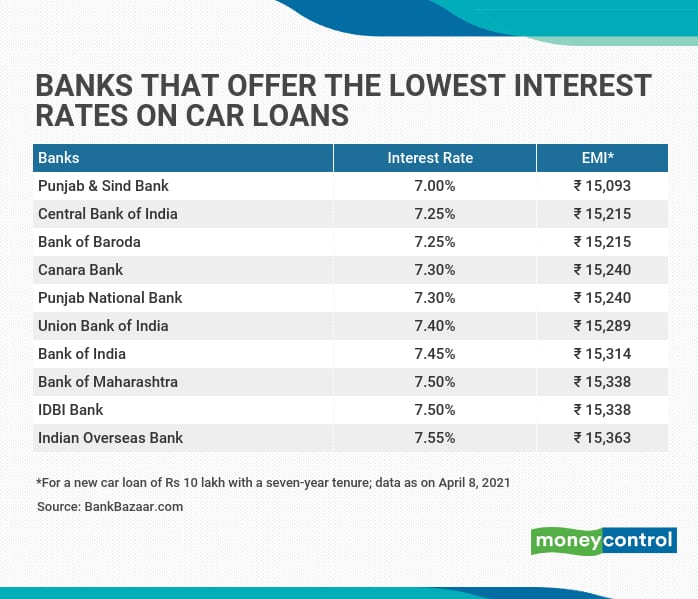
Defining Interest Rates and APR
While “interest rate” often refers to the basic percentage charged on the principal, it’s vital to differentiate this from the Annual Percentage Rate (APR). The APR is a more comprehensive measure of the total cost of borrowing, as it includes not only the nominal interest rate but also any additional fees associated with the loan, such as origination fees, processing fees, or discount points. For instance, a loan might have an interest rate of 5%, but with various fees factored in, its APR could be 5.5% or even higher. When comparing loan offers, always prioritize comparing the APR, as it provides a truer reflection of your total borrowing cost. A lower APR directly translates to less money paid over the life of the loan, making it the most critical metric to scrutinize.
Why Interest Rates Matter for Your Car Purchase
The interest rate is perhaps the single most impactful factor determining the overall affordability of your car loan. A seemingly small difference in percentage points can translate into hundreds or even thousands of dollars over the typical 5-7 year loan term. For example, on a $30,000 car loan over 60 months, a 4% interest rate might result in total interest paid around $3,150, while a 7% interest rate could see that figure jump to approximately $5,650. This $2,500 difference is substantial and directly affects your monthly payments and your long-term financial health. A higher interest rate means higher monthly payments and a greater portion of each payment going towards interest rather than reducing the principal balance. This can strain your budget, limit your ability to save, or impact other financial goals. Conversely, a lower interest rate frees up cash flow, reduces your total expenditure, and allows you to build equity in your vehicle faster.
Key Factors Influencing Car Loan Interest Rates
Car loan interest rates are not arbitrarily set; they are the product of a complex interplay of various factors. Both personal financial circumstances and broader economic conditions play a significant role in determining the rate you qualify for. Understanding these drivers empowers you to take proactive steps to secure the most competitive terms available.
Your Credit Score: The Primary Driver
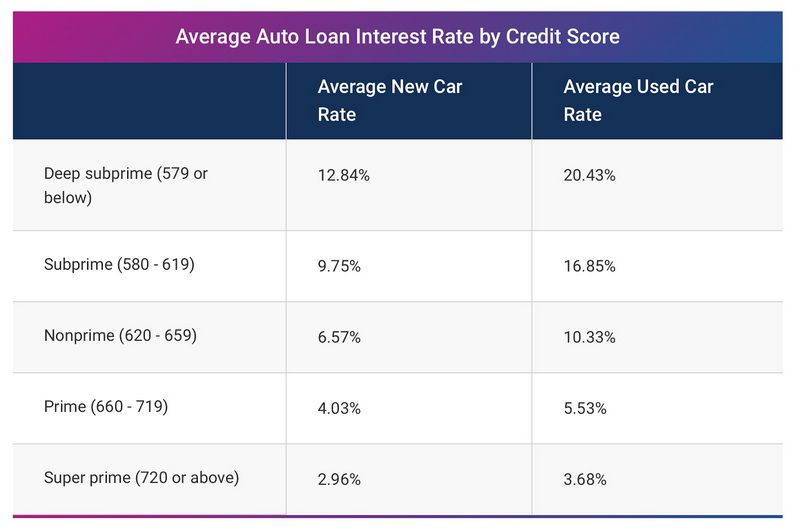
Without a doubt, your credit score is the most influential factor in determining the interest rate you’ll receive. Lenders use credit scores to assess your creditworthiness – your likelihood of repaying the loan as agreed. A higher credit score (typically above 700-720, with excellent scores being 760+) signals to lenders that you are a low-risk borrower, making them more willing to offer lower interest rates. Conversely, a lower credit score indicates a higher risk, prompting lenders to charge higher interest rates to compensate for that increased risk. Borrowers with poor credit might even face rejection or be offered rates that are prohibitively high, sometimes in the double digits. Before even stepping into a dealership or applying for a loan, it is prudent to check your credit score and review your credit report for any errors. Addressing inaccuracies or improving your score can have a profound impact on the rates you qualify for.
Loan Term and Vehicle Type
The length of your loan, known as the loan term, also significantly affects your interest rate. Generally, shorter loan terms (e.g., 36 or 48 months) tend to come with lower interest rates. This is because the lender’s risk exposure is reduced over a shorter period. While shorter terms lead to higher monthly payments, they result in less total interest paid. Longer loan terms (e.g., 72 or 84 months) often come with higher interest rates because the lender is taking on more risk over an extended period. Although longer terms mean lower monthly payments, they accrue significantly more interest over the life of the loan, substantially increasing your overall cost.
The type of vehicle you purchase—new versus used—also influences the interest rate. New car loans typically have lower interest rates than used car loans. This is because new cars generally hold their value better, presenting less risk for the lender in case of default. Used cars, especially older models, depreciate faster and can be seen as higher risk, leading to higher interest rates. The age and mileage of the used car can further impact the rate.
Down Payment and Debt-to-Income Ratio
Making a substantial down payment can significantly improve your interest rate. A larger down payment reduces the amount you need to borrow, thereby lowering the lender’s risk. It also demonstrates your financial commitment to the purchase. Lenders prefer borrowers who have equity in their vehicle from the start, as it makes them less likely to default. A down payment of 10-20% is generally recommended for new cars, and even more for used cars, to secure better rates and mitigate depreciation.
Your debt-to-income (DTI) ratio is another critical factor. This ratio compares your total monthly debt payments to your gross monthly income. Lenders use it to assess your ability to take on additional debt. A lower DTI ratio indicates that you have more disposable income to cover your loan payments, making you a more attractive borrower and potentially qualifying you for lower interest rates. A DTI ratio below 36% is often considered ideal, though some lenders may approve loans for those with slightly higher ratios depending on other financial strengths.
Lender Type and Market Conditions
Different types of lenders offer varying interest rates. Banks, credit unions, and online lenders all compete for your business, and their rates can differ significantly. Credit unions, for instance, are member-owned non-profits and often offer some of the most competitive rates. Dealership financing, while convenient, might sometimes have higher rates, although they can also offer promotional rates (often subsidized by the manufacturer) that are very attractive for qualified buyers. It’s always wise to compare offers from multiple lender types before committing.
Furthermore, broader economic conditions, particularly the federal funds rate set by the central bank, play a substantial role. When the central bank raises its benchmark rate, the cost of borrowing for financial institutions increases, which typically translates to higher interest rates for consumers on various loans, including car loans. Conversely, when rates are lowered to stimulate the economy, consumer loan rates tend to follow suit. Inflation, economic stability, and employment rates also indirectly influence market interest rates, creating a dynamic environment that fluctuates over time.
Strategies for Securing the Best Car Loan Rates
Armed with an understanding of what drives interest rates, you can proactively implement strategies to position yourself for the most favorable loan terms. A little preparation and diligent effort can translate into significant savings over the life of your car loan.
Check Your Credit Score and Report
Before you even start shopping for a car, check your credit score from all three major credit bureaus (Experian, Equifax, TransUnion). You are entitled to a free credit report from each bureau once every 12 months via AnnualCreditReport.com. Scrutinize these reports for any errors, inaccuracies, or signs of identity theft. Disputing and correcting errors can potentially boost your score. If your score is lower than you’d like, dedicate time to improving it by paying bills on time, reducing outstanding debt, and avoiding new credit applications. Even a few points increase can shift you into a better rate tier.
Get Pre-Approved from Multiple Lenders
One of the most powerful strategies is to get pre-approved for a loan before you visit the dealership. Apply with several different lenders – including your bank, credit union, and online lenders. Pre-approval involves a hard inquiry on your credit, but multiple inquiries for the same type of loan within a short period (typically 14-45 days, depending on the scoring model) are usually treated as a single inquiry, minimizing the impact on your credit score. Pre-approval gives you a firm offer of a loan, including the interest rate, loan term, and maximum amount you can borrow. This empowers you with leverage at the dealership, allowing you to negotiate knowing your external financing option. If the dealer can’t beat or match your pre-approved rate, you can simply use your external loan.
Consider a Shorter Loan Term (If Affordable)
While lower monthly payments offered by longer loan terms might seem appealing, remember that they almost always come with higher interest rates and significantly more total interest paid. If your budget allows, opt for the shortest loan term you can comfortably afford. A 36-month or 48-month loan, while resulting in higher monthly payments, will save you a substantial amount in interest over the long run and help you pay off your vehicle faster. Use online car loan calculators to compare different terms and understand the impact on both your monthly payment and total interest.
Make a Substantial Down Payment
As discussed, a larger down payment reduces the principal amount you need to finance and signals lower risk to lenders. Aim for at least 10% for new cars and 20% or more for used cars. If you can put down 20% or more, you might even avoid being “upside down” on your loan (owing more than the car is worth) early in the loan term, which is a common issue due to rapid depreciation. A significant down payment not only lowers your interest rate but also reduces your monthly payments and the total amount of interest you’ll pay over time.
The Application Process and What to Expect
Once you’ve done your homework and chosen a vehicle, navigating the application and approval process effectively is the next step to securing your car loan. Being prepared and understanding what to expect can make the experience smoother and more transparent.
Gathering Necessary Documentation
Regardless of whether you’re applying directly with a bank or through a dealership, lenders will require specific documents to process your application. Typically, this includes proof of identity (driver’s license, social security number), proof of income (pay stubs, tax returns if self-employed), proof of residency (utility bill, lease agreement), and information about the vehicle you intend to purchase (VIN, mileage, sale price). Having these documents organized and readily available will expedite the application process and demonstrate your preparedness, reinforcing your image as a responsible borrower.
Understanding Loan Offers and Fine Print
When you receive loan offers, don’t just look at the monthly payment. Dive into the details:
- APR vs. Interest Rate: As mentioned, always compare APRs.
- Loan Term: Confirm the number of months.
- Total Cost of Loan: Calculate the total amount you’ll pay back (principal + interest).
- Prepayment Penalties: Check if there are any fees for paying off the loan early. Reputable lenders typically do not charge these for auto loans, but it’s crucial to confirm.
- Late Fees: Understand the penalties for missed or late payments.
- Additional Products: Be wary of optional add-ons like extended warranties, GAP insurance (Guaranteed Asset Protection), or service contracts that can inflate your loan amount and total cost. While some might be beneficial, ensure you understand their value and cost before agreeing.
Read all loan documents carefully before signing. If you have any questions, ask for clarification. Don’t feel pressured to sign anything you don’t fully understand.
Negotiating Beyond the Sticker Price
Your negotiation power extends beyond the car’s sticker price. With a pre-approved loan in hand, you have a strong position to negotiate the financing terms with the dealership. Present your pre-approval offer and challenge the dealership’s finance department to beat it. They often have access to various lenders and might be able to find an even better rate, especially for qualified buyers. Even if they can only match it, you’ve confirmed you’re getting a competitive rate. Remember, negotiating on the car price and the financing independently is often the most effective strategy. First, agree on the car’s price, and then discuss financing options. This prevents the dealer from shifting costs between the vehicle price and the interest rate.
The Long-Term Impact of Your Car Loan Choice
The decisions you make regarding your car loan interest rate and terms have ripple effects that extend far beyond the initial purchase. Understanding these long-term implications is key to managing your financial health effectively.
Calculating Your Total Cost of Ownership
When evaluating a car purchase, it’s essential to consider the total cost of ownership, which goes beyond the vehicle’s price and your monthly loan payment. This includes interest paid, insurance, maintenance, fuel, and depreciation. The interest rate plays a significant role in this calculation. A lower interest rate reduces your overall loan expenditure, freeing up funds for other aspects of vehicle ownership or for saving and investing. Conversely, a high interest rate inflates your total cost, potentially making the car less affordable over its lifespan, even if the monthly payments seem manageable. Use online calculators to project your total interest paid under various scenarios and understand the true cost of borrowing.
Refinancing Options
Life circumstances change, and so do market interest rates. If you initially secured a car loan with a high interest rate, either due to poor credit at the time or less favorable market conditions, you may have the option to refinance. Refinancing involves taking out a new loan to pay off your existing car loan, ideally with a lower interest rate or more favorable terms. This can reduce your monthly payments, decrease the total interest paid, or shorten your loan term. Common reasons to refinance include:
- Improved Credit Score: If your credit score has significantly improved since you took out the original loan.
- Lower Market Rates: If general interest rates have dropped.
- Changing Financial Situation: Needing to lower monthly payments or free up cash flow.
It’s wise to explore refinancing options if you meet these criteria, as even a percentage point or two reduction in your interest rate can result in substantial savings.

The Importance of Responsible Borrowing
A car loan is a serious financial commitment. Responsible borrowing means taking on debt that you can comfortably afford, understanding all the terms, and making payments on time. Defaulting on a car loan can have severe consequences, including vehicle repossession, a significant negative impact on your credit score, and potential legal action. Conversely, managing your car loan responsibly—making timely payments and keeping your credit in good standing—can strengthen your credit profile, making it easier and cheaper to obtain future loans (for a home, education, or other major purchases) at favorable rates. Your car loan is not just a means to acquire a vehicle; it’s an opportunity to demonstrate financial discipline and build a positive credit history, contributing to your overall financial well-being.
In conclusion, the interest rate for car loans is a multifaceted element influenced by personal financial health, vehicle characteristics, and broader economic conditions. By understanding these dynamics and proactively implementing strategies to secure the best possible rate, you empower yourself to make a wise financial decision that optimizes your budget and supports your long-term financial goals. Approaching your car purchase with knowledge and preparation will undoubtedly lead to a more affordable and satisfying ownership experience.
aViewFromTheCave is a participant in the Amazon Services LLC Associates Program, an affiliate advertising program designed to provide a means for sites to earn advertising fees by advertising and linking to Amazon.com. Amazon, the Amazon logo, AmazonSupply, and the AmazonSupply logo are trademarks of Amazon.com, Inc. or its affiliates. As an Amazon Associate we earn affiliate commissions from qualifying purchases.