
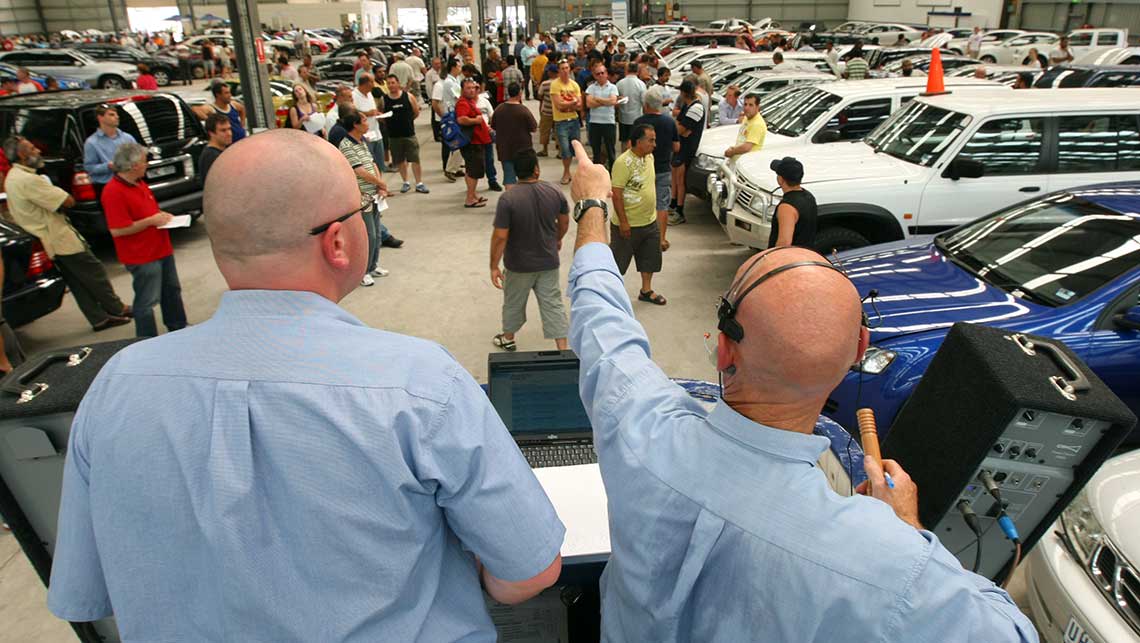
Buying a car can be a significant financial decision, and for many, the traditional dealership route offers convenience but often at a premium. Car auctions, on the other hand, present a compelling alternative for individuals and businesses looking to acquire vehicles at potentially lower prices. However, successfully navigating the auction landscape requires careful financial planning, diligent research, and a clear understanding of the unique risks and rewards involved. This guide delves into the strategic financial considerations for purchasing cars at auctions, focusing on how to maximize value and minimize monetary pitfalls.
Understanding the Auction Landscape: Financial Opportunities and Risks
Car auctions are diverse, ranging from public sales open to anyone to dealer-only events and government fleet liquidations. Each type presents a different set of financial implications and opportunities. Grasping these distinctions is the first step toward a financially astute purchase.

Types of Car Auctions and Their Financial Nuances
- Public Auctions: These are open to the general public and are often the most accessible entry point. While competitive, they can offer good deals, particularly on older models or vehicles with minor cosmetic issues. The financial risk is often moderate, as you’re competing against other private buyers.
- Dealer Auctions: Exclusively for licensed car dealers, these often feature a wider selection of higher-quality, front-line ready vehicles. Accessing these typically requires working with a dealer who can bid on your behalf, which introduces an additional fee and impacts your final cost. The financial advantage here is access to better inventory, but with an added brokerage cost.
- Government and Fleet Auctions: These auctions liquidate vehicles from municipalities, state agencies, or large corporations. Cars are often well-maintained due to strict service schedules but can have high mileage. The financial benefit lies in potentially acquiring reliable vehicles at a fraction of their market value. Buyers should budget for potential reconditioning costs.
- Salvage Auctions: Specializing in vehicles with accident damage, flood damage, or theft recovery, these auctions offer the lowest entry prices. However, the financial risk is substantial. Buyers must factor in extensive repair costs, which can quickly negate any initial savings, and understand the implications of a “salvage” title on future resale value and insurance.
- Online Auctions: Many physical auctions now have online bidding platforms, and some platforms are exclusively online. These offer convenience but require extra vigilance regarding vehicle condition, as physical inspection might not be possible. Financial prudence dictates relying heavily on detailed descriptions, photos, and third-party inspection reports.
Who Should Consider Auctions and Why
Car auctions are particularly attractive to financially savvy individuals, small businesses, and investors for several reasons:
- Budget-Conscious Buyers: Those looking to stretch their car-buying budget and acquire a vehicle for less than retail value. The potential savings can be significant, freeing up capital for other investments or necessities.
- Specific Model Seekers: Individuals searching for discontinued models or niche vehicles that might be harder to find through traditional channels. Auctions can be a treasure trove for unique finds at competitive prices.
- Auto Flippers/Investors: Entrepreneurs who buy vehicles at auction with the intent to recondition and resell them for a profit. This strategy demands deep market knowledge, mechanical expertise, and a robust financial model to account for all costs.
- Repair-Savvy Individuals: Those with mechanical skills or access to affordable repair services can benefit by purchasing vehicles requiring minor repairs at a discount, then restoring them to increase their value.
The core financial opportunity in auctions is the potential to purchase below market value. However, this is always balanced by the risk of hidden defects, unforeseen repair costs, and various fees that can quickly erode any perceived savings.
Pre-Auction Financial Due Diligence: Research and Budgeting
Success at a car auction isn’t about bidding highest; it’s about bidding smartest. This means meticulous financial preparation before the auction even begins. Without a robust pre-auction strategy, potential savings can quickly transform into financial liabilities.
Researching Vehicle Values and Market Trends
Before attending an auction, thoroughly research the market value of the vehicles you are interested in. This foundational step prevents overpaying and ensures you understand the true value proposition.
- Utilize Valuation Tools: Consult resources like Kelley Blue Book (KBB), NADAguides, Edmunds, and local dealership listings. Compare private party sale prices with retail prices to understand the potential profit margin or savings.
- Track Auction Results: Some online auction platforms provide historical sales data. Analyzing past sales of similar vehicles at the same auction house can give you a realistic idea of what prices to expect.
- Assess Depreciation: Understand how specific makes and models depreciate. A car that holds its value well might command a higher auction price but also represents a more stable investment.
- Identify Red Flags: If a vehicle’s auction price seems unusually low compared to its market value, investigate why. There might be significant underlying issues that will incur substantial repair costs.
Setting a Strict All-Inclusive Budget
This is perhaps the most critical financial step. An auction budget must account for far more than just the winning bid price. Failing to do so can lead to significant financial strain.
- Maximum Bid Price: This is your absolute ceiling for the vehicle itself. Stick to it rigorously, regardless of the heat of the moment during bidding.
- Buyer’s Fees/Premium: Most auctions charge a buyer’s premium, which is a percentage of the winning bid, typically ranging from 5% to 15%. Factor this into your total cost.
- Auction Fees: Other potential fees include registration fees, gate fees, document fees, and internet bidding fees.
- Sales Tax, Title, and Registration: These government-mandated costs vary by state and are non-negotiable.
- Transportation Costs: Unless you plan to drive the car home immediately (which might not be advisable without a full inspection and insurance), budget for towing or transport services.
- Inspection and Background Checks: Costs for VIN reports (e.g., CarFax, AutoCheck) and, if permitted, pre-purchase inspections by a mechanic.
- Contingency Fund for Repairs: This is crucial. Even seemingly perfect auction vehicles can have hidden issues. Allocate a significant buffer (e.g., 10-20% of the vehicle’s value) for unexpected repairs, maintenance, and reconditioning. This fund acts as financial insurance.
- Insurance Costs: Research potential insurance premiums for the specific vehicle, especially if it has a salvage title, as this can be higher or harder to obtain.
Your “all-in” budget should be a single, firm number that includes every conceivable cost associated with acquiring and readying the car.
Pre-Purchase Inspection and Background Checks
While not strictly financial costs, these steps are vital for protecting your financial investment.
- VIN Report: Always run a Vehicle Identification Number (VIN) check. These reports reveal crucial financial history, including past accidents, salvage titles, flood damage, odometer tampering, lien information, and service records. A clear title is paramount to avoid future legal and financial headaches.
- Physical Inspection (If Possible): This is ideal. Look for signs of major collision repair, fluid leaks, tire wear, interior condition, and listen for engine noises. If allowed, bring a trusted mechanic. A quick visual inspection can save thousands in potential repair costs down the line.
- Due Diligence on the Auction House: Research the auction house’s reputation, terms and conditions, and any guarantees (or lack thereof). Understand their return policy, if any, which is rare for auction sales.

Navigating the Auction Process: Smart Bidding and Financial Commitments
The auction floor can be a high-pressure environment where emotions can easily override financial logic. A disciplined approach to bidding and a clear understanding of immediate post-auction financial obligations are paramount.
Registration, Deposits, and Payment Methods
Before you can bid, you’ll need to register with the auction house.
- Registration: This usually involves providing identification and agreeing to the auction’s terms and conditions. Read these carefully, especially concerning payment, “as-is” clauses, and vehicle removal deadlines.
- Deposits: Many auctions require a refundable deposit (cash or credit card hold) before you can bid. This ensures serious bidders and covers potential default. Understand when and how this deposit is returned if you don’t win a bid.
- Payment Methods: Most auctions require full payment within a very short timeframe (e.g., 24-72 hours) after the sale, typically via cashier’s check, wire transfer, or sometimes credit card (which may incur an additional fee). Ensure you have access to these funds immediately. Failure to pay can result in forfeiture of your deposit and potential banning from future auctions.
Bidding Strategies: Staying Within Your Financial Limits
The thrill of the auction can lead to impulse decisions. Stick to your pre-determined maximum budget.
- Know Your Limit and Stick To It: This cannot be overstressed. Once you’ve set your “all-in” budget, deduct all estimated fees, repairs, and taxes to determine your absolute maximum bid price. Do not exceed this.
- Observe and Learn: Attend an auction or two without bidding to familiarize yourself with the pace, the bidding increments, and the typical behavior of buyers.
- Avoid Emotional Bidding: It’s easy to get caught up in the competitive spirit. Remind yourself that there will always be another car. If the bidding goes beyond your financial comfort zone, let it go.
- Strategic Bidding: Some prefer to place a strong bid early to deter others, while others wait until the last possible moment. There’s no single best strategy, but consistency with your budget is key. If you’re near your limit, consider placing an increment that represents your absolute final bid.
- “As-Is, Where-Is”: Most auction sales are “as-is, where-is,” meaning there are no warranties or guarantees about the vehicle’s condition. All financial risk after the hammer falls is yours.
Post-Auction Financial Obligations
Winning a bid triggers immediate financial responsibilities.
- Immediate Payment: As mentioned, be prepared to pay the full amount (bid price + buyer’s premium + other fees) promptly.
- Storage Fees: If you cannot remove the vehicle within the specified grace period, storage fees will begin to accrue, eating into your savings.
- Transportation: Arrange for transport as soon as possible. Factor this cost into your budget if you didn’t drive the car away.
- Title Transfer and Registration: Promptly handle the legal transfer of ownership and registration to avoid penalties and ensure you can legally operate the vehicle.
Financial Implications and Post-Purchase Considerations
The financial journey doesn’t end when you drive the car off the lot. Smart money management extends to the costs of ownership and potential future value.
Hidden Costs and Unexpected Repairs
Even with diligent pre-auction checks, some issues only become apparent after purchase. This is where your contingency fund proves invaluable.
- Budget for the Unknown: Assume that any auction car, especially older or higher-mileage ones, will require some level of immediate maintenance or repair. This could range from new tires, brakes, fluids, or more significant engine or transmission issues.
- Diagnostic Checks: After purchase, take the vehicle to a trusted mechanic for a full diagnostic check. This proactive step can identify potential problems before they become critical and more expensive.
- Resale Value Impact of Title Issues: If you purchased a car with a salvage, flood, or rebuilt title, be aware that its resale value will be significantly lower than a clean-title vehicle, and obtaining insurance may be more challenging or expensive.
Financing Auction Purchases
Most auction purchases are cash-based, reflecting the quick payment requirements.
- Cash is King: Having cash or readily available funds from a checking/savings account is the easiest way to manage auction payments.
- Personal Loans: If you don’t have sufficient cash, a personal loan from a bank or credit union might be an option. However, secure pre-approval before the auction, as the turnaround time for auction payments is too short for typical loan processing.
- Specialized Lenders: Some lenders specialize in financing auction purchases, but they often come with higher interest rates and stricter terms. Research these options carefully and understand the total cost of borrowing.
- Avoid Dealer Financing for Auction Buys: Traditional auto loans from dealerships usually don’t apply to auction purchases directly by consumers.
Resale Value and Investment Potential
For those viewing an auction purchase as an investment or looking to minimize future depreciation, consider the long-term financial picture.
- Market Demand: Is the vehicle you purchased in high demand, making it easier to resell?
- Condition and Maintenance: Well-maintained vehicles, even if initially purchased at auction, will always command a better price on the secondary market. Document all repairs and maintenance.
- Title Status: A clean title is always preferable for resale. Salvage titles significantly impact future value.
- Timing: Economic conditions and seasonality can affect used car prices. Selling at the right time can maximize your return.
Buying cars at auction can be a financially rewarding endeavor, offering access to vehicles at competitive prices. However, it is a realm where financial prudence, rigorous preparation, and disciplined decision-making are paramount. By understanding the auction landscape, conducting thorough financial due diligence, employing smart bidding strategies, and meticulously managing post-purchase obligations, buyers can transform potential savings into tangible financial gains, rather than unexpected losses.
aViewFromTheCave is a participant in the Amazon Services LLC Associates Program, an affiliate advertising program designed to provide a means for sites to earn advertising fees by advertising and linking to Amazon.com. Amazon, the Amazon logo, AmazonSupply, and the AmazonSupply logo are trademarks of Amazon.com, Inc. or its affiliates. As an Amazon Associate we earn affiliate commissions from qualifying purchases.