
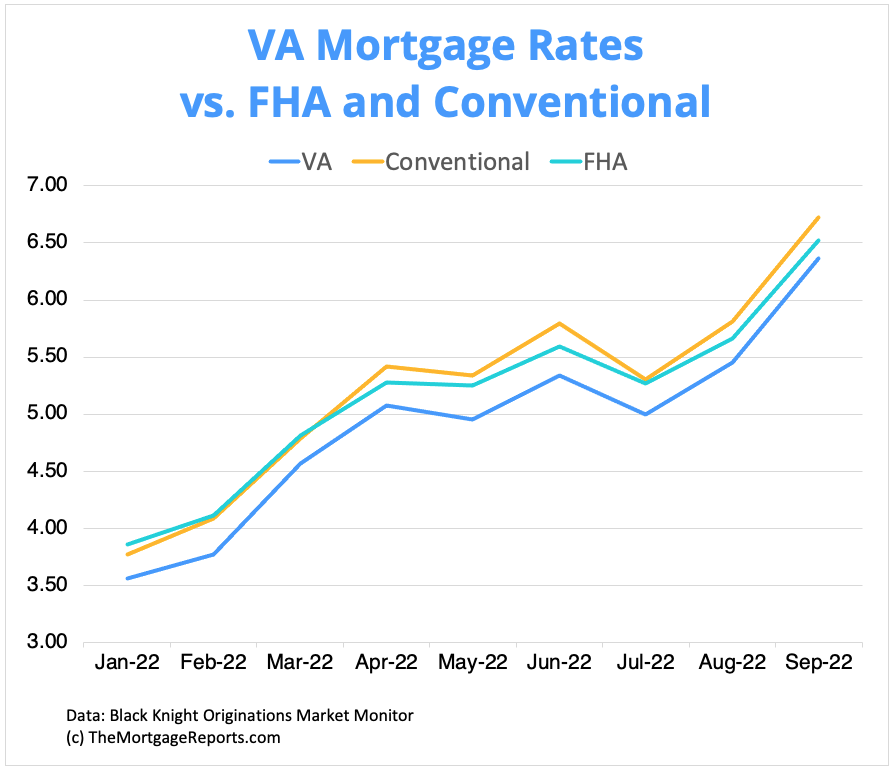
Navigating the landscape of homeownership is a complex financial journey, particularly for those who have served in the United States Armed Forces. One of the most significant advantages available to veterans, active-duty service members, and eligible surviving spouses is the VA home loan program. Central to this program’s appeal is the interest rate. Unlike conventional loans, VA loan interest rates are consistently among the lowest in the market, often hovering significantly below the national average for standard 30-year fixed-rate mortgages.
However, understanding what the interest rate is for a VA home loan requires looking beyond a single percentage. These rates are not fixed by the government; rather, they are determined by a confluence of market forces, lender policies, and individual financial profiles. For the veteran investor or the first-time military homebuyer, mastering the mechanics of these rates is essential for long-term wealth building and financial stability.
The Fundamental Structure of VA Loan Interest Rates
To understand the current interest rate for a VA home loan, one must first understand that the Department of Veterans Affairs does not actually lend the money. Instead, the VA provides a guarantee to private lenders—banks, credit unions, and mortgage companies—promising to cover a portion of the loss should the borrower default. This guarantee reduces the risk for the lender, which in turn allows them to offer more competitive interest rates.
Market Drivers and Mortgage-Backed Securities
VA loan rates are primarily influenced by the performance of the bond market, specifically Mortgage-Backed Securities (MBS). When investors have high confidence in the economy, bond yields may rise, leading to higher mortgage rates. Conversely, in times of economic uncertainty, investors often flock to the safety of government-backed securities, which can drive rates down. Because VA loans are perceived as lower-risk due to the federal guarantee, they are highly attractive in the secondary market, allowing lenders to keep rates lower than those of conventional loans which lack such robust backing.
The Role of the Federal Reserve
While the Federal Reserve does not set mortgage rates directly, its monetary policy significantly impacts the environment in which VA rates are determined. When the Fed raises the federal funds rate to combat inflation, the cost of borrowing increases across the board. Lenders adjust their VA loan offerings accordingly to maintain profit margins. Consequently, tracking the Fed’s signals on inflation and employment is a key strategy for any veteran looking to time their home purchase or refinance.
Competitive Pricing Among Lenders
Because the VA does not set the rates, there is a healthy level of competition among private institutions. Each lender has its own “overhead” and profit targets. This means that on any given day, the interest rate for a VA home loan can vary by as much as 0.25% to 0.5% between different banks. For a $400,000 mortgage, even a quarter-point difference can result in tens of thousands of dollars in savings over the life of the loan.
Personal Financial Variables Affecting Your Rate
While market conditions set the baseline, your personal financial health determines where your specific rate lands within the current range. Lenders use a process called risk-based pricing to determine the exact interest rate offered to a borrower.
Credit Score and Financial History
While the VA itself does not mandate a minimum credit score, most lenders impose their own “overlays.” Generally, a higher credit score correlates with a lower interest rate. Borrowers with scores in the 740+ range typically receive the most aggressive pricing. However, one of the greatest strengths of the VA program is its flexibility; veterans with lower credit scores can still qualify for rates that would be unavailable to them in the conventional market.
The Debt-to-Income (DTI) Ratio
Lenders analyze your Debt-to-Income ratio to ensure you have sufficient residual income to cover the mortgage and other living expenses. A high DTI might not disqualify you from a VA loan, but it could lead a lender to perceive higher risk, potentially resulting in a slight premium on the interest rate. Managing revolving debt and closing out high-interest credit lines before applying can help in securing the most favorable rate.
Loan Term and Type
The duration and structure of the loan significantly impact the interest rate.
-
30-Year Fixed: The most common choice, offering stability and lower monthly payments, though usually at a slightly higher rate than shorter-term loans.
-
15-Year Fixed: These typically carry much lower interest rates than 30-year options, allowing the borrower to build equity rapidly and save significantly on total interest paid.
-
Adjustable-Rate Mortgages (ARMs): These may offer a lower “teaser” rate for an initial period (e.g., 5 years), after which the rate adjusts based on market indices. While risky in a rising-rate environment, they can be useful for those who plan to move or refinance before the adjustment period begins.
Comparing VA Rates to Conventional and FHA Options
When evaluating the interest rate for a VA home loan, it is helpful to compare it against other common financing vehicles. This comparison highlights why the VA loan remains a premier financial tool for the military community.
The VA vs. Conventional Spread
Historically, VA loan interest rates average 0.25% to 0.40% lower than conventional 30-year fixed-rate mortgages. While this may seem small, the financial implications are compounded by the absence of Private Mortgage Insurance (PMI). On a conventional loan with less than 20% down, the borrower must pay PMI monthly, effectively increasing their “real” interest rate. Since VA loans require no PMI, the effective annual percentage rate (APR) is almost always lower than a conventional counterpart.
VA vs. FHA Rates
FHA loans also offer government-backed security and competitive rates, often similar to VA rates. However, FHA loans require an upfront Mortgage Insurance Premium (MIP) and an ongoing monthly MIP that typically lasts for the life of the loan. When the total cost of borrowing is calculated—interest rate plus insurance premiums—the VA loan consistently emerges as the more cost-effective option for those who are eligible.
The Impact of Zero Down Payment
The most unique feature of the VA loan is the ability to secure these low interest rates with 0% down. In the conventional market, a $0 down payment is generally impossible, and even a 3.5% or 5% down payment usually results in a higher interest rate to compensate the lender for the increased risk. The VA program effectively decouples the interest rate from the down payment amount, providing veterans with high-leverage financing at low-leverage costs.
Managing Costs: The VA Funding Fee and Discount Points
To fully grasp the financial picture of a VA loan, one must consider the costs that interact with the interest rate. These factors can be used strategically to lower the long-term cost of debt.
The VA Funding Fee
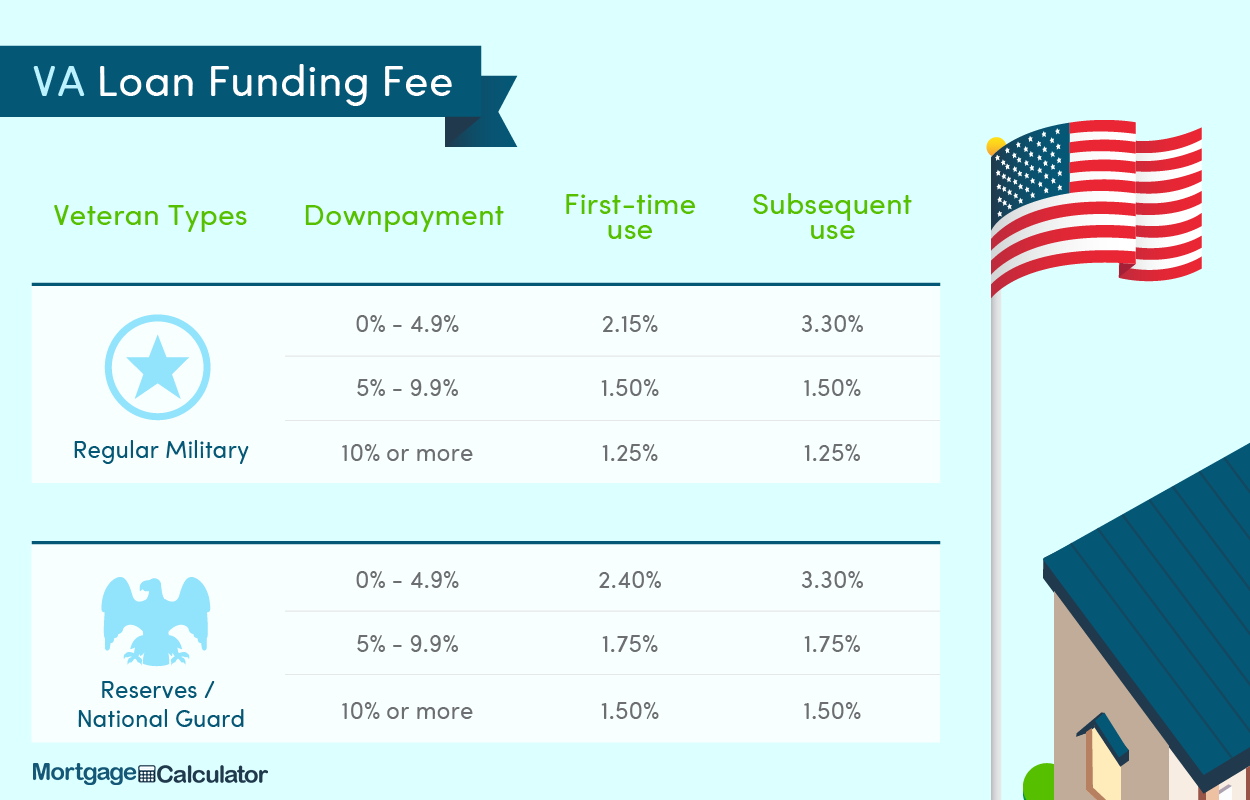
The VA Funding Fee is a one-time payment made to the Department of Veterans Affairs to help sustain the program. The fee amount depends on the type of service, the down payment amount, and whether it is the first time the borrower is using the benefit. While this fee does not change the interest rate itself, most veterans choose to roll the fee into the loan balance. It is important to note that veterans with service-connected disabilities are often exempt from this fee, further enhancing the financial advantage of the loan.
Utilizing Discount Points
Borrowers have the option to “buy down” their interest rate by paying discount points at closing. One point typically costs 1% of the loan amount and reduces the interest rate by approximately 0.25%.
- Is it worth it? This is a mathematical calculation based on the “break-even point.” If paying $4,000 in points saves you $100 a month on your mortgage payment, the break-even point is 40 months. If you plan to stay in the home longer than 40 months, paying for points to secure a lower interest rate is a sound financial investment.
Lender Credits
The inverse of discount points is the lender credit. A borrower can choose to accept a slightly higher interest rate in exchange for the lender covering a portion of the closing costs. This is a common strategy for buyers who want to minimize their “cash to close,” though it results in a higher interest rate and a higher total cost over the life of the loan.
Future-Proofing Your Mortgage: Refinancing and Market Timing
Securing a VA home loan is not a one-time event; it is the beginning of a long-term financial strategy. The VA offers unique paths to lower your interest rate even after you have purchased the home.
The Interest Rate Reduction Refinance Loan (IRRRL)
Often called a “VA Streamline Refinance,” the IRRRL is one of the most powerful tools in personal finance. If market interest rates drop, veterans can refinance their existing VA loan into a new one with a lower rate with minimal paperwork, no new appraisal, and often no out-of-pocket costs. This allows veterans to stay agile, capturing market lows to reduce their monthly overhead and increase their disposable income.
Cash-Out Refinancing
For veterans who have built significant equity in their homes, the VA Cash-Out Refinance allows them to replace their current mortgage with a new one, potentially at a lower rate, while taking out cash for debt consolidation, home improvements, or other investments. Unlike conventional cash-out loans, which often limit the loan-to-value (LTV) ratio to 80%, VA guidelines allow for much higher LTV ratios, often up to 100% of the home’s value.
Strategic Timing in a Volatile Economy
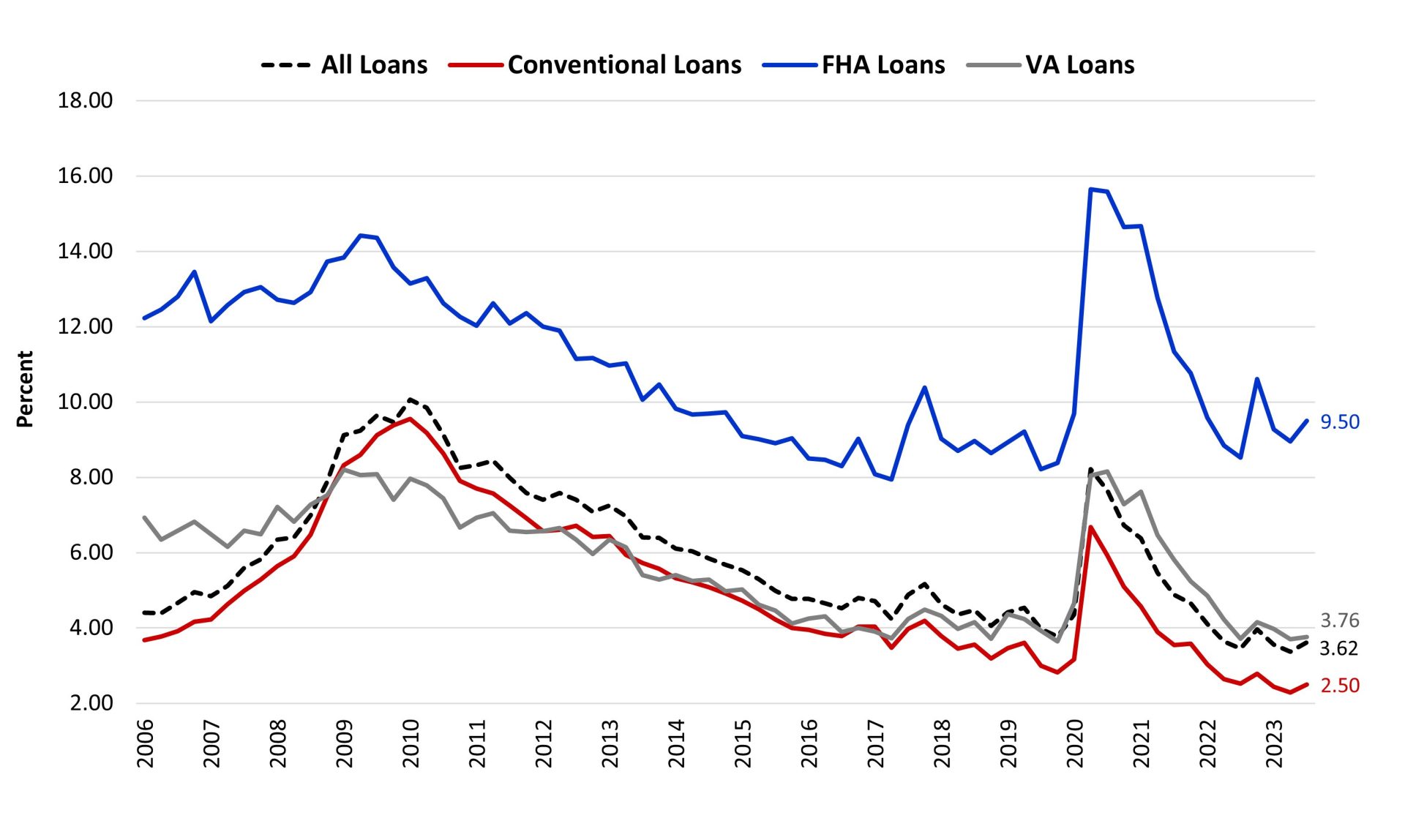
The interest rate for a VA home loan is a moving target. In periods of high inflation, rates may rise, but the VA loan’s relative advantage over conventional products usually remains. For the savvy borrower, the goal is not necessarily to find the lowest rate in history, but the lowest rate available in the current cycle. By maintaining a strong credit profile and shopping multiple VA-approved lenders, veterans can ensure they are accessing the full value of the benefit they earned through their service.
In conclusion, the interest rate for a VA home loan is a dynamic figure influenced by global economics and personal financial choices. By understanding the underlying mechanics—from MBS performance to the strategic use of discount points—veterans can leverage this program to secure some of the most favorable financing terms available in the modern real estate market. This is more than just a mortgage; it is a foundational element of a robust financial future.
aViewFromTheCave is a participant in the Amazon Services LLC Associates Program, an affiliate advertising program designed to provide a means for sites to earn advertising fees by advertising and linking to Amazon.com. Amazon, the Amazon logo, AmazonSupply, and the AmazonSupply logo are trademarks of Amazon.com, Inc. or its affiliates. As an Amazon Associate we earn affiliate commissions from qualifying purchases.