
The interest rate for a mortgage is one of the most critical factors influencing the cost of homeownership. It represents the percentage charged by a lender for the money you borrow to purchase a home, expressed as an annual percentage of the outstanding loan balance. More than just a number, this rate dictates a significant portion of your monthly mortgage payment and, crucially, the total amount of money you will repay over the lifetime of your loan. Understanding what goes into determining this rate, how it fluctuates, and what you can do to secure a favorable one is paramount for any prospective homeowner. It’s a dynamic figure, influenced by a complex interplay of global economic forces, national monetary policy, lender-specific variables, and your individual financial profile. For most people, a mortgage represents the largest financial commitment of their lives, making a thorough comprehension of interest rates not just helpful, but essential for making informed decisions and achieving long-term financial stability.
Decoding Mortgage Interest Rates: The Basics
To truly grasp the implications of a mortgage interest rate, it’s vital to move beyond the headline figure and understand its fundamental components and different structures. This foundational knowledge empowers borrowers to compare offers effectively and choose the mortgage product best suited to their financial goals.
Defining Interest Rate and APR
At its simplest, the interest rate is the cost of borrowing money. It’s the percentage of the principal loan amount that a lender charges you for the privilege of using their capital. For example, a 6% interest rate on a $300,000 mortgage means you’ll pay $18,000 in interest in the first year alone (before principal payments significantly reduce the balance). However, the interest rate doesn’t tell the whole story of a mortgage’s cost. This is where the Annual Percentage Rate (APR) comes in. The APR is a broader measure of the total cost of borrowing money, encompassing not only the interest rate but also most of the other upfront charges and fees associated with the loan, such as origination fees, discount points, mortgage insurance, and closing costs. Because it includes these additional expenses, the APR is typically higher than the nominal interest rate and offers a more accurate, holistic view of the loan’s true cost over its term. When comparing mortgage offers, looking at the APR provides a more standardized and transparent way to assess which loan is genuinely cheaper.
Fixed-Rate vs. Adjustable-Rate Mortgages (ARMs)
Mortgages primarily come in two distinct forms, each with a different approach to interest rates:
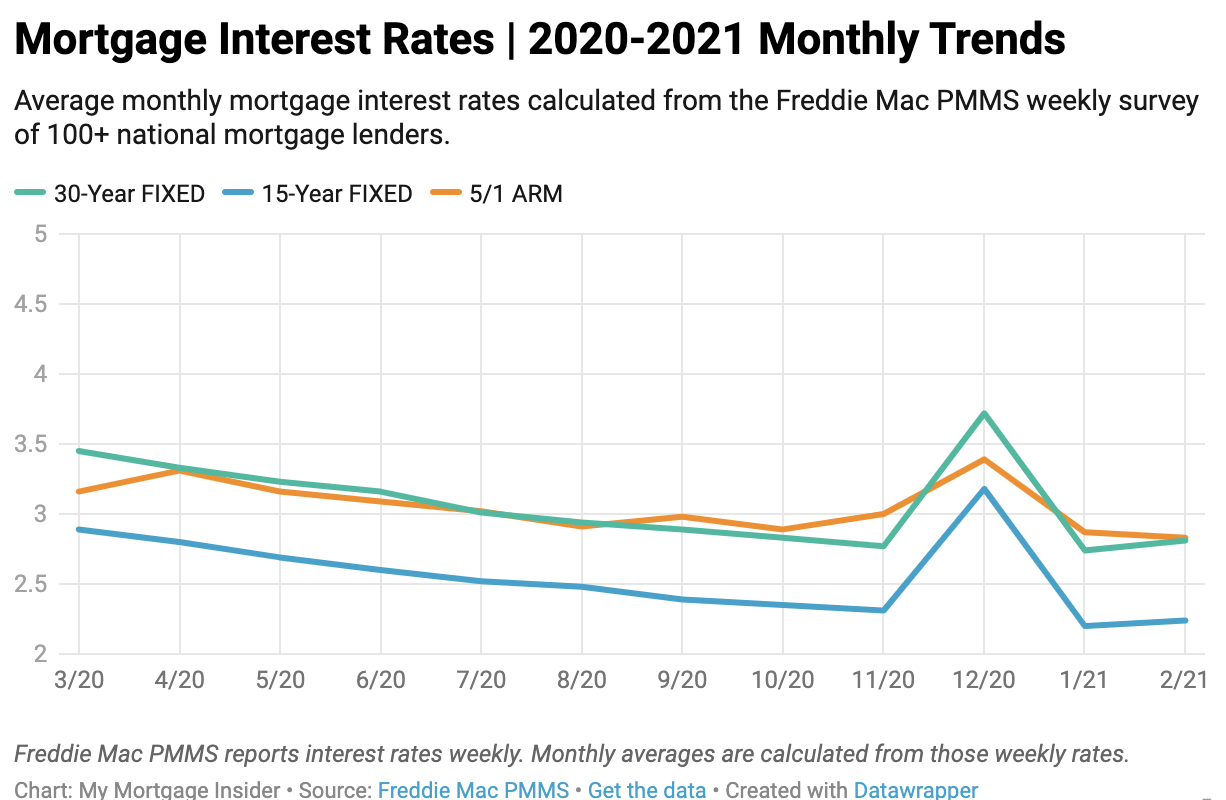
- Fixed-Rate Mortgages (FRMs): As the name suggests, a fixed-rate mortgage maintains the same interest rate for the entire duration of the loan. This provides predictability and stability, as your principal and interest payment remains constant month after month, regardless of market fluctuations. The most common terms are 30-year fixed and 15-year fixed mortgages. A 30-year fixed offers lower monthly payments but accrues more interest over time, while a 15-year fixed has higher monthly payments but significantly less interest paid and faster equity build-up. FRMs are ideal for borrowers seeking budget certainty and those who plan to stay in their homes for an extended period.
- Adjustable-Rate Mortgages (ARMs): ARMs feature an interest rate that changes periodically after an initial fixed-rate period. For example, a 5/1 ARM has a fixed interest rate for the first five years, after which the rate adjusts annually based on a specific market index (like the Secured Overnight Financing Rate – SOFR) plus a margin set by the lender. ARMs typically offer lower initial interest rates compared to FRMs, making them attractive to borrowers who anticipate selling or refinancing before the fixed period ends, or those who expect their income to rise significantly in the future. However, they carry the risk of higher payments if interest rates rise after the adjustment period, making them less predictable.
The Impact of Interest Rate on Monthly Payments and Total Cost
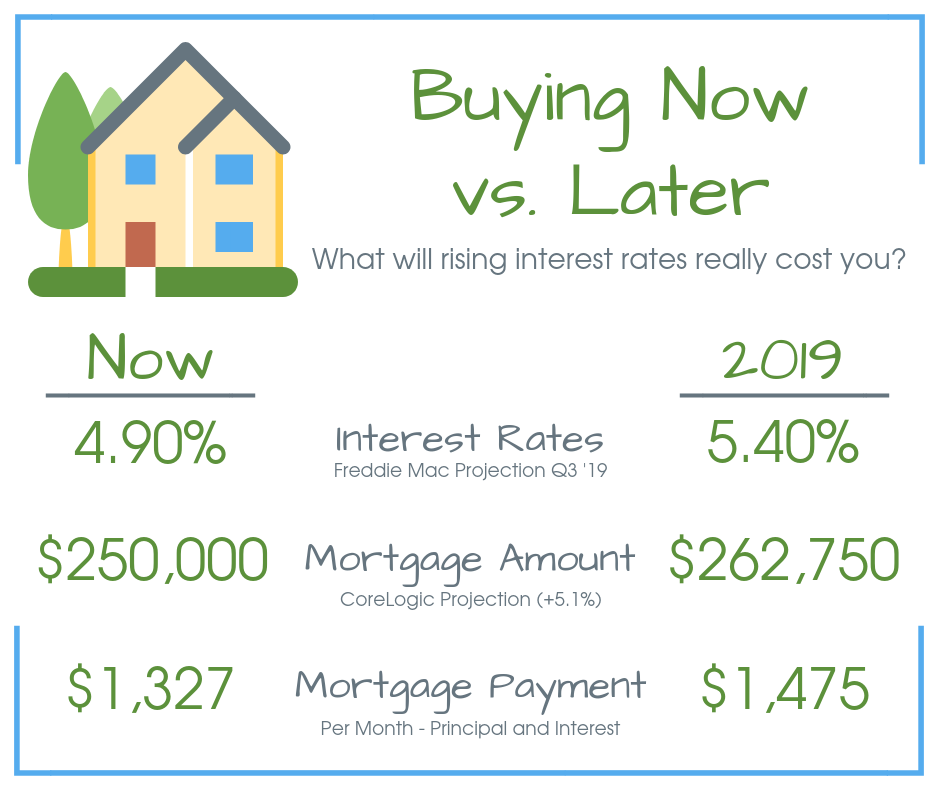
Even a seemingly small difference in an interest rate can have a profound impact on your monthly mortgage payment and the total cost of your home over decades. Consider a $300,000, 30-year fixed mortgage:
- At a 6.0% interest rate, the principal and interest payment would be approximately $1,798, and the total interest paid over 30 years would be around $347,386.
- At a 7.0% interest rate, the payment jumps to about $1,996, and the total interest paid rockets to roughly $418,522.
This one percentage point difference translates to an extra $198 per month and a staggering $71,136 more in total interest paid over the life of the loan. This dramatic illustration underscores why securing the lowest possible interest rate, even if it seems a minor difference, can save you tens of thousands of dollars and significantly impact your long-term financial health.
Key Factors Influencing Mortgage Interest Rates
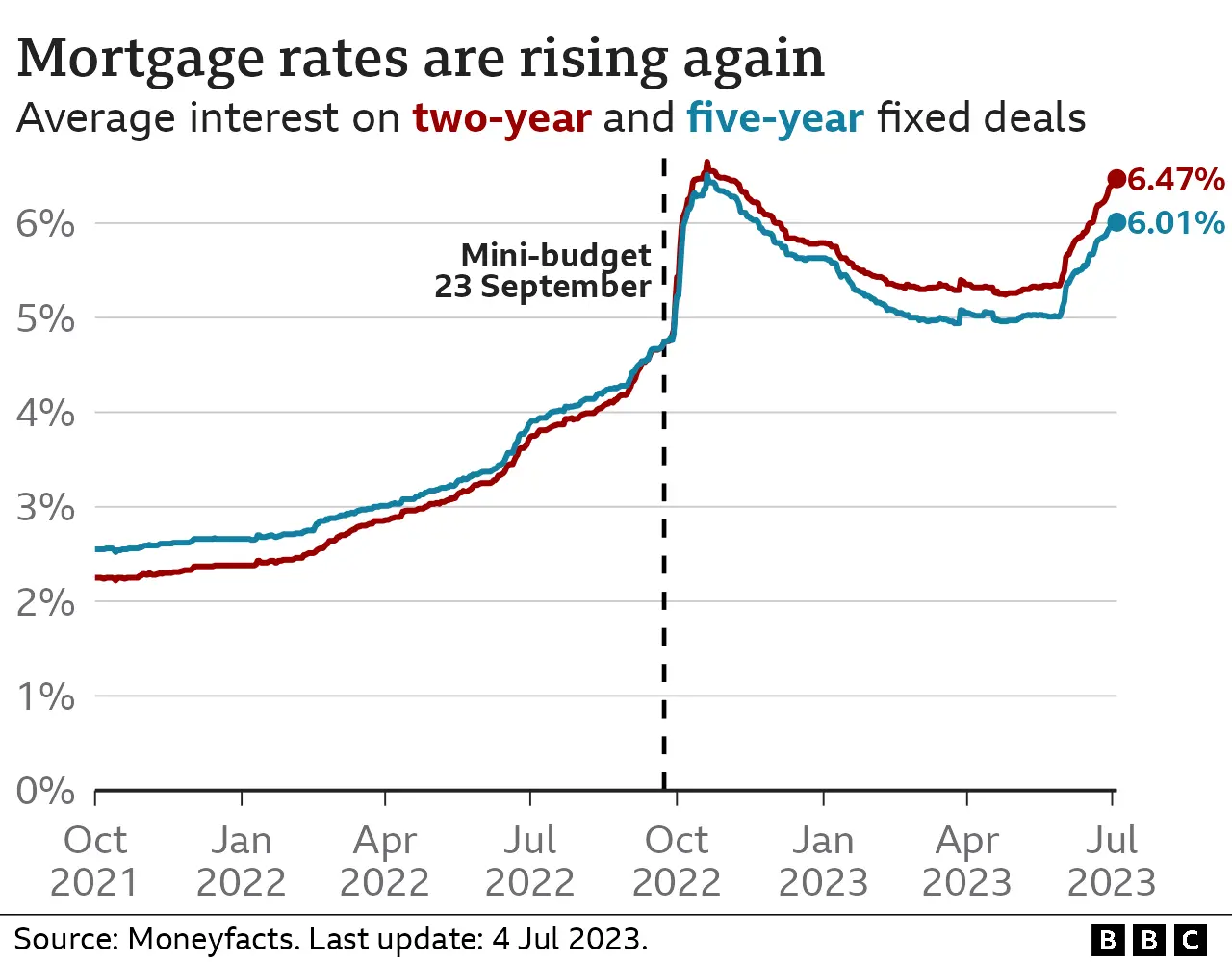
Mortgage interest rates are not set in a vacuum; they are a fluid reflection of broader economic conditions, the specific policies of central banks, the competitive landscape among lenders, and the individual risk profile of each borrower. Understanding these influencing factors can help explain why rates fluctuate and what you can potentially control.
Economic Indicators and Federal Reserve Policy
The health of the overall economy plays a dominant role in shaping mortgage interest rates. Key economic indicators such as inflation, unemployment rates, and Gross Domestic Product (GDP) growth signal the direction of the economy. When inflation is high, lenders demand higher interest rates to compensate for the eroding purchasing power of future repayments. Conversely, a weakening economy or high unemployment might lead to lower rates as the Federal Reserve tries to stimulate activity.
The Federal Reserve (the Fed) is perhaps the most influential entity. While the Fed does not directly set mortgage rates, its actions significantly impact them. Through its monetary policy tools, particularly adjusting the federal funds rate (the target rate for overnight lending between banks), the Fed influences the cost of borrowing for banks, which in turn trickles down to consumer loan products like mortgages. Additionally, the Fed’s quantitative easing or tightening programs, involving buying or selling government bonds and mortgage-backed securities, directly affect long-term interest rates. Mortgage rates tend to track the yield of the 10-year Treasury bond, which is itself influenced by economic expectations and the Fed’s stance.
Lender-Specific Factors and Market Competition
While macroeconomic factors set the general trend, individual lenders also contribute to rate determination. Each lender has its own overhead costs, desired profit margins, and appetite for risk. Their internal pricing models consider factors like the cost of acquiring funds, administrative expenses, and market share goals. Fierce competition among banks, credit unions, and online lenders can drive rates down as institutions vie for borrowers’ business. Different loan types also carry varying rates; for instance, government-backed loans like FHA, VA, or USDA loans might have slightly different rate structures compared to conventional loans due to their unique insurance requirements or guarantees. The lender’s assessment of the risk associated with a particular loan product or market segment will also be baked into the offered rates.
Borrower-Specific Factors
Beyond the broader market and lender considerations, your personal financial situation is a major determinant of the interest rate you’ll be offered. Lenders assess your ability and willingness to repay the loan, and a lower perceived risk translates to a better rate.
- Credit Score: Your credit score (e.g., FICO or VantageScore) is a crucial measure of your creditworthiness. A higher score (typically 740 and above) indicates a responsible borrower and generally qualifies you for the lowest available interest rates. Lower scores suggest a higher risk of default, leading to higher interest rates to compensate the lender for that increased risk.
- Down Payment: The size of your down payment directly impacts your loan-to-value (LTV) ratio. A larger down payment reduces the amount you need to borrow and lowers the lender’s risk, often resulting in a more favorable interest rate. A smaller down payment, especially below 20%, often necessitates private mortgage insurance (PMI) and can be associated with slightly higher rates.
- Debt-to-Income (DTI) Ratio: Your debt-to-income (DTI) ratio compares your total monthly debt payments (including the prospective mortgage) to your gross monthly income. A lower DTI (typically below 43%) indicates you have more disposable income to cover your mortgage payments, making you a less risky borrower and potentially eligible for better rates.
- Loan Term and Type: As discussed, a 15-year fixed mortgage typically carries a lower interest rate than a 30-year fixed mortgage, though with higher monthly payments. Similarly, the initial fixed period of an ARM often offers lower rates than comparable fixed-rate options, but at the cost of future rate uncertainty.
Navigating the Mortgage Application Process and Securing the Best Rate
Securing a competitive mortgage interest rate requires proactive engagement, thorough preparation, and strategic decision-making. The application process, while daunting, offers several junctures where an informed borrower can significantly influence their outcome.
Pre-Approval vs. Pre-Qualification
The journey to securing a mortgage begins with understanding the difference between pre-qualification and pre-approval. Pre-qualification is a preliminary estimate of how much you might be able to borrow, based on a brief review of your finances. It’s often a quick, informal process that doesn’t involve a hard credit check and provides a rough idea for your budget. While useful for initial planning, it holds little weight with sellers.
Pre-approval, on the other hand, is a much more robust assessment. It involves a detailed review of your financial information, including income, assets, and a full credit check. A lender commits, in writing, to lend you a specific amount up to a certain interest rate, contingent on the property appraisal and other final verifications. Getting pre-approved demonstrates to sellers that you are a serious and qualified buyer, giving you a competitive edge in a tight market. It also provides a clear spending limit, preventing you from looking at homes beyond your affordability.
Shopping Around for Lenders
One of the most impactful steps you can take to secure the best interest rate is to shop around extensively for lenders. Do not settle for the first offer you receive. Mortgage rates can vary significantly from one lender to another, even on the same day for the same borrower profile, due to differing overheads, risk assessments, and profit margins. It’s advisable to obtain quotes from at least three to five different sources, including large national banks, smaller community banks, credit unions, and online mortgage lenders or brokers.
When comparing offers, don’t just look at the advertised interest rate. Request a Loan Estimate (LE) from each lender. The LE is a standardized form that details the interest rate, estimated monthly payment, and total closing costs. Pay close attention to the APR, which provides a more comprehensive cost comparison. Compare not only the rates but also the fees, points, and terms of each offer. Most importantly, ensure you compare offers for the same type of loan (e.g., a 30-year fixed conventional loan with a 20% down payment).
Locking in Your Rate
Once you’ve found a favorable interest rate, you’ll want to lock it in. A rate lock is a lender’s commitment to guarantee a specific interest rate for a defined period, typically 30, 45, or 60 days, while your loan application is being processed. This protects you from potential rate increases between the time you apply and when your loan closes. If rates fall after you’ve locked, some lenders offer a “float-down” option, allowing you to secure a lower rate, though this often comes with an additional fee. It’s crucial to understand the terms of your rate lock, including its duration and any associated costs, to avoid your lock expiring before closing, which could expose you to higher rates.
Understanding Closing Costs and Points
Beyond the interest rate, it’s essential to understand the full spectrum of closing costs. These are fees paid at the close of your mortgage loan transaction and can range from 2% to 5% of the loan amount. They include lender fees (origination fees, underwriting fees), third-party fees (appraisal, title insurance, attorney fees), and prepaid items (property taxes, homeowner’s insurance).
Among these, discount points are particularly relevant to the interest rate. A discount point is an upfront fee paid to the lender in exchange for a lower interest rate over the life of the loan. One point typically costs 1% of the loan amount. For example, on a $300,000 loan, one point would cost $3,000. You must calculate the break-even point to determine if buying down the rate is financially advantageous. This involves dividing the cost of the points by the monthly savings to see how many months it will take to recoup the upfront investment. If you plan to stay in the home for longer than the break-even period, buying points can lead to significant long-term savings.
Strategies for Optimizing Your Mortgage Interest Rate
While external market forces dictate the general direction of interest rates, borrowers possess considerable agency in optimizing the rate they personally receive. Strategic financial planning and diligent preparation can translate into substantial savings over the life of a mortgage.
Improving Your Credit Score
Your credit score is arguably the most influential personal factor determining your mortgage interest rate. Lenders use it as a primary indicator of your creditworthiness and risk. A higher score signals to lenders that you are a reliable borrower, making you eligible for their most competitive rates. To improve your credit score:
- Pay bills on time, every time: Payment history is the largest factor in your score.
- Reduce outstanding debt: Especially credit card balances, to lower your credit utilization ratio.
- Avoid opening new credit accounts: This can temporarily lower your score.
- Check your credit report regularly: Dispute any errors promptly, as they can negatively impact your score.
- Keep old accounts open: A longer credit history is generally better.
Even a slight improvement in your credit score can move you into a higher credit tier, unlocking access to lower rates that can save you thousands.
Increasing Your Down Payment
Making a larger down payment is another powerful strategy to lower your mortgage interest rate. A substantial down payment (ideally 20% or more) reduces the loan-to-value (LTV) ratio, which is the amount of the loan compared to the home’s value. From a lender’s perspective, a lower LTV means less risk, as there’s a greater equity cushion if the borrower defaults. This reduced risk often translates into a lower interest rate.
Beyond a better rate, a 20% down payment also typically eliminates the need for private mortgage insurance (PMI), saving you an additional monthly expense. Even if you can’t reach 20%, every additional percentage point you put down can incrementally improve your rate and reduce your monthly payment. Strategies for saving for a down payment include setting up automatic transfers to a dedicated savings account, cutting discretionary spending, and exploring down payment assistance programs if eligible.
Considering Shorter Loan Terms
While a 30-year fixed mortgage offers the lowest monthly payments, opting for a shorter loan term, such as a 15-year fixed mortgage, typically comes with a significantly lower interest rate. Lenders view shorter terms as less risky because their capital is tied up for a shorter period, reducing their exposure to long-term market fluctuations.
Although a 15-year mortgage will result in higher monthly payments due to the accelerated repayment schedule, the interest savings over the life of the loan can be substantial. For borrowers with stable income and the ability to manage the higher payments, a 15-year term is an excellent way to pay off their home faster, build equity more quickly, and save tens of thousands in interest.
Refinancing Opportunities
For existing homeowners, refinancing can be a powerful tool to optimize your mortgage interest rate, especially if market rates have dropped significantly since you originated your loan. Refinancing involves taking out a new mortgage to pay off your old one, effectively replacing your existing loan with a new one that ideally has a more favorable interest rate or different terms.
Reasons to refinance include:
- Securing a lower interest rate: If current rates are lower than your original rate, refinancing can reduce your monthly payments and total interest paid.
- Changing loan terms: You might switch from an ARM to a fixed-rate mortgage for stability, or from a 30-year to a 15-year term to pay off your loan faster.
- Cash-out refinance: Tapping into your home equity by taking out a larger loan and receiving the difference in cash, often used for home improvements or debt consolidation.
It’s crucial to weigh the costs associated with refinancing (closing costs, appraisal fees, etc.) against the potential savings. Calculate your break-even point to determine how long it will take for the savings from the new, lower rate to offset the refinancing costs. Refinancing is a strategic financial move that requires careful analysis to ensure it aligns with your long-term goals.
Conclusion
The interest rate for a mortgage is far more than a simple percentage; it is a critical financial lever that profoundly impacts affordability, monthly budgeting, and the total cost of homeownership over decades. It is a dynamic figure, shaped by a confluence of global economic forces, the Federal Reserve’s monetary policy, the competitive landscape among lenders, and most importantly, your individual financial discipline and creditworthiness.
Understanding the nuances between nominal interest rates and APR, the predictability of fixed-rate versus the potential volatility of adjustable-rate mortgages, and how economic indicators influence these rates is essential. Furthermore, recognizing the power of your credit score, the size of your down payment, and your debt-to-income ratio empowers you to actively influence the rate you qualify for.
Successfully navigating the mortgage landscape demands preparation and diligence. From securing a robust pre-approval and meticulously shopping around for the best lender offers to strategically locking in your rate and understanding closing costs and points, every step contributes to optimizing your financial outcome. For current homeowners, exploring refinancing opportunities provides a pathway to continually reassess and improve your mortgage terms. By staying informed, enhancing your financial profile, and approaching the process with a strategic mindset, prospective and current homeowners can secure the most favorable interest rates, paving the way for a more affordable and financially sound journey of homeownership.
aViewFromTheCave is a participant in the Amazon Services LLC Associates Program, an affiliate advertising program designed to provide a means for sites to earn advertising fees by advertising and linking to Amazon.com. Amazon, the Amazon logo, AmazonSupply, and the AmazonSupply logo are trademarks of Amazon.com, Inc. or its affiliates. As an Amazon Associate we earn affiliate commissions from qualifying purchases.