
The question of “what is the highest the stock market has ever been” is more complex than a simple number. It delves into historical economic performance, market dynamics, and the very metrics we use to measure financial success. For investors, understanding these peak moments isn’t just about trivia; it offers crucial insights into market cycles, the drivers of growth, and the enduring power of long-term investing. This article will navigate the nuances of market highs, explore the periods that set these records, examine the forces behind them, and discuss what these insights mean for contemporary financial decision-making.

Defining “Highest”: Navigating Market Metrics
Before pinpointing specific values, it’s essential to understand how “highest” is defined within the context of the stock market. Various indices and methodologies offer different perspectives, each valuable in its own right.
Nominal vs. Real Returns: Understanding the Impact of Inflation
When we discuss market highs, we often refer to nominal values—the unadjusted dollar figures at a given time. However, the purchasing power of money changes over time due to inflation. A truly “highest” point, from an investor’s perspective, might consider real returns, which are inflation-adjusted. While nominal highs grab headlines, real returns provide a more accurate picture of wealth creation. For instance, a Dow Jones Industrial Average (DJIA) at 100 in 1950 had significantly more purchasing power than 100 points today. Therefore, while nominal highs are important for tracking momentum and milestones, real returns reveal the true extent of financial growth.
Key Market Indices: Dow Jones, S&P 500, and Nasdaq
The “stock market” isn’t a single entity but a collection of various indices designed to track different segments of the economy. The most commonly cited include:
- Dow Jones Industrial Average (DJIA): Founded in 1896, the Dow is a price-weighted index of 30 large, publicly owned companies traded on the NYSE and NASDAQ. It’s often seen as a bellwether for the overall U.S. economy, despite its relatively small number of components.
- S&P 500: A market-capitalization-weighted index of 500 of the largest U.S. publicly traded companies. It is widely regarded as the best gauge of large-cap U.S. equities and a strong indicator of the overall health of the U.S. stock market. Its broad representation makes its peaks particularly significant.
- Nasdaq Composite: This index measures the performance of all common stocks listed on the Nasdaq stock market, encompassing a significant portion of technology and growth companies. Its peaks often reflect periods of strong innovation and investor enthusiasm for tech.
Each index tells a slightly different story, reflecting the composition of the companies it tracks. While all generally trend upwards over time, their specific peak dates and values can diverge, especially during sector-specific booms or busts.
The Role of Market Capitalization: Broader Market Perspective
Beyond index points, “highest” can also refer to the overall market capitalization—the total value of all publicly traded companies. While individual indices like the S&P 500 track market cap for their components, looking at total market capitalization provides the broadest possible view of the market’s size and wealth. This metric often correlates with the peaks of major indices but offers a holistic perspective on the cumulative value of corporate America. A record high in market capitalization signifies an unprecedented amount of collective wealth held by shareholders.
A Historical Look at Peak Performance
The stock market’s journey to its highest points has been punctuated by various economic eras, technological revolutions, and shifts in investor sentiment. While market corrections and bear markets are inevitable, the long-term trend has consistently been upward, setting new records over decades.
The Post-WWII Boom and Mid-20th Century Growth
Following World War II, the U.S. economy entered a period of robust growth. Industrial expansion, technological advancements, and a growing consumer base propelled the stock market upward. While the nominal values might seem modest by today’s standards (e.g., the Dow reaching several hundred points), these represented significant real growth and established foundational wealth for a generation. This era saw sustained bull markets driven by strong corporate profits and a stable economic environment.
The Dot-Com Bubble and Its Aftermath
The late 1990s witnessed an unprecedented surge in technology stocks, leading to the “Dot-Com Bubble.” The Nasdaq Composite, in particular, soared to unheard-of levels, driven by speculation in internet-related companies. It reached its peak in March 2000, only to collapse dramatically over the subsequent years. This period serves as a stark reminder that market highs can be fueled by unsustainable exuberance, highlighting the importance of fundamentals over hype.
The Pre-2008 Financial Crisis Peak
After recovering from the Dot-Com bust, the market began another ascent, leading to a new peak in 2007 for indices like the S&P 500 and DJIA. This rally was largely fueled by a booming housing market, easy credit, and globalization. However, this peak proved to be fragile, preceding the devastating financial crisis of 2008, which saw a significant market downturn as systemic risks materialized.
The Decade of Unprecedented Growth: Post-2008 to Present
Perhaps the most significant and sustained period of market highs occurred in the decade following the 2008 financial crisis. Propelled by aggressive monetary policy (quantitative easing and near-zero interest rates), technological innovation (especially in areas like cloud computing, mobile, and AI), globalization, and strong corporate earnings, the S&P 500 and Dow Jones climbed steadily to numerous all-time highs. The Nasdaq, driven by tech giants, also saw a phenomenal resurgence, eventually surpassing its Dot-Com era peak by a wide margin. This period, often termed the “longest bull market in history,” demonstrated the market’s resilience and capacity for sustained growth under favorable conditions, culminating in record highs across all major indices in recent years, often exceeding previous peaks by substantial margins.
Driving Forces Behind Record Highs
Understanding the historical peaks also requires examining the underlying economic and psychological factors that propel markets to such elevated levels.

Economic Growth and Corporate Earnings
At its core, the stock market reflects the health and future prospects of corporations. Robust economic growth, characterized by rising GDP, low unemployment, and increased consumer spending, directly translates to higher corporate revenues and profits. Strong earnings, in turn, drive up stock prices as investors anticipate continued success and dividends. Periods of sustained economic expansion are almost always accompanied by rising stock market valuations and new highs.
Technological Innovation and Productivity Gains
Many of the market’s most significant rallies have coincided with periods of transformative technological innovation. From the industrial revolution to the advent of electricity, computing, and the internet, new technologies enhance productivity, create entirely new industries, and expand profit margins. The tech boom of the 1990s and the post-2008 era, driven by software, e-commerce, and artificial intelligence, are prime examples of how innovation can fuel unprecedented market enthusiasm and elevate valuations.
Monetary Policy and Low-Interest Rates
Central bank policies play a crucial role in shaping market performance. Periods of low-interest rates, quantitative easing, and accommodative monetary policy make borrowing cheaper for companies, stimulating investment and growth. Moreover, lower interest rates make bonds less attractive, pushing investors towards equities in search of higher returns, thereby bidding up stock prices. The extended period of low rates following the 2008 crisis was a significant catalyst for the subsequent market run-up.
Investor Sentiment and Behavioral Factors
Beyond fundamentals and policy, investor psychology profoundly impacts market movements. Bullish sentiment, fueled by optimism, confidence, and the fear of missing out (FOMO), can create a self-reinforcing cycle of rising prices. Conversely, excessive exuberance can lead to speculative bubbles, where asset prices detach from underlying value, as seen in the Dot-Com era. Understanding these behavioral biases is key to interpreting market highs, as they can sometimes reflect irrational enthusiasm rather than pure economic strength.
The Inevitable Cycle: Peaks, Valleys, and Long-Term Trends
While market highs are exhilarating, they are part of a larger, cyclical process. Investors must comprehend that even the highest peaks are typically followed by periods of consolidation or correction.
Understanding Bull and Bear Markets
A bull market is characterized by rising stock prices, optimism, and investor confidence—the environment in which new highs are set. A bear market, conversely, sees falling prices, pessimism, and economic contraction. These cycles are natural and essential for healthy market functioning, allowing for valuations to reset and inefficiencies to be purged. Every market peak eventually gives way to a downturn, though the duration and severity vary.
Market Corrections and Their Significance
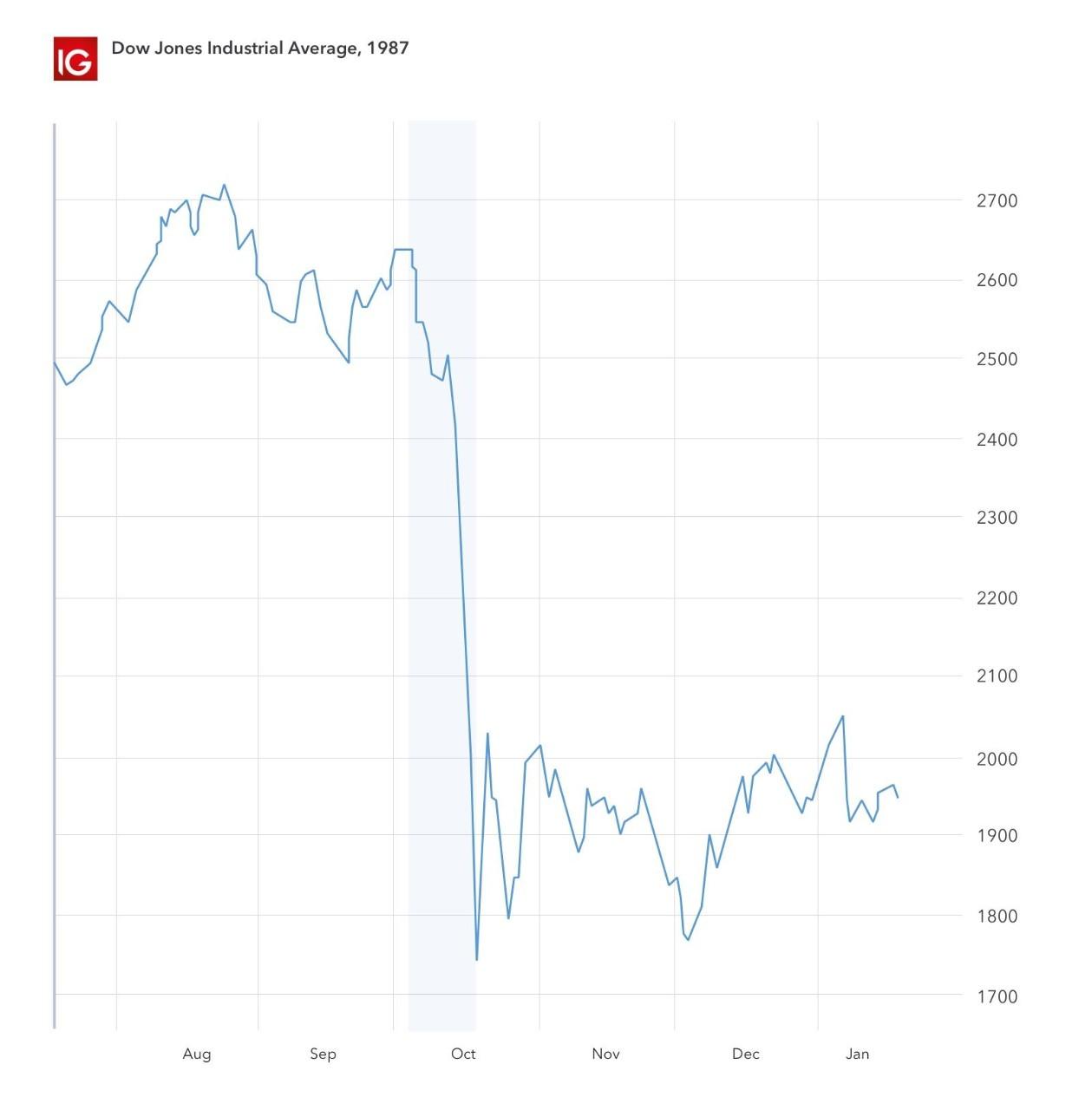
A market correction is typically defined as a 10% or more decline from a recent peak. While they can be unsettling, corrections are normal occurrences, often happening yearly or every few years. They can be triggered by a variety of factors, from geopolitical events to shifts in economic data or corporate earnings. Corrections serve as a necessary “breather” for the market, preventing overvaluation and often setting the stage for the next leg of a bull market. The highest points are often reached before, during, or just after a period where the market has previously corrected and built a new base.
The Power of Compounding and Long-Term Investing
Despite the cyclical nature of peaks and valleys, the stock market has consistently generated positive returns over the long term. This upward bias is driven by innovation, economic growth, and the power of compounding. For long-term investors, market highs represent milestones in their wealth accumulation journey, but they are viewed within the context of a broader strategy. Focusing on consistent contributions, diversification, and staying invested through market fluctuations has historically been the most reliable path to financial success, rather than trying to time market peaks.
Implications for Today’s Investor
Understanding the historical context of market highs offers valuable lessons for contemporary investors. It emphasizes the importance of a disciplined approach rather than chasing fleeting peaks.
Avoiding FOMO and Speculative Bubbles
Witnessing the stock market reach new all-time highs can trigger the fear of missing out (FOMO), leading investors to make rash decisions, such as buying into overvalued assets or chasing speculative trends. The Dot-Com bubble serves as a potent reminder of the dangers of such behavior. A professional approach advises against letting emotion dictate investment choices, advocating for thorough research and adherence to a personal financial plan, irrespective of market exuberance.
Diversification and Risk Management
While a rising tide lifts all boats, not all stocks or sectors perform equally well during market surges. Diversification across different asset classes, industries, and geographies remains a cornerstone of prudent investing. It helps mitigate risks associated with overexposure to a single sector that might be driving current market highs and provides a cushion during inevitable downturns. Even at market peaks, a well-diversified portfolio is better positioned to weather future volatility.
Focusing on Financial Goals Over Market Peaks
Ultimately, an investor’s focus should be on their individual financial goals—retirement planning, saving for education, or wealth preservation—rather than fixating on the market’s daily or yearly highs. Market peaks are simply data points within a much larger journey. A strategic approach involves setting clear objectives, creating a suitable asset allocation, regularly rebalancing, and maintaining a long-term perspective. While it’s insightful to understand “what is the highest the stock market has ever been,” true investing success lies in consistent execution of a sound strategy, rather than celebrating fleeting records. The market will undoubtedly reach new highs in the future, just as it will experience new lows, but the steady hand of a goal-oriented investor is what truly builds lasting wealth.
aViewFromTheCave is a participant in the Amazon Services LLC Associates Program, an affiliate advertising program designed to provide a means for sites to earn advertising fees by advertising and linking to Amazon.com. Amazon, the Amazon logo, AmazonSupply, and the AmazonSupply logo are trademarks of Amazon.com, Inc. or its affiliates. As an Amazon Associate we earn affiliate commissions from qualifying purchases.