
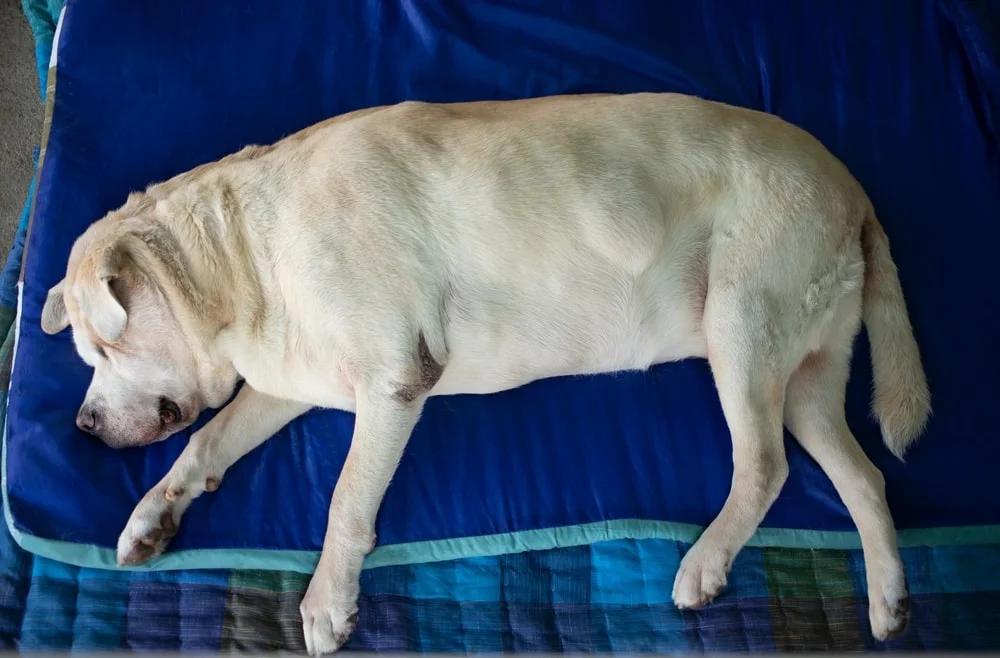
A lipoma in a dog is more than just a lump; it often presents a complex financial consideration for pet owners. While the initial discovery of a growth can be alarming, understanding the nature of lipomas and the associated costs—from diagnosis to potential treatment and long-term management—is crucial for responsible pet financial planning. Lipomas are benign (non-cancerous) fatty tumors that grow slowly under the skin. They are typically soft, movable, and do not cause pain unless they grow exceptionally large, press on nerves or joints, or are located in an awkward position that interferes with movement. While often harmless from a health perspective, their presence inevitably leads to veterinary consultation, diagnostic tests, and sometimes surgical intervention, all of which carry significant financial weight.
Diagnosing a Lipoma: The Initial Financial Investment
The journey from discovering a lump to receiving a confirmed diagnosis of a lipoma involves several steps, each with its own associated costs. For many pet owners, the uncertainty surrounding a new growth naturally prompts an immediate visit to the veterinarian, initiating the diagnostic process.
Initial Veterinary Consultation and Physical Exam
The first and most fundamental step is a comprehensive physical examination by a veterinarian. During this visit, the vet will palpate the lump, assess its size, consistency, mobility, and location, and consider the dog’s overall health, age, and breed predispositions. While a vet may suspect a lipoma based on touch, a definitive diagnosis almost always requires further investigation to rule out more serious conditions. The cost of this initial consultation can vary widely depending on the clinic, location, and the thoroughness of the exam, but it represents the baseline expenditure in understanding any new canine growth.
Cytology and Biopsy: Pinpointing the Diagnosis
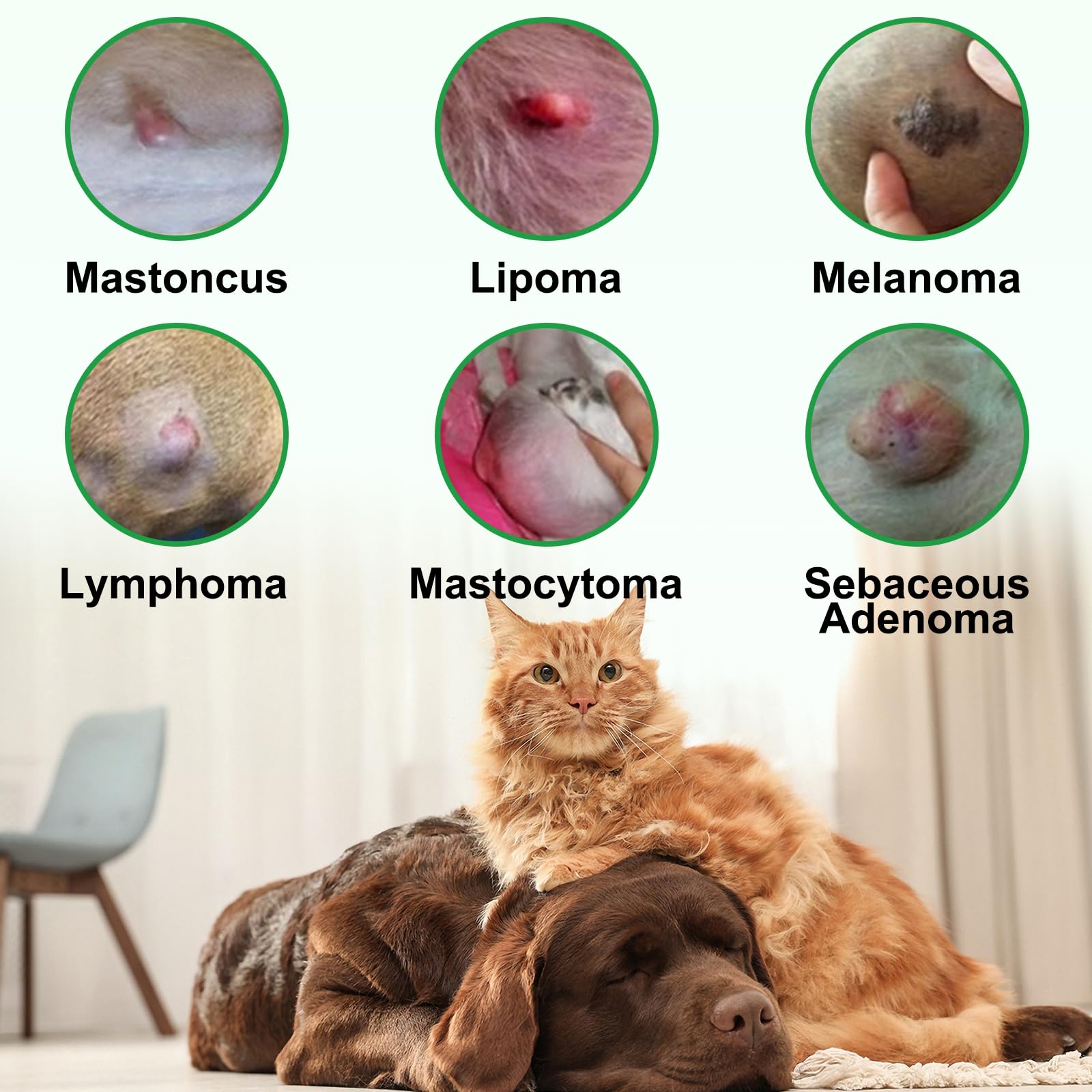
To confirm a lipoma and, more importantly, to differentiate it from malignant tumors like mast cell tumors or soft tissue sarcomas, diagnostic tests are necessary.
- Fine Needle Aspiration (FNA) with Cytology: This is often the first diagnostic tool employed. A small needle is inserted into the lump to collect a sample of cells, which are then spread onto a slide and examined under a microscope by a pathologist. This procedure is relatively quick, minimally invasive, and can often be performed during a regular office visit without sedation. The cost of an FNA includes the veterinary procedure itself and the laboratory fees for cytological analysis. While generally less expensive than a biopsy, an FNA provides a cellular-level snapshot, which might not always be conclusive if the sample is not representative or if the cells are ambiguous. For lipomas, FNA often reveals adipose (fat) cells, providing a strong indicator.
- Biopsy: If the FNA results are inconclusive, or if the vet has a strong suspicion of malignancy, a surgical biopsy may be recommended. This involves removing a larger tissue sample (incisional biopsy) or the entire mass (excisional biopsy) for histopathological examination. Biopsies require sedation or general anesthesia, making them significantly more expensive than FNAs due to the added costs of anesthesia, surgical supplies, and more extensive laboratory analysis. While a biopsy offers a more definitive diagnosis, it also represents a greater financial commitment and risk.
Understanding these diagnostic costs is the first layer of financial preparedness. Pet owners often need to weigh the expense of a definitive diagnosis against the potential risks of an undiagnosed or misdiagnosed growth.
Managing Treatment Costs: Surgical vs. Conservative Approaches
Once a lipoma is confirmed, the next financial consideration revolves around its management. While many lipomas can be left alone, certain circumstances necessitate removal, introducing a new set of financial variables.
When to Consider Surgical Removal and Its Costs
Surgical excision is the most common and definitive treatment for lipomas. However, not all lipomas require removal. Vets typically recommend surgery if:
- The lipoma is growing rapidly or has reached a very large size.
- It is located in an area that interferes with the dog’s movement, comfort, or bodily functions (e.g., near a joint, armpit, or groin).
- There’s a suspicion, despite initial diagnostics, that it might be a more aggressive tumor (infiltration lipoma or liposarcoma, though the latter is rare).
- The owner finds it cosmetically undesirable or causes anxiety.
The cost of surgical removal can vary substantially. Key factors influencing the bill include:
- Size and Location of the Lipoma: Larger tumors or those in difficult-to-access areas require more complex surgery, longer anesthesia times, and potentially specialized surgical techniques. Lipomas that have infiltrated muscle tissue (infiltrative lipomas) are particularly challenging and expensive to remove completely.
- Anesthesia: Pre-anesthetic blood work, the type of anesthesia used, and the duration of sedation significantly impact costs. Older dogs or those with underlying health conditions may require more intensive anesthetic monitoring, increasing expenses.
- Surgical Fees: The veterinarian’s surgical fee depends on their experience, the complexity of the case, and the typical rates in the geographic area.
- Post-Operative Care: This includes pain medication, antibiotics, Elizabethan collars, follow-up visits to check incisions and remove sutures, and potentially specialized wound care.
- Histopathology: Even after removal, the excised mass is usually sent for histopathological analysis to confirm it was indeed a benign lipoma and to ensure complete margins, preventing recurrence. This laboratory fee is a crucial part of ensuring effective treatment and peace of mind.
Conservative Management: A Less Expensive Path, But With Caveats
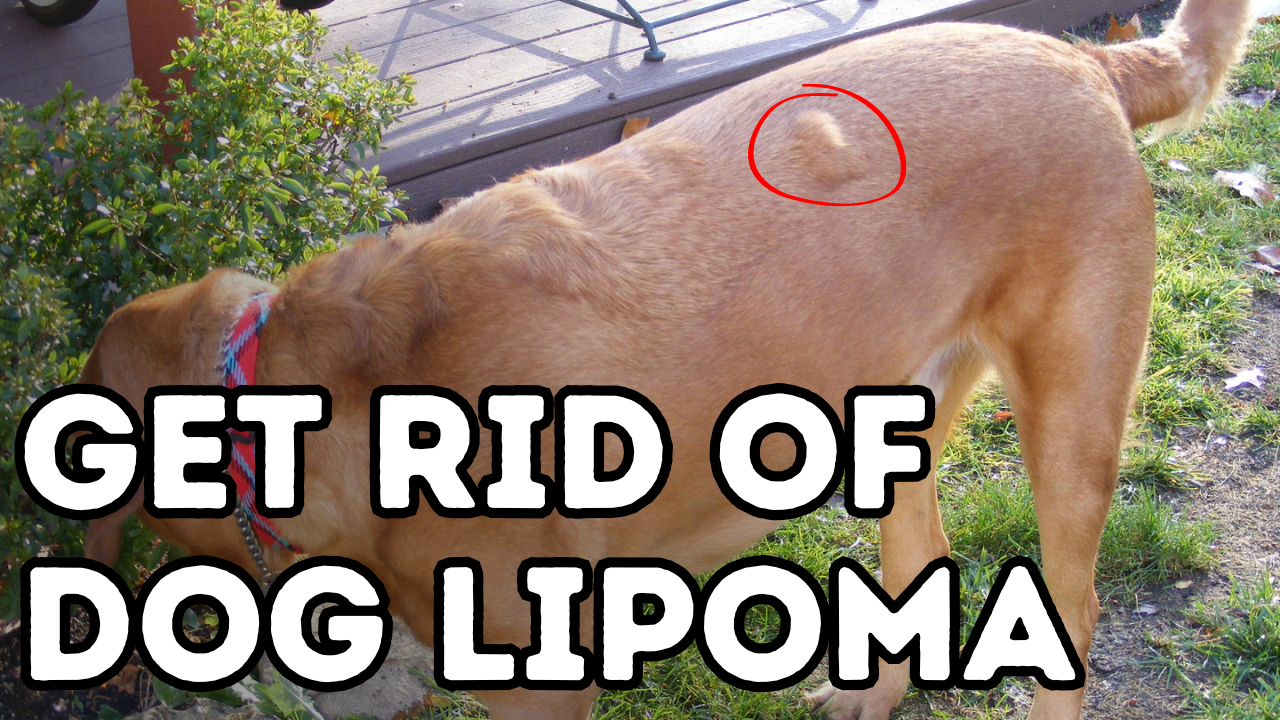
For small, non-obtrusive lipomas, a “watch and wait” approach is often recommended. This involves regular monitoring by the owner for changes in size or consistency, coupled with periodic veterinary check-ups.
- Monitoring Costs: This approach generally entails fewer immediate costs, primarily limited to routine check-up fees. However, it requires vigilance and a commitment to observe the growth.
- Potential Future Costs: While seemingly cheaper initially, there’s always the possibility that a monitored lipoma may grow to a size or location that eventually necessitates surgery, potentially making the surgery more complex and expensive than if it had been removed earlier.
- Quality of Life: For some owners, knowing their dog has a lump, even a benign one, can be a source of constant worry, which while not a direct financial cost, can have an impact on emotional well-being.
Deciding between immediate surgery and conservative management is a financial as well as a medical decision, requiring careful discussion with the vet about risks, benefits, and long-term outlooks.
Pet Insurance and Financial Planning for Canine Health Expenses
The potential costs associated with diagnosing and treating a lipoma highlight the broader need for sound financial planning when owning a pet. Unexpected veterinary bills, whether for a lipoma or other conditions, can quickly become substantial.
The Role of Pet Insurance in Managing Lipoma Costs
Pet insurance can be a valuable tool for mitigating the financial burden of veterinary care. Policies vary widely, but many will cover diagnostic tests, surgical procedures, and post-operative care related to new conditions like lipomas.
- Coverage Considerations: When evaluating pet insurance, it’s crucial to understand what is covered, deductibles, reimbursement percentages, and annual limits. Some policies may have waiting periods before certain conditions are covered.
- Pre-existing Conditions: A key point for lipomas is whether they are considered pre-existing conditions. If a lipoma is discovered before insurance coverage begins or during a waiting period, it will likely not be covered. This underscores the importance of obtaining pet insurance early in a dog’s life.
- Cost vs. Benefit: For some owners, the monthly premiums for pet insurance, even if a lipoma never develops, provide peace of mind. For others, particularly those with older dogs or breeds prone to various health issues, the investment can significantly offset high-cost treatments.
Building an Emergency Fund for Pet Healthcare
Even with pet insurance, or especially without it, establishing a dedicated emergency fund for pet healthcare is a prudent financial strategy. This fund can cover deductibles, co-pays, or the entirety of bills for conditions not covered by insurance. Setting aside a small amount regularly can build a substantial safety net over time, preventing owners from having to make difficult choices based solely on financial constraints during an emergency.
Exploring Financial Assistance and Payment Options
When faced with significant veterinary bills for lipoma treatment or other conditions, several options might be available:
- Payment Plans: Many veterinary clinics offer payment plans, allowing owners to pay for services over time.
- Veterinary Credit Cards (e.g., CareCredit): These specialized credit cards offer deferred interest or low-interest financing options for healthcare expenses.
- Financial Aid Programs: Various non-profit organizations and breed-specific rescue groups may offer financial assistance for pet owners in need. Researching these options can provide crucial support during challenging times.
The Long-Term Financial Picture: Monitoring and Recurrence
Even after a lipoma is removed or if a conservative approach is adopted, the financial considerations don’t necessarily end. Monitoring for recurrence or the development of new lipomas is an ongoing aspect of pet care.
Routine Check-ups and Early Detection
Regular veterinary check-ups are vital for early detection of any new lumps or changes in existing ones. Early detection can often lead to simpler, less invasive, and therefore less expensive diagnostic and treatment procedures. For example, removing a small lipoma is typically less costly than excising a very large, deeply rooted one. Investing in routine preventative care, though an ongoing expense, can act as a long-term cost-saving measure by catching issues before they escalate.
Impact on Quality of Life and Future Costs
While lipomas are benign, a large or poorly located one can impact a dog’s quality of life, leading to discomfort, difficulty moving, or even secondary skin infections if the dog licks or chews at it. Addressing these issues, whether through surgery or other means, is an investment in the dog’s well-being. From a financial perspective, maintaining a dog’s overall health and comfort can prevent a cascade of other health problems and associated costs down the line. Understanding “what is a lipoma in a dog” therefore extends beyond its medical definition to encompass a full financial awareness of pet ownership responsibilities.
aViewFromTheCave is a participant in the Amazon Services LLC Associates Program, an affiliate advertising program designed to provide a means for sites to earn advertising fees by advertising and linking to Amazon.com. Amazon, the Amazon logo, AmazonSupply, and the AmazonSupply logo are trademarks of Amazon.com, Inc. or its affiliates. As an Amazon Associate we earn affiliate commissions from qualifying purchases.