
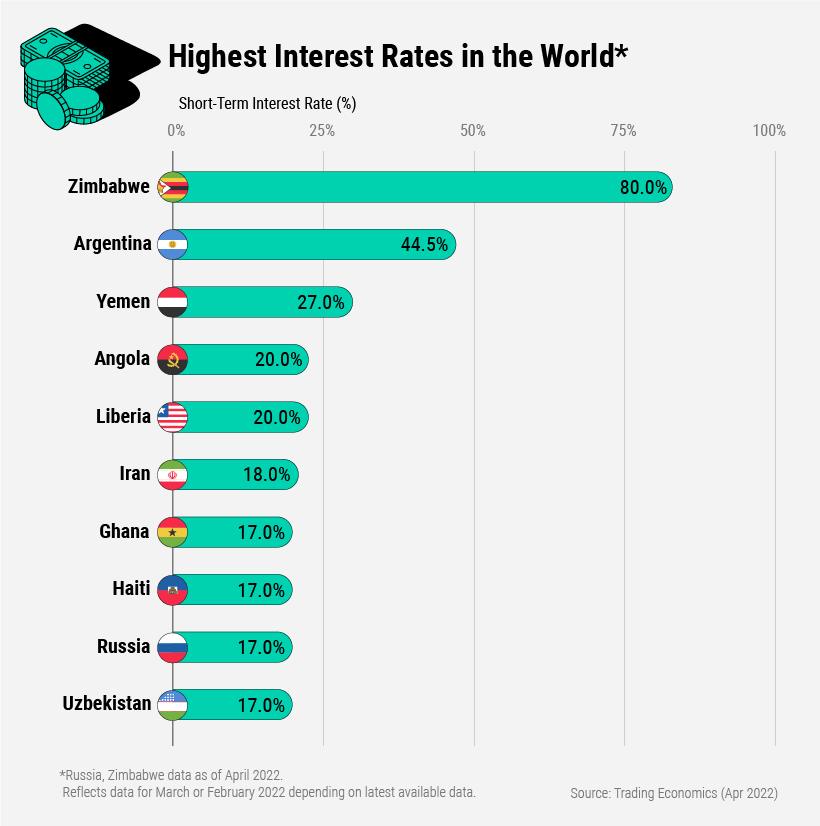
The concept of an “interest rate” is fundamental to finance, acting as the cost of borrowing money or the return on saving/lending it. While often discussed in general terms, the question “what is the highest interest rate?” doesn’t have a single, static answer. Instead, it opens a pandora’s box of financial contexts, risk profiles, and regulatory landscapes. The “highest” interest rate can vary dramatically depending on whether you’re borrowing or lending, your creditworthiness, the type of financial product, and even the prevailing economic conditions.
Understanding where the highest rates exist, why they are so elevated, and what implications they carry is crucial for both consumers seeking credit and investors looking for returns. This exploration delves into the financial corners where interest rates reach their zenith, dissecting the factors that drive them and the profound impact they have on individuals, businesses, and the broader economy.
Understanding Interest Rate Fundamentals
Before identifying the highest rates, it’s essential to grasp the core mechanisms that influence interest rate levels across the financial spectrum. These foundational principles provide the backdrop against which extraordinary rates emerge.
What Drives Interest Rates?
Several powerful forces collectively determine interest rates, from the micro-level of an individual’s credit score to the macro-level of global economic policy:
- Central Bank Policy: The most significant driver is often the policy rate set by a nation’s central bank (e.g., the Federal Funds Rate in the U.S. or the European Central Bank’s refinancing rate). This benchmark rate influences the prime rate, which banks use for their best customers, and cascades down to affect nearly all other lending and saving rates. Central banks adjust these rates to manage inflation, stimulate economic growth, or cool an overheating economy.
- Inflation: The rate at which prices for goods and services rise erodes the purchasing power of money over time. Lenders demand higher interest rates to compensate for this erosion, ensuring that the money they are repaid in the future has at least the same real value as the money they lent today.
- Economic Growth and Demand for Credit: In a booming economy, businesses and consumers are more confident and eager to borrow for expansion or purchases, increasing the demand for credit. This higher demand can push interest rates up. Conversely, during economic downturns, demand for credit typically falls, leading to lower rates.
- Risk Assessment: This is paramount. Lenders assess the likelihood that a borrower will default on a loan. The higher the perceived risk – whether due to a poor credit score, unstable income, or the unsecured nature of a loan – the higher the interest rate charged to compensate the lender for that risk. Collateral, or the lack thereof, also plays a crucial role.
- Market Competition: The competitive landscape among financial institutions can also influence rates. In a highly competitive market, lenders might offer slightly lower rates to attract borrowers, while in less competitive environments, rates might remain higher.
Nominal vs. Real Interest Rates
It’s vital to distinguish between nominal and real interest rates:
- Nominal Interest Rate: This is the stated interest rate on a loan or investment, unadjusted for inflation. It’s the percentage you see advertised.
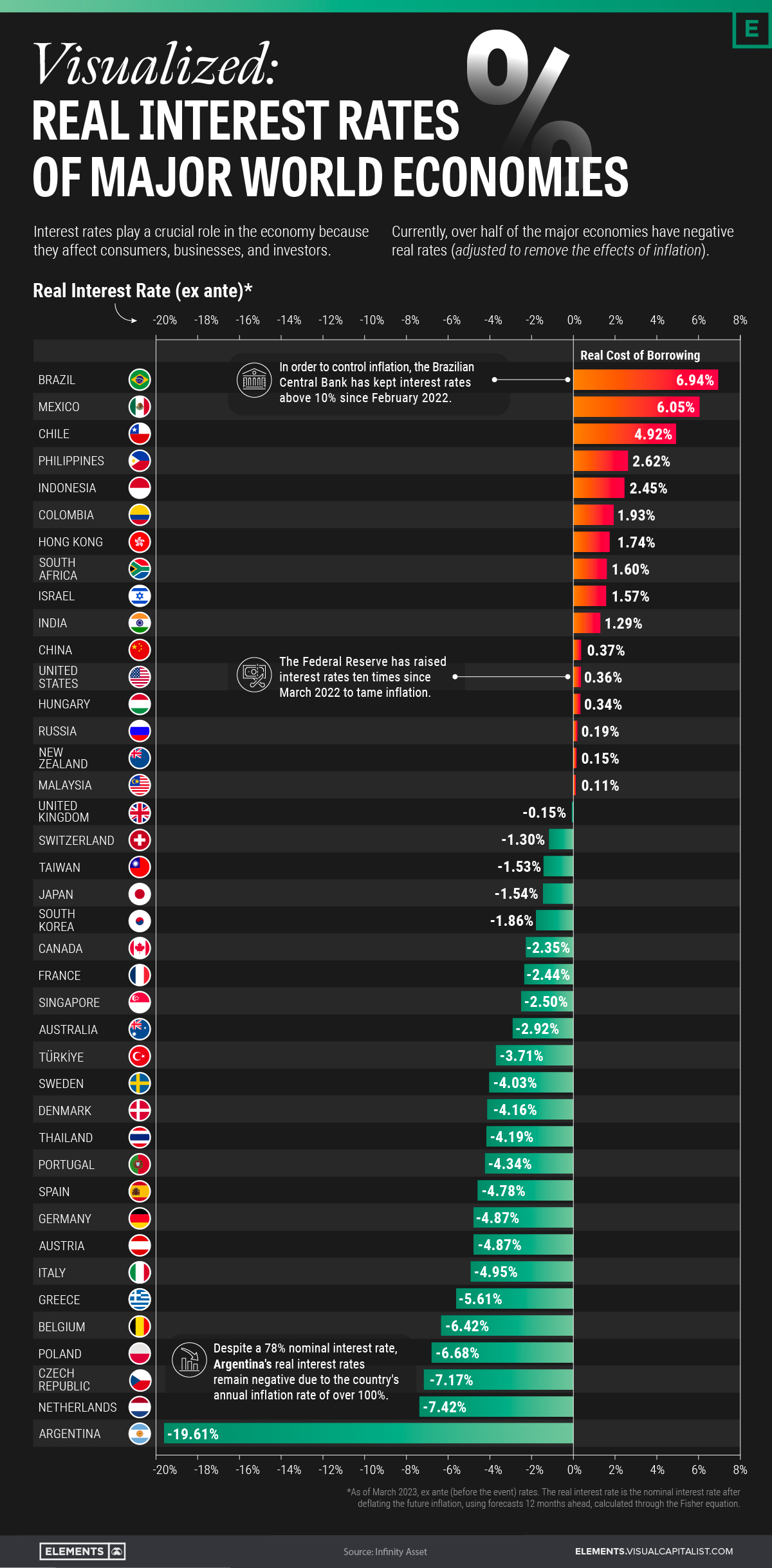
- Real Interest Rate: This is the nominal interest rate minus the inflation rate. It represents the true return a lender receives or the true cost a borrower pays in terms of purchasing power. During periods of high inflation, a seemingly high nominal rate might actually be a low or even negative real rate, meaning the lender is losing purchasing power. For borrowers, a high nominal rate with low inflation translates to a very high real cost.
Fixed vs. Variable Rates
Interest rates can also be structured differently:
- Fixed Rates: Remain constant over the life of the loan or for a specified period. They offer predictability but might be higher initially to compensate the lender for future interest rate risk.
- Variable Rates: Fluctuate based on an underlying benchmark (e.g., prime rate, LIBOR, SOFR). They can start lower but carry the risk of increasing, potentially reaching very high levels if the benchmark rises significantly.
Where You’ll Find the Highest Borrowing Rates
When we talk about the “highest interest rates” in the context of borrowing, we are generally referring to products designed for individuals or businesses perceived as high-risk, or those seeking very short-term, immediate funds. These rates can easily climb into triple-digit Annual Percentage Rates (APRs).
Payday Loans and Title Loans
These represent some of the most expensive forms of credit available, often targeting financially vulnerable individuals in desperate need of immediate cash.
- Payday Loans: Short-term, high-cost loans typically due on the borrower’s next payday. They are unsecured and for small amounts, usually ranging from $100 to $1,000. Because the repayment period is so short (often two weeks), the fees, when annualized, translate into incredibly high APRs, frequently 300% to 700% or even higher. For example, a $15 fee on a $100 loan due in two weeks equates to an APR of 391%. The high cost often traps borrowers in a cycle of debt, as they take out new loans to pay off old ones.
- Title Loans: Similar to payday loans in their high cost and target demographic, but they require collateral, specifically the borrower’s car title. If the borrower defaults, the lender can repossess the vehicle. APRs for title loans are also exceedingly high, often in the triple digits, and can reach similar levels to payday loans.
Credit Cards for Subprime Borrowers
Credit cards, while common, can carry exceptionally high interest rates, particularly for individuals with poor or limited credit histories.
- Subprime Credit Cards: Individuals with low credit scores (typically FICO scores below 620) are considered higher risk. Lenders compensate for this risk by charging much higher APRs, often ranging from 25% to 36% or even higher. These cards may also come with significant annual fees, foreign transaction fees, and cash advance fees, further increasing the effective cost of borrowing.
- Penalty APRs: Many credit card agreements include a “penalty APR” clause. If a cardholder makes a late payment or violates other terms, their interest rate can skyrocket to 29.99% or even 32.99% on their entire balance, significantly escalating the cost of their debt.
Certain Types of Personal Loans
While some personal loans offer competitive rates, others designed for high-risk borrowers or for specific, less conventional purposes can command very high interest.
- Unsecured Personal Loans from Non-Traditional Lenders: While banks and credit unions offer personal loans with reasonable rates to creditworthy individuals, online lenders or finance companies catering to subprime borrowers may offer unsecured personal loans with APRs ranging from 36% to over 100%. These loans are often marketed as alternatives to payday loans but can still be predatory due to their high cost.
- Rent-to-Own Agreements: While not technically loans, these agreements allow consumers to rent items (like furniture, electronics, or appliances) with the option to purchase them. The implied interest rate, when comparing the total cost of ownership versus buying outright, can be astronomical, often equivalent to APRs well over 100% or even several hundred percent.
Merchant Cash Advances and High-Risk Business Loans
Small businesses, especially those with poor credit, seasonal income, or lacking collateral, often face steep borrowing costs.
- Merchant Cash Advances (MCAs): Instead of a traditional loan, a business receives an upfront sum in exchange for a percentage of its future daily credit card sales. While not expressed as an APR, the “factor rates” and repayment terms often translate to effective APRs ranging from 40% to well over 100%, sometimes even higher. They are very fast to obtain but exceptionally expensive.
- Short-Term High-Risk Business Loans: For businesses that don’t qualify for traditional bank loans, alternative lenders offer short-term loans with high-interest rates, sometimes exceeding 50-70% APR, depending on the business’s perceived risk and collateral.
The Flip Side: High Interest Rates on Savings and Investments
While borrowing rates can soar to extreme levels, the “highest interest rates” on the savings and investment side offer a different perspective. Here, “highest” means the most competitive returns for depositors or investors, typically without the exorbitant risks associated with predatory lending. However, even here, higher returns generally correlate with higher risk or less liquidity.
High-Yield Savings Accounts (HYSAs) and Certificates of Deposit (CDs)
These are among the safest avenues for earning interest, with rates directly influenced by central bank policies.
- High-Yield Savings Accounts (HYSAs): Offered by online banks and some traditional institutions, HYSAs pay significantly more interest than traditional savings accounts because online banks often have lower overheads. While their rates fluctuate with market conditions (e.g., Federal Reserve rate hikes), they can offer 4-5% APY or more during periods of tight monetary policy. This is “high” in the context of safe, liquid savings, but far lower than borrowing rates.
- Certificates of Deposit (CDs): CDs offer a fixed interest rate for a predetermined term (e.g., 3 months, 1 year, 5 years). Generally, longer terms command higher interest rates, as you’re locking up your money for longer. Like HYSAs, CD rates are tied to the broader economic environment and central bank actions, potentially offering slightly higher rates than HYSAs, especially for longer terms, but at the cost of liquidity.
Peer-to-Peer Lending (as a Lender)
Peer-to-peer (P2P) lending platforms connect individual lenders directly with individual borrowers, bypassing traditional banks.
- Potential for Higher Returns: As a lender on a P2P platform, you can potentially earn higher interest rates than traditional savings accounts or CDs. This is because you are taking on direct credit risk. Borrowers on these platforms often have lower credit scores than those qualifying for prime bank loans, or they are seeking unsecured personal loans that traditional banks might not offer. Lenders can diversify their investments across many loans to mitigate risk.
- Associated Risks: The potential for higher returns comes with increased risk, primarily the risk of borrower default. While platforms often categorize loans by risk level, defaults can significantly impact overall returns.
Alternative Investments and Structured Products
Beyond traditional savings and publicly traded investments, certain alternative and structured products can offer higher yields, but they are typically complex, illiquid, and carry substantial risk.
- Private Credit Funds: These funds lend directly to companies, often those that don’t qualify for traditional bank loans or need specialized financing. They can generate higher yields (e.g., 8-15%+) than public bonds but come with illiquidity, higher fees, and credit risk. They are generally only accessible to accredited and institutional investors.
- Distressed Debt Funds: These funds invest in debt of companies facing financial difficulty, aiming to profit from restructuring or recovery. The potential returns can be very high if the turnaround is successful, but the risk of total loss is also significant.
- Structured Products: These are complex financial instruments that combine bonds with derivatives. They can be designed to offer enhanced yields or principal protection linked to various underlying assets, but they often carry opaque fee structures, counterparty risk, and can be difficult to understand. They are generally not suitable for average retail investors.
The Perils and Protections of High Interest Rates
While some high-interest rates reflect lucrative investment opportunities, the vast majority of discussions around “highest interest rates” revolve around the perils of high-cost debt and the protections in place to mitigate their most damaging effects.
The Debt Spiral and Its Consequences
High-interest debt can quickly become a relentless financial burden, trapping individuals and businesses in a perpetual cycle.
- Compounding Interest: When interest rates are high, the power of compounding works against the borrower. If only minimum payments are made, the interest can accumulate faster than the principal is reduced, leading to ballooning debt balances.
- Financial Stress and Reduced Savings: The constant pressure of high payments can lead to immense financial stress, impacting mental and physical health. It also siphons funds away from essential expenses, savings, and investments, hindering long-term financial stability.
- Damage to Credit Score: Falling behind on high-interest payments can severely damage one’s credit score, making it even harder and more expensive to obtain credit in the future, perpetuating the cycle.
- Bankruptcy: In extreme cases, unmanageable high-interest debt can lead to personal or business bankruptcy, with severe long-term consequences for financial standing and access to credit.
Regulatory Oversight and Consumer Protection
Recognizing the potential for exploitation, governments and regulatory bodies have implemented measures to protect consumers from predatory lending practices.
- Usury Laws: Many states in the U.S. have usury laws that cap the maximum interest rate lenders can charge. However, these laws often have loopholes or exemptions for certain types of lenders (like payday lenders), allowing them to operate legally with extremely high rates. The effectiveness of usury laws varies widely by jurisdiction.
- Truth in Lending Act (TILA): In the U.S., TILA requires lenders to disclose the full cost of credit to consumers, including the annual percentage rate (APR) and total finance charges, before a loan agreement is signed. This aims to ensure transparency, allowing borrowers to compare offers.
- Consumer Financial Protection Bureau (CFPB): This federal agency works to protect consumers in the financial marketplace by enforcing federal consumer financial laws, issuing rules, and educating consumers. They address issues related to predatory lending, debt collection practices, and other financial abuses.
Strategies to Avoid or Manage High-Interest Debt
For individuals facing or seeking to avoid high-interest debt, several strategies are crucial:
- Build an Emergency Fund: Having readily available savings can prevent the need to resort to high-cost loans during unexpected financial setbacks.
- Improve Credit Score: A higher credit score (through timely payments, low credit utilization, and managing existing debt) opens doors to lower-interest loans and credit cards.
- Budgeting and Financial Planning: A robust budget helps manage expenses, identify areas for savings, and allocate funds towards debt repayment.
- Debt Consolidation/Balance Transfers (with caution): Consolidating multiple high-interest debts into a single, lower-interest loan or transferring high-interest credit card balances to a zero-APR balance transfer card can save money, but only if new debt isn’t accumulated.
- Negotiate with Creditors: Sometimes, lenders may be willing to work with borrowers to create a more manageable repayment plan or lower interest rates, especially if contacted proactively.
- Seek Financial Counseling: Non-profit credit counseling agencies can provide expert advice, help create debt management plans, and negotiate with creditors on your behalf.
The Economic Impact of High-Interest Rates
Beyond individual finances, the overall level of interest rates, particularly when they are high, has profound ripple effects throughout the economy, influencing everything from consumer spending to business investment and international trade.
On Borrowers and Consumers
When interest rates are high, consumers feel the pinch directly:
- Increased Cost of Loans: Mortgages, auto loans, student loans, and credit card debt become more expensive. This reduces the purchasing power of consumers, as a larger portion of their income is allocated to debt servicing.
- Reduced Spending: With higher debt costs and less disposable income, consumers tend to cut back on discretionary spending, which can slow down economic activity.
- Delayed Major Purchases: High mortgage rates can deter potential homebuyers, slowing the housing market. Similarly, high auto loan rates can impact car sales.
On Businesses and Investment
Businesses are significantly impacted by the prevailing interest rate environment:
- Higher Cost of Capital: Companies borrowing money for expansion, research and development, or inventory face higher costs, which can reduce profitability and make new projects less viable.
- Slower Investment: High rates can lead businesses to postpone or cancel capital investments, which ultimately impacts job creation and economic growth.
- Impact on Profitability: For businesses heavily reliant on debt financing, high rates can erode profit margins and increase the risk of default, especially for highly leveraged companies.
On the Broader Economy
Central banks often use high interest rates as a tool to manage the macroeconomy:
- Combating Inflation: Raising interest rates makes borrowing more expensive and saving more attractive, thereby reducing overall demand in the economy. This slowdown in demand helps to bring down inflation.
- Risk of Recession: While effective at combating inflation, excessively high or rapidly rising interest rates can stifle economic activity too much, potentially leading to an economic slowdown or even a recession.
- Impact on Currency Exchange Rates: Higher domestic interest rates can attract foreign capital seeking better returns, increasing demand for the domestic currency and strengthening its exchange rate. This can make imports cheaper but exports more expensive.

Conclusion
The question “what is the highest interest rate?” reveals a landscape of extremes. On the one hand, it points to the predatory lending practices of payday and title loans, where APRs soar into hundreds or even thousands of percent, trapping vulnerable individuals in cycles of debt. On the other, it refers to the highest returns offered on savings and investments, which, while significantly lower than borrowing rates, represent the pinnacle of risk-adjusted yields in various financial products, from high-yield savings accounts to complex alternative investments.
For the average consumer, the “highest interest rate” is most often a cautionary tale – a warning against the dire consequences of high-cost debt. Financial literacy, prudent budgeting, and diligent credit management are essential safeguards. Understanding the forces that drive interest rates and recognizing the inherent risks and rewards associated with different financial products empowers individuals and businesses to make informed decisions, avoid financial pitfalls, and navigate the complex world of money effectively. Whether seeking to borrow or to save, a comprehensive understanding of interest rates remains the cornerstone of sound financial health.
aViewFromTheCave is a participant in the Amazon Services LLC Associates Program, an affiliate advertising program designed to provide a means for sites to earn advertising fees by advertising and linking to Amazon.com. Amazon, the Amazon logo, AmazonSupply, and the AmazonSupply logo are trademarks of Amazon.com, Inc. or its affiliates. As an Amazon Associate we earn affiliate commissions from qualifying purchases.