
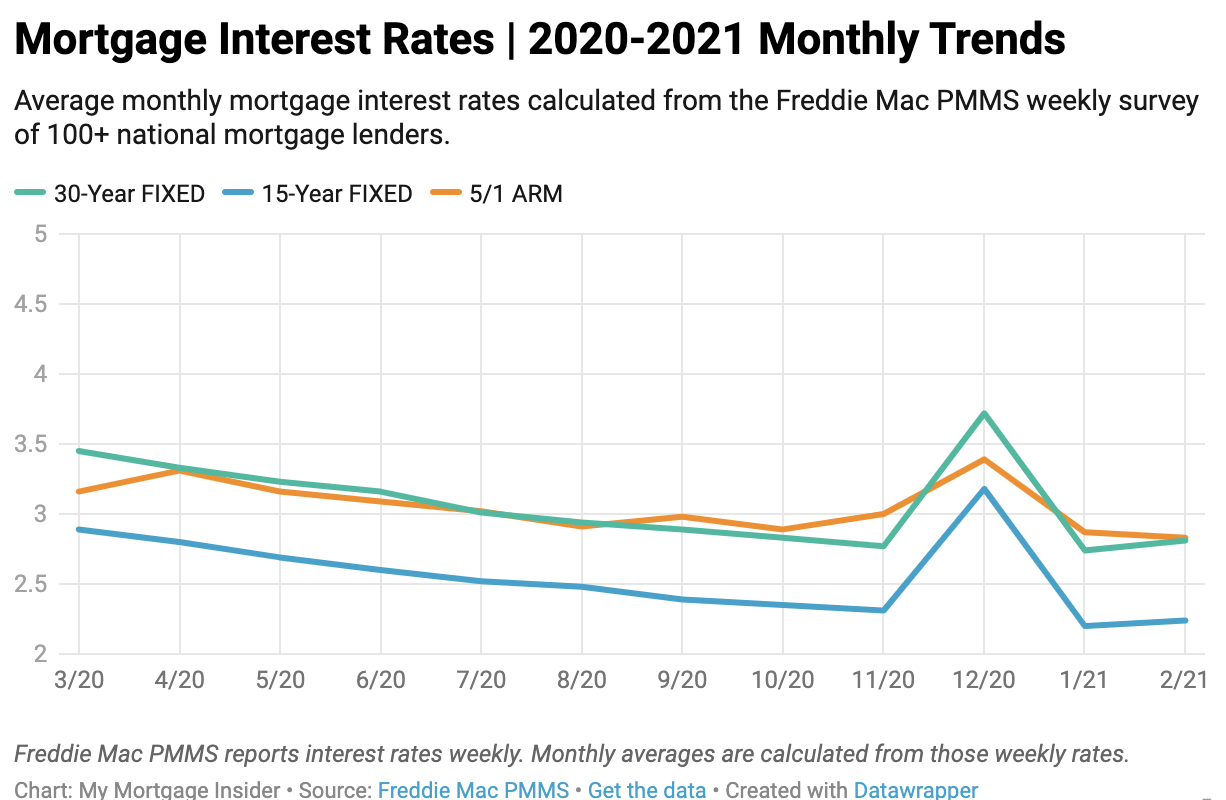
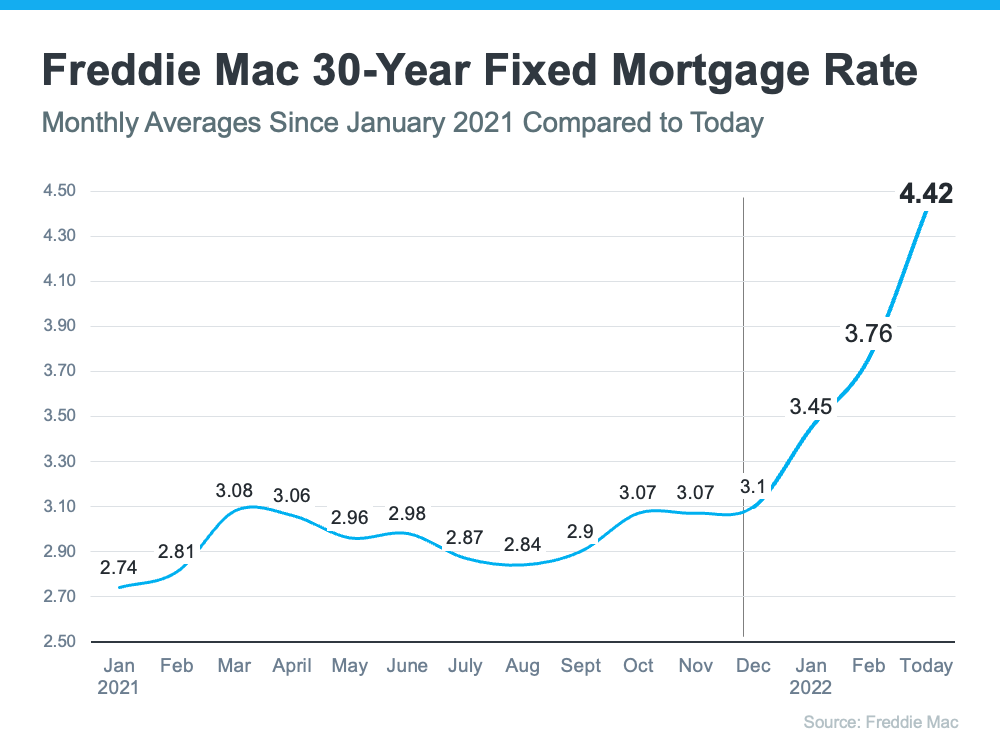
The question “what is the current fixed mortgage rate?” is a perennial one, echoing through the minds of aspiring homeowners, those looking to refinance, and anyone keen on understanding the broader economic landscape. In an environment marked by economic shifts and evolving central bank policies, pinpointing an exact, universally applicable “current” rate is like trying to hit a moving target. Rates are dynamic, influenced by a complex interplay of global, national, and personal financial factors.
For most individuals, securing a fixed-rate mortgage means locking in stability for what is often their largest monthly expense. This predictability allows for consistent budgeting and long-term financial planning, shielding homeowners from the uncertainties of fluctuating interest rates. However, understanding what drives these rates, how to find the best available options, and whether a fixed rate is the right choice for your specific situation requires a deeper dive into the intricacies of the mortgage market. This article will demystify the current fixed mortgage rate environment, equipping you with the knowledge to make informed financial decisions.
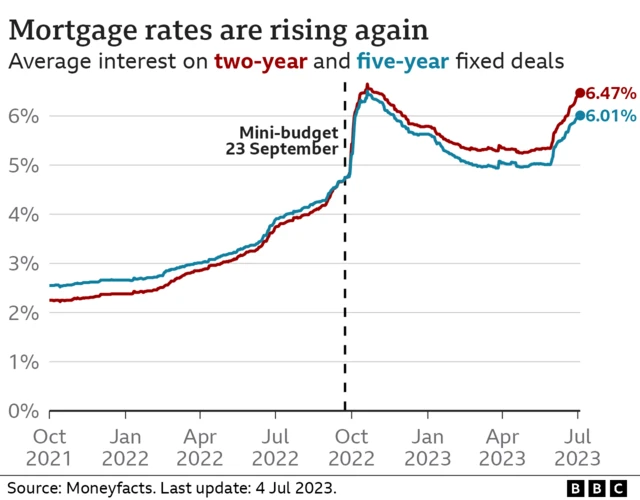
Understanding Fixed Mortgage Rates in Today’s Market
Before delving into the specifics of current rates, it’s crucial to grasp the fundamental nature of a fixed mortgage and the overarching forces that shape its cost.
What is a Fixed Mortgage Rate?
A fixed mortgage rate is an interest rate that remains constant throughout the entire term of the loan, typically 15 or 30 years. This means your monthly principal and interest payments will never change, offering unparalleled predictability.
Benefits:
- Predictable Payments: Your monthly mortgage payment for principal and interest stays the same, simplifying budgeting and financial planning.
- Protection from Rising Rates: If market interest rates increase, your fixed rate remains unchanged, saving you money over time compared to a variable-rate mortgage.
- Long-Term Stability: Ideal for homeowners planning to stay in their homes for many years, providing peace of mind against market volatility.
Drawbacks:
- Miss Out if Rates Fall: If market rates decrease significantly, you won’t benefit from lower payments unless you refinance, which incurs additional costs.
- Potentially Higher Initial Rates: Fixed rates are sometimes initially higher than adjustable-rate mortgages (ARMs) to compensate lenders for the risk of locking in a rate for a long period.
- Less Flexibility: While stable, there’s less inherent flexibility to adapt to market changes without the expense of refinancing.
Key Factors Influencing Current Rates
Mortgage rates are not set in a vacuum. They are a reflection of broader economic health and market sentiment, influenced by several powerful forces:
- Federal Reserve Policy (Fed Funds Rate): While the Fed doesn’t directly set mortgage rates, its actions, particularly regarding the federal funds rate, significantly influence the broader interest rate environment. When the Fed raises its benchmark rate to combat inflation, it tends to push up the cost of borrowing across the board, including mortgage rates.
- Inflation: Lenders factor in inflation because it erodes the purchasing power of future repayments. If inflation is high or expected to rise, lenders demand higher interest rates to ensure a real return on their investment.
- Economic Growth and Employment: A strong economy, characterized by robust job growth and increasing consumer spending, often leads to higher inflation expectations and, consequently, higher interest rates as demand for credit increases. Conversely, economic slowdowns can lead to lower rates.
- Bond Market (10-Year Treasury Yield): The yield on the 10-year U.S. Treasury note is a critical benchmark for long-term fixed mortgage rates. Mortgage-backed securities (MBS) often track the performance of the 10-year Treasury. When Treasury yields rise, mortgage rates typically follow suit, and vice versa.
- Lender Competition: The competitive landscape among mortgage lenders can slightly influence the rates offered. Intense competition might lead lenders to shave margins to attract borrowers.
- Global Events: Geopolitical stability, international conflicts, and major global economic shifts can all create uncertainty, leading investors to seek safer assets like U.S. Treasuries, which can impact yields and mortgage rates.
Navigating the Dynamics of Mortgage Rate Fluctuations
Understanding the current fixed mortgage rate requires an appreciation for the forces that cause them to ebb and flow, often daily. These dynamics are complex, but certain key indicators provide insight.
The Federal Reserve’s Role and Market Sentiment
The Federal Reserve plays a pivotal role in the U.S. financial system. While the federal funds rate is an overnight lending rate for banks, its adjustments cascade through the economy. When the Fed signals a path of rate hikes, it generally increases borrowing costs for banks, which then pass those costs on to consumers in the form of higher interest rates for loans, including mortgages. Conversely, a dovish stance or rate cuts signal an easing of monetary policy, potentially leading to lower rates.
Market sentiment often anticipates the Fed’s moves. Investors, traders, and lenders constantly analyze economic data and Fed rhetoric to predict future policy actions. This forward-looking nature means that mortgage rates can react to expected Fed policy changes even before they are formally announced.
Inflationary Pressures and Their Effect
Inflation is a significant driver of mortgage rates. When the cost of goods and services rises, the real value of money decreases. For lenders, this means that the fixed interest payments they receive over decades will be worth less in real terms by the end of the loan. To compensate for this erosion of purchasing power, lenders charge higher interest rates during periods of high or anticipated inflation. The Fed’s primary mandate often involves controlling inflation, and its aggressive actions to cool an overheating economy (e.g., through rate hikes) directly influence the trajectory of mortgage rates.
Economic Indicators to Watch
Staying informed about key economic indicators can help you anticipate shifts in mortgage rates:
- Consumer Price Index (CPI) and Personal Consumption Expenditures (PCE): These are the primary gauges of inflation. Higher-than-expected inflation reports often lead to an immediate uptick in mortgage rates. The PCE is the Fed’s preferred measure.
- Jobs Reports: Data like non-farm payrolls, the unemployment rate, and wage growth indicate the strength of the labor market. A robust job market can signal strong economic growth and potential inflation, often pushing rates higher.
- Gross Domestic Product (GDP): This measures the overall economic output. Strong GDP growth can lead to higher rates, while a contracting economy might lead to lower rates.
- Housing Market Data: Reports on existing home sales, new home sales, housing starts, and builder confidence provide insight into demand and supply within the housing sector, which can indirectly influence rates through overall economic sentiment.
Personal Factors Affecting Your Fixed Mortgage Rate
While macroeconomic factors set the stage for general mortgage rates, your individual financial profile plays a critical role in determining the specific rate you will be offered. Lenders assess risk, and your personal circumstances directly impact that assessment.
Credit Score: Your Financial Report Card
Your credit score is arguably the most influential personal factor. Lenders use it to gauge your creditworthiness and your likelihood of repaying the loan. A higher credit score (generally 740 and above for conventional loans) indicates a lower risk, allowing you to qualify for the most competitive interest rates. Conversely, a lower credit score will result in a higher interest rate, as lenders charge more to offset the increased risk.
Steps to improve your credit score before applying:
- Pay all bills on time, every time.
- Keep credit utilization low (below 30% of your available credit).
- Avoid opening new credit accounts shortly before applying for a mortgage.
- Review your credit report for errors and dispute them.
Down Payment: Skin in the Game
The size of your down payment directly impacts your loan-to-value (LTV) ratio, which is another key determinant of your interest rate. A larger down payment signifies that you have more “skin in the game” and reduces the lender’s risk. Lenders typically offer better rates for borrowers who put down 20% or more, as this also often eliminates the need for Private Mortgage Insurance (PMI), saving you additional money. Even a slightly larger down payment can sometimes nudge you into a better rate tier.
Loan-to-Value (LTV) Ratio
The LTV ratio is calculated by dividing the loan amount by the home’s appraised value. For example, a $320,000 loan on a $400,000 home has an 80% LTV ($320,000 / $400,000). A lower LTV ratio (meaning a higher down payment) generally translates to a lower interest rate, as it represents less risk for the lender.
Loan Term and Type
The length of your mortgage term significantly impacts your fixed rate. A 15-year fixed mortgage typically comes with a lower interest rate than a 30-year fixed mortgage. This is because lenders are exposed to interest rate risk for a shorter period. However, the trade-off is higher monthly payments with a 15-year loan due to the shorter repayment schedule.
The type of loan also matters:
- Conventional Loans: Standard loans, often requiring excellent credit for the best rates.
- Jumbo Loans: For loan amounts exceeding conforming limits; rates can differ due to their larger size and higher risk profile.
- Government-Backed Loans (FHA, VA, USDA): These loans have specific requirements and may offer competitive rates even with lower credit scores or smaller down payments, but they often come with their own unique fees (e.g., FHA mortgage insurance premiums).
Practical Steps to Secure Your Fixed Rate
Once you understand the market and personal factors, the next step is to navigate the application process effectively to secure the best possible fixed mortgage rate for your situation.
Research and Compare Lenders
This is arguably the most crucial step. Do not settle for the first quote you receive, even if it’s from your existing bank. Mortgage rates can vary significantly between lenders, sometimes by as much as half a percentage point or more, which can translate into tens of thousands of dollars over the life of a loan.
Strategy:
- Shop Around: Get quotes from at least 3-5 different types of lenders: large national banks, local banks, credit unions, and online mortgage lenders/brokers.
- Timing is Key: Obtain all your quotes within a short window (e.g., 14-45 days) to minimize the impact on your credit score from multiple inquiries. Credit bureaus recognize this as rate shopping and treat multiple inquiries for the same type of loan as a single event.
- Compare APR, Not Just Interest Rate: The Annual Percentage Rate (APR) provides a more comprehensive picture of the total cost of the loan, as it includes the interest rate plus certain closing costs and fees. It’s the best metric for true “apples-to-apples” comparison.
Understand the APR vs. Interest Rate
The interest rate is the percentage you pay on the money borrowed, expressed annually. It determines your principal and interest payment. The APR (Annual Percentage Rate), however, reflects the true annual cost of your loan. It includes the interest rate plus certain upfront costs, such as discount points, broker fees, and some other charges. Always compare the APR when evaluating loan offers to get the full financial picture. A lower interest rate might look appealing, but a higher APR could indicate more costly fees.
Consider “Locking In” Your Rate
Once you have found a desirable rate and are moving forward with a lender, consider “locking in” your rate. A rate lock is a lender’s guarantee that the interest rate offered to you will not change for a specified period, typically 30, 45, or 60 days, while your loan is being processed.
When to lock:
- When you are comfortable with the current rate and ready to proceed with the loan application.
- If you believe rates might be on an upward trend.
- Ensure the lock period is long enough to cover your expected closing date; extensions can be costly.
Some lenders may offer “float-down” options, which allow you to convert to a lower rate if market rates drop significantly during your lock period, often for an additional fee.
Prepare Your Documentation
A smooth mortgage application process depends heavily on your preparedness. Gather all necessary documents well in advance to avoid delays and potential rate lock expirations.
Typical documents required:
- Income Verification: Pay stubs (past 30-60 days), W-2s (past two years), tax returns (past two years if self-employed or commissioned), profit and loss statements.
- Asset Verification: Bank statements (past two months for checking/savings), investment account statements.
- Credit Information: Your lender will pull your credit report, but having reviewed it yourself beforehand is wise.
- Employment History: Contact information for employers over the past two years.
- Other: Rental history (if applicable), details on existing debts.
Is Now the Right Time for a Fixed Mortgage Rate?
The decision to secure a fixed mortgage rate, or even to buy or refinance, is highly personal and depends on your financial goals, risk tolerance, and economic outlook.
Weighing Stability Against Market Opportunity
A fixed-rate mortgage is a choice for stability. If you prioritize predictable monthly payments and plan to stay in your home for the long term (typically 5+ years), a fixed rate offers invaluable peace of mind, especially in volatile rate environments. It insulates you from potential future rate hikes, allowing for consistent budgeting.
Conversely, if you anticipate significant rate drops in the near future, or if you plan to move within a few years, an adjustable-rate mortgage (ARM) might initially offer a lower rate. However, ARMs come with the risk of increasing payments once the fixed period ends. Your comfort level with this risk should guide your decision.
Refinancing Considerations
For current homeowners with a fixed-rate mortgage, the question becomes: is it time to refinance? Refinancing makes sense if you can secure a significantly lower interest rate, which translates to substantial savings over the life of the loan. Other reasons to refinance include:
- Shortening your loan term: Converting from a 30-year to a 15-year fixed to pay off your home faster (though with higher monthly payments).
- Cash-out refinance: Tapping into your home equity for other financial needs, such as home improvements or debt consolidation.
- Eliminating PMI: If your home value has increased significantly and your LTV is now below 80%.
Always perform a break-even analysis to determine how long it will take for the savings from a lower interest rate to offset the closing costs associated with refinancing.
Future Outlook
While predicting future mortgage rates with certainty is impossible, economists generally look at the trajectory of inflation, the Fed’s monetary policy, and overall economic growth. In periods of economic uncertainty, rates may remain volatile. If inflation cools sustainably, and central banks ease their hawkish stance, there could be downward pressure on rates. However, a robust economy with persistent inflationary pressures would likely keep rates elevated. It’s crucial to acknowledge that the market constantly reprices expectations, making it challenging to time the market perfectly.
Conclusion
The “current fixed mortgage rate” is not a static number but rather a fluid figure shaped by a multitude of economic forces and individual financial profiles. While global and national economic conditions set the baseline, personal factors like your credit score, down payment, and loan choices ultimately determine the rate you’re offered.
To secure the most favorable fixed mortgage rate, a proactive approach is essential. This includes diligently researching and comparing offers from multiple lenders, understanding the difference between interest rates and APRs, and preparing all necessary documentation. For prospective homeowners, a fixed rate offers unparalleled predictability and stability, providing a clear path for managing one of life’s most significant financial commitments. For existing homeowners, ongoing vigilance regarding market shifts can open doors to advantageous refinancing opportunities. Ultimately, making an informed decision about your fixed mortgage rate empowers you to navigate the housing market with confidence and secure your financial future.
aViewFromTheCave is a participant in the Amazon Services LLC Associates Program, an affiliate advertising program designed to provide a means for sites to earn advertising fees by advertising and linking to Amazon.com. Amazon, the Amazon logo, AmazonSupply, and the AmazonSupply logo are trademarks of Amazon.com, Inc. or its affiliates. As an Amazon Associate we earn affiliate commissions from qualifying purchases.