
In the contemporary beverage landscape, the term “healthiest alcohol” is no longer a medical inquiry—it is a powerful marketing directive. For decades, the alcohol industry thrived on the pillars of rebellion, luxury, and social connection. However, a seismic shift in consumer consciousness has forced a pivot. Today’s consumers, led by Millennials and Gen Z, are increasingly “sober-curious” or wellness-focused. This has birthed a multi-billion dollar niche where the “healthiest alcohol” isn’t just a product; it is a meticulously crafted brand identity designed to reconcile the desire for indulgence with the pursuit of longevity.
The Strategic Shift: How ‘Healthy’ Became a High-Margin Brand Identity
The alcohol industry is currently witnessing a transition from “mass-market intoxication” to “curated moderation.” From a brand strategy perspective, the quest for the healthiest alcohol is an exercise in product differentiation. By positioning a spirit, wine, or beer as “healthy,” brands are able to command premium pricing and secure loyalty from a demographic that previously felt neglected by traditional liquor marketing.
Redefining Value Through the ‘Better-for-You’ Lens
The “Better-for-You” (BFY) movement has migrated from the grocery aisles of Whole Foods into the liquor store. Brands are no longer competing solely on taste or heritage; they are competing on “functional benefits” and “reduced negatives.” In brand strategy, this is known as negative-claim marketing. By highlighting what a product doesn’t have—sugar, carbs, gluten, or additives—brands create a perception of health.
When a brand positions itself as the “healthiest” option, it is effectively de-risking the purchase for the consumer. It provides a logical justification for an emotional purchase. For instance, a gin brand that emphasizes its “organic, locally sourced botanicals” is leveraging the health halo effect. The consumer isn’t just buying gin; they are buying an artisanal product that aligns with their holistic lifestyle.
The Psychology of the Guilt-Free Consumer
The core of wellness branding in the alcohol sector is the mitigation of “buyer’s remorse.” Traditional alcohol branding often leaned into the “party” atmosphere, which carries a subconscious association with hangovers and poor health choices. Modern branding replaces this with “conscious consumption.”
By marketing a dry farm wine or a low-calorie botanical vodka, brands tap into the “Health Halo.” This psychological phenomenon occurs when a consumer perceives a product to be healthy based on a single attribute (like “low carb”). This allows the brand to integrate seamlessly into the consumer’s daily wellness routine—next to their yoga mat and green juice—rather than being relegated to a weekend vice.
Case Studies in Liquid Wellness: Brands Winning the Health Race
Success in the “healthy alcohol” space requires more than just a low-calorie count; it requires a narrative that resonates with the lifestyle of the modern high-performer. Several brands have mastered this equilibrium, transforming their liquid assets into lifestyle icons.
The Hard Seltzer Revolution: White Claw and the Clean Canvas
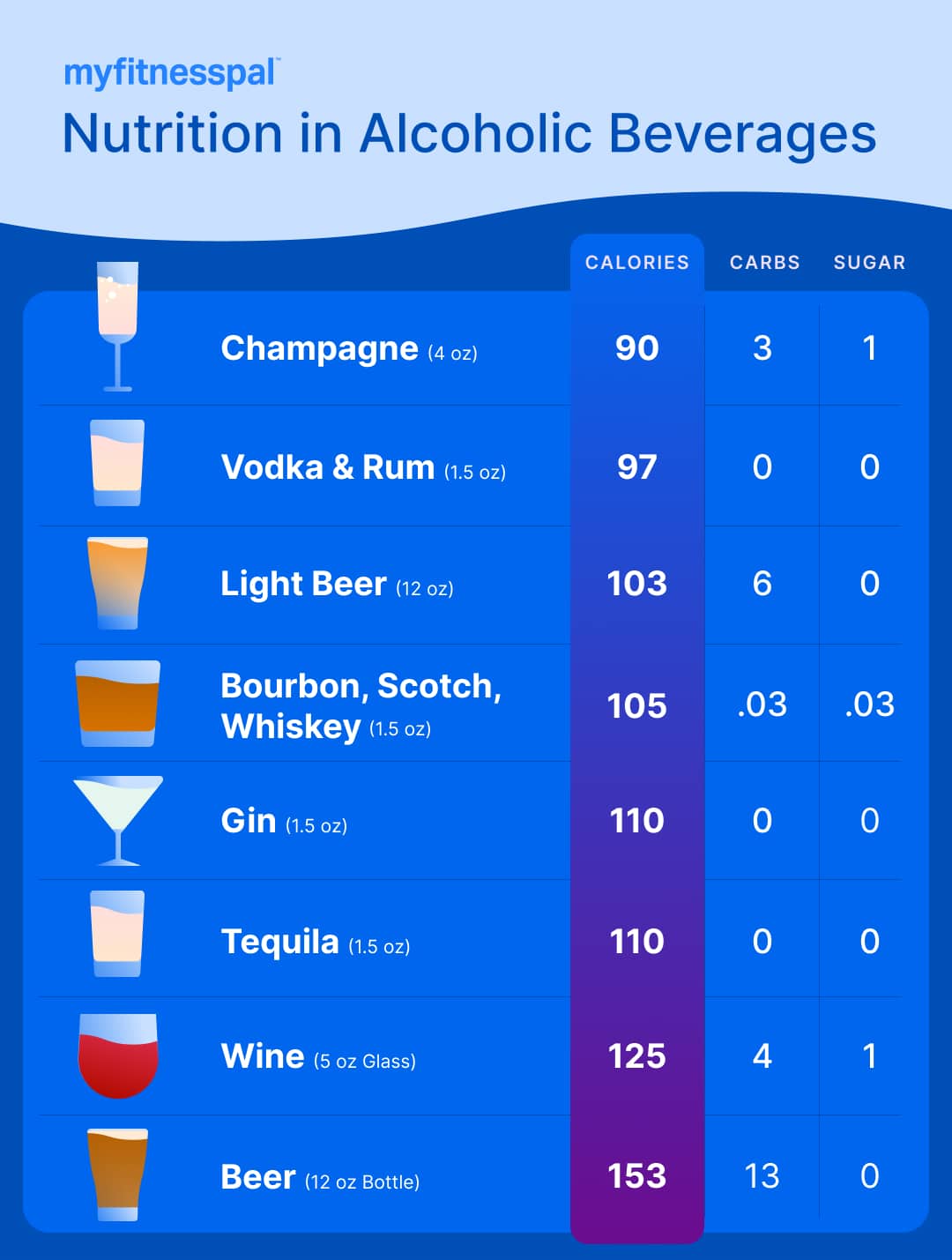
White Claw is perhaps the most significant brand case study of the last decade. It didn’t just sell a drink; it sold a “clean” experience. Its branding—minimalist, black-and-white, and gender-neutral—was a departure from the heavy, calorie-laden imagery of craft beer. White Claw’s success was built on the brand promise of “pure refreshment” with only 100 calories and 2 grams of carbs. It became the “healthiest alcohol” in the eyes of the public not because of its chemical makeup, but because its brand identity was the antithesis of the “beer belly.”
Natural Wines and the ‘Authenticity’ Brand Narrative
The natural wine movement has successfully branded “health” through the lens of purity and transparency. Brands like Dry Farm Wines have built an entire corporate identity around being “sugar-free,” “mold-free,” and “additive-free.” From a brand strategy standpoint, this is brilliant. They have taken an ancient product and rebranded it as a bio-hacking tool. By focusing on the “cleanliness” of the fermentation process, they have successfully targeted the “wellness elite” who prioritize ingredient integrity above all else.
The Non-Alcoholic Spirit: Seedlip and the Luxury of Choice
While not strictly “alcohol,” the rise of Seedlip represents the ultimate “healthy alcohol” brand strategy: removing the alcohol entirely while retaining the brand equity of a premium spirit. Seedlip’s branding utilizes sophisticated, botanical illustrations and high-end glass packaging to signal “sophistication.” They proved that the “healthiest alcohol” for many consumers is the one that allows them to participate in the ritual of a cocktail without the physiological toll.
Marketing Transparency: The Power of Clean Labels and Ingredient Storytelling
In an industry where ingredient labeling isn’t always federally mandated (depending on the jurisdiction), transparency has become a competitive advantage. Brands that voluntarily disclose their ingredients are winning the trust of the “label-reader” generation.
Beyond Calories: The ‘No-Additive’ Appeal
Modern brand strategy in the spirits world is moving toward “clean labels.” Tequila brands like Patron or Mijenta emphasize “additive-free” production. This is a direct response to a consumer base that is increasingly wary of artificial colors, glycerin, and corn syrup. By focusing the brand story on the “purity of the agave,” these companies position themselves as the “healthiest” choice in the tequila category. They aren’t just selling spirits; they are selling an agricultural product that respects the body.
Visual Identity: Minimalist Aesthetics as a Proxy for Health
The design language of “healthy” alcohol is distinct. It often utilizes “white space,” serif fonts that suggest medical or apothecary origins, and earth-toned color palettes. This visual identity is a strategic choice meant to mimic the branding of high-end skincare or organic supplements. When a bottle of “botanical vodka” looks like it belongs on a vanity rather than a bar cart, the brand has successfully bridged the gap between the alcohol and wellness industries.
Navigating Regulation and Ethics in Wellness-Alcohol Branding
The challenge for any brand claiming to be the “healthiest” is the strict regulatory environment. In many regions, making explicit health claims about alcohol is illegal. Therefore, brand strategists must master the art of “implied wellness.”
The Tightrope of Health Claims in a Regulated Industry
Brands cannot legally say “our vodka prevents hangovers” or “our wine is heart-healthy.” Instead, they use “lifestyle adjacency.” They sponsor marathons, partner with fitness influencers, and use keywords like “balanced,” “mindful,” “active,” and “clean.” This strategic ambiguity allows the brand to occupy the “health” space in the consumer’s mind without running afoul of regulators. The “healthiest alcohol” is therefore a brand that successfully implies benefits through its associations rather than its assertions.
Brand Longevity vs. Viral Trends
The risk in the “healthy alcohol” niche is being perceived as a fad. For a brand to have longevity, it must move beyond the “low-cal” gimmick and build a foundation on quality and heritage. The most successful brands in this space are those that use health as an “entry point” but secure the consumer through superior flavor and a compelling brand story. A brand that relies solely on being “sugar-free” is vulnerable to the next trend; a brand that represents a “mindful lifestyle” is built for the long term.

Conclusion: The Future of Alcohol is Branded Wellness
The quest for the “healthiest alcohol” has fundamentally altered the beverage industry’s DNA. We have entered an era where brand equity is measured not just by prestige, but by how well a product fits into a consumer’s holistic health goals.
For brand strategists, the lesson is clear: the modern consumer is no longer willing to sacrifice their wellness for their social life. They want products that reflect their values of transparency, purity, and moderation. The “healthiest alcohol” is ultimately the one that manages to tell a story of balance—a brand that acknowledges the joy of the drink while respecting the sanctity of the body. As this niche continues to evolve, the brands that win will be those that master the delicate alchemy of luxury, transparency, and the “Better-for-You” promise.
aViewFromTheCave is a participant in the Amazon Services LLC Associates Program, an affiliate advertising program designed to provide a means for sites to earn advertising fees by advertising and linking to Amazon.com. Amazon, the Amazon logo, AmazonSupply, and the AmazonSupply logo are trademarks of Amazon.com, Inc. or its affiliates. As an Amazon Associate we earn affiliate commissions from qualifying purchases.