
In the landscape of modern medicine, few biological structures have garnered as much scientific attention and technological investment as opioid receptors. Traditionally the domain of organic chemistry and clinical pharmacology, the study of these receptors has shifted into the realm of high-performance computing, artificial intelligence, and digital health technology. As we seek to solve the global crisis of chronic pain and addiction, the “tech-first” approach to neurobiology is providing a roadmap for precision medicine that was unimaginable a decade ago.
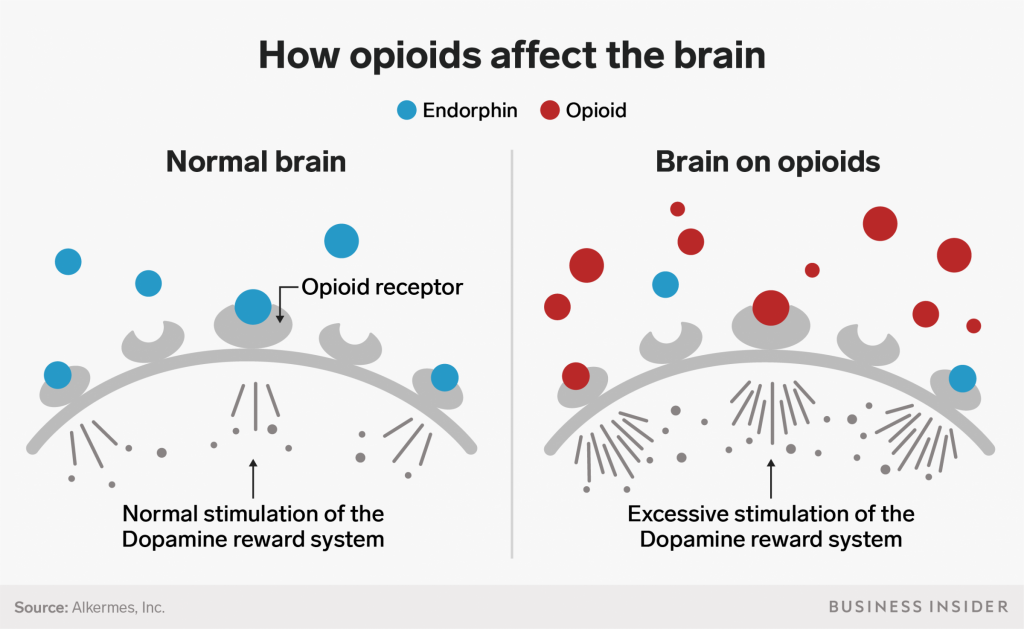
Opioid receptors are G protein-coupled receptors (GPCRs) located primarily in the central nervous system and the gastrointestinal tract. In technical terms, they are the “hardware” of the body’s pain-management system. When a signaling molecule (a ligand) binds to these receptors, it triggers a cascade of cellular responses that modulate pain, reward, and emotional regulation. However, the technological challenge lies in the fact that these receptors are not monolithic; they exist in various subtypes—mu, delta, kappa, and NOP—each with distinct functional profiles. Mastering the digital mapping and algorithmic targeting of these receptors is currently one of the most significant frontiers in biotechnology.
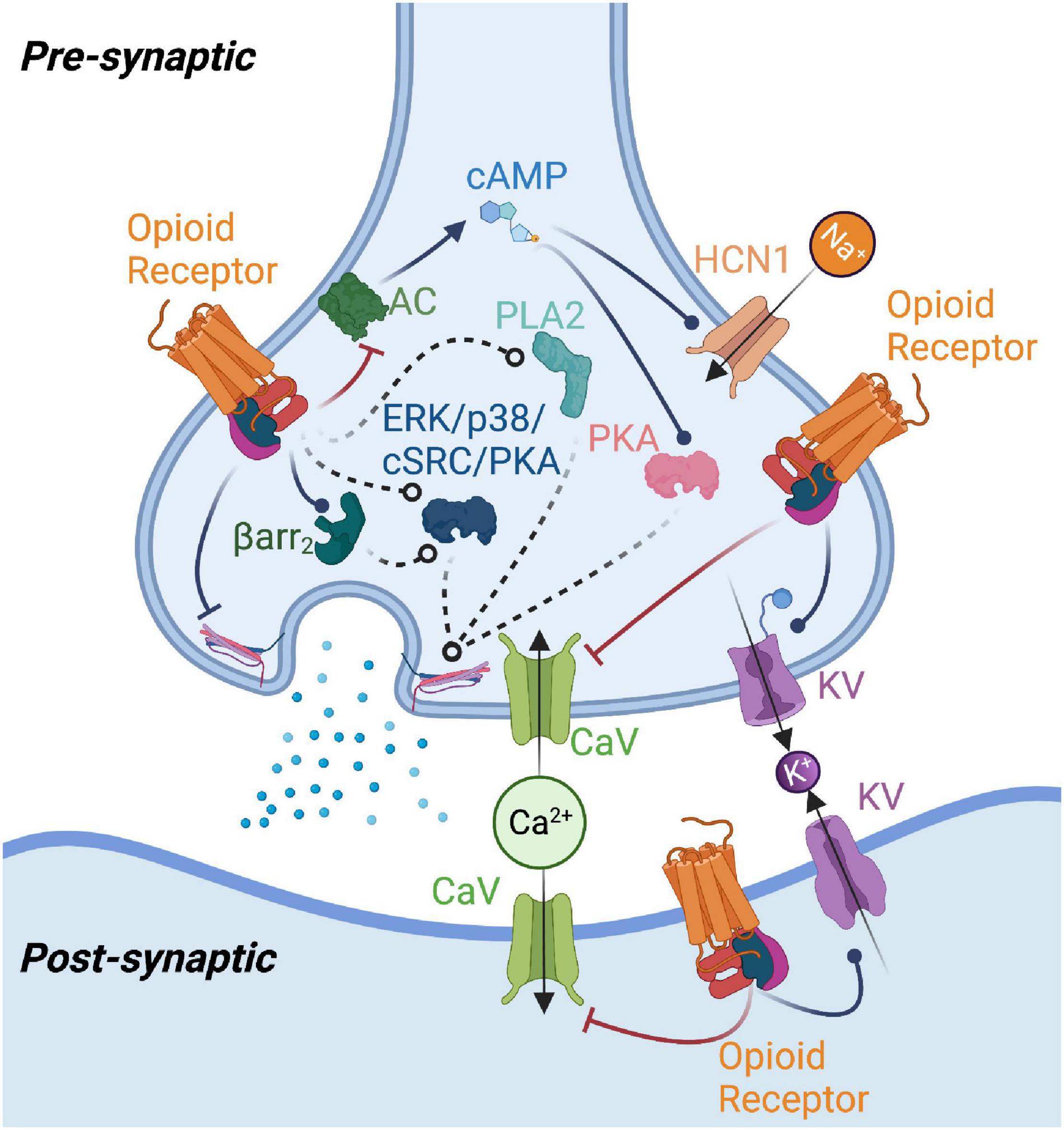
The Digital Mapping of Neurobiology: Decoding the Opioid Receptor Structure
The first step in any technological intervention is understanding the architecture of the system. For years, the exact physical structure of opioid receptors remained elusive because of their fluid, membrane-bound nature. Today, revolutionary advancements in imaging technology have transformed our understanding of these biological targets.
Cryo-Electron Microscopy and 3D Modeling
The emergence of Cryo-Electron Microscopy (Cryo-EM) has been a game-changer for structural biology. Unlike traditional X-ray crystallography, which required proteins to be crystallized—a difficult feat for delicate opioid receptors—Cryo-EM allows researchers to flash-freeze receptors in their native states. This tech provides high-resolution, 3D visualizations of the receptors at a near-atomic level. For tech developers and bio-engineers, this data provides the “source code” of the receptor, allowing for the identification of specific binding pockets where new, safer synthetic molecules can be inserted.
Simulating Protein-Ligand Interactions in Virtual Environments
Once a 3D model is established, the focus shifts to computational fluid dynamics and molecular docking simulations. Using supercomputing clusters, researchers can run “in silico” experiments, simulating how millions of different chemical compounds interact with a digital twin of an opioid receptor. These virtual environments allow scientists to predict how a molecule will bind to a receptor before a single physical gram of the substance is synthesized in a lab. This “fail-fast” digital methodology significantly reduces the cost and time associated with traditional R&D.
AI-Driven Drug Discovery: Engineering Next-Generation Analgesics
The marriage of Artificial Intelligence (AI) and pharmacology is perhaps the most exciting development in the study of opioid receptors. By leveraging machine learning (ML) algorithms, the tech industry is assisting pharmaceutical companies in moving beyond the “trial and error” phase of drug discovery.
Machine Learning Algorithms for Selective Agonism
One of the primary dangers of traditional opioids is their lack of selectivity. A drug might hit the mu-opioid receptor to alleviate pain but simultaneously trigger pathways that cause respiratory depression or intense euphoria leading to addiction. Tech startups are now utilizing “biased signaling” algorithms. These AI tools analyze massive datasets to design ligands that are “functionally selective.” This means the software can predict which molecules will activate the “pain-relief” pathway while ignoring the “side-effect” pathway. This high-precision engineering is essentially a software-guided hack of human biology.
Reducing Side Effects via Computational Toxicity Screening
Predictive analytics play a crucial role in ensuring the safety of new technologies targeting opioid receptors. Deep learning models, trained on decades of clinical data, can now screen potential drug candidates for “off-target” effects. By analyzing the molecular structure, the AI can flag a compound if it predicts a high likelihood of crossing the blood-brain barrier in a way that causes high-risk dependencies. This preemptive screening ensures that only the most viable and safe technological candidates move into the expensive phase of human clinical trials.

Wearable Tech and Neuro-Modulation: Beyond Chemical Intervention
While chemical engineering remains vital, the tech industry is increasingly looking at “digital therapeutics” and hardware-based solutions to interact with the body’s opioid systems. If we view opioid receptors as the body’s internal circuitry, neuro-modulation is the attempt to influence that circuitry using electrical rather than chemical signals.
Transcutaneous Electrical Nerve Stimulation (TENS) and Digital Feedback Loops
Modern TENS units and wearable pain-management devices have evolved from simple “zapping” tools into sophisticated, IoT-connected devices. These wearables use advanced sensors to monitor a user’s physiological stress markers, such as heart rate variability (HRV) and skin conductance. When the device detects a pain spike, it uses optimized electrical pulses to stimulate the release of endogenous opioids (endorphins) within the body. By leveraging the body’s own natural “opioid receptor hardware,” these devices offer a non-pharmacological alternative to traditional painkillers.
The Role of Brain-Computer Interfaces (BCI) in Pain Management
Looking further into the future, companies like Neuralink and other BCI innovators are exploring how direct neural interfaces can modulate the perception of pain. By identifying the specific clusters of opioid receptors in the thalamus or the periaqueductal gray area of the brain, BCIs could theoretically “mute” pain signals digitally. This involves a complex interplay of signal processing and real-time data analysis, where the hardware learns to recognize the neural signature of pain and emits a counter-signal, effectively managing chronic conditions through a closed-loop digital system.
Data Security and Ethical Governance in Pain-Related Bio-Tech
As our understanding of opioid receptors moves into the cloud, new challenges regarding digital security and data privacy emerge. The biological data of an individual—specifically their neurobiology and their sensitivity to pain or addiction—is perhaps the most sensitive data point that can exist.
Protecting Sensitive Neurological Data
The integration of AI and wearable tech in managing opioid receptor responses requires the collection of vast amounts of biometric data. This information is a prime target for cyberattacks. If a hacker were to gain access to a patient’s “neuro-profile,” they could theoretically understand that person’s physiological vulnerabilities. Therefore, the implementation of blockchain for data integrity and end-to-end encryption for neural-link devices is becoming a standard requirement in the medical tech sector. Digital security is no longer an afterthought; it is a fundamental component of the “treatment” itself.
Algorithmic Bias in Pain Treatment Software
Another critical tech-centric concern is the potential for algorithmic bias. If the machine learning models used to study opioid receptors are trained on data that lacks diversity, the resulting medications or digital therapies might not be effective for all populations. For instance, research shows that genetic variations can change how different ethnic groups’ opioid receptors respond to certain stimuli. Tech developers must ensure that their datasets are inclusive to prevent a “digital divide” in pain management, where certain groups are underserved by the very technology meant to save them.
The Future: Toward a “Digital Pharmacy”
The convergence of biotechnology and information technology is fundamentally redefining what we mean by “opioid receptor” research. We are moving away from a world of blunt chemical instruments and toward a future of high-precision, digitally-augmented neuro-modulation. By treating the human body as a complex system of receptors and signals—essentially a biological network—the tech industry is providing the tools necessary to unlock safe, effective, and non-addictive ways to manage the human experience of pain.
As we continue to refine our 3D models, sharpen our AI algorithms, and secure our neural data, the focus remains clear: leveraging the power of technology to master the biological hardware of our own bodies. The study of opioid receptors is no longer just a chapter in a medical textbook; it is a primary vertical in the global technology roadmap.
aViewFromTheCave is a participant in the Amazon Services LLC Associates Program, an affiliate advertising program designed to provide a means for sites to earn advertising fees by advertising and linking to Amazon.com. Amazon, the Amazon logo, AmazonSupply, and the AmazonSupply logo are trademarks of Amazon.com, Inc. or its affiliates. As an Amazon Associate we earn affiliate commissions from qualifying purchases.