
In the global landscape of finance, the term “Haram” serves as a fundamental boundary that defines the permissible (Halal) and the prohibited. While the word itself is rooted in Arabic, meaning “forbidden” or “sacred,” its application in the world of money and investment has created one of the fastest-growing niches in the international financial sector: Islamic Finance. Understanding what is Haram is not merely a theological exercise; it is a prerequisite for participating in a multi-trillion-dollar economy that governs the wealth of over 1.8 billion people and attracts ethical investors from all walks of life.
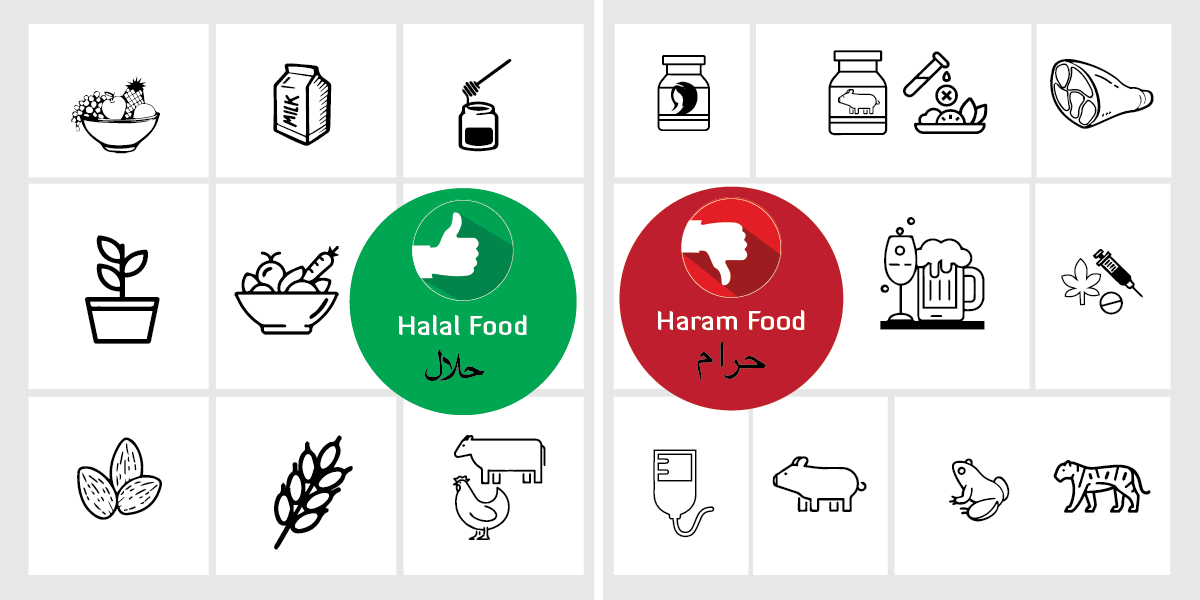
In a financial context, Haram refers to assets, activities, and structures that are considered exploitative, harmful to society, or contrary to the principles of justice and transparency. By exploring the parameters of what is forbidden, we gain a clearer picture of how “ethical money” operates and how investors can navigate the complexities of modern markets while remaining Sharia-compliant.
The Core Pillars of Financial Prohibition: Riba, Gharar, and Maysir
The foundation of Islamic financial ethics rests on the avoidance of three primary elements. These are the cornerstones of what constitutes Haram in any transaction, from a simple bank loan to complex derivative trading.
Riba: The Prohibition of Usury and Interest
Riba is perhaps the most well-known prohibition in the Money category. It refers to the exploitative gain made in trade or business under Islamic law. Most commonly, it translates to the charging or receiving of interest. In a Sharia-compliant framework, money is viewed as a medium of exchange, not a commodity that can generate more money on its own without the involvement of physical assets or labor.
The logic behind labeling interest as Haram is rooted in social justice. When a lender charges interest, they shift all the risk onto the borrower while securing a guaranteed return for themselves. This is seen as an unequal distribution of risk. To avoid Riba, financial institutions utilize profit-and-loss sharing models, where the “lender” becomes a partner in the venture, sharing both the rewards and the potential failures.
Gharar: Excessive Uncertainty and Ambiguity
Gharar refers to transactions that involve excessive risk or uncertainty. It is often described as “selling a fish while it is still in the water” or “selling a bird while it is still in the air.” In modern finance, this concept is applied to contracts where the consequences are hidden or the outcome is overly dependent on chance.
Because of the prohibition of Gharar, many conventional insurance products and complex derivatives (like certain options and futures) are considered Haram. The lack of transparency regarding the ultimate delivery of the service or the exact price paid makes these transactions non-compliant. For a contract to be Halal, all terms—including price, quantity, and delivery time—must be clearly defined to prevent one party from taking advantage of the other’s ignorance.
Maysir: Gambling and Speculation
Maysir refers to wealth acquired by chance rather than through productive effort or the assumption of legitimate business risk. While all investments involve some level of risk, Maysir pertains to pure speculation or gambling. This is why highly volatile, speculative trading strategies that resemble a casino environment are labeled Haram. The focus of Sharia-compliant finance is on sustainable, value-driven growth rather than “get-rich-quick” schemes that rely on the misfortune of others or random market fluctuations.
Sector-Based Prohibitions: Where Capital Cannot Flow
Beyond the structure of the contract, the “what” of the investment matters just as much as the “how.” Even if a contract is free of interest and uncertainty, the underlying business activity must be ethical. This leads to a process known as “Negative Screening,” where certain sectors are strictly off-limits for capital allocation.
Forbidden Commodities and Services
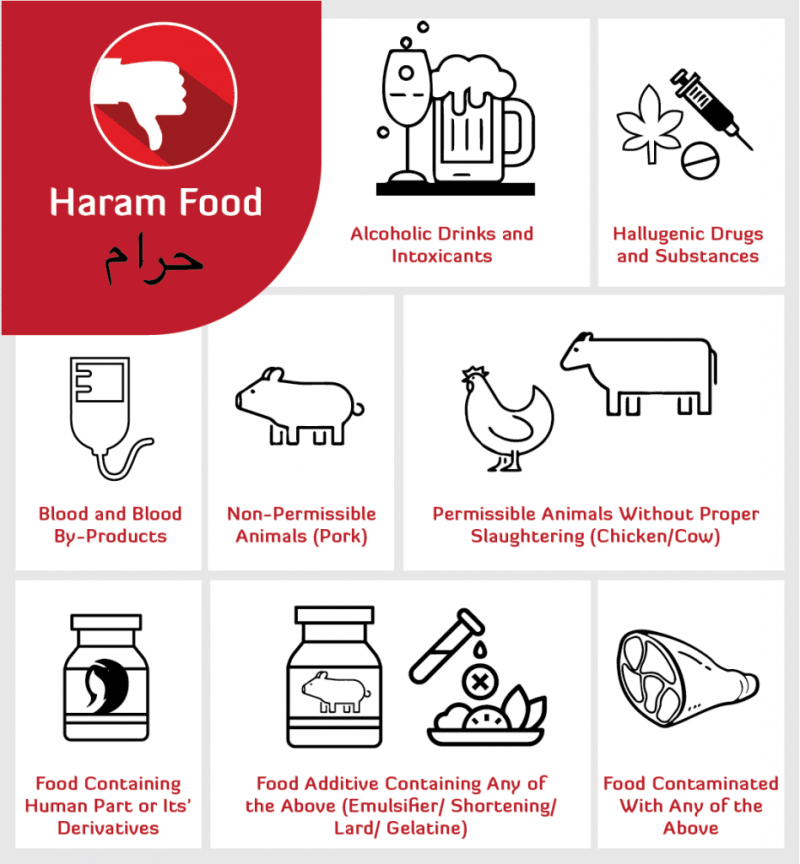
For an investment to be considered Halal, the company must not derive significant revenue from activities deemed harmful or immoral. The primary “Haram industries” include:
- Alcohol and Tobacco: The production, sale, and distribution of intoxicants.
- Pork-related Products: Any involvement in the processing or sale of swine.
- Gambling and Casinos: Including the manufacturing of slot machines or the operation of betting venues.
- Adult Entertainment: Any industry related to pornography or the exploitation of human dignity.
- Conventional Weaponry: While self-defense is recognized, aggressive weaponry and the arms trade often fall under strict scrutiny.
The Financial Screening Process
In the world of equity investing, a company might not be in a “Haram” industry (like tech or healthcare), but it might still be non-compliant due to its financial health. Financial analysts use specific ratios to determine if a stock is Haram. For example, if a company’s debt-to-equity ratio is too high (usually over 33%), it is considered too reliant on interest-bearing debt and becomes off-limits for Sharia-conscious investors. Similarly, if a company earns more than 5% of its total income from “impure” or Haram sources, it is generally excluded from Islamic investment portfolios.
The Alternative to Haram: Sharia-Compliant Investment Vehicles
Identifying what is Haram is the first step toward building a “Halal” portfolio. To fill the void left by prohibited instruments, the financial world has developed sophisticated alternatives that mirror the utility of conventional finance without violating ethical constraints.
Sukuk: The Islamic Alternative to Bonds
Conventional bonds are essentially IOUs where the issuer pays interest to the lender. Since interest is Haram, Islamic finance uses “Sukuk.” Sukuk are certificates of ownership in a tangible asset or a specific project. Instead of receiving interest, Sukuk holders receive a share of the profits generated by the underlying asset. This ensures that the investment is backed by real-world economic activity, reducing the likelihood of “asset bubbles” and ensuring the money is tied to actual productivity.
Mudarabah and Musharakah: Equity and Partnership
To replace interest-based loans for businesses, Islamic finance relies on partnership models.
- Mudarabah is a profit-sharing contract where one party provides the capital and the other provides the expertise. If the business makes a profit, it is shared. If it loses money, the investor loses the capital, and the manager loses their time and effort.
- Musharakah is a joint venture where all parties contribute both capital and management. Profits are shared according to a pre-agreed ratio, while losses are shared according to the capital contribution. These models align the interests of the financier and the entrepreneur, creating a more collaborative and stable economic environment.
The Strategic Value of “No”: Why Haram Boundaries Matter
The prohibition of certain financial practices is often viewed as a restriction. However, from a strategic money management perspective, the boundaries of Haram offer a unique form of risk mitigation that has proven resilient during global financial crises.
Convergence with ESG and Socially Responsible Investing (SRI)
There is a massive overlap between Islamic Finance and the modern movement toward ESG (Environmental, Social, and Governance) investing. Both frameworks prioritize ethics over blind profit. By avoiding Haram sectors like tobacco or high-interest debt, Sharia-compliant funds naturally gravitate toward sustainable and socially responsible companies. This alignment has brought Islamic finance into the mainstream, attracting non-Muslim investors who seek a “cleaner” way to grow their wealth.
Resilience Through Asset-Backing
One of the primary reasons Sharia-compliant portfolios often outperform or remain stable during market crashes (such as the 2008 financial crisis) is the avoidance of “toxic” Haram assets. Because Islamic finance forbids the sale of debt and requires all transactions to be backed by physical assets, it prevents the excessive leverage and “paper wealth” that lead to systemic collapses. By defining what is Haram, the system inherently enforces a disciplined, asset-based approach to wealth creation.

Conclusion: The Ethical Framework of Modern Wealth
“What is the Haram” is a question that leads to the heart of ethical wealth management. It is a framework that challenges the “growth at any cost” mentality of conventional finance and replaces it with a system based on equity, transparency, and social responsibility. By prohibiting Riba, Gharar, and Maysir, and by screening out harmful industries, the concept of Haram creates a protective barrier for investors.
In an era where digital currencies, complex fintech tools, and global market volatility are the norm, these ancient prohibitions provide a surprisingly modern roadmap. They encourage investors to look beyond the balance sheet and consider the moral and social impact of their capital. Ultimately, understanding what is forbidden is the most effective way to identify what is truly valuable, ensuring that the pursuit of profit never comes at the expense of justice or the greater good.
aViewFromTheCave is a participant in the Amazon Services LLC Associates Program, an affiliate advertising program designed to provide a means for sites to earn advertising fees by advertising and linking to Amazon.com. Amazon, the Amazon logo, AmazonSupply, and the AmazonSupply logo are trademarks of Amazon.com, Inc. or its affiliates. As an Amazon Associate we earn affiliate commissions from qualifying purchases.