
For millions of Americans, Social Security represents a cornerstone of retirement planning, a vital safety net that provides a regular income stream in later life. Yet, despite its widespread importance, many individuals find themselves asking a fundamental question: “How much will I receive in Social Security?” The answer, while seemingly straightforward, is a complex tapestry woven from your personal work history, earnings, age at which you claim benefits, and a myriad of other factors. Understanding these variables is not just an academic exercise; it’s a critical step in building a robust financial future. This comprehensive guide aims to demystify the process, providing clarity on how your Social Security benefits are determined and how you can strategically approach claiming them.
The Fundamentals of Social Security Benefits
Before delving into the specifics of benefit calculations, it’s essential to grasp the foundational principles of the Social Security program. Conceived during the Great Depression, Social Security was designed to provide economic security for Americans, evolving over decades to cover various contingencies beyond just retirement.
What is Social Security?
Social Security is a social insurance program administered by the U.S. federal government. It’s funded primarily through payroll taxes, known as Federal Insurance Contributions Act (FICA) taxes, paid by workers and their employers. These taxes are not saved in individual accounts; rather, they are used to pay current beneficiaries. Any surplus is invested in special Treasury bonds, managed by the Social Security Trust Funds. The program provides retirement income, disability benefits, and survivor benefits to eligible individuals and their families. It acts as a three-legged stool alongside personal savings and employer-sponsored pensions (or 401ks) to support retirees.
Who is Eligible for Benefits?
Eligibility for Social Security benefits is primarily based on your work history and the payment of FICA taxes. As you work and pay into the system, you earn “credits.” In 2024, you earn one credit for each $1,730 of earnings, up to a maximum of four credits per year. To be eligible for retirement benefits, most individuals need 40 credits, which typically equates to 10 years of work. Eligibility for disability and survivor benefits has different credit requirements, often depending on your age at the time of the event. Beyond earning credits, eligibility also depends on reaching a certain age, typically 62 for early retirement benefits, or your Full Retirement Age (FRA) for unreduced benefits.
The Role of Your Work History
Your work history is the bedrock upon which your Social Security benefits are built. The Social Security Administration (SSA) looks at your entire earnings record, specifically focusing on your highest 35 years of indexed earnings. “Indexed earnings” means your past wages are adjusted to reflect changes in the average wage level in the economy over time, bringing their value up to a common baseline. If you have fewer than 35 years of earnings, the SSA will use zero for the missing years, which can significantly reduce your average and, consequently, your benefit amount. This indexing process ensures that the benefits you receive in retirement reflect your lifetime earnings fairly, accounting for inflation and wage growth.
Key Factors Influencing Your Benefit Amount
While your work history sets the stage, several other critical factors play a pivotal role in determining the exact dollar amount of your monthly Social Security check. Understanding these elements empowers you to make informed decisions about your retirement strategy.
Your Average Indexed Monthly Earnings (AIME)
The Average Indexed Monthly Earnings (AIME) is the initial step in calculating your primary insurance amount. As mentioned, the SSA takes your highest 35 years of indexed earnings, sums them up, and then divides that total by 420 (the number of months in 35 years). This calculation yields your AIME. A higher AIME directly translates to a higher potential Social Security benefit. This highlights the importance of consistent employment and earning as much as possible throughout your career, particularly during your peak earning years.
Your Full Retirement Age (FRA)
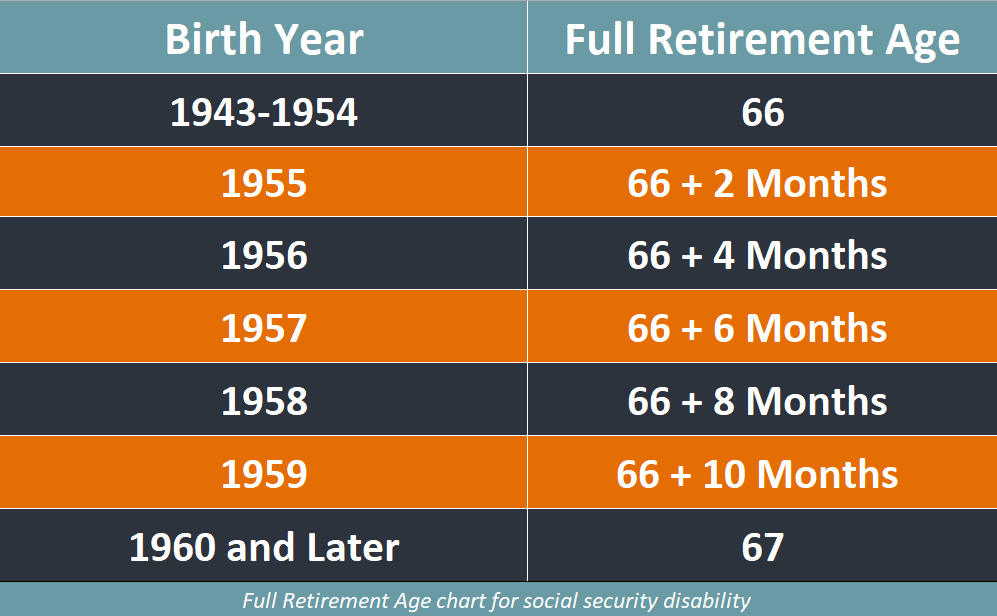
Your Full Retirement Age (FRA) is perhaps one of the most crucial determinants of your benefit amount. It’s the age at which you are entitled to receive 100% of your primary insurance amount (PIA). Your FRA depends on your birth year. For those born between 1943 and 1954, it’s 66. For those born in 1960 or later, it’s 67. For birth years in between, it gradually increases. Claiming benefits before your FRA results in a permanent reduction in your monthly payment, while delaying beyond your FRA can lead to higher monthly payments.
The Impact of Claiming Early vs. Delaying Benefits
This decision point is where most individuals have the greatest control over their Social Security income.
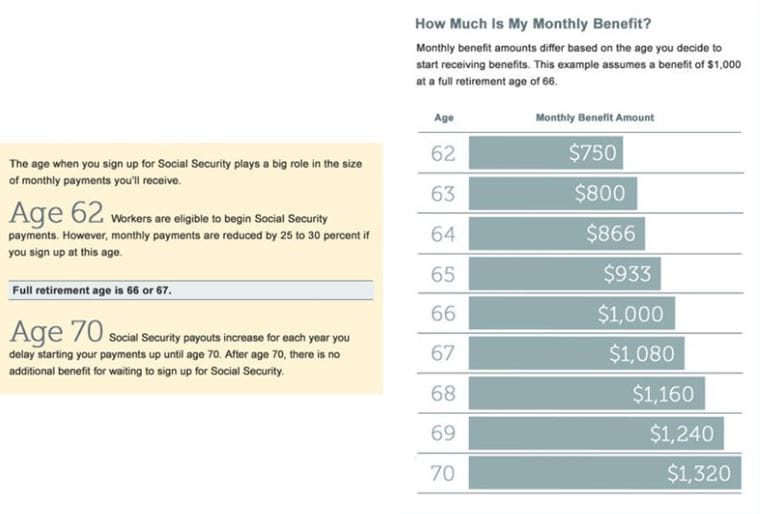
- Claiming Early (Age 62-FRA): You can start receiving retirement benefits as early as age 62. However, for each month you claim before your FRA, your benefit is permanently reduced. For example, if your FRA is 67 and you claim at 62, your monthly benefit will be reduced by approximately 30%. This reduction is designed to offset the fact that you will receive benefits for a longer period.
- Claiming at Full Retirement Age (FRA): At your FRA, you receive 100% of your calculated benefit. This is the baseline for your monthly payment.
- Delaying Benefits (FRA-Age 70): For each year you delay claiming benefits past your FRA, up until age 70, you earn “delayed retirement credits.” These credits increase your monthly benefit by 8% per year (for those born in 1943 or later). This means that by delaying from age 67 to 70, you can increase your monthly benefit by 24% for the rest of your life, in addition to cost-of-living adjustments (COLAs). Beyond age 70, there are no further increases for delaying.
This trade-off between receiving benefits sooner and receiving a higher monthly amount for life is a central consideration in retirement planning, heavily influenced by your personal health, financial needs, and other income sources.
Spousal and Survivor Benefits
Social Security isn’t just for primary workers. It also extends benefits to certain family members based on the worker’s earnings record.
- Spousal Benefits: If you are married, you may be eligible to receive up to 50% of your spouse’s full retirement benefit amount, provided your own benefit is less than that amount. You can claim spousal benefits as early as age 62, though it will be reduced, or at your FRA for the full 50%. Your spouse must typically have filed for their own benefits for you to claim spousal benefits.
- Survivor Benefits: If your spouse passes away, you (and potentially dependent children) may be eligible for survivor benefits. A surviving spouse can receive between 71.5% and 100% of the deceased worker’s basic benefit amount, depending on the survivor’s age at claiming. There are also benefits for divorced spouses under certain conditions. These benefits provide crucial financial support during difficult times.
Calculating Your Estimated Social Security Benefits
While the intricacies of Social Security calculations can seem daunting, the Social Security Administration provides excellent tools and resources to help you estimate your future benefits with considerable accuracy.
Accessing Your Social Security Statement
The easiest and most direct way to get a personalized estimate of your Social Security benefits is by reviewing your Social Security Statement. This statement provides a detailed summary of your earnings history, estimated benefits at different claiming ages (62, FRA, and 70), and estimates for disability and survivor benefits. You can access your statement online by creating a “my Social Security” account at the SSA’s official website (www.ssa.gov). It’s advisable to review your statement annually to check for any errors in your earnings record, as corrections can impact your future benefits.
Using the Social Security Administration’s Online Tools
Beyond your personalized statement, the SSA’s website offers a suite of user-friendly calculators. These tools allow you to model different scenarios, such as how claiming age affects your benefit, or how future earnings might change your estimates.
- Retirement Estimator: This tool lets you plug in different scenarios for future earnings and retirement dates to see how they impact your estimated benefit.
- Benefit Calculators: Specific calculators for spousal, survivor, and disability benefits are also available, providing more tailored estimates for these situations.
Utilizing these tools can provide invaluable insights into how your decisions today will shape your Social Security income tomorrow.
Understanding Your Primary Insurance Amount (PIA)
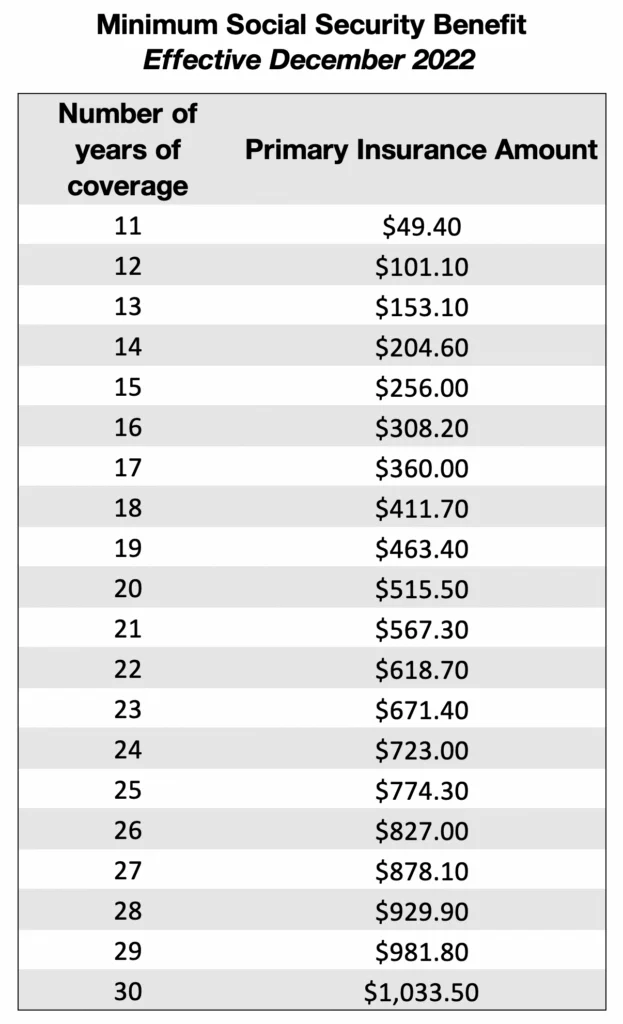
Your Primary Insurance Amount (PIA) is the monthly benefit you would receive if you start collecting Social Security benefits at your Full Retirement Age (FRA). It’s the base figure from which all other benefit amounts (early, delayed, spousal, survivor) are derived. The SSA calculates your PIA using a three-step formula that applies different percentages to specific “bend points” in your AIME. These bend points are adjusted annually. Because the PIA formula is progressive, it provides a higher percentage of replacement income to lower-income workers compared to higher-income workers, reflecting the program’s goal of providing a safety net.
Strategies to Maximize Your Social Security Income
Given the significant role Social Security plays in retirement security, adopting strategies to maximize your benefits is a wise financial move. These strategies often involve trade-offs and personal considerations.
Working Longer to Boost Earnings
Since your benefit calculation uses your highest 35 years of indexed earnings, continuing to work in your later years, especially if these years represent your highest earning periods, can significantly increase your AIME. If you have years with low or zero earnings in your current 35-year history, even a few additional years of work at a higher salary can replace those lower-earning years, thereby boosting your average and ultimately your PIA.
Strategically Timing Your Claim
As discussed, the decision of when to claim benefits is paramount. Delaying benefits beyond your FRA up to age 70 results in substantial increases due to delayed retirement credits. For many, especially those who are healthy, have other retirement savings, or enjoy their work, delaying can be an effective way to secure a higher guaranteed income stream for the rest of their lives. This can also provide a larger survivor benefit for a spouse. The optimal claiming age is highly individual and depends on factors like life expectancy, current financial needs, and overall retirement portfolio.
Coordinating Benefits with a Spouse
Couples have unique opportunities to optimize their combined Social Security benefits. Strategic claiming can involve one spouse claiming early while the other delays, or one claiming spousal benefits while earning delayed retirement credits on their own record (though “file and suspend” and “restricted application” strategies have largely been phased out for those born after 1953, individual decisions about when each spouse claims their own or spousal benefits remain crucial). Careful planning can maximize the total lifetime benefits for both spouses and provide a larger survivor benefit. Financial advisors specializing in retirement planning can help navigate these complex decisions.
Considering Taxes on Social Security Benefits
It’s important to remember that a portion of your Social Security benefits may be subject to federal income tax if your “provisional income” (adjusted gross income + tax-exempt interest + half of your Social Security benefits) exceeds certain thresholds. For single filers, this threshold is $25,000 to $34,000, and for married couples filing jointly, it’s $32,000 to $44,000. Above these thresholds, up to 50% or 85% of your benefits may be taxable. Some states also tax Social Security benefits. Factor these potential taxes into your overall retirement income planning.
Integrating Social Security into Your Retirement Plan
Social Security, while crucial, is rarely enough to sustain a comfortable retirement on its own. It’s best viewed as a foundational element within a broader, diversified financial strategy.
Social Security as One Leg of the Retirement Stool
Financial planners often liken retirement income to a three-legged stool, with Social Security being one leg, personal savings (like 401(k)s, IRAs, and other investments) forming the second, and pensions or other income sources (like part-time work or rental income) making up the third. Social Security is designed to replace only a portion of your pre-retirement income, typically around 40% for the average earner. Relying solely on Social Security would likely result in a significant drop in your standard of living.
The Importance of Diversified Savings
To bridge the gap between Social Security benefits and your desired retirement lifestyle, diversified savings are indispensable. This includes employer-sponsored retirement plans, individual retirement accounts, taxable investment accounts, and potentially real estate. The power of compound interest over decades, coupled with prudent investment choices, allows these savings to grow substantially, providing the financial cushion needed to supplement your Social Security income. A well-diversified portfolio helps mitigate risks and ensures greater financial resilience throughout your retirement years.
Seeking Professional Financial Advice
Navigating the complexities of Social Security, integrating it with your other retirement assets, and making optimal claiming decisions can be challenging. A qualified financial advisor specializing in retirement planning can provide invaluable guidance. They can help you:
- Analyze your entire financial picture, including all assets, debts, and income sources.
- Project your future cash flow needs and assess potential shortfalls.
- Model different Social Security claiming strategies to identify the most advantageous one for your specific circumstances.
- Develop a comprehensive retirement plan that coordinates Social Security with your savings, investments, and other income streams, ensuring a secure and comfortable future.
Understanding “how much will I receive in Social Security” is more than just knowing a number; it’s about making informed decisions that will impact your financial well-being for decades. By taking the time to educate yourself, utilize available resources, and potentially seek expert advice, you can strategically position yourself to maximize this vital retirement benefit and build the retirement you envision.
aViewFromTheCave is a participant in the Amazon Services LLC Associates Program, an affiliate advertising program designed to provide a means for sites to earn advertising fees by advertising and linking to Amazon.com. Amazon, the Amazon logo, AmazonSupply, and the AmazonSupply logo are trademarks of Amazon.com, Inc. or its affiliates. As an Amazon Associate we earn affiliate commissions from qualifying purchases.