
In the high-stakes theater of professional cycling, the Tour de France serves as more than just a race; it is a global branding phenomenon. While the Maillot Jaune (Yellow Jersey) represents the pinnacle of overall leadership, the Maillot Vert—the Green Jersey—occupies a unique and powerful niche within the sporting ecosystem. To the casual observer, it is a prize for the best sprinter. To a brand strategist, it is a masterclass in identity, corporate sponsorship synergy, and the psychological association of color with specific athletic attributes.
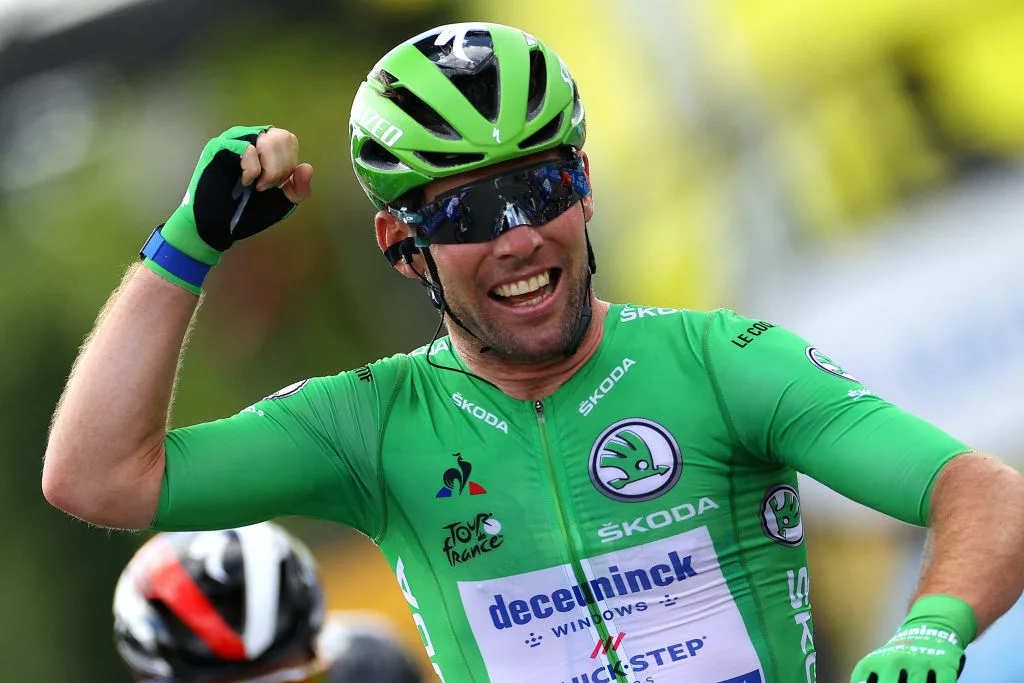
Understanding the Green Jersey requires looking past the fabric and the points system to see it as a “sub-brand” within the Tour de France’s massive intellectual property portfolio. It represents a distinct set of values: speed, consistency, and resilience. This article explores the Green Jersey through the lens of brand strategy, examining how it defines the identity of the world’s fastest athletes and creates a multi-million-euro marketing platform for global corporations.
The Identity of the Maillot Vert: Defining the Sprinter’s Brand
Every successful brand is built on a core set of values. If the Yellow Jersey represents “Endurance and Conquest,” the Green Jersey brand is built on “Speed and Reliability.” Established in 1953 to celebrate the 50th anniversary of the Tour, the points classification was designed to give a different type of athlete—the sprinter—a brand to rally around.
Speed and Consistency: The Core Brand Values
In branding, consistency is everything. The Green Jersey is not awarded to the rider who wins a single stage by the widest margin; it is awarded to the rider who consistently places at the top over three grueling weeks. This creates a specific “brand persona” for the wearer. They are the “Point-Getters,” the reliable assets who must perform every single day, regardless of the terrain. This positioning is vital for professional teams who need to market their riders to sponsors. A “Green Jersey contender” is a specialized brand asset that guarantees TV airtime during intermediate sprints and high-speed finishes, providing a predictable return on investment for team backers.
The Visual Power of the Color Green
From a design and marketing perspective, the choice of green was originally a functional one—the initial sponsor was a lawnmower manufacturer, Belle-Jardinière. However, over the decades, the color has undergone a significant brand evolution. In the modern context, “Green” has become synonymous with “Go,” vitality, and increasingly, sustainability. The visual impact of a single rider clad in vibrant green amidst a sea of multi-colored team kits creates an instant “focal point.” This is a classic brand strategy: high-contrast visual identity ensures that even at 70 kilometers per hour, the brand leader is immediately recognizable to a global television audience.
Strategic Sponsorship: The Evolution of Brand Association
The Green Jersey is one of the most coveted pieces of real estate in sports marketing. The partnership between the jersey and its title sponsor is a study in how corporate identity can be seamlessly integrated into a sporting narrative.
From PMU to Skoda: Aligning Corporate Identity with Athletic Excellence
For decades, the Green Jersey was synonymous with PMU (the French betting giant). However, the transition to Skoda in 2015 marked a strategic shift in the jersey’s brand narrative. For Skoda, sponsoring the Green Jersey was not just about logo placement; it was about alignment. As a car manufacturer looking to highlight its “Green” credentials and its heritage in cycling (Skoda started as a bicycle company), the partnership was a perfect brand fit.
By associating their logo with the fastest, most explosive riders in the world, Skoda leverages the “halo effect.” The speed and precision of a world-class sprinter are qualities a car manufacturer wants to be associated with. Furthermore, the transition toward electric and hybrid vehicles allowed Skoda to use the “Green” jersey as a metaphor for their own environmental initiatives, turning a points classification into a symbol of corporate evolution.

Measuring the ROI of a Jersey Sponsorship
The Green Jersey brand offers a unique ROI (Return on Investment) compared to other sports sponsorships. Because the points are contested at various “intermediate” points throughout each stage, the sponsor’s logo receives repetitive, high-intensity exposure. In branding terms, this is “high-frequency messaging.” While the Yellow Jersey might only be seen clearly during the final climb or on the podium, the Green Jersey is at the heart of the action in every flat stage. For a brand like Skoda, this translates to hundreds of hours of prime-time global visibility, reaching over 3.5 billion viewers across the three-week event.
Narrative Branding: Building Legends through the Green Jersey
A brand is nothing without a story, and the Green Jersey has been the protagonist of some of the most compelling narratives in sports history. The way the Tour de France markets the “race within a race” for the green jersey creates a compelling sub-plot that keeps audiences engaged even when the overall lead is settled.
The “Sagan Effect” and Brand Longevity
Peter Sagan, a seven-time winner of the points classification, did more for the Green Jersey brand than perhaps any other rider. Sagan’s personal brand—characterized by charisma, wheelies, and a “rockstar” persona—merged with the Green Jersey. He proved that the Green Jersey could be a “Lead Brand” in its own right, sometimes overshadowing the Yellow Jersey in terms of fan engagement and social media mentions. This “Sagan Effect” demonstrated that a specific jersey can become an athlete’s trademark, much like Tiger Woods and his Sunday red shirt. For the Tour de France organizers (ASO), this increased the equity of the Green Jersey brand, making it a more valuable asset to sell to future sponsors.
Rivalries as a Marketing Catalyst
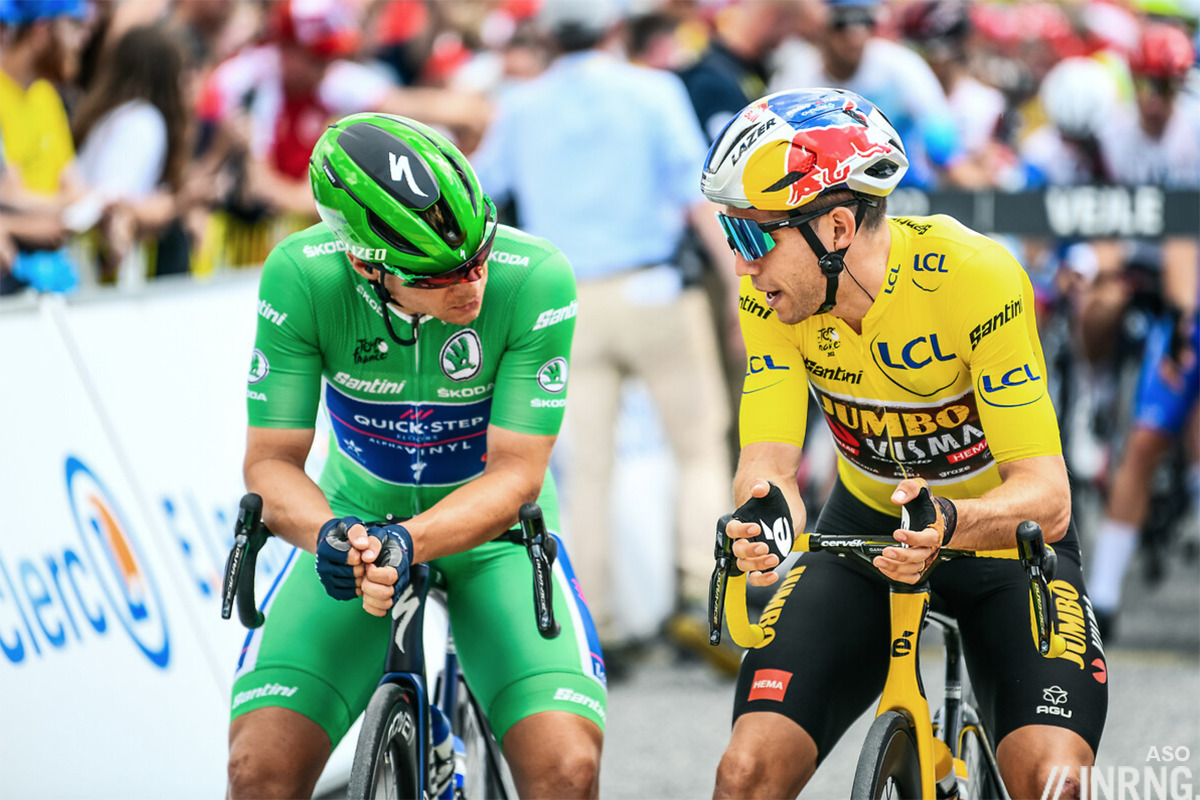
Brand strength is often forged in competition. The legendary battles for the green—between the likes of Erik Zabel, Mark Cavendish, and Wout van Aert—serve as “Brand Activations.” These rivalries create emotional investment from the fans. When two “Speed Brands” (sprinters) go head-to-head for the points, it creates a high-tension narrative that the Tour can market across digital platforms. This “conflict” is a key element of story branding, transforming a mathematical points calculation into a dramatic struggle for supremacy.
The Global Reach: How the Green Jersey Brand Influences Modern Marketing
The Green Jersey has transcended the peloton to become a lifestyle and merchandising powerhouse. Its influence extends into digital realms, influencing how sports are consumed and marketed in the 21st century.
Merchandise and the Lifestyle Brand
The Maillot Vert is a staple of the Tour de France’s retail strategy. It represents a “style” that appeals to the amateur cyclist—the “weekend warrior” who may not be a mountain climber but understands the thrill of a fast sprint. By selling replicas and “Green Jersey inspired” apparel, the Tour de France extends its brand reach into the everyday lives of consumers. This is “merchandise as advocacy,” where fans become walking billboards for the Green Jersey brand and its associated sponsors.
Digital Engagement and the Gamification of Points
In the digital age, the Green Jersey brand has found new life through “gamification.” Fantasy cycling leagues and digital apps focus heavily on the points classification because it offers daily updates and frequent changes in standing. This keeps the brand relevant on social media every single day. The “Sprinter’s Brand” is perfectly suited for short-form video content—TikToks and Instagram Reels of a 15-second finish are far more “viral” than a three-hour mountain grind. This makes the Green Jersey the “Digital Frontrunner” of the Tour’s social media strategy, capturing a younger, tech-savvy demographic that values high-impact, short-duration content.
Conclusion: The Lasting Equity of the Green Jersey
The Green Jersey in the Tour de France is far more than a reward for a cyclist’s speed; it is a sophisticated brand asset that delivers immense value to athletes, teams, and corporate sponsors. Through strategic alignment with global brands like Skoda, the cultivation of legendary athlete-led narratives, and a visual identity that commands attention, the Maillot Vert has established itself as a premier symbol of consistency and power.
For marketing professionals and brand strategists, the Green Jersey serves as a reminder that even within a massive organization like the Tour de France, there is room for specialized sub-brands. By carving out a niche that celebrates a specific set of values—speed, reliability, and daily excellence—the Green Jersey ensures that it remains an indispensable and highly profitable component of the greatest race on earth. As the Tour continues to evolve, the Green Jersey brand will undoubtedly lead the way in showing how sports, storytelling, and corporate identity can merge to create something truly iconic.
aViewFromTheCave is a participant in the Amazon Services LLC Associates Program, an affiliate advertising program designed to provide a means for sites to earn advertising fees by advertising and linking to Amazon.com. Amazon, the Amazon logo, AmazonSupply, and the AmazonSupply logo are trademarks of Amazon.com, Inc. or its affiliates. As an Amazon Associate we earn affiliate commissions from qualifying purchases.