
The healthcare industry operates under a complex web of regulations designed to protect patient privacy and ensure the security of sensitive health information. Among these, the Health Insurance Portability and Accountability Act (HIPAA) stands as a cornerstone. While HIPAA encompasses broad mandates regarding data privacy and security, specific provisions address critical incidents that require immediate attention and reporting. A key concept within this framework is the “Serious Reportable Event” (SRE), a term that, while not explicitly defined as such within the HIPAA statute itself, is a critical operational concept for healthcare organizations aiming for full compliance and patient safety. Understanding SREs, particularly in the context of digital security and data breaches, is paramount for any entity handling Protected Health Information (PHI).

The Crucial Intersection of HIPAA and Serious Reportable Events
While HIPAA’s primary focus is on the privacy and security of Protected Health Information (PHI), the concept of “Serious Reportable Events” (SREs) is more directly aligned with patient safety and quality improvement initiatives, often mandated or encouraged by state laws and accrediting bodies. However, the digital infrastructure that underpins modern healthcare delivery is intrinsically linked to HIPAA compliance. When a digital system experiences an SRE, it often involves a breach of PHI, thereby triggering HIPAA reporting requirements. This confluence of patient safety and data security makes understanding SREs a vital component of robust HIPAA compliance, especially within the digital realm.
Defining “Serious Reportable Events” in a Healthcare Context
The term “Serious Reportable Event” (SRE) is not a direct statutory definition within HIPAA. Instead, it’s a classification of adverse events that are highly preventable and have serious consequences for patients. These events, often referred to as “never events” or “adverse events,” are typically cataloged by organizations like the National Quality Forum (NQF) to guide healthcare providers in identifying and mitigating risks. SREs encompass a wide spectrum of occurrences, from surgical errors and hospital-acquired infections to medication mistakes and patient falls.
The Link Between SREs and HIPAA: Data Breaches and Security Incidents
The critical connection between SREs and HIPAA arises when the occurrence of an SRE involves a breach of unsecured PHI. For instance, if an SRE leads to the unauthorized disclosure of patient records due to a cybersecurity vulnerability, a faulty electronic health record (EHR) system, or a compromised medical device, then HIPAA’s Breach Notification Rule is triggered. This rule mandates that covered entities and business associates notify affected individuals, the Department of Health and Human Services (HHS), and, in some cases, the media, about breaches of unsecured PHI.
Therefore, while an SRE might initially be categorized as a patient safety issue, its digital manifestation often translates into a HIPAA security incident. This underscores the importance of a holistic approach to risk management, where patient safety protocols are deeply integrated with digital security measures.
Categorizing and Reporting Serious Reportable Events Under HIPAA’s Umbrella
The categorization and reporting of SREs, when they intersect with HIPAA, follow specific pathways. Understanding these categories and the reporting mechanisms is essential for healthcare organizations to maintain compliance and mitigate potential penalties.
Types of Events Requiring Scrutiny and Potential HIPAA Notification
While the NQF provides broad categories of SREs, for the purposes of HIPAA, the focus shifts to those events that result in a breach of unsecured PHI. These can be broadly categorized into:
- Health Care-Acquired Conditions (HACs): These include infections, pressure ulcers, falls, and other complications that arise during a patient’s stay and were not present at admission. In a digital context, this could involve compromised medical devices leading to patient harm, or EHR system failures that result in incorrect treatment and subsequent adverse outcomes, if PHI was also exposed.
- Events that are Related to Patient Care: This category includes items like wrong-site, wrong-procedure, and wrong-patient surgery. If the underlying cause of such an error involves a breach of patient data – for example, if an EHR was hacked and patient identifiers were manipulated, or if patient lists were leaked – then HIPAA is involved.
- Events that are Acquired in a Health Care Setting: This covers incidents such as patient abduction, elopement, or sexual assault. While these are primarily patient safety concerns, if the circumstances involve the unauthorized access or disclosure of PHI (e.g., security cameras being breached, or patient location data being leaked), HIPAA reporting becomes relevant.
- Criminal Acts: This includes events like patient assault or homicide occurring in a healthcare setting. Again, the HIPAA relevance emerges if the criminal act is facilitated by, or results in, the breach of PHI.
In essence, any SRE that leads to the impermissible acquisition, access, use, or disclosure of PHI is a potential HIPAA reportable event.
The Breach Notification Rule: A Core HIPAA Mandate
The HIPAA Breach Notification Rule is the primary mechanism for reporting data breaches. It mandates that covered entities and business associates report breaches of unsecured PHI to affected individuals, HHS, and potentially the media. The definition of a “breach” under HIPAA is crucial: it is the acquisition, access, use, or disclosure of PHI in a manner not permitted by the Privacy Rule that compromises the security or privacy of the PHI.
Key aspects of the Breach Notification Rule include:
- Timeliness: Notifications must be made without unreasonable delay and in no case later than 60 calendar days after the discovery of a breach.
- Content of Notification: Individuals must be informed of the nature of the breach, the types of PHI involved, steps individuals should take to protect themselves from potential harm, what the covered entity is doing to investigate the breach, mitigate damage, and protect against further breaches.
- Notification to HHS: For breaches affecting 500 or more individuals, covered entities must notify HHS concurrently with the notification to individuals. For smaller breaches, an annual report to HHS is required.
- Media Notification: For breaches affecting more than 500 residents of a particular state or jurisdiction, the covered entity must also notify prominent media outlets serving that area.
Digital Security: The New Frontier for HIPAA SRE Mitigation
The increasing reliance on digital systems in healthcare amplifies the potential for SREs to manifest as significant data security incidents. Robust digital security practices are no longer just about protecting data; they are fundamentally about protecting patient safety and ensuring HIPAA compliance.
Identifying Digital Vulnerabilities that Can Lead to SREs
The pathways through which digital vulnerabilities can lead to SREs are numerous and evolving. Healthcare organizations must proactively identify and address these weak points.
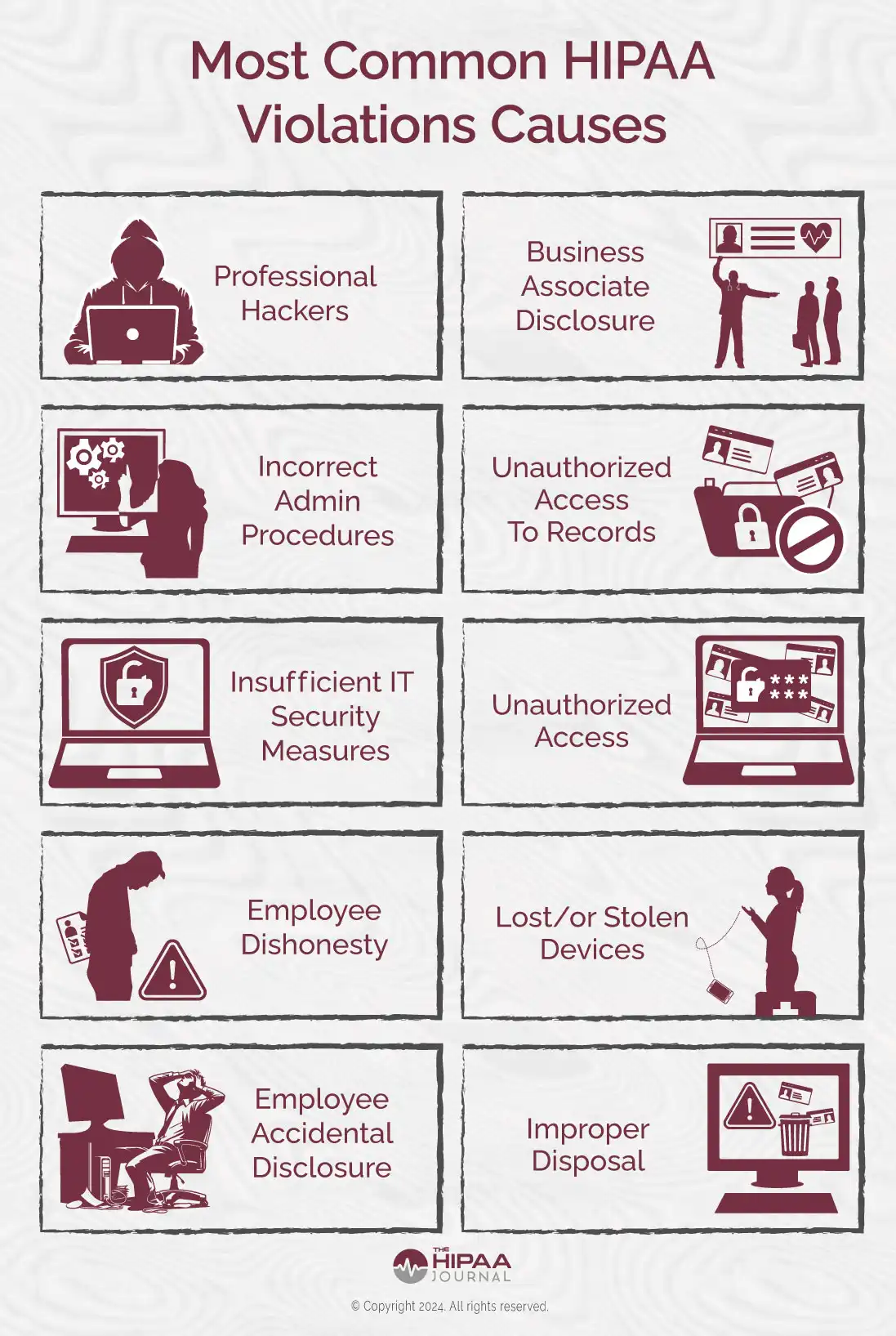
- Cybersecurity Threats: Malware, ransomware attacks, phishing scams, and insider threats can compromise the confidentiality, integrity, and availability of PHI. A ransomware attack that encrypts patient records, preventing access for care, can be an SRE. If the attack also results in the exfiltration of PHI, it becomes a HIPAA breach.
- Electronic Health Record (EHR) System Failures: Bugs in EHR software, improper configurations, or inadequate access controls can lead to errors in patient care or unauthorized access to PHI. A system glitch that leads to a wrong diagnosis or treatment, exacerbated by compromised patient data, constitutes an SRE with a HIPAA implication.
- Medical Device Vulnerabilities: Internet-connected medical devices, while offering significant advancements in patient care, can be targets for cyberattacks. A compromised insulin pump or pacemaker could directly endanger a patient’s life, presenting a clear SRE. If the device’s data is also accessed or altered, HIPAA reporting may be required.
- Third-Party Vendor Risks: Many healthcare organizations rely on third-party vendors for various services, including cloud storage, billing, and IT support. A security lapse on the part of a business associate can lead to a breach of PHI, triggering HIPAA obligations for both the vendor and the covered entity.
- Human Error and Social Engineering: While not purely a digital issue, human error in handling digital information or susceptibility to social engineering tactics (like falling for phishing emails) can lead to significant data breaches. This directly impacts the security of PHI and can contribute to an SRE scenario.
Implementing Proactive Security Measures to Prevent and Respond
Preventing SREs, particularly those with digital components, requires a multi-layered and proactive approach to cybersecurity and data governance.
- Robust Access Controls: Implementing strong authentication mechanisms, role-based access, and regular audits of user permissions ensures that only authorized personnel can access PHI.
- Data Encryption: Encrypting PHI both in transit and at rest adds a critical layer of security, making data unreadable even if it is accessed without authorization.
- Regular Software Updates and Patch Management: Keeping all software, including operating systems, EHRs, and medical device firmware, up-to-date with the latest security patches is crucial to address known vulnerabilities.
- Security Awareness Training: Educating staff on cybersecurity best practices, recognizing phishing attempts, and understanding HIPAA regulations is fundamental to preventing human-related breaches.
- Intrusion Detection and Prevention Systems (IDPS): Implementing and monitoring IDPS can help detect and block malicious activity in real-time, preventing potential breaches.
- Incident Response Planning: Developing and regularly testing a comprehensive incident response plan is essential. This plan should outline procedures for identifying, containing, eradicating, and recovering from security incidents, including clear protocols for assessing whether a breach has occurred and triggering HIPAA notifications if necessary.
- Business Associate Agreements (BAAs): Ensuring that all business associates have robust security measures in place and are contractually obligated to comply with HIPAA through a BAA is vital.
The Evolving Landscape: HIPAA, SREs, and the Future of Digital Healthcare
The convergence of patient safety concerns (SREs) and data protection mandates (HIPAA) in the digital age necessitates a continuous evolution of strategies and technologies. Healthcare organizations must remain vigilant and adaptable to safeguard both patient well-being and the integrity of their digital information.
Regulatory Scrutiny and the Importance of Comprehensive Risk Assessments
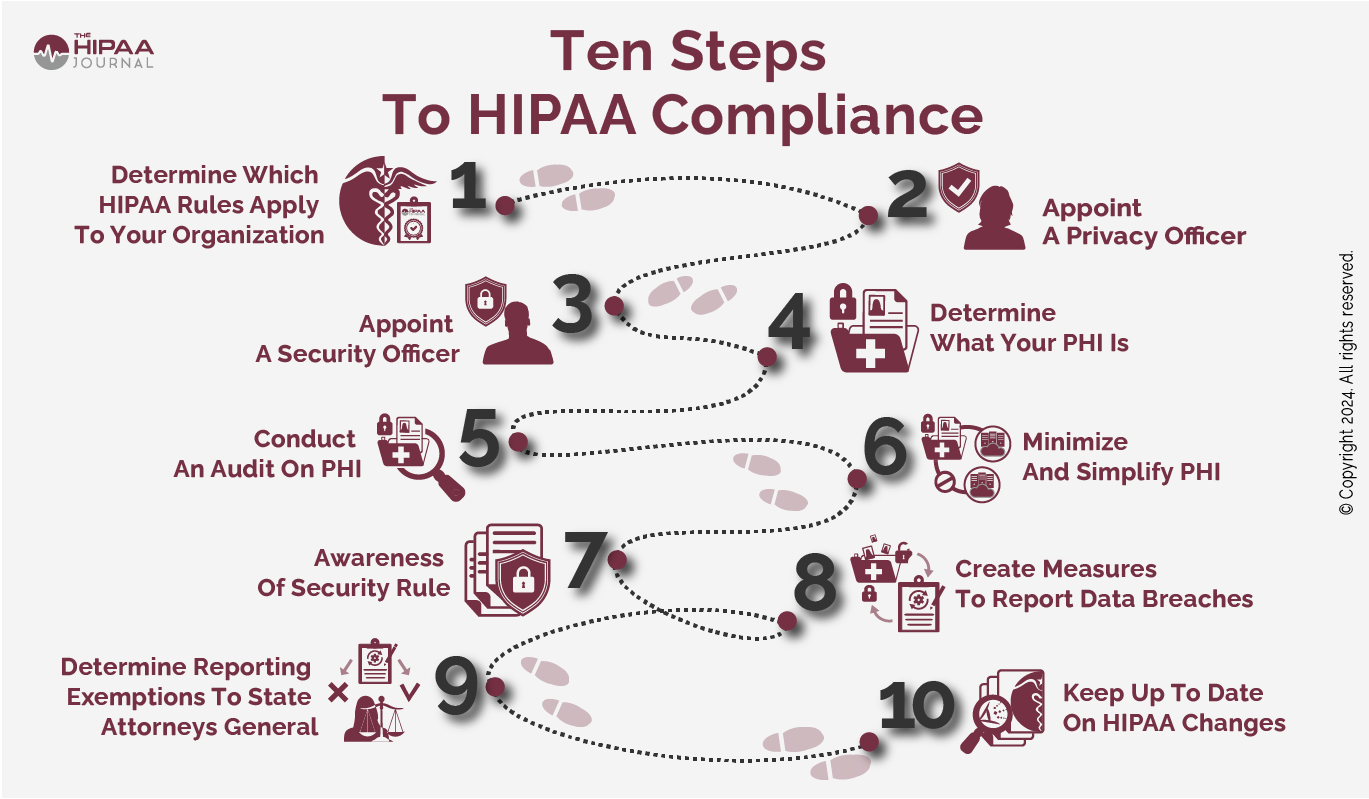
As healthcare systems become more digitized, regulatory bodies like the Office for Civil Rights (OCR) within HHS are increasing their focus on cybersecurity and data breaches. Comprehensive and ongoing risk assessments, mandated by HIPAA, are the bedrock of effective compliance. These assessments should not only identify potential vulnerabilities but also evaluate the likelihood and impact of breaches, including those that might arise from or contribute to SREs.
The OCR’s enforcement actions serve as a stark reminder of the significant financial penalties and reputational damage that can result from HIPAA violations. Therefore, treating SREs that involve PHI as high-priority events requiring immediate investigation and transparent reporting is crucial.
Embracing a Culture of Security and Patient Safety
Ultimately, addressing the complexities of HIPAA and Serious Reportable Events in the digital age requires more than just technological solutions; it demands a cultural shift within healthcare organizations. A culture that prioritizes both patient safety and data security, where staff are empowered to identify and report potential risks, and where continuous improvement is a shared goal, is the most effective defense against the multifaceted challenges posed by modern healthcare delivery. By understanding the interconnectedness of these concepts and proactively implementing robust security measures, healthcare providers can navigate the evolving landscape and uphold their commitment to patient care and data privacy.
aViewFromTheCave is a participant in the Amazon Services LLC Associates Program, an affiliate advertising program designed to provide a means for sites to earn advertising fees by advertising and linking to Amazon.com. Amazon, the Amazon logo, AmazonSupply, and the AmazonSupply logo are trademarks of Amazon.com, Inc. or its affiliates. As an Amazon Associate we earn affiliate commissions from qualifying purchases.