
Navigating the landscape of home financing requires a keen understanding of the “going rate,” a figure that serves as the heartbeat of the real estate market. For prospective homeowners and seasoned investors alike, the interest rate on a home loan is the single most significant factor determining the long-term cost of property ownership. However, the going rate is not a static number pinned to a board; it is a fluid, multi-dimensional metric influenced by global economic shifts, central bank policies, and the individual financial profile of the borrower.
To understand what the going interest rate is today, one must look beyond the headlines and examine the mechanics of the mortgage market. Whether you are looking at a 30-year fixed-rate mortgage or a specialized government-backed loan, the rate you receive is a reflection of the current premium lenders require to take on the risk of long-term lending in an ever-changing economy.
Understanding the Current Mortgage Landscape
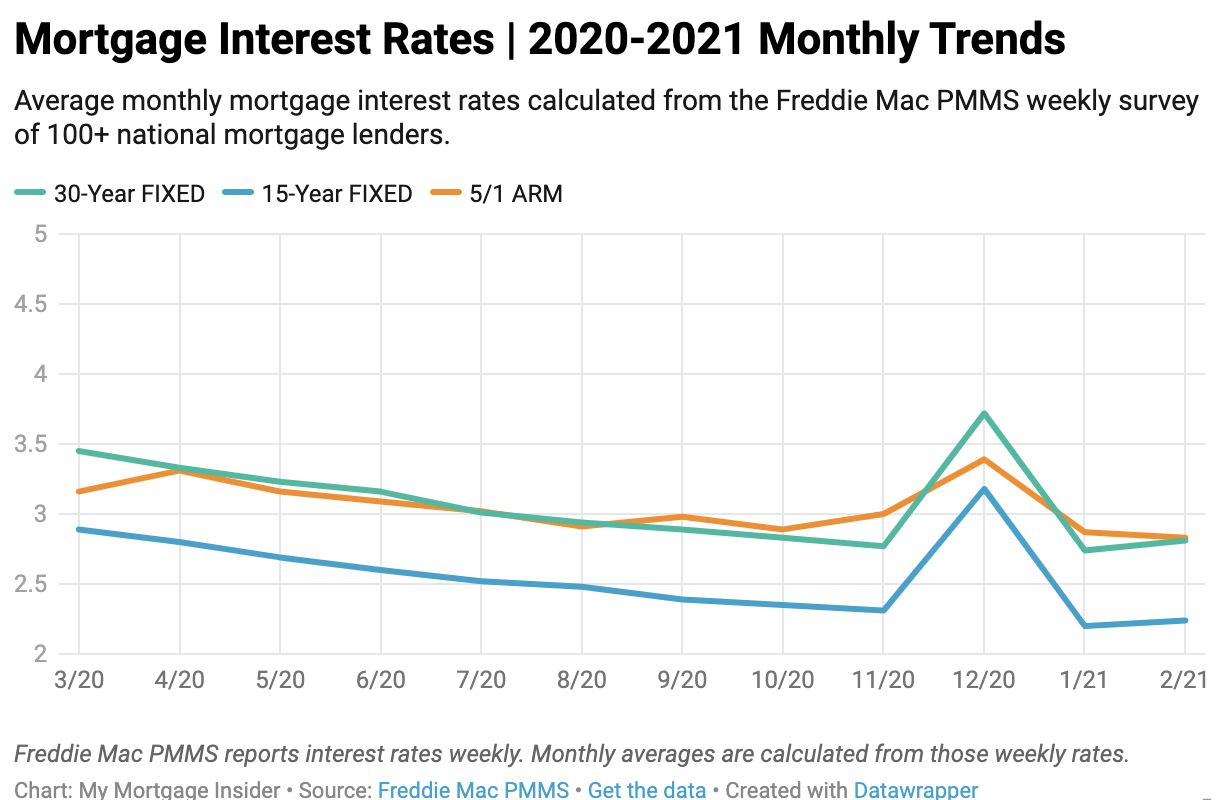
When people ask about the going interest rate, they are typically referring to the average national rate for a 30-year fixed-rate mortgage. This product remains the gold standard of American home finance due to its predictability and stability. In the current economic climate, rates have moved significantly away from the historical lows seen during the early 2020s, settling into a range that reflects a more traditional, albeit higher, inflationary environment.
The Benchmarks: 30-Year vs. 15-Year Fixed Rates
The 30-year fixed-rate mortgage usually carries a higher interest rate than its 15-year counterpart. This is because lenders are committing capital for a longer duration, exposing them to more “interest rate risk”—the possibility that inflation will erode the value of the fixed payments they receive. Conversely, 15-year mortgages often offer a discount of 0.50% to 1.00% off the 30-year rate, as the shorter term reduces risk for the lender and allows the borrower to build equity at a much faster pace.
Why Rates Fluctuate Daily
Interest rates do not move in a vacuum. They are subject to daily volatility based on the trading of Mortgage-Backed Securities (MBS). When investors are nervous about the economy, they often flock to the safety of bonds and MBS, which can drive prices up and yields (rates) down. When the economy is “hot” and inflation is rising, investors demand higher yields to compensate for the loss of purchasing power, causing mortgage rates to climb. This is why a quote received on Monday might be entirely different by Thursday afternoon.
Macroeconomic Drivers of Mortgage Rates
The broader economy acts as the primary engine for mortgage rate trends. While a lender has some discretion, they are largely beholden to the cost of capital in the global marketplace. Understanding these drivers allows borrowers to anticipate where the going rate might be headed.
The Role of the Federal Reserve
One of the most common misconceptions is that the Federal Reserve sets mortgage rates directly. In reality, the Fed sets the “federal funds rate,” which is the short-term rate banks charge each other for overnight loans. While this does not dictate mortgage rates, it influences them heavily. When the Fed raises rates to combat inflation, the cost of borrowing increases across the board. Mortgage lenders respond by raising their rates to maintain their profit margins. Conversely, when the Fed signals a “dovish” or easing stance, mortgage rates often begin to decline in anticipation of cheaper capital.
Inflation and the 10-Year Treasury Yield
Mortgage rates track most closely with the 10-year U.S. Treasury yield. Historically, there is a “spread” or gap between the 10-year Treasury and the 30-year mortgage rate, typically around 1.5 to 3 percentage points. If the 10-year Treasury yield rises because investors expect persistent inflation, mortgage rates will follow suit almost instantly. Inflation is the greatest enemy of fixed-income investments; if a lender is locked into a 6% interest rate while inflation is at 5%, their “real” return is only 1%. To protect themselves, they push the going rate higher whenever inflation expectations rise.
Personal Financial Indicators That Determine Your Specific Rate
The “going rate” advertised on news sites is often an average for “prime” borrowers—those with impeccable credit and significant down payments. Your personal interest rate is a customized calculation based on the level of risk you represent to the lender.

Credit Scores and Tiered Pricing
Your FICO score is arguably the most powerful tool in your financial arsenal when shopping for a home loan. Lenders use tiered pricing models; a borrower with a score of 760 or higher will likely receive the lowest available “going rate.” A borrower with a score of 660 might see an interest rate that is 0.75% to 1.5% higher. Over the life of a $400,000 loan, that small percentage difference can result in over $100,000 in additional interest payments. Maintaining a high credit score is the most effective way to ensure you land on the favorable side of the interest rate spectrum.
The Impact of Your Down Payment and Loan-to-Value Ratio
The Loan-to-Value (LTV) ratio measures the amount of the loan against the value of the property. A borrower putting 20% down (an 80% LTV) is viewed as much lower risk than someone putting only 3% down. When a borrower has more “skin in the game,” lenders are often willing to offer slightly better interest rates. Additionally, if you have less than 20% equity, you will likely be required to pay Private Mortgage Insurance (PMI), which, while not technically part of the interest rate, increases your effective monthly cost of borrowing.
Debt-to-Income (DTI) Considerations
Lenders also evaluate your Debt-to-Income ratio to ensure you have the cash flow to manage a mortgage. While DTI more often affects your total loan eligibility (the principal amount), it can influence the rate offered by certain lenders who use “risk-based pricing.” If your DTI is on the edge of the acceptable limit, a lender might increase the rate to compensate for the higher likelihood of default during a financial hardship.
Comparing Loan Products and Their Respective Costs
The “going rate” varies significantly depending on the type of loan product you select. Each product is designed for a specific borrower profile and carries its own pricing structure.
Conventional Loans vs. Government-Backed Options
Conventional loans, which follow guidelines set by Fannie Mae and Freddie Mac, typically offer the most competitive rates for borrowers with good credit. However, government-backed options like FHA, VA, and USDA loans serve different purposes.
-
FHA Loans: Often have lower “base” interest rates than conventional loans, making them attractive to those with lower credit scores. However, they come with high upfront and annual mortgage insurance premiums that can make the total cost higher.
-
VA Loans: Reserved for veterans and active-duty service members, these often feature the lowest interest rates in the market and require no down payment, making them one of the most powerful wealth-building tools in personal finance.
Fixed-Rate vs. Adjustable-Rate Mortgages (ARMs)
In a high-rate environment, many borrowers turn to Adjustable-Rate Mortgages. An ARM typically offers a lower “introductory” rate for a set period—usually 5, 7, or 10 years. After that period, the rate adjusts annually based on a market index. The going rate for a 5/1 ARM might be significantly lower than a 30-year fixed rate, providing immediate monthly savings. However, this carries the risk that rates will be higher when the adjustment period begins. ARMs are best suited for those who plan to sell the home or refinance before the introductory period ends.
Strategies to Secure the Best Possible Rate
In a market where the going rate can change by the hour, being proactive can save you thousands of dollars. Success in home financing requires a mix of timing, preparation, and negotiation.
The Art of Rate Locking
Because rates are volatile, lenders offer a “rate lock.” This is a guarantee that your interest rate will not change between the time you apply for the loan and the time you close, provided you close within a specific window (usually 30 to 60 days). If the going rate jumps up by 0.5% while you are in escrow, your locked rate remains protected. Some lenders also offer a “float-down” option, which allows you to take advantage of lower rates if they drop after you have locked in, though this often comes with a fee.
Understanding Mortgage Points and Buydowns
Borrowers can effectively “buy” a lower interest rate by paying discount points at closing. One point typically costs 1% of the total loan amount and reduces the interest rate by approximately 0.25%. This is essentially prepaying interest. To determine if this is a wise financial move, you must calculate the “break-even point”—how many months of lower payments it will take to recoup the upfront cost of the points. If you plan to stay in the home for decades, buying down the rate is often a savvy investment.
The Power of Comparison Shopping
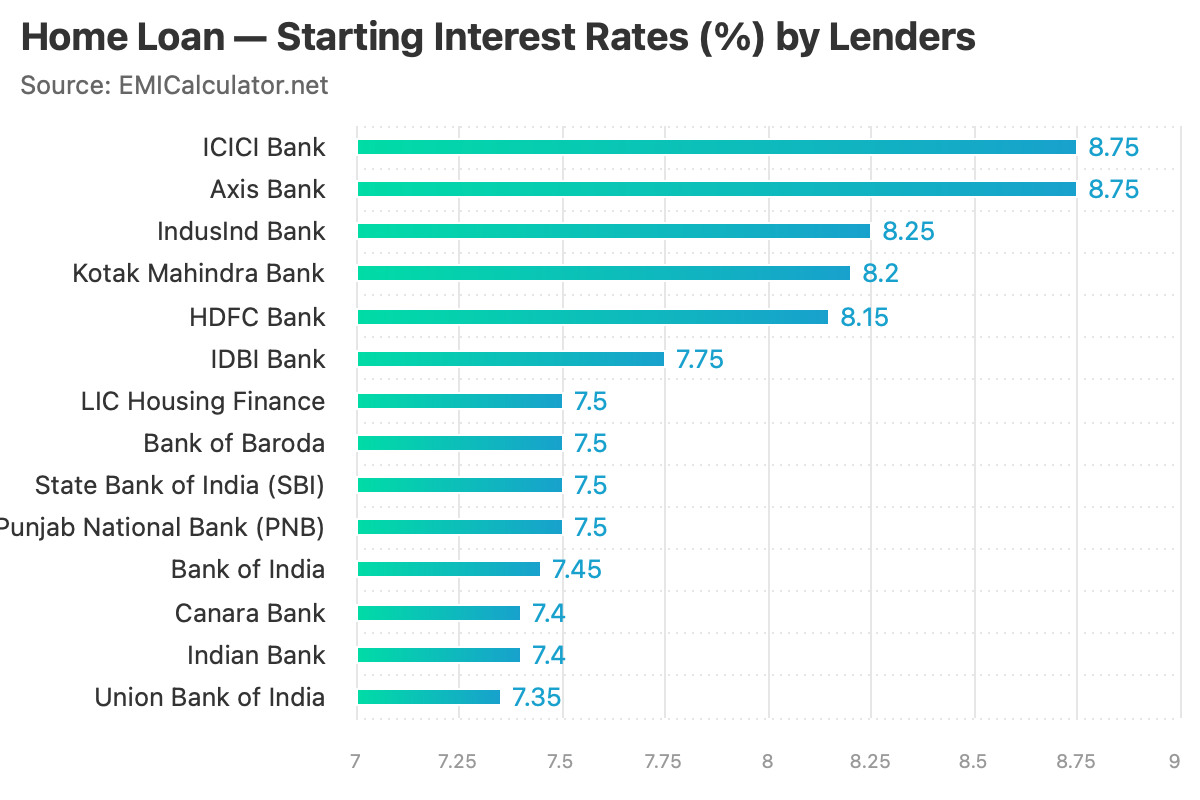
The “going rate” is not uniform across all institutions. Large national banks, local credit unions, and independent mortgage brokers all have different overhead costs and risk appetites. Research shows that borrowers who get at least three quotes save an average of $1,500 to $3,000 over the life of the loan. Mortgage brokers, in particular, can be valuable as they have access to wholesale rates from multiple lenders, often finding “niche” products that a standard retail bank might not offer.
Ultimately, the going interest rate for home loans is a reflection of the current value of money in the global economy. By understanding the forces that move these numbers and optimizing your personal financial profile, you can navigate the market with confidence and secure a loan that aligns with your long-term financial goals.
aViewFromTheCave is a participant in the Amazon Services LLC Associates Program, an affiliate advertising program designed to provide a means for sites to earn advertising fees by advertising and linking to Amazon.com. Amazon, the Amazon logo, AmazonSupply, and the AmazonSupply logo are trademarks of Amazon.com, Inc. or its affiliates. As an Amazon Associate we earn affiliate commissions from qualifying purchases.