
In the intricate world of personal and business finance, certain pieces of information act as critical lynchpins, facilitating the seamless movement of money across accounts and institutions. Among these, the bank routing number stands out as a fundamental identifier, essential for a myriad of financial transactions. For Chase customers, understanding how to quickly and accurately locate their specific routing number is not merely a convenience but a necessity for managing their financial lives effectively.
A routing number, also known as an ABA (American Bankers Association) routing transit number, is a nine-digit code that identifies the financial institution and the location where the account was opened. Its primary purpose is to direct electronic payments to the correct bank during transactions like direct deposits, wire transfers, and automated clearing house (ACH) payments. For a banking giant like Chase, which serves millions of customers across diverse regions and offers a wide array of services, pinpointing the correct routing number can sometimes require a precise approach.

This comprehensive guide aims to demystify the process of finding your Chase bank routing number, offering clear, actionable steps and vital insights into its importance. Whether you’re setting up a new direct deposit, paying a bill online, or initiating a wire transfer, knowing where to find and how to verify this crucial piece of data is paramount to ensuring your financial transactions proceed smoothly and securely. We’ll delve into the various methods available, highlight common scenarios where a routing number is indispensable, and provide tips to safeguard your financial information.
Understanding Routing Numbers: What They Are and Why They Matter
Before diving into the practicalities of locating your Chase routing number, it’s crucial to grasp the foundational concept of what these numbers represent and their overarching significance in the modern financial ecosystem. These seemingly simple nine-digit codes are, in fact, the backbone of electronic fund transfers, ensuring that your money reaches its intended destination without misdirection.
The Core Function of a Routing Number
At its heart, a routing number serves as an electronic address for your bank. When you authorize a payment or receive funds electronically, this number tells the financial network which bank to send or receive the money from. Think of it as a postal code for your financial institution; without it, mail (or money, in this case) would struggle to find its way. Each U.S. financial institution has at least one routing number, and larger banks like Chase may have several, each corresponding to different regions, types of transactions, or even specific services. This regional or functional differentiation is key to understanding why simply knowing “Chase’s routing number” might not always be enough.
The Importance of Accuracy in Financial Transactions
The precision of a routing number cannot be overstated. An incorrect routing number can lead to a multitude of problems, ranging from delayed payments and returned transactions to, in rare cases, funds being misdirected to an unintended recipient. In the best-case scenario, an incorrect number will simply cause a transaction to fail, requiring you to re-initiate the process and potentially incur fees. In more severe instances, particularly with wire transfers, retrieving misdirected funds can be a complex, time-consuming, and often costly ordeal. This underscores why verifying the routing number for any significant transaction is not just good practice, but an absolute necessity.
Routing Numbers vs. Account Numbers
It’s common for individuals, especially those new to managing their finances, to confuse routing numbers with account numbers. While both are critical identifiers, they serve distinct purposes.
-
Routing Number: Identifies the financial institution (e.g., Chase Bank).
-
Account Number: Identifies your specific account within that financial institution.
Together, these two numbers act as a unique address for your individual bank account. When providing details for direct deposit or bill payments, both are invariably required. Mistaking one for the other can lead to failed transactions or, worse, funds being deposited into someone else’s account. Always double-check that you are providing the correct number for the correct field.
Common Methods to Locate Your Chase Routing Number
Fortunately, Chase Bank provides several convenient and reliable methods for customers to find their routing numbers. These methods cater to different preferences and situations, ensuring you can access the information you need quickly, whether you’re at home or on the go.
Checking Your Chase Bank Checks
For many, the most traditional and often easiest way to find a routing number is by looking at a physical check.
-
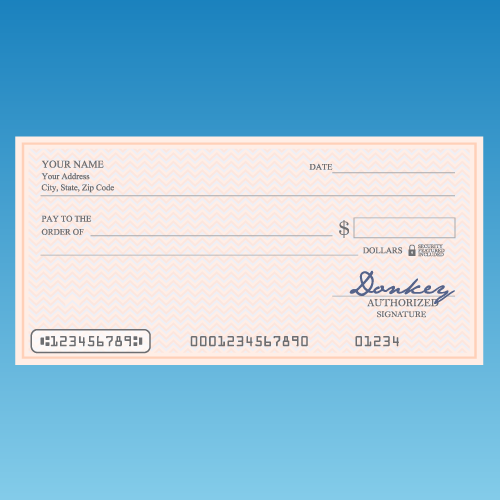
Location: On a standard Chase check, the routing number is the first set of nine digits printed at the bottom left-hand corner. It appears before your account number.
-
Visual Aid: You’ll typically see three sets of numbers separated by special symbols: the routing number, your account number, and then the check number. The routing number is always the leftmost sequence.
-
Consideration: This method is effective for the checking account associated with those specific checks. If you have multiple Chase accounts (e.g., savings, or different checking accounts), they might have different routing numbers.
Utilizing Chase Online Banking and Mobile App
In the digital age, Chase’s online platforms offer the most accessible and up-to-date information.
-
Chase Online Banking (Desktop):
-
Log in to your Chase online banking account.
-
Select the account for which you need the routing number (e.g., your checking or savings account).
-
Look for “Account details,” “See account details,” or a similar link. You’ll typically find the routing number listed prominently there.
-
-
Chase Mobile App:
-
Open and log in to the Chase Mobile App on your smartphone or tablet.
-
Tap on the specific account you’re interested in.
-
Often, you’ll see “See account details” or a similar option. Tap this, and the routing number, along with other account information, will be displayed.
-
-
Benefits: This method is highly recommended as it’s precise, available 24/7, and ensures you’re getting the correct, most current routing number for your specific account.
Consulting Official Chase Bank Statements
Bank statements, whether physical or electronic, are another reliable source of your account information.
-
Location: Your routing number is typically printed on the statement, usually near your account number and other personal details at the top or bottom of the document.
-
Accessing Statements: You can access e-statements through your Chase online banking portal or wait for physical statements to arrive by mail.
-
Consideration: Ensure you’re looking at a recent statement, though routing numbers rarely change.
Contacting Chase Customer Service Directly
If you’re unable to find the information using the above methods, or if you prefer direct assistance, Chase customer service is always an option.
-
Phone: Call the customer service number listed on the back of your Chase debit card or on the official Chase website. Be prepared to verify your identity through security questions or account details.
-
In-Person: Visit a local Chase branch. A bank representative can help you find the correct routing number for your account.
-
Benefit: This method provides direct verification and can be particularly helpful if you have specific or complex needs, such as confirming a routing number for a less common transaction type.
Specific Routing Numbers for Different Chase Services and Regions
It’s important to recognize that Chase, as a large national bank, may use different routing numbers depending on the type of transaction, the geographic region where the account was opened, or the specific service being utilized. This nuance is critical for ensuring that funds are routed correctly, especially for specialized transfers.
Distinguishing Between Wire Transfers and ACH Payments
While both ACH (Automated Clearing House) and wire transfers are electronic fund transfers, they operate on different networks and sometimes use different routing numbers.
-
ACH Payments: These are common for direct deposits, bill payments, and online transfers between bank accounts. Chase typically uses its standard regional routing numbers for these transactions.
-
Wire Transfers: These are faster, often irreversible, and generally used for larger sums of money or time-sensitive transactions. Chase often has a specific routing number designated for incoming wire transfers. This number might be different from the one on your checks or for ACH payments. Always confirm the wire transfer routing number directly with Chase or on their official wire transfer instructions page.
Regional Variations for Chase Bank
Due to its national presence, Chase operates with several routing numbers corresponding to different geographical regions or states where accounts were opened. While some routing numbers are broad, others might be specific to a certain state or even a cluster of states.
-
How to Confirm: The routing number displayed on your checks, within your online banking portal, or on your bank statement will typically be the correct one for your account’s specific region. When in doubt, the online banking portal is the most reliable source, as it directly reflects your account’s assigned number.
-
Avoiding Errors: If someone asks you for “the Chase routing number,” always clarify if they need it for a specific transaction type (e.g., wire) or if it’s for your account’s standard region.
Routing Numbers for International Transfers (SWIFT/BIC)
For international money transfers, a routing number (ABA) is generally not sufficient. Instead, you’ll need a SWIFT/BIC (Society for Worldwide Interbank Financial Telecommunication / Bank Identifier Code) code.
-
Chase’s SWIFT Code: Chase Bank typically uses “CHASUS33” as its primary SWIFT code for international incoming wires to USD accounts. However, this can sometimes vary based on the specific type of international transfer or currency.
-
Purpose: The SWIFT code identifies the bank in an international transaction, while the routing number identifies a bank within the U.S. banking system.
-
Action: If you’re receiving money from abroad, ensure you provide the sender with Chase’s correct SWIFT code, your full account number, and your name and address.
Routing Numbers for Specific Account Types
While less common, certain specialized Chase accounts might have slightly different routing numbers compared to a standard personal checking account. This could apply to some business accounts, certain investment-linked accounts, or trust accounts. Always verify the routing number directly for the specific account you intend to use for a transaction. The online banking platform or calling customer service are the best ways to confirm this.
When You’ll Need Your Chase Routing Number
Your Chase routing number is an indispensable piece of financial information required for a wide array of everyday transactions. Understanding these common use cases will help you be prepared and avoid delays.
Setting Up Direct Deposit
Perhaps the most common use of a routing number is for direct deposit. Whether it’s your salary, government benefits, or a tax refund, direct deposit requires your employer or the paying agency to have both your bank’s routing number and your account number. Providing accurate information ensures your funds arrive in your account promptly on payday.
Paying Bills Electronically (ACH Payments)
Many utility companies, lenders, and service providers offer electronic bill payment options where they directly debit your bank account. To set this up, you’ll typically need to provide your Chase routing number and account number to authorize the recurring payments. This is a convenient way to ensure bills are paid on time without needing to write checks.
Initiating Wire Transfers
As discussed, wire transfers are used for moving funds quickly, often for large amounts, or internationally. Whether you’re sending a wire transfer to purchase real estate, send money to a family member, or pay an urgent invoice, your bank’s routing number (and potentially a specific wire routing number) is essential. For incoming wire transfers, you’ll need to provide your Chase routing number, account number, and sometimes your full address to the sender.
Linking External Accounts and Financial Apps
Many popular financial management apps (like budgeting tools, investment platforms, or other banking apps) allow you to link your Chase account for easier fund transfers or consolidated financial tracking. During the setup process, these apps will often ask for your bank’s routing number and your account number to establish a secure connection.
Receiving Tax Refunds or Government Payments
The IRS and other government agencies frequently disburse refunds or benefit payments via direct deposit. When filing your taxes or applying for government assistance, you’ll be prompted to enter your bank’s routing number and your account number to ensure the funds are sent directly to your Chase account.
Ensuring Security and Avoiding Common Pitfalls
While finding your routing number is generally straightforward, it’s crucial to approach all financial transactions with an emphasis on security and accuracy. Incorrect information or careless handling of your banking details can lead to significant problems.
Verifying Information for Online Transactions
Always double-check the routing number and account number before submitting any online form or confirming a transaction. A simple typo can cause a transaction to fail or, in the worst case, send money to the wrong recipient. When in doubt, consult your Chase online banking portal or the official Chase website for the most accurate information.
Protecting Your Financial Data
Your routing number, combined with your account number, effectively acts as your financial address. While a routing number alone is publicly available for most banks, the combination with your account number is sensitive information.
-
Be wary of phishing scams: Never provide your routing or account number in response to unsolicited emails, texts, or phone calls. Chase will never ask for this information via insecure channels.
-
Use secure websites: When entering your banking details online, ensure the website address begins with “https://” and look for a padlock icon in your browser, indicating a secure connection.
-
Shred old documents: When discarding old checks or bank statements, always shred them to prevent identity theft.
What to Do If You Use the Wrong Routing Number
If you realize you’ve used an incorrect routing number for a transaction, act immediately.
-
For ACH payments (direct deposit, bill pay): If caught quickly, you might be able to contact the sender or recipient to cancel or modify the transaction before it processes. If the payment has already processed and failed, it will typically be returned to the sender. If it was misdirected, contacting Chase customer service immediately is crucial.
-
For Wire Transfers: Wire transfers are much harder to reverse. Contact Chase customer service immediately if you suspect an error. The sooner you report it, the higher the chance (though not guaranteed) that the bank can intercept or recall the funds. You’ll likely need to provide transaction details, including the correct and incorrect routing numbers.
Scam Awareness and Fraud Prevention
Fraudsters constantly seek ways to trick individuals into revealing their banking information. Be suspicious of requests for your routing and account numbers from unknown sources or through unusual communication channels. Always verify the legitimacy of any request, especially if it involves transferring money or confirming sensitive details. If you suspect fraud or have shared your details with a suspicious entity, contact Chase’s fraud department immediately.

Conclusion
Finding your Chase bank routing number is a fundamental aspect of modern financial management. Whether it’s nestled on your physical checks, prominently displayed within your secure online banking portal, or accessible through a quick call to customer service, knowing how and where to locate this nine-digit code is essential for a smooth financial journey.
By understanding its role in ACH payments, wire transfers, and direct deposits, and by taking proactive steps to ensure accuracy and security, you empower yourself to navigate your financial transactions with confidence. Remember, the digital age offers unparalleled convenience, but it also demands vigilance. Always verify, always protect, and always stay informed about the crucial identifiers that govern your money’s movement. With this knowledge in hand, you are well-equipped to manage your Chase accounts effectively and securely for all your personal and business financial needs.
aViewFromTheCave is a participant in the Amazon Services LLC Associates Program, an affiliate advertising program designed to provide a means for sites to earn advertising fees by advertising and linking to Amazon.com. Amazon, the Amazon logo, AmazonSupply, and the AmazonSupply logo are trademarks of Amazon.com, Inc. or its affiliates. As an Amazon Associate we earn affiliate commissions from qualifying purchases.