
In an era of rising healthcare expenditures, understanding prescription drug costs has become a critical component of personal finance. Patients and caregivers frequently seek information about generic alternatives to expensive brand-name medications, aiming to manage their budgets without compromising health outcomes. The question, “What is the generic for Mounjaro?”, encapsulates this prevalent concern, reflecting a broader interest in the financial dynamics of the pharmaceutical industry.
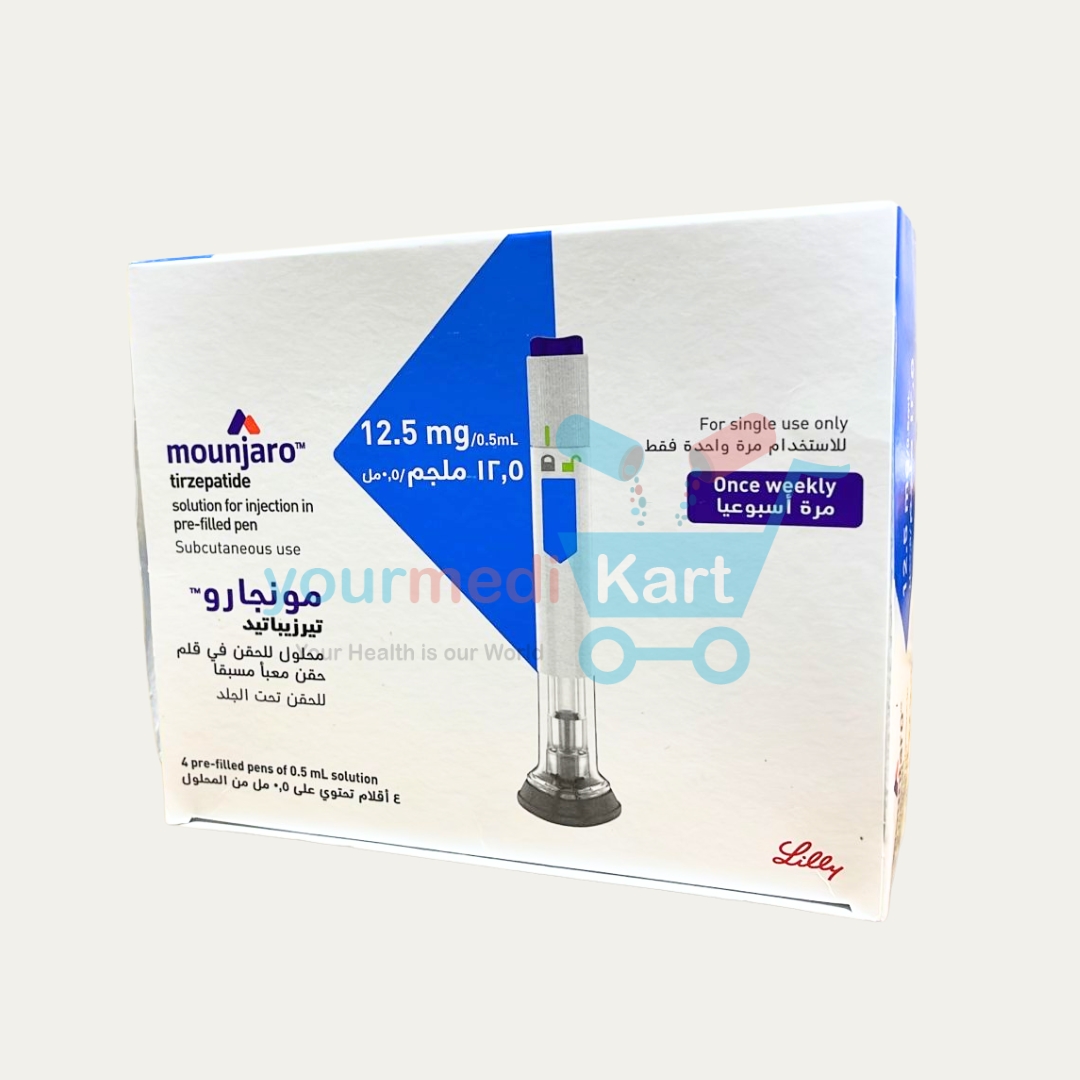
Mounjaro, the brand name for tirzepatide, is a relatively new and highly effective medication primarily used for the management of type 2 diabetes and, more recently, for weight management. Its efficacy has led to widespread adoption, but its brand-name status also means a significant price tag. This article will delve into the economics of brand-name versus generic drugs, specifically addressing Mounjaro’s status, and equip readers with strategies to navigate the complex landscape of prescription drug costs, firmly rooted in the principles of sound personal finance.

Understanding Brand-Name vs. Generic Medications: A Financial Perspective
The distinction between brand-name and generic drugs is more than just a difference in packaging; it represents a fundamental dichotomy in pharmaceutical economics that profoundly impacts individual finances and national healthcare budgets.
The Economics of Pharmaceutical Innovation
Developing a new drug is an incredibly costly and time-consuming endeavor. Pharmaceutical companies invest billions in research, clinical trials, and regulatory approvals. To recoup these substantial investments and incentivize future innovation, governments grant patents to these companies. A patent typically offers 20 years of exclusive marketing rights from the date of filing, though the effective market exclusivity period is often shorter due to the time spent in development and regulatory review. During this period, the brand-name manufacturer holds a monopoly, allowing them to set prices without direct generic competition. This pricing power is essential for funding future R&D, but it also translates into high costs for patients and healthcare systems.
How Generics Drive Down Healthcare Costs
Once a drug’s patent expires, other manufacturers can produce and sell generic versions. Generic drugs are chemically identical to their brand-name counterparts in dosage, safety, strength, route of administration, quality, performance characteristics, and intended use. They undergo a rigorous review process by regulatory bodies like the FDA to ensure bioequivalence – meaning they work in the same way and provide the same clinical benefit.
The entry of generic drugs into the market introduces competition. Multiple manufacturers vying for market share typically leads to a dramatic decrease in price, often by 80-85% or more compared to the brand-name version. This competition is a cornerstone of affordable healthcare, enabling millions of people to access necessary medications that would otherwise be cost-prohibitive. For individuals, this means lower co-pays, reduced out-of-pocket expenses, and more manageable healthcare budgets. For the broader economy, generic drugs save billions of dollars annually for insurers, governments, and employers.
Regulatory Pathways and Market Entry for Generics
The process for a generic drug to enter the market involves an Abbreviated New Drug Application (ANDA) to the FDA (in the U.S.). This pathway is “abbreviated” because generic manufacturers do not need to repeat expensive clinical trials to prove safety and efficacy; they only need to demonstrate bioequivalence to the approved brand-name drug. This streamlined process significantly reduces development costs, which is a primary reason generics can be sold at a much lower price. The first generic to market often receives 180 days of market exclusivity, incentivizing early challengers to brand-name patents and further accelerating price reductions.
Mounjaro and its Generic Equivalent: Tirzepatide Explained
Understanding the financial implications of Mounjaro requires a clear grasp of the drug itself and the current landscape of its patent protection.
What is Mounjaro (Tirzepatide)? A Brief Overview
Mounjaro, scientifically known as tirzepatide, is a novel medication approved by the U.S. Food and Drug Administration (FDA) for treating type 2 diabetes. It is a dual glucose-dependent insulinotropic polypeptide (GIP) and glucagon-like peptide-1 (GLP-1) receptor agonist, making it the first in its class. This unique mechanism of action allows it to enhance insulin secretion, reduce glucagon secretion, slow gastric emptying, and promote satiety, leading to significant improvements in blood sugar control and substantial weight loss. Its efficacy has positioned it as a groundbreaking treatment option for a wide range of patients.
The Current Status of Tirzepatide’s Generic Availability
Given the significant benefits and high cost of Mounjaro, many are eager to know about a generic version. As of late 2023 / early 2024, there is currently no generic version of Mounjaro (tirzepatide) available on the market. Mounjaro is a relatively new drug, having received its initial FDA approval in May 2022 for type 2 diabetes. Its manufacturer, Eli Lilly and Company, holds several patents protecting tirzepatide.
These patents grant Eli Lilly exclusive rights to manufacture and sell Mounjaro for a considerable period. Until these patents expire, or are successfully challenged and overturned (a rare and complex legal process), no generic manufacturer can legally produce or market a bioequivalent version of tirzepatide. This means patients and healthcare systems are currently limited to purchasing the brand-name product at its prevailing price.
Patent Protection and Its Impact on Generic Entry
The patent lifecycle is the most significant barrier to generic availability for Mounjaro. Eli Lilly’s patents protect various aspects of tirzepatide, including its chemical structure, formulation, and methods of use. The typical duration of these patents means that a generic version of Mounjaro is unlikely to be available for many years, potentially not until the mid-2030s or even later, depending on the specific patent expiration dates and any potential extensions.
This prolonged period of market exclusivity has profound financial implications. Patients who need Mounjaro for diabetes or weight management must factor its cost into their personal budgets. For health insurers, it means higher claims expenses, which can contribute to increased premiums or stricter formulary management. The absence of generic competition underscores the economic power of pharmaceutical patents and their direct impact on consumer access and affordability in healthcare.
Strategies for Managing Prescription Drug Costs
While awaiting potential generic availability for newer drugs like Mounjaro, individuals and families must proactively implement strategies to manage their prescription drug expenses. This is a critical aspect of personal financial planning, especially for those with chronic conditions.
The Role of Insurance and Formularies
Health insurance is the primary defense against high drug costs. However, not all insurance plans are created equal. Each plan has a “formulary,” which is a list of covered medications. Drugs are often categorized into tiers (e.g., generic, preferred brand, non-preferred brand, specialty), with different co-payments or co-insurance levels for each tier.
- Check Your Formulary: Always verify if Mounjaro (or any prescribed drug) is on your plan’s formulary and at what tier. If it’s not covered or is on a high tier, explore alternatives with your doctor.
- Prior Authorization: Many high-cost or specialty drugs require “prior authorization” from your insurance company, where your doctor must submit documentation to prove medical necessity. This can be a lengthy process but is often required for coverage.
- Deductibles and Out-of-Pocket Maximums: Understand your plan’s deductible (the amount you pay before insurance starts covering costs) and your out-of-pocket maximum (the most you’ll pay in a year). High-cost drugs can quickly help you meet these thresholds.
Leveraging Pharmacy Programs and Discount Cards
Even with insurance, costs can be substantial. Several resources exist to help reduce the burden:
- Pharmacy Discount Programs: Many major pharmacies (e.g., CVS, Walgreens, Walmart) offer their own discount programs or loyalty cards that can provide savings on certain prescriptions, sometimes even better than insurance co-pays for specific drugs.
- Prescription Discount Cards: Services like GoodRx, SingleCare, and Optum Perks offer free discount cards or coupons that can significantly reduce prices at participating pharmacies. It’s often worth checking these prices, as they can sometimes beat your insurance co-pay, especially if your deductible hasn’t been met.
- Membership Programs: Warehouse clubs like Costco often have pharmacies with competitive pricing, and membership might grant access to even lower prescription costs.
Exploring Patient Assistance Programs
Pharmaceutical manufacturers, including Eli Lilly, often offer patient assistance programs (PAPs) for individuals who meet specific income and insurance criteria. These programs can provide brand-name medications at a reduced cost or even free of charge to eligible patients.
- Manufacturer Websites: Check the official website of Mounjaro (Mounjaro.com) for information on their savings card or patient assistance programs. For example, Eli Lilly has offered savings cards that can significantly lower the out-of-pocket cost for eligible patients.
- Non-Profit Organizations: Various non-profit organizations specialize in helping patients afford their medications. They can offer financial aid or direct assistance in navigating PAP applications.
- Hospital and Clinic Social Workers: Many healthcare facilities have social workers or financial counselors who can help patients identify and apply for assistance programs.
Physician-Patient Dialogue on Cost-Effective Options
Open communication with your healthcare provider is paramount in managing prescription costs.
- Discuss Alternatives: If a prescribed medication is too expensive, ask your doctor if there are equally effective, lower-cost alternatives, even if they are older or in a different drug class. For instance, while Mounjaro is unique, other GLP-1 agonists might be options depending on your specific needs and insurance coverage.
- Generic First: Always inquire if a generic is available for any new prescription. If not, understand why and what the timeline might be.
- Dosage and Supply: Sometimes, taking a higher dose of a pill and splitting it (if medically safe and approved by your doctor) or obtaining a 90-day supply instead of 30 days can lead to cost savings.
- Compounding Pharmacies: For very specific situations where a drug is not commercially available or an individual requires a custom formulation, compounding pharmacies might offer solutions, though their costs can vary significantly.
The Broader Economic Impact of Generic Drugs on Healthcare Systems
The implications of generic drug availability extend far beyond individual patient budgets, profoundly shaping the economics of healthcare at a systemic level.
Savings for Individuals and Insurers
The immediate and most tangible impact of generics is cost reduction. For individuals, this means lower co-payments, reduced out-of-pocket expenses, and increased adherence to prescribed treatments because they can afford them. For private health insurers and government programs like Medicare and Medicaid, generic drugs translate into billions of dollars in savings annually. These savings help to keep premiums lower, reduce the burden on public funds, and free up resources for other critical healthcare services. Without generics, the financial sustainability of many healthcare systems would be severely challenged.
Competition and Market Dynamics
Generic entry fundamentally shifts market dynamics from a monopoly to a competitive landscape. This competition not only drives down prices but also encourages efficiency in manufacturing and distribution. It forces brand-name companies to innovate further to justify their premium prices for future drug developments. The constant cycle of innovation, patent protection, and subsequent generic competition is essential for balancing drug development incentives with public access to affordable medicines.
Future Trends in Pharmaceutical Pricing and Access
The conversation around pharmaceutical pricing is ongoing, with increasing pressure from policymakers and the public to make drugs more affordable.
- Negotiation Power: In the U.S., recent legislation like the Inflation Reduction Act has granted Medicare the power to negotiate prices for certain high-cost drugs, which could set precedents for broader price controls.
- Biosimilars: Similar to generics for small molecule drugs, “biosimilars” are becoming increasingly important for complex biologic medications. These offer cost-saving alternatives for expensive biologicals, further contributing to healthcare affordability.
- Global Pricing Models: The U.S. traditionally has some of the highest drug prices globally. Discussions often revolve around adopting pricing models used in other developed nations, where governments play a more direct role in price negotiation.
The future landscape suggests a continued push towards greater transparency and affordability in pharmaceutical pricing, driven by both market forces and legislative action.

Conclusion: Empowering Financial Decisions in Healthcare
The question, “What is the generic for Mounjaro?”, is far more than a simple query about a drug name; it’s a window into the financial challenges faced by patients and the intricate economics of the pharmaceutical industry. While a generic for Mounjaro (tirzepatide) is not currently available due to patent protection, understanding this reality is the first step in financial preparedness.
By grasping the differences between brand-name and generic drugs, and by actively utilizing financial strategies such as scrutinizing insurance formularies, leveraging discount programs, exploring patient assistance programs, and engaging in open dialogue with healthcare providers, individuals can empower themselves to make informed decisions about their healthcare spending. In an environment where health and wealth are inextricably linked, proactive financial management of prescription drug costs is not just a personal choice but a vital component of holistic well-being.
aViewFromTheCave is a participant in the Amazon Services LLC Associates Program, an affiliate advertising program designed to provide a means for sites to earn advertising fees by advertising and linking to Amazon.com. Amazon, the Amazon logo, AmazonSupply, and the AmazonSupply logo are trademarks of Amazon.com, Inc. or its affiliates. As an Amazon Associate we earn affiliate commissions from qualifying purchases.