
While most people colloquially refer to the vehicle that carries a casket as a hearse, the industry itself often utilizes a more formal nomenclature: the funeral coach. This distinction is more than just semantic; it reflects a specialized class of automotive engineering and, more importantly, a significant capital asset within the death care industry. In the world of business finance and asset management, the funeral coach represents one of the most substantial investments a funeral home owner will make. Understanding what this vehicle is called and how it functions as a financial tool provides a unique window into the economics of the $20 billion funeral services market.
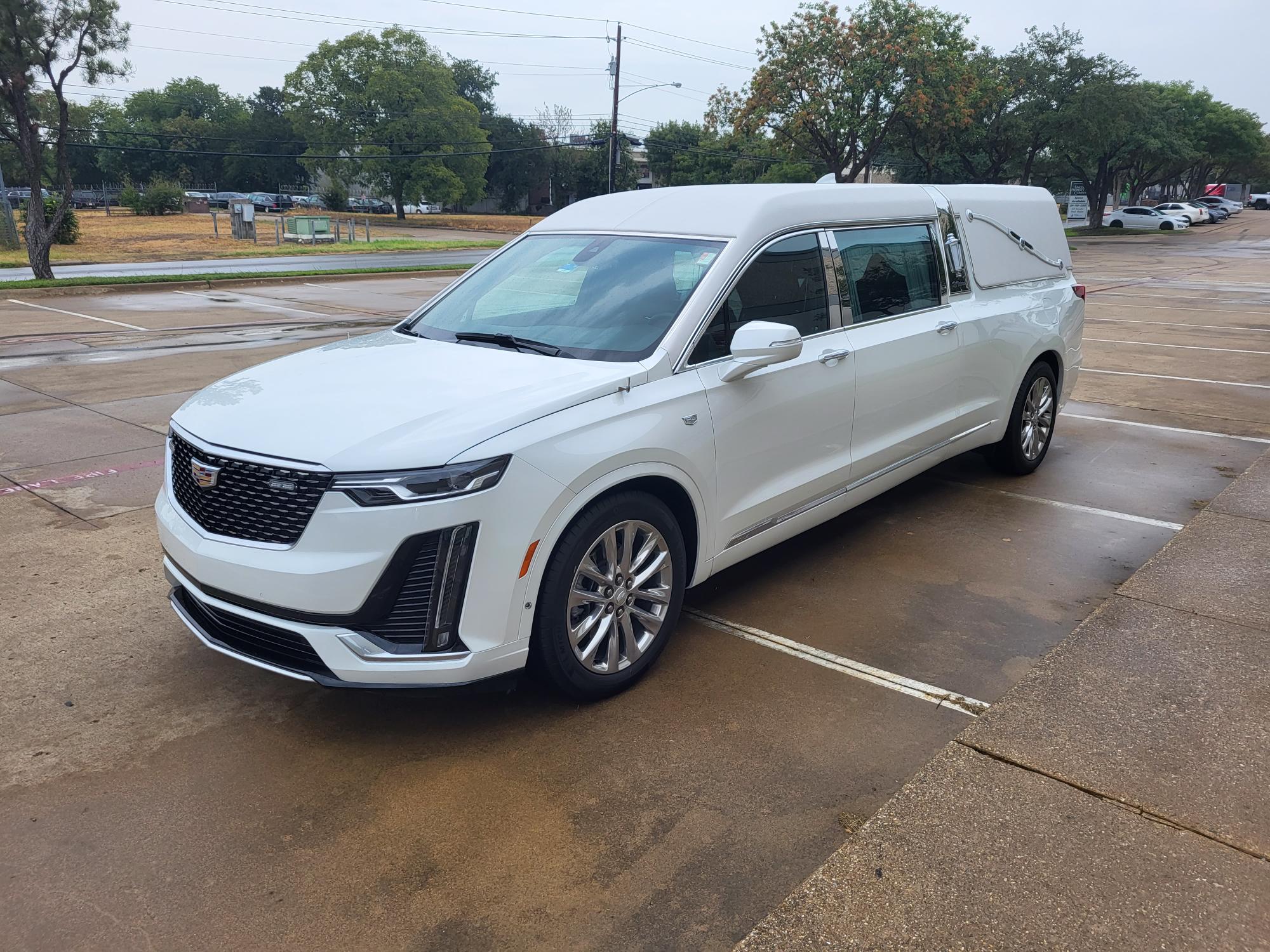
The Hearse as a Capital Investment: More Than Just a Name
To the casual observer, the funeral car is a symbol of transition. To the business owner, it is a specialized professional vehicle—a “livery asset”—that requires a sophisticated approach to acquisition, valuation, and maintenance. Identifying the car correctly as a funeral coach often signals a firm’s positioning within the market, distinguishing high-touch, premium service providers from budget-friendly alternatives.
Identifying the Core Asset: Hearse vs. Funeral Coach
The term “hearse” finds its origins in the Middle French herce, a type of framework used to hold candles over a coffin. Over centuries, the term evolved from the decorative frame to the carriage itself. In modern business practice, however, many firms prefer “funeral coach” to soften the imagery and align the service with luxury transportation brands.
From a financial perspective, these vehicles are rarely “off-the-lot” purchases. They are built by specialized manufacturers known as coachbuilders. Companies like Cadillac and Lincoln provide “incomplete” chassis—heavy-duty platforms with reinforced suspensions and transmissions—which are then shipped to coachbuilders to be extended and outfitted with high-end interiors, rollers for the casket, and formal exterior styling. This multi-stage manufacturing process means that the price tag of a funeral coach far exceeds that of a standard luxury SUV or sedan, often starting at $100,000 and climbing significantly for custom builds.
The Market Valuation of Professional Vehicles
The valuation of a funeral coach follows a different trajectory than standard consumer automobiles. Because these vehicles are driven sparingly—often only a few thousand miles per year—they retain a high percentage of their value over the first five to seven years. However, they are also susceptible to “aesthetic obsolescence.” A funeral home’s brand is often tied to the perceived modernity and pristine condition of its fleet.
For an investor or a business appraiser, the “book value” of a funeral car must be weighed against its “utility value.” A ten-year-old coach with 20,000 miles might be mechanically perfect, but if the body style looks dated compared to a competitor’s fleet, it may force a capital expenditure (CapEx) to replace the vehicle ahead of its mechanical end-of-life to maintain brand prestige and pricing power.
The Business of the “Last Ride”: Fleet Management and ROI
Managing a funeral fleet is an exercise in balancing overhead costs with service fees. The “transportation fee” listed on a General Price List (GPL) is one of the primary ways a funeral home recovers the cost of the vehicle. For a firm to be profitable, the revenue generated by the funeral coach must cover the initial purchase price, the interest on the loan or lease, insurance, specialized maintenance, and the labor of the driver.
Acquisition Costs: Leasing vs. Buying
When a funeral director looks to add a new coach to their fleet, they face a classic “lease vs. buy” dilemma. Buying a vehicle outright requires significant liquid capital, which might be better deployed in facility renovations or digital marketing. However, ownership allows the business to claim depreciation as a tax shield.
Under current tax codes, many funeral homes utilize Section 179 deductions, which allow businesses to deduct the full purchase price of qualifying equipment—including heavy professional vehicles like funeral coaches—in the year they are put into service. This can result in massive tax savings, effectively subsidizing the upgrade of the fleet. Conversely, leasing offers lower monthly payments and allows the firm to rotate their fleet every three to four years, ensuring they always have the most current models without the burden of long-term asset management.
Maintenance and Depreciation of Specialty Vehicles
The maintenance of a funeral coach is not merely about oil changes. Because these vehicles carry significant weight and often operate at low speeds (during processions), they experience unique wear on their cooling systems and transmissions. Furthermore, the specialized nature of the “stretch” body means that any collision or bodywork requires a specialist, not a standard repair shop.
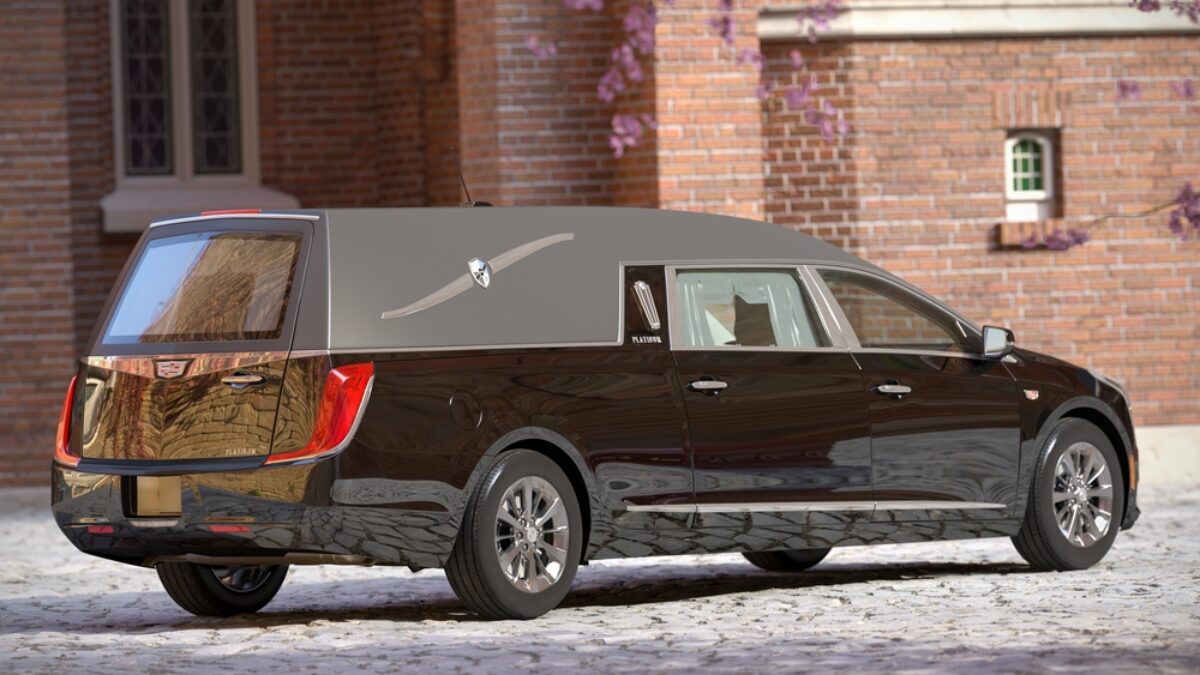
From a depreciation standpoint, the funeral coach is a “lumpy” asset. It doesn’t lose value in a smooth curve. The moment it is put into service, there is an immediate drop in resale value because the market for used funeral coaches is a niche, secondary market consisting of smaller funeral homes or firms in emerging markets. Professional fleet managers must calculate the “Optimal Replacement Point”—the moment where the rising cost of maintenance and the declining image of the vehicle intersect with its remaining resale value.
Diversifying the Portfolio: The Economics of Niche Funeral Transportation
While the funeral coach is the flagship, a well-capitalized funeral home often maintains a diverse fleet to maximize revenue streams and meet varying consumer demands. Each vehicle type represents a different tier of service and a different financial profile.
The Rise of the Limousine and Flower Car
In traditional high-end service models, the funeral coach is accompanied by family limousines and flower cars. From a business finance perspective, limousines are high-maintenance assets that often require additional licensing and higher insurance premiums due to their passenger capacity. However, they are high-margin upsells.
The “flower car,” once a staple of the industry, has become a rare asset. These vehicles feature a flat, stainless steel-lined rear deck designed to display floral tributes. Because they are so specialized, they are expensive to produce and have limited utility. Today, many firms have phased out flower cars in favor of “lead cars” or “utility vans,” which offer more versatility for transporting equipment and remains between facilities, representing a shift toward operational efficiency over traditional pageantry.
Customization as a Revenue Stream
In recent years, the industry has seen a trend toward personalized transportation. This includes the use of vintage hearses, horse-drawn carriages, and even motorcycle-led funeral coaches. For a business, these are “alternative assets.” While they may have a higher initial cost or higher storage requirements, they allow the firm to charge a premium for a unique experience.
Investing in a vintage 1940s Packard funeral coach, for instance, can serve as a powerful marketing tool. It differentiates the brand in a crowded market and can be “rented” out to other funeral homes that do not possess such an asset, creating a B2B revenue stream that helps offset the vehicle’s upkeep.
Investing in the Death Care Industry: Trends and Financial Outlook
For those looking at the funeral industry from an investment perspective, the “fleet” is one of the most telling indicators of a company’s health. Large consolidators—publicly traded companies that buy up independent funeral homes—often standardize their fleets to achieve economies of scale in purchasing and maintenance.
Consolidators vs. Independent Firms
Publicly traded death care companies have the advantage of “fleet power.” By purchasing dozens of funeral coaches at once, they can negotiate lower per-unit prices from coachbuilders. They also utilize centralized motor pools, where a single high-end funeral coach is shared among several chapels in a geographic region. This increases the “utilization rate” of the asset, ensuring the vehicle is generating revenue as many days of the week as possible.
Independent firms, however, often rely on the longevity of their vehicles. For an independent owner, a well-maintained funeral coach is a “debt-free” asset after five or six years, at which point the transportation fees become pure profit (minus operating expenses). The financial strategy here is “longevity over turnover.”
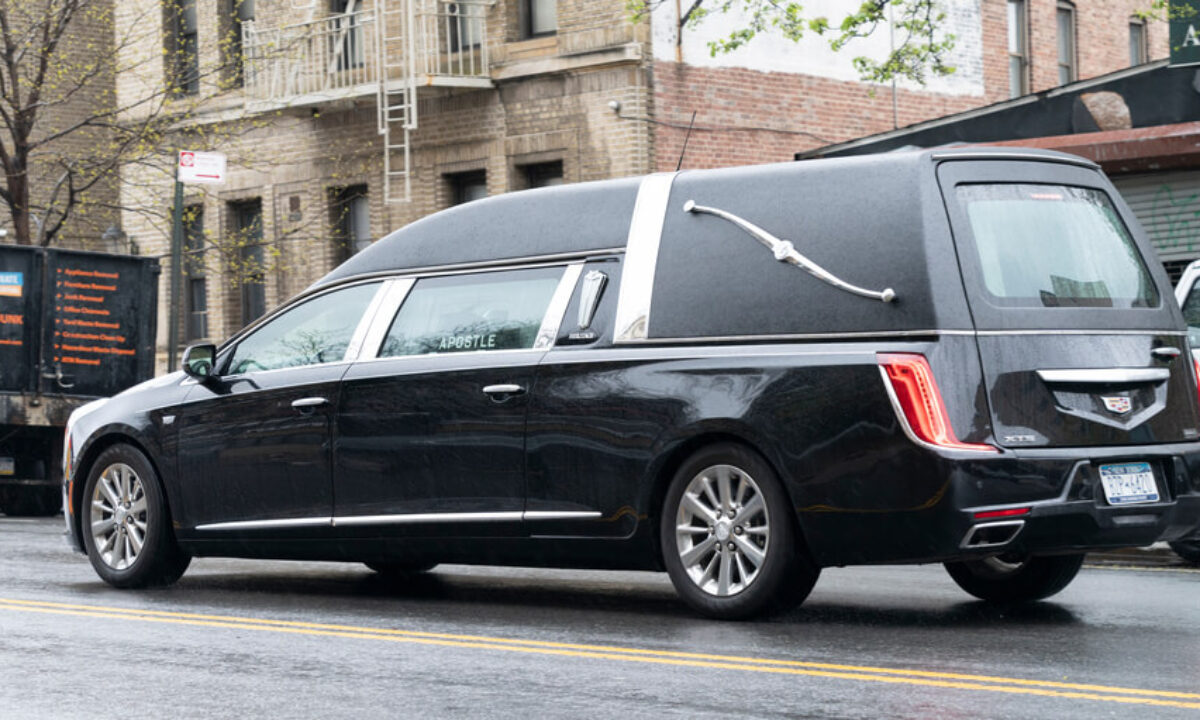
The Impact of Cremation on Traditional Asset Needs
Perhaps the most significant financial headwind for the traditional funeral car is the rising rate of cremation. As more families opt for direct cremation or memorial services without a casketed body present, the demand for the traditional funeral coach is shifting.
Forward-thinking firms are responding by diversifying their assets into “first call” vehicles and “sprinter” vans. These vehicles are less expensive to buy, cheaper to insure, and more fuel-efficient. They are designed for the discreet transport of remains from the place of death to the crematory. For an investor, the shift from high-value, low-use funeral coaches to high-use, lower-cost utility vehicles represents a move toward a leaner, more resilient business model that reflects changing consumer behavior.
Ultimately, whether you call it a hearse or a funeral coach, the vehicle remains a cornerstone of the funeral industry’s balance sheet. It is a fusion of tradition and business necessity—a high-stakes capital asset that requires careful financial planning, strategic tax management, and a keen eye on the evolving landscape of the death care economy. For the business owner, the “last ride” is not just a service; it is a critical calculation in the pursuit of long-term financial sustainability.
aViewFromTheCave is a participant in the Amazon Services LLC Associates Program, an affiliate advertising program designed to provide a means for sites to earn advertising fees by advertising and linking to Amazon.com. Amazon, the Amazon logo, AmazonSupply, and the AmazonSupply logo are trademarks of Amazon.com, Inc. or its affiliates. As an Amazon Associate we earn affiliate commissions from qualifying purchases.