
The Mystique of a Midwestern Icon: Analyzing the Brand Positioning
Blue Moon ice cream is more than just a culinary curiosity; it is a masterclass in brand identity and regional loyalty. For those unfamiliar with the cultural landscape of the American Midwest—particularly Wisconsin, Michigan, and parts of the Great Lakes region—the concept of a bright, electric-blue frozen dessert that defies simple categorization seems perplexing. From a marketing perspective, Blue Moon represents the pinnacle of “nostalgia-driven brand equity.” It is an enigma that refuses to be solved, and in that refusal, it secures its place as a perennial favorite.
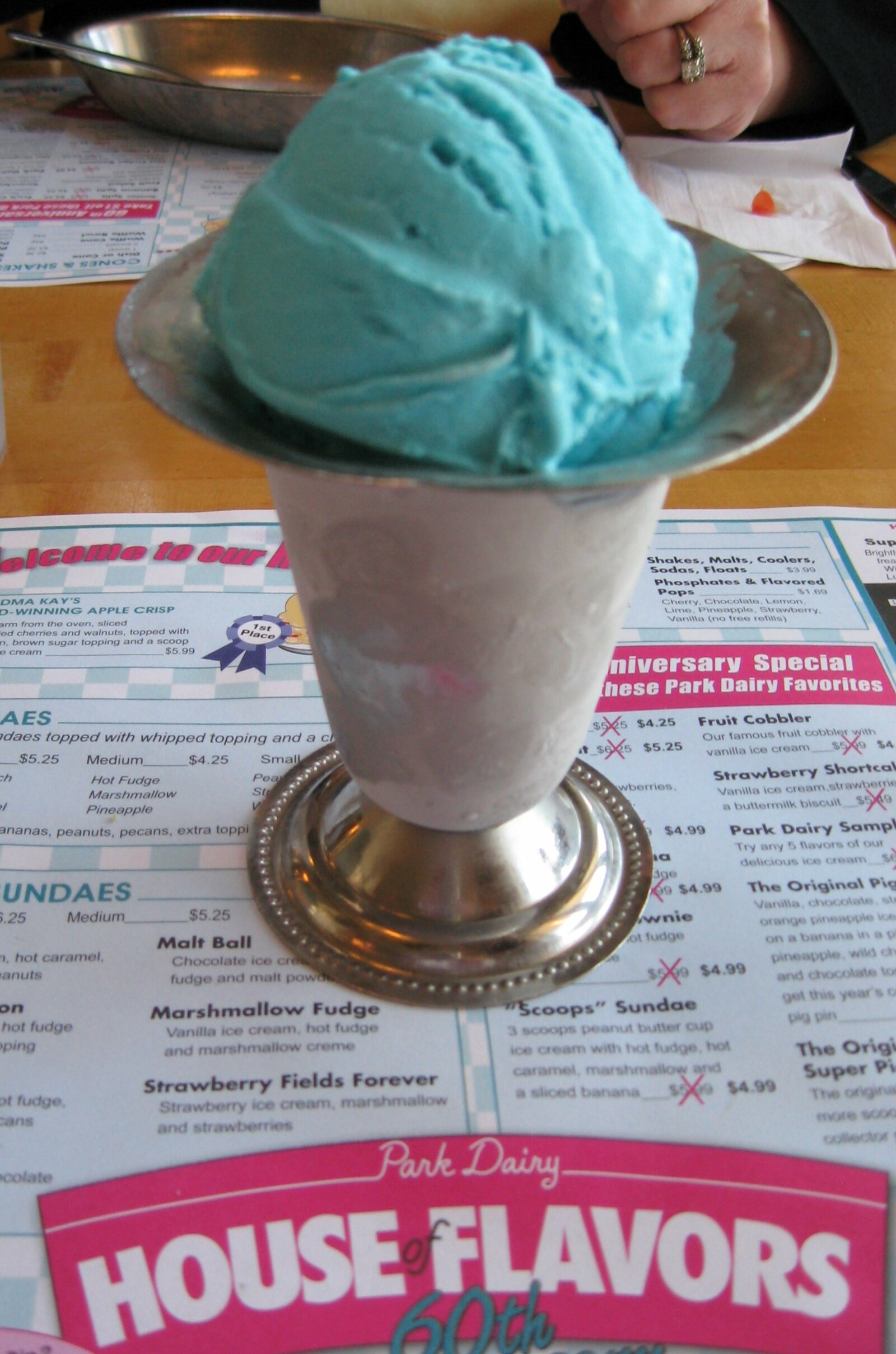
When analyzing Blue Moon through the lens of brand strategy, one must acknowledge that the flavor’s primary value proposition is not its taste, but its scarcity and mystery. By maintaining a secret recipe—or, more accurately, by fostering a culture where the flavor profile is perpetually debated—the product creates a “brand puzzle.” Consumers are not merely buying a scoop; they are buying into a regional secret. This strategy effectively creates a barrier to entry for mass-market competitors who prioritize transparency and mass appeal. Blue Moon succeeds precisely because it is an outlier.
Decoding the Sensory Experience: Marketing the Abstract
In the world of food branding, most products are marketed based on identifiable flavor cues: vanilla bean, Dutch chocolate, or salted caramel. Blue Moon breaks this convention entirely. Its flavor has been described as a complex, almost ephemeral blend of spices, fruit extracts, and citrus notes, often compared to the lingering aftertaste of Froot Loops or a sophisticated blend of almond and vanilla.
From a product design standpoint, the color itself serves as the brand’s most potent asset. The neon-blue hue acts as a visual trigger that overrides the need for traditional flavor labeling. In marketing psychology, this is known as “color-cued brand recognition.” When a consumer sees that specific shade of blue in a scoop shop, they do not need to read the menu; the color is the brand.
The Psychology of Flavor Perception
The human palate is heavily influenced by cognitive bias. When consumers are told they are eating “Blue Moon,” their expectations are set by their peers and the surrounding cultural narrative. If a brand were to release an identical flavor under a generic name like “Spiced Berry,” it would likely fail. Blue Moon survives because it leverages the “halo effect,” where the positive associations of Midwestern summer festivals, childhood fairs, and family traditions are projected onto the flavor profile.
Consistency in Corporate Identity
Despite being manufactured by various regional dairies, the brand identity of Blue Moon remains remarkably consistent. This is a rare feat in the food industry. Usually, when a product is produced by multiple independent manufacturers, quality and branding drift. However, Blue Moon has maintained a “community-standard” identity. Whether it is produced by a local creamery or a larger regional supplier, the commitment to the specific color and the vague, sweet, spice-forward profile remains intact. This demonstrates a shared corporate identity that transcends individual company boundaries.
The Competitive Edge: Scarcity as a Marketing Tool
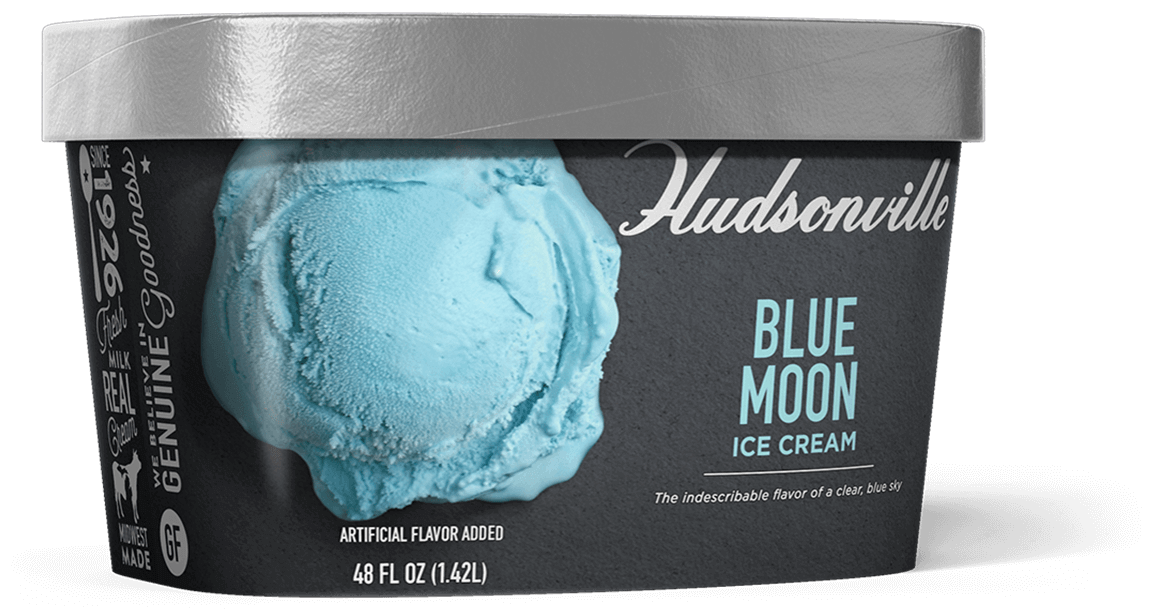
The most brilliant aspect of Blue Moon’s brand strategy is its geographic exclusivity. By positioning the product as a Midwestern staple, the brand creates a psychological “in-group” dynamic. Tourists visiting the region feel compelled to try it, while locals use it as a marker of identity. This is a textbook example of “geographic branding,” where a product gains value simply by being tied to a specific location.
Leveraging the “Cult Status” Lifecycle
Brands that achieve “cult status” often struggle with the transition to national distribution. Blue Moon has navigated this by resisting the urge to expand too aggressively. By remaining a “local secret,” the product keeps its brand equity high. If one were to find Blue Moon in every grocery store chain in the United States, the mystery would dissipate, and the flavor—which is admittedly polarizing—would face the harsh reality of national consumer standards. Instead, by keeping it within the Great Lakes orbit, the brand maintains its artisanal, underdog appeal.
Strategic Partnerships and Regional Synergy
Blue Moon ice cream is frequently paired with other iconic regional foods, such as cherry pie or local artisan chocolates. These strategic pairings reinforce the brand’s positioning as a cornerstone of the regional food experience. When marketers look for ways to build a product that transcends its ingredients, they look at models like Blue Moon, which has successfully positioned itself as a “must-have” experience rather than just a grocery item.
Building Brand Longevity Through Ambiguity
For brand strategists, the lesson of Blue Moon is that sometimes, clarity is not the goal. While traditional marketing dogma preaches the importance of “knowing your customer” and “defining your USP (Unique Selling Proposition),” Blue Moon proves that a lack of definition can be a USP in its own right.
The Value of the “Unknowable”
In an age of digital marketing where every ingredient in a product is analyzed and scrutinized on the back of the packaging, Blue Moon exists in a pre-internet state of grace. Its refusal to be codified allows for a broader range of interpretation. One consumer might taste lemon, while another insists it is all almond; a third might argue for wintergreen. By allowing consumers to define the flavor themselves, the brand engages the audience in a participatory way. This is the ultimate form of customer engagement: the customer helps create the brand’s meaning.
Sustaining Relevance in a Changing Market
As the food industry shifts toward healthier alternatives and transparent labeling, Blue Moon could be viewed as an anomaly. However, its staying power suggests that consumers crave “experience-led” products. Even in a competitive market flooded with premium artisanal ice creams, Blue Moon holds its ground. It is not competing on quality or health benefits; it is competing on legacy and lore.

Conclusion: The Business Case for the Mystical
The success of Blue Moon ice cream is a testament to the power of branding over pure product function. When we ask, “What is the flavor of Blue Moon?” we are essentially asking the wrong question. The question should be, “Why does this flavor matter?” The answer lies in the brand’s ability to weave itself into the fabric of regional culture.
By prioritizing its visual identity, maintaining a deliberate aura of mystery, and fostering a sense of geographic pride, Blue Moon has secured a position that most brands would envy: it is immune to competition. It is not just an ice cream flavor; it is an intangible asset that has been carefully cultivated over decades. For those involved in brand strategy and corporate identity, Blue Moon stands as a reminder that the strongest brands are those that can turn an indefinable experience into a permanent fixture of consumer desire. Through its refusal to conform to the standard metrics of flavor profile and national ubiquity, Blue Moon ice cream continues to thrive as a quintessential example of how brand narrative can elevate a simple product into a cultural icon.
aViewFromTheCave is a participant in the Amazon Services LLC Associates Program, an affiliate advertising program designed to provide a means for sites to earn advertising fees by advertising and linking to Amazon.com. Amazon, the Amazon logo, AmazonSupply, and the AmazonSupply logo are trademarks of Amazon.com, Inc. or its affiliates. As an Amazon Associate we earn affiliate commissions from qualifying purchases.