
In the dynamic world of finance, few names resonate with as much significance and recognition as Nasdaq. Often synonymous with technology and innovation, Nasdaq represents far more than just a stock exchange; it is a complex, multi-faceted entity that plays a pivotal role in the global financial landscape. For investors, entrepreneurs, and financial professionals alike, understanding “what is Nasdaq today” is crucial for navigating market trends, identifying opportunities, and grasping the underlying currents of economic growth and technological advancement.
Today, Nasdaq stands as the world’s second-largest stock exchange by market capitalization, a digital pioneer that revolutionized trading, and a bellwether for the growth sectors of the economy, particularly technology and biotechnology. Its current status reflects a blend of its storied past as an electronic trading pioneer, its present as a critical market infrastructure provider, and its future as an innovator in financial technology and data. Far from a static entity, Nasdaq today is an evolving financial ecosystem, responding to and shaping global economic forces, technological shifts, and investor sentiment. It’s a focal point for understanding market liquidity, capital formation, and the performance of some of the world’s most influential companies, making its current condition an essential piece of the investment puzzle.

Nasdaq’s Core Identity: More Than Just a Tech Index
To truly grasp Nasdaq’s significance today, one must look beyond its popular association with tech stocks and delve into its fundamental structure and broader contributions to the financial world. It is a market, an index provider, and a technology solutions company all rolled into one.
The Nasdaq Stock Market: A Global Hub for Innovation
The Nasdaq Stock Market, officially the Nasdaq Global Select Market, Nasdaq Global Market, and Nasdaq Capital Market, distinguishes itself through its fully electronic trading system. Launched in 1971, it was the world’s first electronic stock market, eliminating the need for a physical trading floor. This innovation democratized access and increased efficiency, attracting a new generation of companies focused on growth rather than traditional heavy industry. Today, it remains a preferred listing venue for companies in the technology, biotechnology, healthcare, and disruptive innovation sectors. Its listing requirements, while rigorous, are often seen as more accommodating to high-growth, asset-light companies compared to some older exchanges. This has solidified its reputation as the market for visionaries and innovators, underpinning its continued relevance as a barometer for future economic trends. Its robust market surveillance and regulatory framework ensure a fair and transparent trading environment, vital for investor confidence in today’s complex markets.
The Nasdaq Composite vs. The Nasdaq 100: Understanding Key Indices
When people talk about “Nasdaq,” they often refer to one of its two primary indices: the Nasdaq Composite and the Nasdaq 100. Understanding the distinction is crucial for investors.
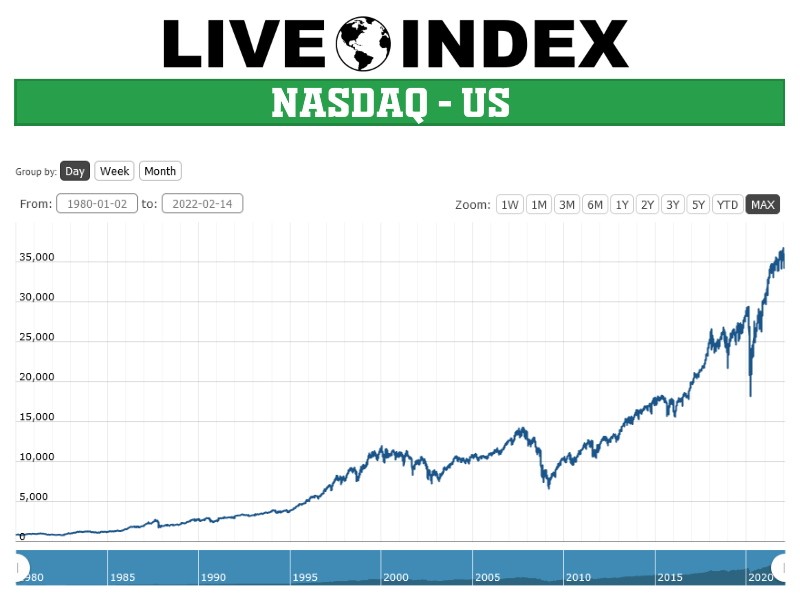
The Nasdaq Composite Index is a broad market-capitalization-weighted index of all common stocks and similar securities listed on the Nasdaq Stock Market. This means it includes virtually every company trading on Nasdaq, encompassing a diverse range of sectors, although technology companies historically dominate its composition due to the exchange’s listing preferences. Its current value reflects the collective performance of thousands of companies, offering a comprehensive view of the entire Nasdaq ecosystem.
The Nasdaq 100 Index, by contrast, is a modified market-capitalization-weighted index of 100 of the largest non-financial companies listed on the Nasdaq Stock Market. This index is particularly influential as it excludes financial companies and focuses on the biggest names in tech, biotech, retail, and industrial sectors. Companies like Apple, Microsoft, Amazon, Google (Alphabet), and Tesla are perennial constituents. The Nasdaq 100 is often seen as a purer play on large-cap growth and technology, making it a critical benchmark for fund managers and a popular underlying asset for exchange-traded funds (ETFs) and derivatives. Its performance heavily influences global tech sentiment and is a key indicator of market appetite for high-growth equities.
Beyond Trading: Data, Technology, and Market Services
Nasdaq’s role extends far beyond merely facilitating stock trades. It is a significant global provider of market data, technology, and market services. Nasdaq sells its market data to financial institutions, providing crucial insights into trading activity, liquidity, and pricing. Its market technology solutions power over 130 marketplaces in 50 countries, including other exchanges, clearinghouses, and central securities depositories. This makes Nasdaq a foundational infrastructure provider for the global financial system. Furthermore, its surveillance technology helps detect market abuse and ensures market integrity, a critical function in an increasingly interconnected and complex trading environment. Today, Nasdaq is actively investing in AI, machine learning, and blockchain technologies to enhance its service offerings, further solidifying its position at the forefront of financial innovation.
Navigating Nasdaq’s Current Landscape for Investors
For individuals and institutions alike, understanding Nasdaq’s current landscape is paramount for making informed investment decisions. Its unique characteristics require a tailored approach to analysis and strategy.
Understanding Today’s Performance Drivers
Nasdaq’s performance today is influenced by a complex interplay of global economic, geopolitical, and technological factors. Interest rates and inflation are paramount; higher interest rates generally make future earnings less valuable, impacting growth stocks that dominate Nasdaq. Technological innovation cycles drive much of its long-term growth, with breakthroughs in AI, cloud computing, biotechnology, and cybersecurity continually creating new market leaders. Earnings reports from major tech companies can cause significant market shifts, as these giants hold substantial weight in the indices. Geopolitical events, such as trade disputes or conflicts, can introduce volatility, affecting supply chains and consumer confidence, while regulatory scrutiny on big tech can also temper growth expectations. Investors must stay abreast of these macro and micro drivers to anticipate movements in Nasdaq-listed securities.
The Allure and Risks of Nasdaq Investing
The allure of investing in Nasdaq-listed companies primarily stems from their growth potential. Many companies on Nasdaq are at the cutting edge of innovation, offering the promise of substantial future returns. This attracts investors seeking capital appreciation and exposure to transformative technologies.
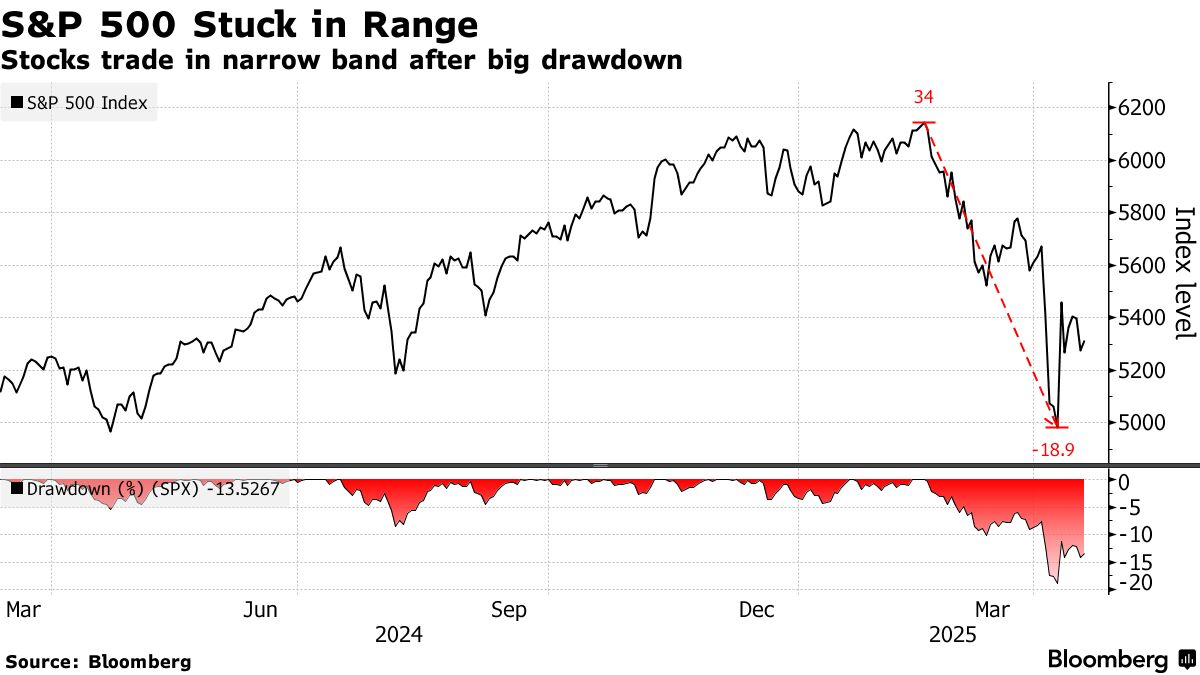
However, this growth potential comes with inherent risks. Nasdaq-listed stocks, particularly those in the technology sector, are often characterized by higher volatility. Their valuations can be sensitive to market sentiment, economic outlooks, and future growth projections, leading to sharper price swings compared to more mature, value-oriented companies. Furthermore, the concentration of the Nasdaq 100 in a handful of mega-cap tech stocks means concentration risk is a significant factor. A downturn in one or two of these giants can have an outsized impact on the entire index, making diversification a crucial consideration for investors.
Practical Approaches to Investing in Nasdaq
Investors can gain exposure to Nasdaq through various financial tools, each with its own advantages.
- Exchange-Traded Funds (ETFs): These are perhaps the most popular way for retail investors to invest in Nasdaq. ETFs like the Invesco QQQ Trust (QQQ) track the Nasdaq 100, providing diversified exposure to the index’s largest non-financial companies. Other ETFs track the broader Nasdaq Composite or specific sectors within Nasdaq (e.g., biotech ETFs). ETFs offer diversification, liquidity, and relatively low expense ratios.
- Individual Stocks: For those who wish to select specific companies, direct investment in individual Nasdaq-listed stocks is an option. This requires thorough research into company financials, management, competitive landscape, and growth prospects. While offering higher potential returns if successful, it also carries higher individual stock risk.
- Mutual Funds: Many actively managed mutual funds include Nasdaq-listed stocks in their portfolios, particularly growth funds or technology funds. These are managed by professional fund managers who select securities based on their research.
- Diversification and Long-Term Strategy: Regardless of the chosen vehicle, a key principle for Nasdaq investing, especially given its growth and tech bias, is diversification across different asset classes, sectors, and geographies. Adopting a long-term investment horizon can help smooth out short-term volatility and allow the compounding power of growth to materialize.
Nasdaq’s Role in the Broader Economy and Financial Future
Nasdaq today is not just a collection of companies or a trading platform; it is a vital organ in the global economic body, reflecting and driving progress.
A Bellwether for Technological Advancement
Nasdaq’s composition makes it an undeniable bellwether for technological advancement. The companies listed on Nasdaq are often at the forefront of research and development, bringing disruptive innovations to market that redefine industries and create new economic opportunities. From cloud computing and artificial intelligence to genetic engineering and renewable energy, Nasdaq-listed companies are shaping the future. Their collective performance provides insights into the pace of innovation, consumer adoption of new technologies, and the overall health of the digital economy. As these companies grow, they create jobs, stimulate ancillary industries, and contribute significantly to GDP, making Nasdaq a crucial indicator of future economic direction.
Market Infrastructure and Global Connectivity
Beyond its role as a listing venue, Nasdaq is a critical piece of global market infrastructure. Its technology powers exchanges worldwide, promoting market efficiency, reducing transaction costs, and enhancing liquidity. In an increasingly interconnected global economy, Nasdaq facilitates the flow of capital across borders, enabling companies to raise funds internationally and investors to access diverse opportunities. Its commitment to maintaining fair, orderly, and transparent markets underpins investor confidence, which is fundamental for capital formation and sustained economic growth globally. Nasdaq’s robust infrastructure ensures that market participants, from large institutions to individual investors, have reliable access to trading and market data.
The Future of Public Markets: AI, ESG, and Digital Assets
Nasdaq is actively positioning itself at the vanguard of the future of public markets. It is exploring and implementing Artificial Intelligence (AI) and machine learning to enhance market surveillance, optimize trading algorithms, and improve data analytics for its clients. The rise of Environmental, Social, and Governance (ESG) investing is also a key focus; Nasdaq offers a range of ESG data and indexing solutions, recognizing the growing importance of sustainable practices for investors and corporate responsibility. Furthermore, Nasdaq is a key player in the conversation around digital assets and blockchain technology. While not yet directly listing cryptocurrencies, it is researching blockchain’s potential for improving post-trade processes, managing digital identities, and potentially facilitating new forms of capital raising, signaling its commitment to adapting to the evolving landscape of financial innovation.
Essential Financial Tools and Resources for Nasdaq Investors
Engaging with Nasdaq’s market today requires access to a variety of financial tools and resources that empower informed decision-making and effective portfolio management.
Leveraging Real-time Data and Analytics
Access to real-time market data is indispensable for Nasdaq investors. Platforms like Bloomberg Terminal and Refinitiv Eikon (formerly Thomson Reuters Eikon) provide professional-grade data, news, and analytical tools. For retail investors, free or low-cost alternatives such as Yahoo Finance, Google Finance, TradingView, and direct data feeds from brokerage platforms offer crucial information including stock prices, trading volumes, company fundamentals, and financial news. These tools allow investors to track the performance of Nasdaq indices and individual stocks, monitor market trends, and react to breaking news promptly, which is vital given the volatility of growth stocks.
Brokerage Platforms and Investment Apps
The gateway for most individual investors to Nasdaq-listed securities is through online brokerage platforms and investment apps. Companies like Charles Schwab, Fidelity, Vanguard, E*TRADE, Robinhood, and Interactive Brokers provide platforms that allow users to buy and sell stocks, ETFs, and other financial instruments traded on Nasdaq. These platforms vary in their fee structures, research tools, educational content, and user experience. Many now offer commission-free trading for stocks and ETFs, significantly lowering the barrier to entry for new investors. Choosing the right platform depends on an investor’s experience level, investment goals, and specific needs for research and trading tools.
Risk Management and Portfolio Diversification Tools
Given the potential volatility of Nasdaq investments, especially in individual tech stocks, risk management and portfolio diversification tools are critical. Many brokerage platforms offer tools for asset allocation, helping investors distribute their capital across different asset classes (stocks, bonds, cash), sectors, and geographies to mitigate risk. Portfolio analysis tools can help investors monitor their portfolio’s performance, understand its exposure to various factors, and rebalance it periodically to align with their risk tolerance and investment objectives. Additionally, resources that provide insights into beta values, standard deviation, and correlation can help investors understand the risk profile of their Nasdaq holdings and how they interact within a broader portfolio, promoting a more resilient investment strategy.
Conclusion
What Nasdaq is today is a testament to its enduring legacy as an innovator and its current stature as a cornerstone of the global financial system. It is a vibrant marketplace for groundbreaking companies, a critical set of indices for gauging economic and technological progress, and a fundamental infrastructure provider for financial markets worldwide. For investors, Nasdaq represents both immense opportunity and significant risk, demanding a thoughtful, informed approach. Its continued evolution in response to AI, ESG principles, and the digital asset landscape ensures its relevance will only grow. Understanding Nasdaq’s multifaceted identity, its drivers, and the tools available to interact with it is not just about tracking stock prices; it’s about comprehending a vital engine of innovation and wealth creation in the 21st century. As always, informed decision-making, coupled with a well-considered investment strategy and robust risk management, remains paramount for navigating this dynamic and influential market.
aViewFromTheCave is a participant in the Amazon Services LLC Associates Program, an affiliate advertising program designed to provide a means for sites to earn advertising fees by advertising and linking to Amazon.com. Amazon, the Amazon logo, AmazonSupply, and the AmazonSupply logo are trademarks of Amazon.com, Inc. or its affiliates. As an Amazon Associate we earn affiliate commissions from qualifying purchases.