
Genshin Impact, developed by HoYoverse, is more than a cultural phenomenon; it is a masterclass in live-service software architecture. Since the introduction of the fishing system in Version 2.1, players have navigated a complex web of resource management that dictates how quickly they can acquire high-tier rewards like “The Catch” or “Fleuve Cendre Ferryman.” At the heart of this system lies a sophisticated series of technical limitations designed to manage server load, regulate player progression, and maintain the integrity of the game’s internal economy.
To understand the “fishing limit” in Genshin Impact, one must look beyond the simple act of casting a line. It is a calculated interaction between client-side mechanics and server-side refresh cycles. This article explores the technical nuances of these limits, the logic behind the 72-hour reset, and how the game’s architecture handles resource persistence across its vast open world.
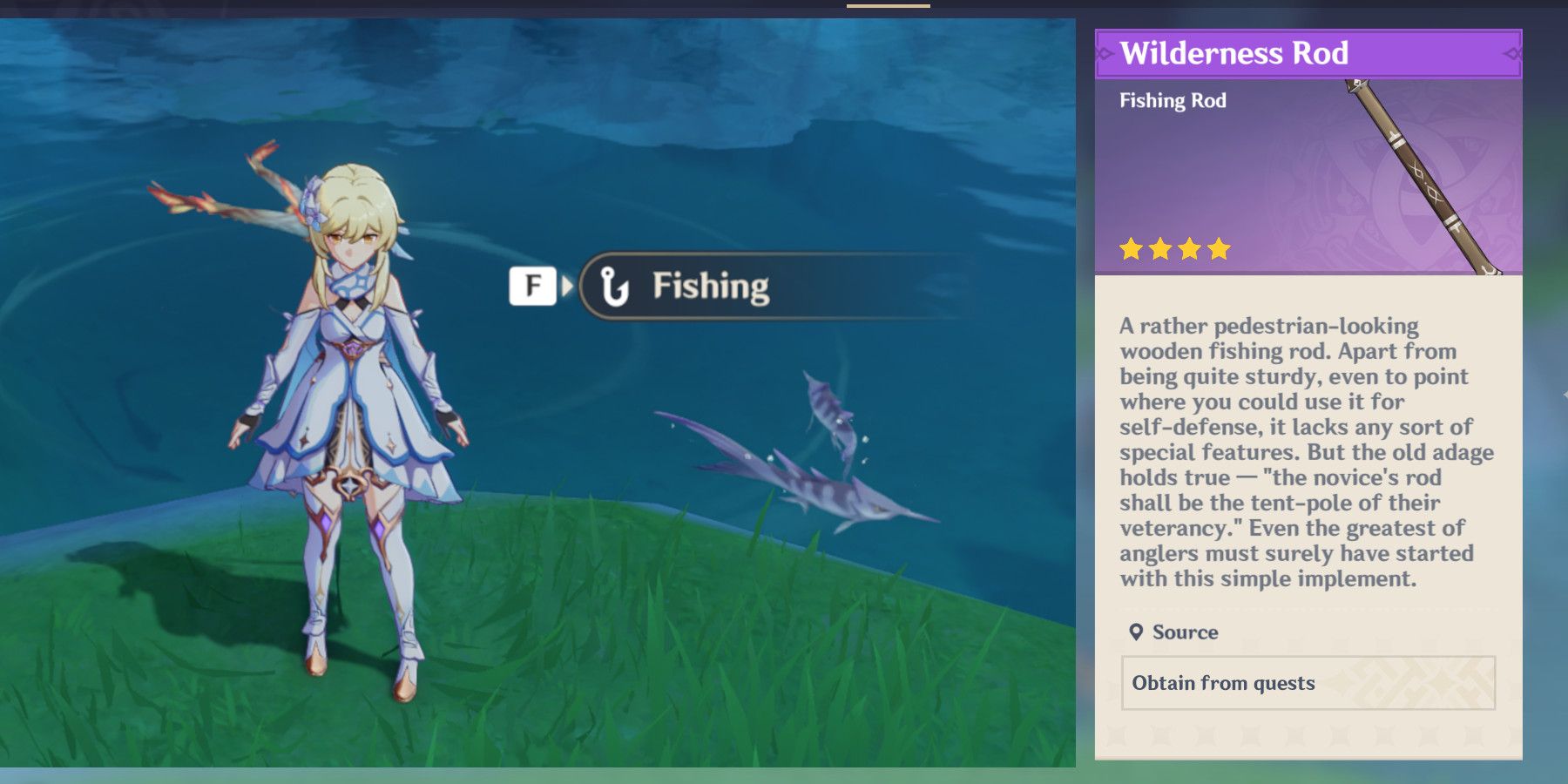
The Architecture of Persistence: How the Fishing System Operates
In a massive open-world environment like Teyvat, every interactive object—from a single Sweet Flower to a school of Raimei Angelfish—represents a data point that must be tracked by the server. Genshin Impact utilizes a sophisticated persistence model that ensures that if a player interacts with an object in their world, that state is saved and reflected in future sessions.
Data Synchronization and Server Refresh Cycles
The primary “limit” in Genshin Impact’s fishing system is the spawn timer. Unlike common enemies (which often reset daily) or local specialties (which typically reset every 48 hours), fish operate on a strict 72-hour real-time refresh cycle. From a technical standpoint, this is managed via a server-side timestamp. When a player empties a fishing spot, the server records the “Depleted” state and attaches a 72-hour countdown to that specific coordinate in the world database.
This long refresh cycle serves a dual purpose. First, it reduces the frequency of write operations required for non-essential world data. Second, it acts as a technical “gate,” preventing the rapid inflation of specific in-game assets. Because the rewards associated with fishing—most notably the 4-star Polearm “The Catch”—rival the performance of premium 5-star weapons, the 72-hour limit ensures that these high-value digital assets cannot be acquired through a single, continuous grind session.
The 72-Hour Reset Logic
The 72-hour timer is unique because it is independent of the daily server reset (which usually occurs at 4:00 AM server time). This suggests a “granular decay” model where each individual fishing node tracks its own timer relative to when it was cleared. If a player clears a pond at 2:00 PM on Monday, it will remain empty until 2:00 PM on Thursday. This decentralized timing requires the game to constantly check timestamps against the global server clock every time a player enters the vicinity of a fishing spot, ensuring the client-side rendering matches the server-side availability.
Understanding Spawn Mechanics and Population Caps
While the 72-hour reset is the hard limit, there are “soft limits” governed by the game’s spawn logic. Each fishing location has a maximum capacity for visible fish, usually capped at four to five specimens at a time. However, the total pool of fish available in that spot for a single cycle is often larger.
Pool Capacity and Hidden Reserves
A common technical hurdle for players is the “hidden reserve” mechanic. A fishing spot might contain ten fish in its total pool for that cycle, but the UI only displays four. As a player catches one fish, the game engine triggers a “respawn” event to pull a fish from the hidden pool into the active area.
From a software engineering perspective, this is a clever way to save on memory and processing power. By only rendering a few active entities at a time, the game maintains a high frame rate even on lower-end mobile devices. The limit here is not just the 72-hour timer, but the local “pool cap.” Once the pool and the hidden reserve are both empty, the node enters its 72-hour cooldown.
Day/Night Cycling and Asset Swapping
Genshin Impact further complicates the limit through the Day/Night cycle logic. Certain species, such as the Abiding Angelfish, only appear between 06:00 and 18:00 (in-game time), while others, like the Venomspine Fish, appear between 18:00 and 06:00.
Technically, this is handled through an asset-swapping trigger tied to the in-game clock. When the clock hits 18:00, the game checks the “Fishing Spot State.” If the pool hasn’t been depleted, it swaps the current set of fish for the “Night” set. Players can exploit this by fishing during the day, changing the in-game clock to night, and catching an entirely different set of fish from the same location. This “double-dipping” is an intentional mechanic that rewards technical knowledge of the game’s time-based triggers.
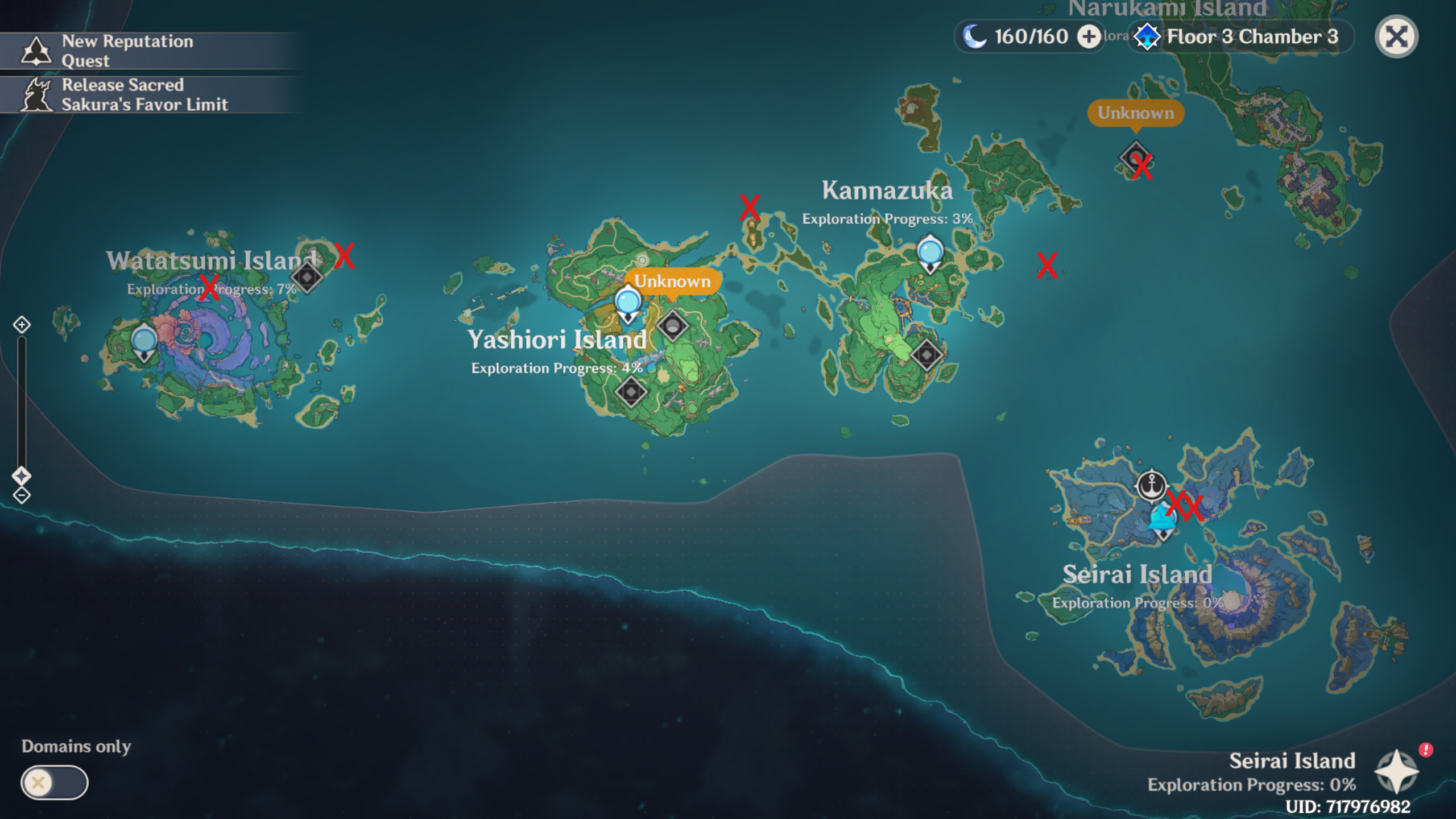
Technical Strategies to Bypass Local Limits: Co-op and World Ownership
Because the 72-hour limit is tied to a specific “World ID,” the most effective way to bypass the limit is through the game’s Co-op mode. This highlights an interesting facet of Genshin’s technical architecture: the distinction between the “Host” and the “Guest.”
The World Ownership Model
In Genshin Impact, the game world is hosted on the server but associated with a specific Player UID. When you join another player’s world, you are interacting with their database of resource timestamps. If a player has reached their limit in their own world, they can theoretically travel to the worlds of other players to continue fishing.
This necessitates a robust synchronization protocol. The server must ensure that if a Guest catches a fish in a Host’s world, that fish is subtracted from the Host’s database, not the Guest’s. This prevents “item duplication” glitches that often plague multiplayer titles. For the player, this means the only true “limit” is the number of willing hosts they can find within the community.
Cross-Regional Partitioning
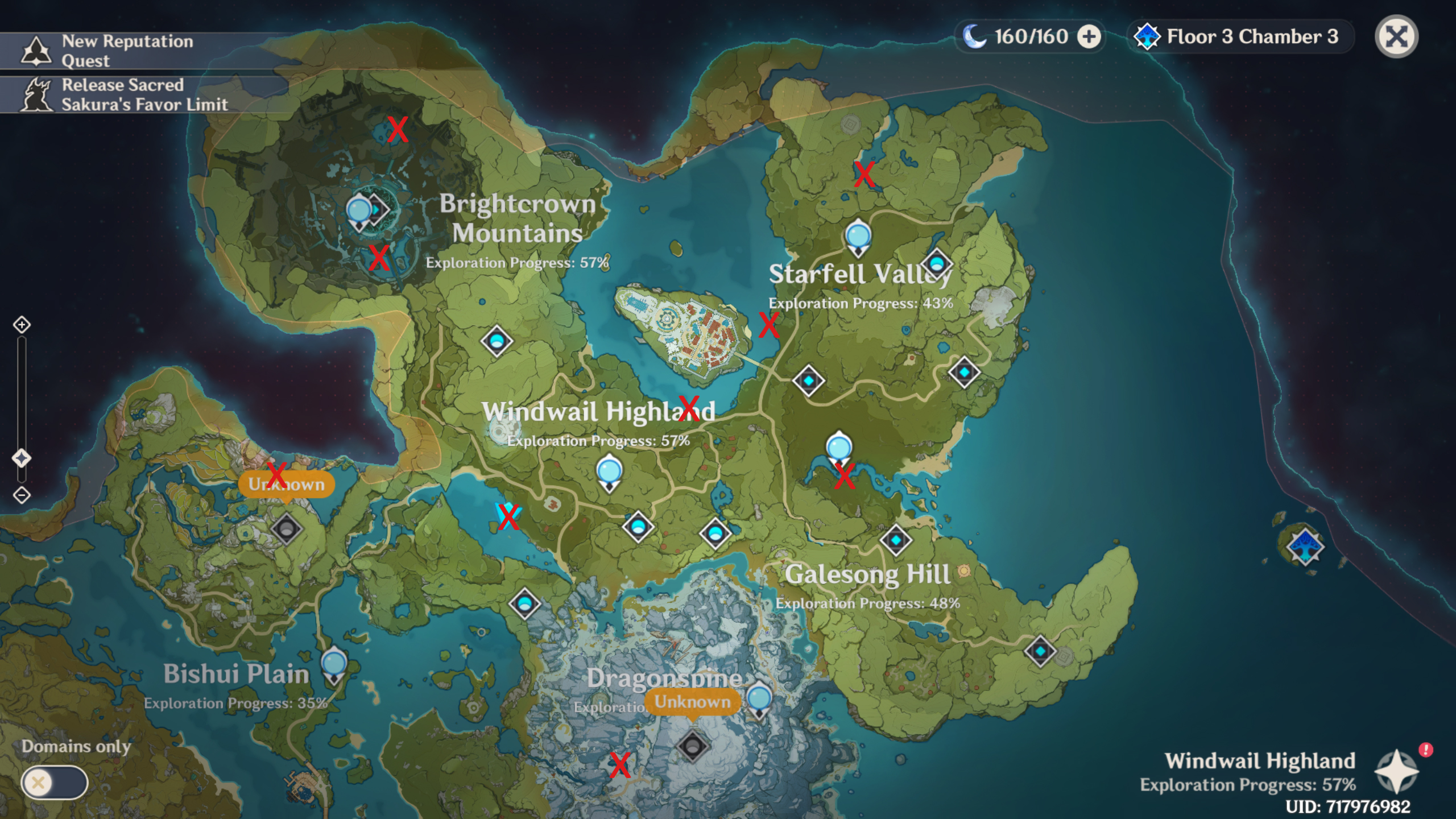
The fishing limit is also partitioned by region. As the game expands from Mondstadt to Liyue, Inazuma, Sumeru, and Fontaine, the total number of fishing spots increases. This effectively raises the “global limit” for a single player. From a development standpoint, adding new regions requires extending the fishing database to include new species IDs and coordinate sets. This modular approach allows the developers to introduce new “meta” weapons (like the “Pipe” sword in Fontaine) without disrupting the balance or technical stability of older regions.
UI/UX and Input Optimization in the Fishing Minigame
The technicality of fishing isn’t just about the limits of “how many” or “how often,” but also “how” the interaction is handled. The fishing minigame is a physics-based interaction that requires precise input-response loops.
Latency and Tension Mechanics
The “Tension Zone” mechanic in Genshin’s fishing system is a classic example of a client-side prediction loop. To make the fishing feel responsive even with a high ping, the game calculates the “Tension Bar” movement locally on the player’s device. If the game waited for server confirmation every time the player clicked the mouse or tapped the screen, the lag would make the minigame unplayable.
The “limit” here is the player’s reaction time versus the game’s frame data. Professional players often note that certain rods (acquired as rewards) increase the “Ideal Tension Zone” window. This is essentially a technical modifier that adjusts the tolerance levels in the minigame’s code, making it easier for the client-side logic to register a “success” state.
Cross-Platform Performance Considerations
Because Genshin Impact is cross-platform, the fishing system must be optimized for different input methods. Mobile players use touch-pressure simulation, while PC players use mouse-click frequency, and console players use haptic feedback.
The technical challenge for HoYoverse was ensuring that the “limit” of the minigame’s difficulty was consistent across all platforms. A player on a high-end PC shouldn’t have a mathematical advantage over a mobile player simply due to input latency. The implementation of a standardized “progress bar” that fills at a fixed rate regardless of frame rate (frame-independent movement) is the technical solution that ensures fairness.
Conclusion: Why the Limit Exists
The fishing limit in Genshin Impact—primarily the 72-hour reset—is a foundational element of the game’s technical and structural design. It is a safeguard against rapid progression that would otherwise devalue the rewards offered. By enforcing a cooldown, HoYoverse ensures that players remain engaged with the game over a longer duration, converting a potential “sprint” into a “marathon.”
From the server-side timestamping to the client-side tension mechanics, every aspect of the fishing system is optimized for stability and persistence. While the limit may seem like a hurdle to the casual player, it is an essential piece of software engineering that keeps the world of Teyvat balanced, responsive, and rewarding for millions of users worldwide. Understanding these technical boundaries allows players to better strategize their resource gathering, turning a simple minigame into a sophisticated exercise in digital asset management.
aViewFromTheCave is a participant in the Amazon Services LLC Associates Program, an affiliate advertising program designed to provide a means for sites to earn advertising fees by advertising and linking to Amazon.com. Amazon, the Amazon logo, AmazonSupply, and the AmazonSupply logo are trademarks of Amazon.com, Inc. or its affiliates. As an Amazon Associate we earn affiliate commissions from qualifying purchases.