
In an era where data is often more valuable than physical assets, the digital landscape has become a high-stakes battlefield. Organizations of all sizes—from agile startups to multinational conglomerates—face a relentless barrage of cyber threats, ranging from sophisticated ransomware attacks to subtle data exfiltration schemes. In response, regulatory bodies worldwide have tightened the reins, introducing stringent frameworks like GDPR, HIPAA, SOC 2, and ISO 27001. For an organization looking to navigate this complex environment, the question is no longer “if” they should comply, but “how.” However, looking at a 500-page regulatory handbook can be paralyzing. The most critical question for any IT professional or business leader is: what is the first step towards security rule compliance?
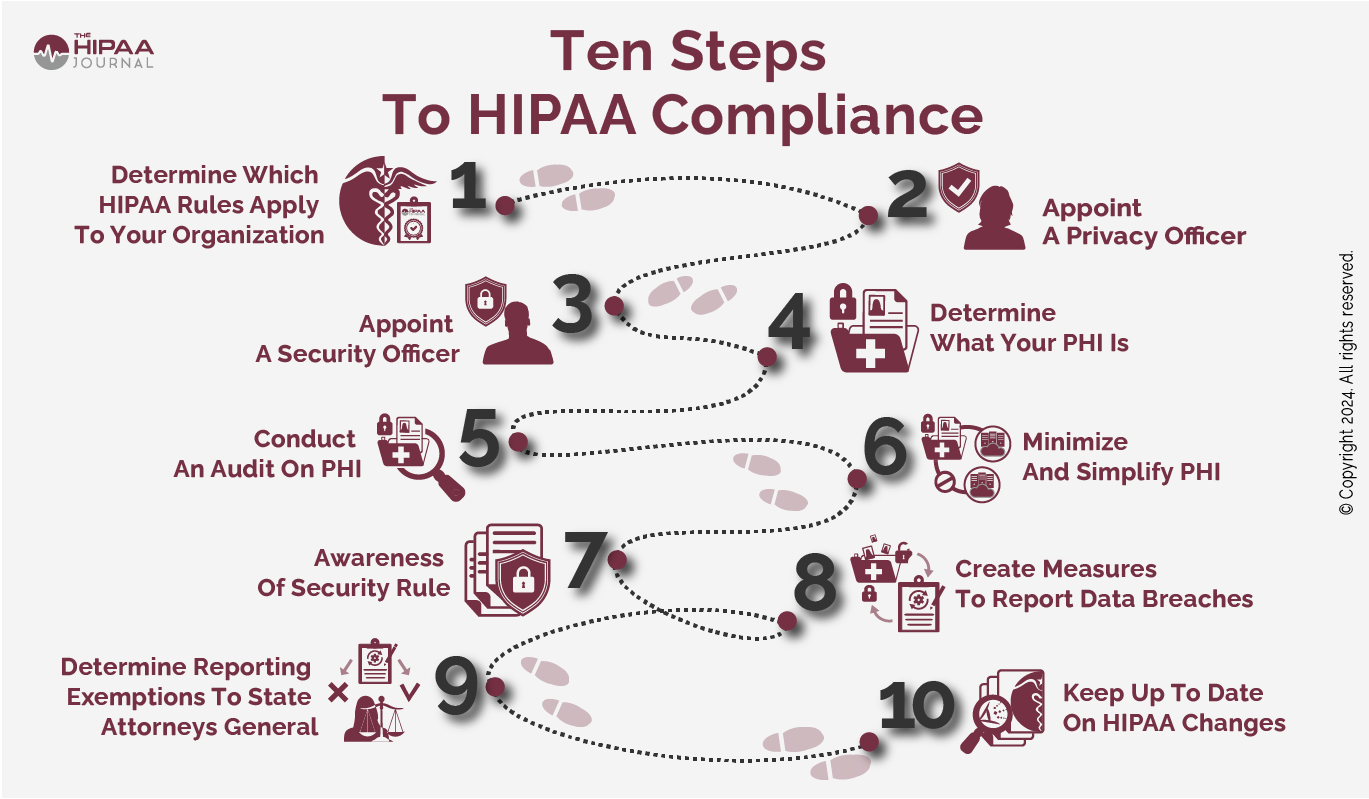
The answer is not purchasing the latest AI-driven firewall or hiring a Chief Information Security Officer (CISO). The foundational first step towards security rule compliance is a comprehensive and honest Risk Assessment. You cannot protect what you do not understand, and you cannot secure what you have not identified.
Understanding the Compliance Landscape in a Digital-First World
Before diving into the mechanics of risk assessment, it is essential to understand the modern digital infrastructure. We no longer live in a world of localized servers and physical “moats” around data centers. Today, data is fluid. It resides in multi-cloud environments, circulates through third-party SaaS applications, and is accessed by remote employees via a multitude of personal and corporate devices.
The Regulatory Maze
Security rule compliance is often viewed as a legal burden, but in the tech world, it is a technical blueprint for resilience. GDPR (General Data Protection Regulation) focuses on the privacy and rights of individuals, demanding technical safeguards for personal data. HIPAA (Health Insurance Portability and Accountability Act) mandates the protection of health information through specific administrative, physical, and technical safeguards. Despite their different focuses, every major framework shares a common requirement: a documented understanding of your technical environment and the risks associated with it.
Why Compliance Isn’t Just a Checklist
Many organizations treat compliance as a “check-the-box” exercise—a static event that happens once a year during an audit. This is a dangerous misconception. In the tech sector, compliance is a dynamic state of being. The “rules” are designed to ensure that security measures evolve as fast as the threats they are meant to mitigate. Starting with a risk assessment shifts the mindset from reactive firefighting to proactive governance.
The Definitive First Step: Comprehensive Risk Assessment
A risk assessment is the process of identifying, estimating, and prioritizing risks to organizational operations and assets. In the context of digital security, this means looking at your software stacks, hardware, network configurations, and the human elements that interact with them.
Identifying Digital Assets and Data Inventories
The technical core of a risk assessment is asset discovery. You must catalog every piece of the puzzle. This includes:
- Hardware: Servers, workstations, mobile devices, and IoT peripherals.
- Software: Operating systems, proprietary applications, and third-party libraries.
- Data: Where is the sensitive information stored? Is it in a structured SQL database, or is it sitting in unstructured S3 buckets or forgotten Excel files on a cloud drive?
Without a complete inventory, a security rule might mandate “encryption at rest,” but you might leave a significant portion of your data unencrypted simply because you didn’t know it existed in a specific legacy database.
Mapping Data Flows
Once you know what you have, you must understand how it moves. Mapping data flows involves tracing the journey of information from the moment it enters your ecosystem to the moment it is deleted. Do you use an API to share data with a marketing partner? Does your development team pull production data into a lower-level testing environment? Compliance rules often hinge on “data residency” and “transit security,” making flow mapping a technical necessity for the first step.
Evaluating Potential Threats and Vulnerabilities
With assets and flows identified, the assessment moves to vulnerability scanning. This involves using automated tools to find weaknesses in your software (such as unpatched CVEs) or misconfigurations in your cloud environment (such as open ports or overly permissive IAM roles). By cross-referencing these vulnerabilities with potential threats—like phishing, SQL injection, or insider threats—you can calculate the “Risk Score.” This score determines where your compliance budget and engineering hours should be spent first.
Building the Foundation: Policy Development and Governance

Once the risk assessment has provided a roadmap, the second phase of the journey involves translating those findings into enforceable policies. This is where the “rules” of security rule compliance are actually written for your specific organization.
Creating a Technical Security Policy
A security policy is more than a document; it is a technical specification for how your organization operates. It defines the password complexity requirements, the frequency of software patching, and the protocols for remote access (such as mandatory Multi-Factor Authentication). In a tech-centric organization, these policies should be integrated into the CI/CD pipeline. For example, a policy might state that no code can be pushed to production if it contains “high” or “critical” vulnerabilities identified by a Static Analysis Security Testing (SAST) tool.
Establishing Accountability and Ownership
Compliance fails when everyone assumes someone else is handling it. The first step of risk assessment naturally leads to the assignment of roles. Who is the “Owner” of the customer database? Who is responsible for reviewing firewall logs? By assigning technical ownership, you ensure that when a compliance rule changes—or a new threat emerges—there is a specific individual or team equipped to respond.
Training and the Human Factor
Technology is only as secure as the person operating it. A significant portion of security rule compliance involves “Administrative Safeguards.” This means training your engineering, sales, and support teams to recognize digital threats. Security awareness training must be continuous, using simulations and real-world examples to ensure that the “human firewall” is as robust as the digital one.
Leveraging Technology for Continuous Compliance
In the past, compliance was a manual process of spreadsheets and screenshots. In today’s high-velocity tech environment, the first step towards compliance also involves selecting the right tools to maintain that compliance automatically.
Automated Monitoring and GRC Tools
Governance, Risk, and Compliance (GRC) software has revolutionized how tech companies handle security rules. These platforms can integrate directly with your cloud providers (AWS, Azure, Google Cloud) and your version control systems (GitHub, GitLab). They provide real-time dashboards showing your compliance status against specific frameworks. If an S3 bucket is suddenly made public, the tool alerts you immediately, ensuring that you don’t drift out of compliance between audits.
Identity and Access Management (IAM)
A cornerstone of almost every security regulation is the “Principle of Least Privilege.” This means users should only have the minimum level of access required to do their jobs. Modern IAM tools allow for granular control, such as Just-In-Time (JIT) provisioning and attribute-based access control. Implementing a robust IAM solution is often one of the first technical remediations following a risk assessment, as it mitigates the impact of compromised credentials.
Endpoint Detection and Response (EDR)
As the perimeter disappears, the “endpoint”—the laptop, the server, or the mobile device—becomes the new frontline. EDR tools provide the visibility required by many compliance standards, offering detailed logs of system activity and the ability to automatically isolate a compromised device from the network.
Overcoming Common Hurdles in the Compliance Journey
Even with a clear first step, the path to compliance is rarely linear. Organizations often face technical and cultural hurdles that can stall progress.
Dealing with Shadow IT
One of the biggest threats to compliance revealed during a risk assessment is “Shadow IT”—the use of software or cloud services by employees without the knowledge or approval of the IT department. Whether it’s a Trello board containing sensitive project plans or a personal Dropbox used for large file transfers, these unsanctioned tools create blind spots. Addressing Shadow IT requires a balance of strict technical controls (like Cloud Access Security Brokers) and a culture that provides employees with the approved tools they need to be productive.
Scalability and Technical Debt
For many tech companies, legacy systems or “technical debt” can make compliance difficult. An old application might not support modern encryption protocols or MFA. In these cases, the risk assessment doesn’t just identify a problem; it creates a business case for modernization. Compliance can be the catalyst needed to decommission insecure legacy systems and migrate to more secure, scalable cloud-native architectures.

The Cost of Inaction
Finally, it is vital to recognize that the cost of the first step (the risk assessment) is a fraction of the cost of a non-compliance event. Between legal fines, forensic investigation costs, and the irreparable damage to brand reputation, a data breach can be an existential threat. Compliance should be viewed as an investment in the long-term stability and reliability of your technical infrastructure.
By starting with a comprehensive risk assessment, an organization moves away from the “security by obscurity” model and toward a model of “security by design.” This first step provides the clarity needed to navigate the regulatory maze, the data needed to prioritize technical resources, and the foundation needed to build a truly secure digital future. Compliance is not a destination; it is a continuous journey of assessment, improvement, and vigilance. And that journey always begins with knowing exactly where you stand today.
aViewFromTheCave is a participant in the Amazon Services LLC Associates Program, an affiliate advertising program designed to provide a means for sites to earn advertising fees by advertising and linking to Amazon.com. Amazon, the Amazon logo, AmazonSupply, and the AmazonSupply logo are trademarks of Amazon.com, Inc. or its affiliates. As an Amazon Associate we earn affiliate commissions from qualifying purchases.