
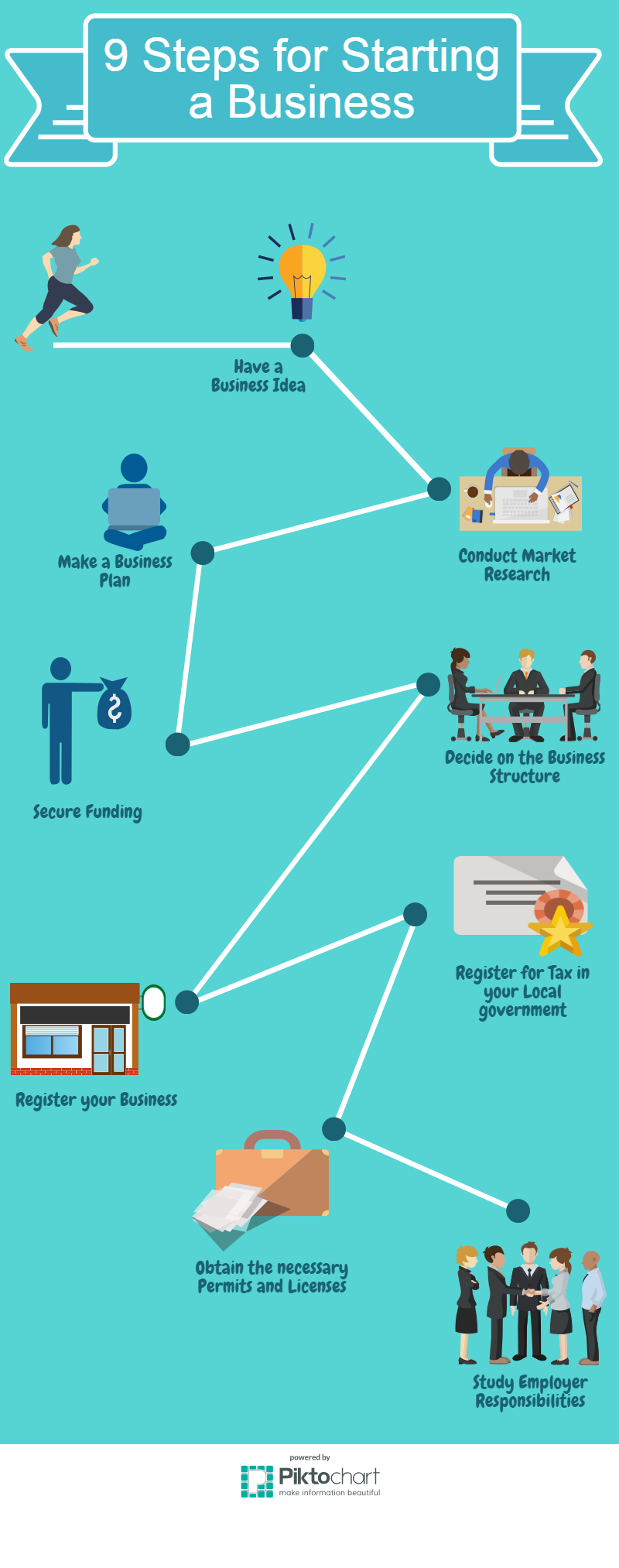
The inception of a business is often romanticized as a lightning strike of inspiration or the drafting of a sleek logo. However, from a financial perspective, the first step in starting a business is not the “idea” itself, but the rigorous validation of financial feasibility. Before a single dollar is spent on marketing or product development, an entrepreneur must determine if the venture is economically viable. This involves a deep dive into market demand, cost structures, and the potential for a sustainable return on investment (ROI). Without this foundational financial vetting, a business is merely an expensive hobby.

Defining Financial Feasibility: The True Beginning
The first step in any commercial endeavor is establishing whether a market gap exists that can be filled profitably. This goes beyond identifying a problem; it requires identifying a problem that people are willing and able to pay to solve. In the world of finance and business ownership, this is known as market validation through the lens of profitability.
The Cost of Acquisition vs. Lifetime Value
One of the most critical metrics to evaluate in the earliest stage is the relationship between Customer Acquisition Cost (CAC) and Customer Lifetime Value (LTV). If it costs $50 in advertising and outreach to acquire a customer who only generates $40 in profit over their entire relationship with your brand, the business model is fundamentally broken. The first step involves projecting these figures based on industry benchmarks and small-scale testing. A healthy business typically aims for an LTV that is at least three times the CAC.
Assessing Market Saturation and Pricing Power
An entrepreneur must also analyze the competitive landscape to determine their pricing power. If the market is saturated with low-cost providers, entering as another low-cost option requires massive scale to achieve thin margins. Conversely, entering as a premium provider requires a clear value proposition that justifies a higher price point. Understanding the “Money” mechanics of your specific niche—how much competitors charge and what their estimated overhead looks like—allows you to set a price that covers your costs while remaining attractive to consumers.
Constructing a Lean Business Budget
Once the financial feasibility is confirmed, the next logical move is the creation of a comprehensive startup budget. This document serves as the financial roadmap for the first 12 to 24 months of operation. Many businesses fail not because of a bad product, but because they run out of cash before they hit their “break-even” point.
Identifying Fixed vs. Variable Costs
A professional budget distinguishes between fixed costs (rent, insurance, salaries) and variable costs (raw materials, shipping, transaction fees). In the early stages of a side hustle or a new business, minimizing fixed costs is paramount. This “lean” approach preserves capital and provides the business with a longer “runway”—the amount of time it can operate before needing to turn a profit or secure more funding.
The Importance of a Cash Buffer
Underestimating expenses is a common pitfall. A robust financial plan includes a contingency fund, often 15% to 20% above the projected costs. This buffer accounts for the “unknown unknowns,” such as supply chain disruptions, legal fees, or slower-than-expected sales cycles. In the world of personal and business finance, liquidity is king; having cash on hand provides the flexibility to pivot when the initial plan meets the reality of the market.
Securing Capital: From Bootstrapping to External Investment
With a budget in hand, the focus shifts to how the venture will be funded. The choice of funding is one of the most consequential decisions an entrepreneur will make, as it dictates the ownership structure and the speed at which the company must grow.
The Pros and Cons of Bootstrapping
Bootstrapping, or self-funding, involves using personal savings or initial sales revenue to grow the business. This is often the preferred route for side hustles and online income streams because it allows the owner to retain 100% equity and control. While growth may be slower, the financial risk is limited to the capital already possessed, and there is no pressure from external investors to meet aggressive quarterly targets.
Equity Crowdfunding and Angel Investment
For businesses that require significant upfront capital—such as manufacturing or high-level service firms—external investment may be necessary. Angel investors and venture capitalists provide capital in exchange for equity (ownership). This can accelerate growth but comes at the cost of sharing future profits and decision-making power. Alternatively, equity crowdfunding has emerged as a middle ground, allowing a large number of small investors to fund a business in exchange for a stake in the company’s financial future.
Debt Financing and Small Business Loans
For those who wish to maintain ownership but lack the personal funds to bootstrap, debt financing is an option. This involves taking out a business loan or a line of credit. The primary advantage is that the lender has no claim on future profits once the debt is repaid. However, the business must generate enough cash flow to cover the interest payments, which adds a layer of financial pressure from day one.
Developing a Sustainable Revenue Model
A business is defined by its ability to generate revenue. The first step in starting a business must include a clear strategy for how money will actually flow into the bank account. A revenue model is more than just a price tag; it is the logic of how the business captures value.
Direct Sales and Service-Based Income
Many entrepreneurs start with a transactional model: they provide a product or a service and receive a one-time payment. This is common in consulting, freelance work, and retail. While straightforward, this model can lead to “feast or famine” cycles where the entrepreneur is constantly hunting for the next client to sustain their income.
Recurring Revenue and Scalability
To build long-term wealth and stability, many modern businesses are shifting toward recurring revenue models. This includes subscriptions, retainer agreements, or memberships. From a financial management perspective, recurring revenue is highly desirable because it makes cash flow predictable. Investors also value businesses with high recurring revenue much more than those dependent on one-off sales, as it demonstrates a loyal customer base and a lower risk profile.
Establishing a Robust Financial Infrastructure
The final component of the “first step” is the technical setup of the business’s financial systems. Managing business finance requires a level of discipline and organization that far exceeds personal finance.
Business Banking and Credit Building
One of the most immediate actions to take is opening a dedicated business bank account. Co-mingling personal and business funds is a major error that can lead to legal issues and tax nightmares. Furthermore, establishing a business credit profile is essential for future growth. By utilizing a business credit card and paying it off in full, an entrepreneur can build a credit score for the entity itself, which is vital for securing larger loans or favorable terms with suppliers down the road.
Tax Planning and Compliance
Understanding the tax implications of your business structure is a critical financial move. Whether you operate as a Sole Proprietorship, an LLC, or an S-Corp, each has different tax advantages and obligations. Effective tax planning involves setting aside a percentage of every dollar earned for quarterly estimated tax payments. Ignoring this can lead to a massive, unexpected bill at the end of the fiscal year that can bankrupt a young company. Professional bookkeeping software and, eventually, a certified accountant are investments that pay for themselves by identifying deductions and ensuring the business remains compliant with local and federal regulations.
Key Performance Indicators (KPIs)
Finally, a business owner must decide which financial metrics will define success. Beyond just “profit,” KPIs such as gross margin, net margin, burn rate, and inventory turnover provide a granular look at the health of the operation. Monitoring these numbers weekly or monthly allows the entrepreneur to make data-driven decisions rather than emotional ones. In the realm of business finance, what gets measured gets managed.
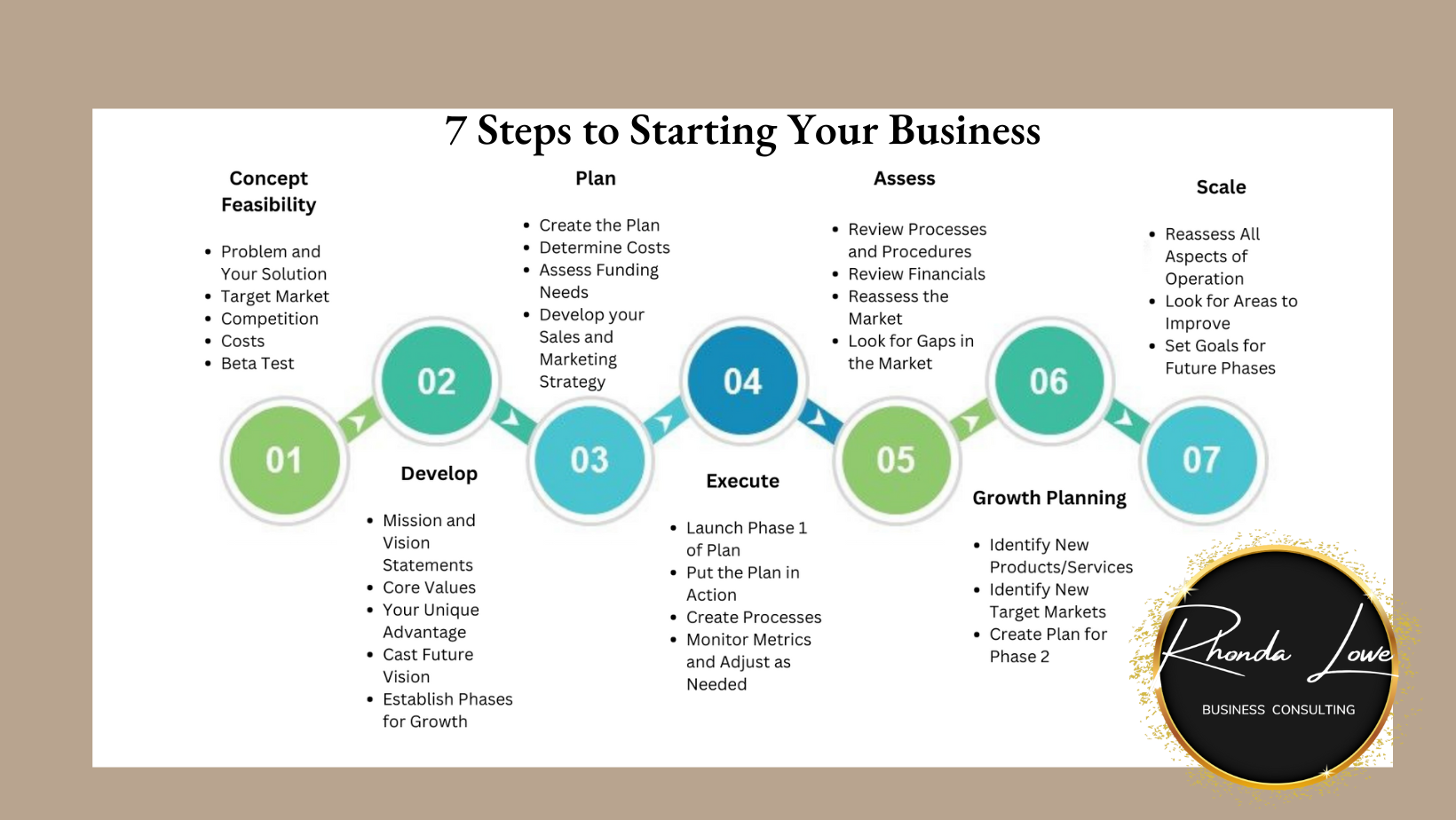
By focusing on these financial pillars—validation, budgeting, funding, revenue modeling, and infrastructure—an entrepreneur moves from the world of ideas into the world of sustainable enterprise. The first step in starting a business is not simply starting; it is ensuring that the business has the financial DNA required to survive, thrive, and ultimately generate wealth.
aViewFromTheCave is a participant in the Amazon Services LLC Associates Program, an affiliate advertising program designed to provide a means for sites to earn advertising fees by advertising and linking to Amazon.com. Amazon, the Amazon logo, AmazonSupply, and the AmazonSupply logo are trademarks of Amazon.com, Inc. or its affiliates. As an Amazon Associate we earn affiliate commissions from qualifying purchases.