
In the landscape of global intellectual property, few names command as much authority, recognition, and financial power as Pokémon. While the franchise is often viewed through the lens of childhood nostalgia or gaming mechanics, it represents one of the most successful masterclasses in brand strategy and corporate identity in modern history. To understand how Pokémon became a multi-billion-dollar ecosystem, one must look back to its technical and creative inception.
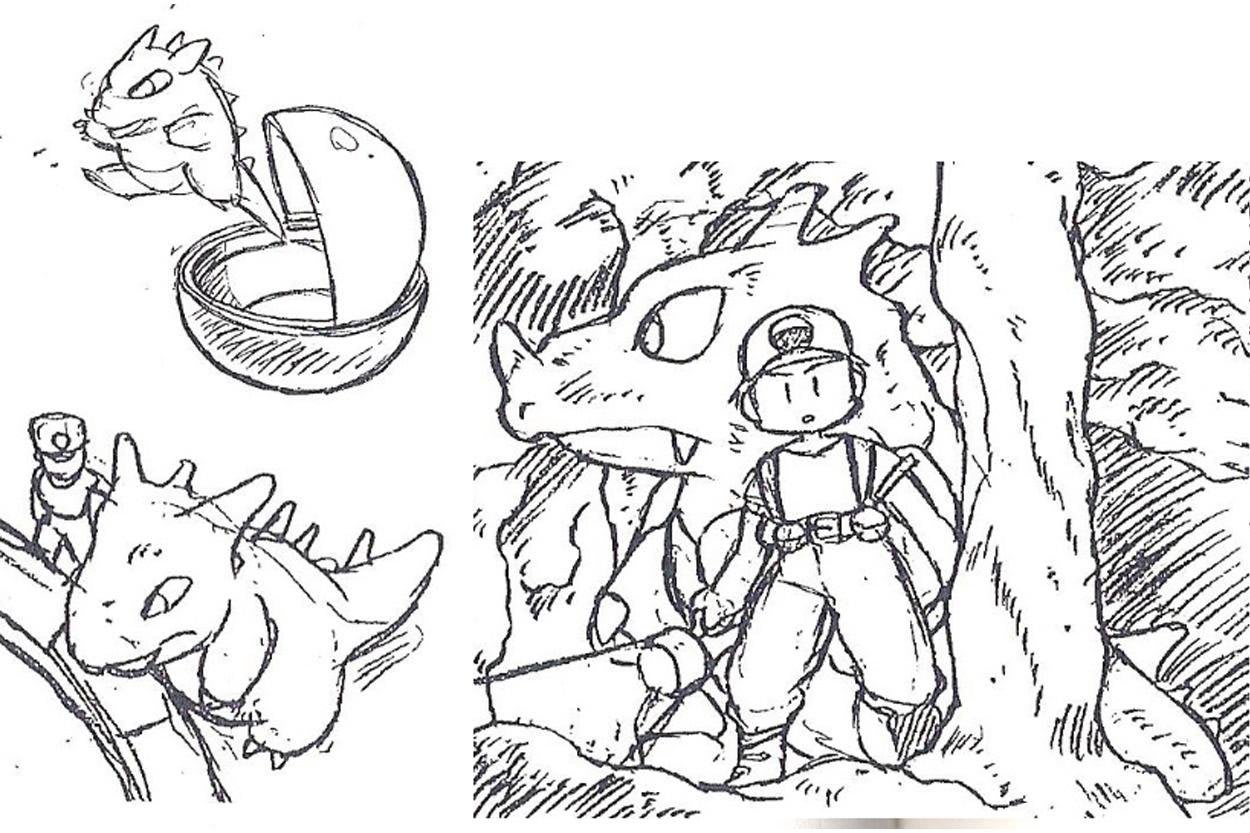
When asking “what is the first Pokémon ever created,” the answer varies depending on whether you are looking at the internal index numbers, the narrative lore, or the marketing rollout. However, from a technical and design perspective, the answer is Rhydon. This single creature—index number 001 in the internal development code—serves as the cornerstone of a brand architecture that has sustained its relevance for nearly three decades.
The Rhydon Paradox: Decoding the Origins of a Brand Identity
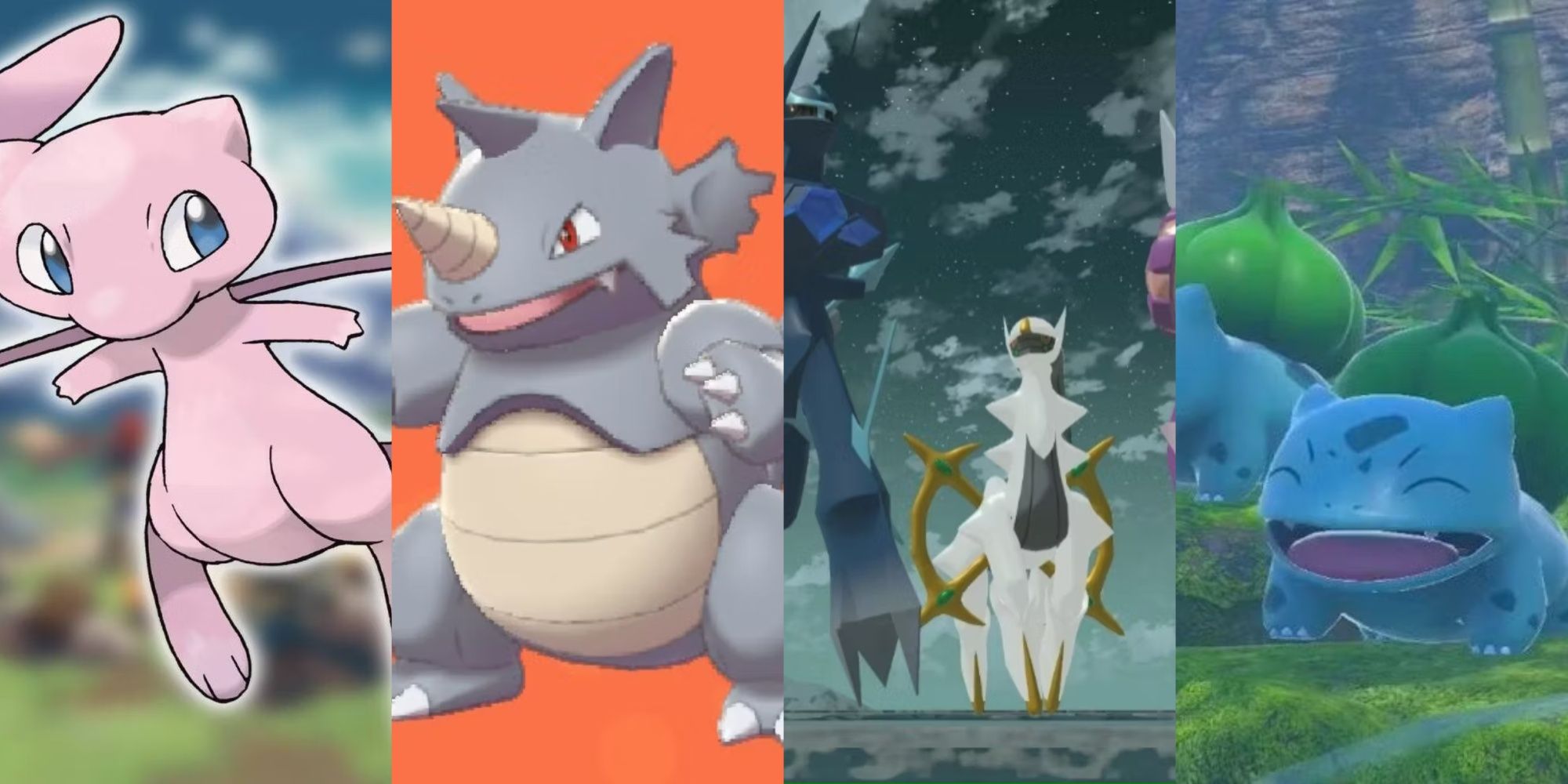
For many casual fans, Bulbasaur is the “first” because it occupies the 001 spot in the fictional Pokémon Encyclopedia, the Pokédex. For others, Mew is the ancestor of all living creatures within the game’s mythology. Yet, within the development labs of Game Freak in the early 1990s, Rhydon was the first monster to be programmed and finalized. This “technical first” offers profound insights into how a brand establishes its core identity before a product even hits the market.
From Capsule Monsters to Pokémon
The journey began with Satoshi Tajiri’s concept of “Capsule Monsters,” inspired by his childhood hobby of insect collecting. The brand strategy from the outset was built on the human psychological drive to collect and categorize. Rhydon was designed to embody the “Pocket Monster” aesthetic: a blend of prehistoric power and approachable design. By starting with a dinosaur-like figure, the creators established a visual anchor for the brand that felt both ancient and new.
Why Rhydon Was the Technical Prototype
Rhydon’s status as the first programmed Pokémon was not accidental. In software development and brand testing, you need a “gold standard” asset that sets the parameters for everything that follows. Rhydon served as the benchmark for sprite size, animation limitations on the Game Boy hardware, and the general “feel” of the monsters. In branding terms, Rhydon was the “Minimum Viable Product” (MVP) that proved the concept could work. It established the scale and tone for the 150 creatures that would follow in the first generation.
Constructing a Visual Language: The Design Philosophy of Ken Sugimori
The success of the Pokémon brand is inextricably linked to its visual identity, primarily crafted by lead designer Ken Sugimori. The transition from a technical prototype like Rhydon to a global brand required a cohesive design philosophy that could be replicated across thousands of iterations without losing the core “essence” of the brand.
Simplicity as a Scalable Asset
One of the primary reasons the Pokémon brand achieved global penetration was the simplicity of its character designs. Sugimori’s philosophy focused on clear silhouettes and recognizable features. This is a critical lesson in brand strategy: a logo or a character must be identifiable even when scaled down to the size of a postage stamp or a low-resolution screen. Rhydon, with its drill-horn and armored hide, was distinct. This clarity allowed the brand to transition seamlessly from 8-bit game sprites to high-definition animation, trading cards, and plush toys.
Creating Emotional Resonance Through Character Design
Branding is not just about recognition; it is about emotional connection. While Rhydon represented strength, the subsequent development of characters like Pikachu (index number 025) introduced the “kawaii” or “cute” element that expanded the brand’s demographic reach. The brand strategy shifted from a niche “monster collector” game to a universal lifestyle brand. By diversifying the character designs while maintaining a consistent artistic style, Game Freak ensured that the brand could appeal to different market segments simultaneously—from competitive gamers to casual collectors.
The Multi-Channel Marketing Engine: From Software to Global Ecosystem
The “first Pokémon” was a seed that grew into a massive transmedia strategy. Pokémon’s brilliance lies in its ability to maintain a consistent corporate identity across vastly different mediums. Whether you are playing the game, watching the anime, or buying a limited-edition trading card, the brand experience remains uniform.
The Pokédex as a Data-Driven Engagement Tool
The introduction of the Pokédex was perhaps the most ingenious marketing tool in the history of entertainment. By numbering the creatures—starting with Bulbasaur in the public-facing lore—the brand created an inherent sense of “completionism.” In marketing terms, this is known as gamified loyalty. The “Gotta Catch ‘Em All” slogan transformed a product into a challenge, turning consumers into active participants in the brand’s growth. This psychological hook ensured long-term engagement, as the brand could simply introduce new “numbers” to the list to reset the consumer journey.
Transmedia Storytelling and Brand Consistency
The Pokémon Company has mastered the art of transmedia storytelling. When a new Pokémon is introduced today, it is not merely a digital asset in a game; it is a coordinated brand launch involving social media teasers, animated shorts, and physical merchandise. This synergy ensures that the brand remains top-of-mind. The transition from Rhydon (the technical first) to Pikachu (the brand ambassador) highlights a strategic pivot: recognizing when a specific asset has higher “brand equity” and elevating it to represent the entire corporate identity.
Lessons in Brand Evolution: Staying Relevant for Three Decades
How does a brand that started with a monochrome sprite of a rhinoceros-like creature stay at the top of the charts for 30 years? The answer lies in the balance between heritage and innovation. Pokémon respects its origins (frequently referencing Rhydon and the original 151) while constantly evolving its technological delivery.
Scarcity and the “Gotta Catch ‘Em All” Value Proposition
The brand strategy leverages the economic principle of scarcity. By creating “Version Exclusive” Pokémon and limited-time “Mythical” distributions (like the secret 151st Pokémon, Mew), the brand fosters a secondary market of trading and social interaction. This peer-to-peer engagement acts as free marketing. Users don’t just consume the brand; they evangelize it to others to complete their own collections. This “social currency” is what keeps the brand’s value high in the eyes of consumers and investors alike.
Adapting to Modern Tech Without Losing the Core Identity
From the link cables of the 1990s to the Augmented Reality (AR) of Pokémon GO, the brand has always been an early adopter of new technology. However, the core identity remains unchanged. You are still a “Trainer,” and the creatures still follow the design principles established with Rhydon. This consistency provides a “safe harbor” for consumers. In a rapidly changing digital world, the Pokémon brand offers a reliable, high-quality experience that spans generations. Parents who played the original games now share the brand with their children, creating a self-sustaining cycle of brand loyalty.

Conclusion: The Legacy of the First Design
The story of the “first” Pokémon—Rhydon—is more than a piece of trivia for gaming enthusiasts. It is a foundational case study in how to build a brand from the ground up. By establishing a strong technical prototype, developing a scalable visual language, and implementing a brilliant multi-channel marketing strategy, Game Freak and Nintendo created a franchise that transcends its medium.
Rhydon represents the “why” behind the brand: a robust, well-designed concept that was built to last. As the Pokémon Company continues to expand into new territories, from theme parks to high-fashion collaborations, the lessons learned from that first 8-bit sprite remain more relevant than ever. Success in branding isn’t just about being first in the market; it’s about having a design and a strategy that are strong enough to support an entire universe. Rhydon was the first, but the brand strategy it inaugurated ensured that Pokémon would never be the last.
aViewFromTheCave is a participant in the Amazon Services LLC Associates Program, an affiliate advertising program designed to provide a means for sites to earn advertising fees by advertising and linking to Amazon.com. Amazon, the Amazon logo, AmazonSupply, and the AmazonSupply logo are trademarks of Amazon.com, Inc. or its affiliates. As an Amazon Associate we earn affiliate commissions from qualifying purchases.