
Hamstring injuries are a notorious bane for athletes and active individuals, leading to prolonged downtime and a frustratingly slow return to full function. Historically, healing involved a conservative regimen of rest, ice, compression, elevation (RICE), and gradual rehabilitation. While these foundational principles remain valid, the definition of “fastest” has been dramatically reshaped by a surge of technological innovations. Today, an accelerated and optimized hamstring recovery isn’t just about passive waiting; it’s about leveraging precision diagnostics, advanced therapeutic modalities, and intelligent rehabilitation systems to drastically reduce healing times and minimize recurrence risk.
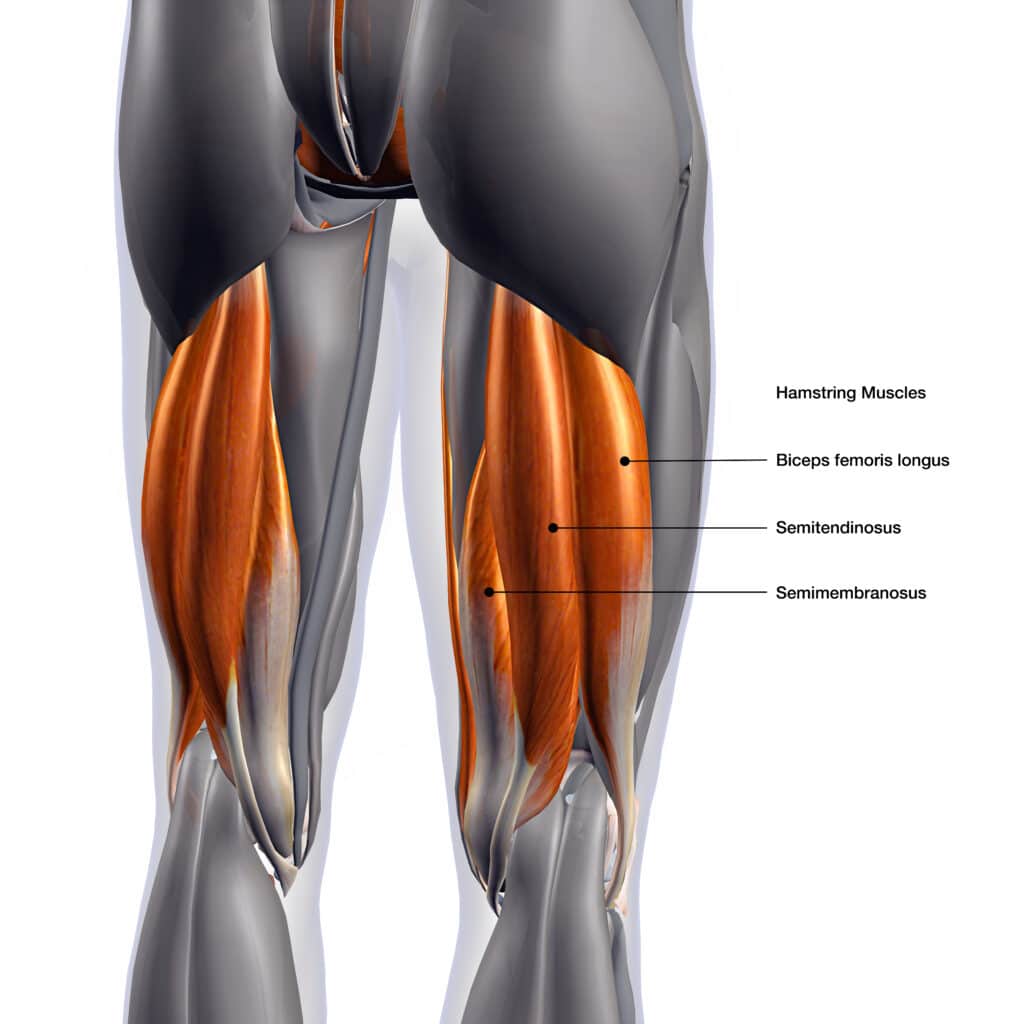
This article explores how technology is at the forefront of transforming hamstring recovery, offering insights into the digital tools and tech-driven strategies that are defining the fastest path back to peak performance.
The Digital Diagnostics Edge: Pinpointing the Problem Precisely
Accurate and early diagnosis is the cornerstone of any effective recovery strategy. In the context of hamstring injuries, technology has elevated diagnostics beyond conventional methods, offering unprecedented detail and predictive power.
AI-Powered Imaging and Analysis
Traditional imaging techniques like MRI and ultrasound provide valuable structural information, but their interpretation often relies on human expertise, which can be subjective. Artificial Intelligence (AI) is now revolutionizing this field, making diagnostics faster, more precise, and even predictive. AI algorithms, trained on vast datasets of medical images, can:
-
Enhance Detection: Identify subtle tears, micro-traumas, or inflammation that might be missed by the human eye, particularly in early stages or complex cases.
-
Quantify Damage: Provide objective measurements of injury size, location, and severity, allowing for more standardized grading and comparison over time.
-
Predict Recovery Timelines: Machine learning models can analyze injury characteristics alongside patient demographics and historical data to offer more accurate prognoses and anticipated return-to-play timelines, helping athletes and clinicians manage expectations and plan rehabilitation.
-
Optimize Treatment Planning: By precisely mapping the injury, AI can guide targeted interventions, whether it’s a specific injection site or the precise area for physical therapy focus.
This AI-driven diagnostic precision ensures that treatment plans are tailored from day one, avoiding generic approaches and focusing resources exactly where they are needed most for rapid healing.
Wearable Sensors for Early Detection and Biomechanical Analysis
Beyond static imaging, dynamic analysis provides crucial insights into how an injury occurred and how it’s healing. Wearable technology, once primarily for fitness tracking, has evolved into sophisticated diagnostic and monitoring tools:
-
Pre-emptive Injury Risk Assessment: High-precision inertial measurement units (IMUs) embedded in smart clothing or external sensors can monitor biomechanics during movement (running, jumping, lifting). By analyzing gait deviations, muscle imbalances, or fatigue-related changes in form, these systems can flag potential hamstring vulnerabilities before an injury occurs, allowing for preventative intervention.
-
Real-time Biomechanical Feedback Post-Injury: During the rehabilitation phase, wearables provide objective data on movement patterns, limb loading, range of motion, and muscle activation. This real-time feedback allows therapists to identify compensatory movements, ensure proper exercise execution, and prevent re-injury by alerting to movements that might overstress the healing tissue.
-
Load Management: Sensors can track the cumulative mechanical load on the hamstring during training and daily activities, ensuring that the healing tissue is adequately challenged for strengthening without being overloaded, a critical balance for accelerated recovery.
By providing continuous, objective data on both injury risk and recovery progression, wearables empower clinicians to make data-driven decisions that significantly accelerate the healing process while safeguarding against setbacks.
Advanced Therapeutic Modalities: Tech-Driven Acceleration of Tissue Repair
Once diagnosed, the focus shifts to accelerating cellular repair and tissue regeneration. Modern technology offers an array of advanced therapeutic modalities that go beyond traditional ice and rest, actively promoting faster healing at a cellular level.
Regenerative Technologies (e.g., PRP/Stem Cell enhanced by Imaging/AI)
Regenerative medicine, including Platelet-Rich Plasma (PRP) and stem cell therapies, harnesses the body’s natural healing capabilities. While the principles are biological, technology plays a crucial role in optimizing their delivery and efficacy for hamstring repair:
-
Ultrasound-Guided Injections: Precision is paramount for these therapies. Ultrasound imaging provides real-time visualization, allowing clinicians to accurately inject PRP or stem cells directly into the injured hamstring tissue, ensuring optimal concentration at the site of damage and maximizing therapeutic effect. AI can even assist in identifying the most damaged regions for injection targeting.
-
Optimized Preparation Techniques: Advanced centrifuges and processing kits for PRP ensure a higher concentration of growth factors, while sophisticated cell isolation techniques for stem cells enhance their viability and potency, directly impacting the speed and quality of healing.
-
Monitoring Efficacy with Advanced Imaging: High-resolution imaging, sometimes enhanced by AI analysis, can objectively track the changes in tissue structure post-injection, providing feedback on the effectiveness of the regenerative treatment and guiding subsequent steps.
By making regenerative therapies more precise and effective, technology transforms them into a powerful tool for accelerating hamstring healing.
Non-Invasive Electro-Physical Therapies (PEMF, Laser, Ultrasound)
Modern electro-physical therapy devices are far more sophisticated than their predecessors, utilizing precise digital controls and advanced algorithms to stimulate healing:
-
Pulsed Electromagnetic Field (PEMF) Therapy: Advanced PEMF devices deliver specific electromagnetic frequencies that can penetrate deep into tissues. Research suggests PEMF can stimulate cellular repair mechanisms, reduce inflammation, improve blood flow, and enhance bone and soft tissue regeneration, thereby accelerating hamstring recovery.
-
High-Intensity Laser Therapy (HILT): Unlike older, low-power lasers, HILT devices deliver higher doses of photonic energy deep into the muscle. This energy stimulates mitochondria within cells, increasing ATP production, accelerating cellular metabolism, reducing pain, and speeding up the inflammatory phase, which is critical for initiating rapid repair.
-
Therapeutic Ultrasound with Enhanced Control: Modern therapeutic ultrasound machines offer highly customizable parameters (frequency, intensity, pulse mode) to precisely target different tissue depths and types. This allows for optimized delivery of mechanical energy to promote collagen synthesis, reduce swelling, and enhance tissue extensibility, aiding hamstring healing and scar tissue remodeling.
These non-invasive technologies offer powerful, localized treatment effects, directly contributing to a faster and more robust healing response without medication or surgery.
Robotics and Exoskeletons in Early Rehabilitation
Early, controlled movement is crucial for preventing muscle atrophy and promoting organized scar tissue formation, but doing so without re-injury is challenging. Robotics and exoskeletons provide an elegant solution:
-
Controlled, Graded Movement: Robotic devices can support the injured limb, allowing for precise, repeatable, and pain-free movements within a safe range of motion. This prevents undue stress on the healing hamstring while still providing the necessary stimulation for tissue remodeling and maintaining joint mobility.
-
Customizable Resistance and Assistance: Exoskeletons can be programmed to provide variable resistance or assistance, gradually increasing the load as the hamstring heals. This ensures optimal loading for strengthening without risking overload.
-
Objective Performance Tracking: These devices often come with integrated sensors that provide objective data on force, range of motion, speed, and symmetry, allowing therapists to track minute improvements and adjust rehabilitation protocols based on real-time performance.
By facilitating safe, precise, and objective early movement, robotics and exoskeletons significantly accelerate the initial phases of hamstring rehabilitation, laying the groundwork for a quicker return to dynamic activities.
Intelligent Rehabilitation and Monitoring: Personalized Pathways to Recovery
The final, critical phase of hamstring recovery involves progressive rehabilitation. Here, technology shifts from passive healing to active, intelligent guidance, personalizing the journey back to full function and preventing re-injury.

AI-Driven Personalized Rehabilitation Programs
Generic rehabilitation protocols often fall short because every injury and individual is unique. AI is stepping in to create dynamic, personalized pathways:
-
Adaptive Exercise Prescriptions: AI algorithms can analyze a patient’s unique injury characteristics (from AI-enhanced diagnostics), biomechanical data (from wearables), and real-time performance in exercises. Based on this continuous feedback loop, the AI can dynamically adjust exercise volume, intensity, and progression, ensuring the hamstring is optimally challenged without being overloaded.
-
Predictive Analytics for Plateaus and Regressions: AI can identify patterns in recovery data that indicate an impending plateau or a risk of regression, prompting early intervention by the therapist to modify the program or investigate underlying issues.
-
Virtual Coaching and Feedback: AI-powered apps can provide real-time audio and visual feedback during home exercises, correcting form, counting repetitions, and offering encouragement, effectively extending the therapist’s guidance beyond clinic hours.
This level of personalization ensures that every rehabilitation step is optimized for the individual, leading to a faster, more efficient, and ultimately safer recovery.
Telehealth and Remote Monitoring Platforms
Geographic barriers or busy schedules can hinder consistent physical therapy attendance. Telehealth and remote monitoring platforms bridge this gap, maintaining continuous care:
-
Virtual Consultations and Assessments: Secure video conferencing allows patients to consult with their physical therapists from anywhere, facilitating follow-ups, progress assessments, and exercise modifications without the need for in-person visits.
-
Data Integration from Wearables: These platforms can seamlessly integrate data from patient wearables and smart exercise equipment, allowing therapists to remotely monitor adherence to programs, track objective progress (e.g., step count, sleep quality, movement patterns), and identify potential issues.
-
Interactive Exercise Libraries and Progress Tracking: Patients can access customized exercise videos, log their completed sessions, and report pain levels or challenges directly through the platform, providing therapists with a comprehensive, up-to-date view of their recovery journey.
Telehealth ensures consistent, high-quality care, removes logistical hurdles, and keeps patients engaged and accountable, all contributing to a faster recovery timeline.
Virtual Reality (VR) and Gamification for Engagement and Functional Training
Rehabilitation can be tedious. VR and gamification inject engagement and provide controlled environments for advanced functional training:
-
Immersive Functional Training: VR allows patients to perform sport-specific movements or everyday tasks in a safe, controlled virtual environment. For hamstring recovery, this could involve virtual running drills, agility exercises, or simulated game scenarios, helping to re-establish neuromuscular control and confidence without the risk of re-injury on a physical field.
-
Enhanced Proprioception and Balance Training: VR experiences can be designed to challenge balance and proprioception in novel ways, improving the body’s awareness of its position and movement, which is critical for preventing future injuries.
-
Motivation and Adherence: By turning exercises into engaging games with measurable goals and rewards, VR significantly boosts patient motivation and adherence to rehabilitation programs, a key factor in accelerating recovery.
VR transforms monotonous exercises into dynamic, engaging challenges, making the intensive rehabilitation required for a hamstring injury more enjoyable and effective, thus speeding up the process.
The Future Landscape: Emerging Technologies for Hamstring Recovery
The pace of technological innovation shows no signs of slowing, promising even faster and more refined approaches to hamstring healing in the near future.
Smart Textiles and Bio-Integrated Sensors
Imagine rehabilitation clothing that actively monitors your muscle function and biochemistry. Smart textiles with embedded sensors are on the horizon, capable of:
-
Continuous Muscle Activity Monitoring: Providing detailed EMG (electromyography) data during movement to assess muscle activation patterns, identify imbalances, and track fatigue levels in real-time.
-
Biochemical Biomarker Detection: Some advanced concepts involve sensors that can detect lactate levels, inflammation markers, or even growth factors in sweat or interstitial fluid, offering direct insights into the healing process and metabolic state of the muscle.
-
Haptic Feedback for Form Correction: These textiles could even provide gentle vibrations or pressure to guide correct movement patterns during exercise, acting as an intelligent, wearable coach.
These technologies promise unprecedented, continuous, and non-invasive monitoring, allowing for ultra-personalized and responsive rehabilitation.
Personalized Medicine and Genomic Insights
Looking further ahead, genomic information could play a role in optimizing hamstring recovery. While currently more experimental, integrating genomic data could allow for:
-
Risk Stratification: Identifying genetic predispositions to certain types of muscle injuries or slower healing rates.
-
Tailored Interventions: Potentially guiding choices in regenerative therapies or nutritional strategies based on an individual’s genetic profile to enhance healing speed and quality.
This highly personalized approach moves beyond treating the injury to treating the individual’s unique biological response, potentially unlocking new frontiers in rapid recovery.
Augmented Reality (AR) for Surgical Guidance and Rehabilitation Feedback
Augmented reality, which overlays digital information onto the real world, has immense potential for precision and guidance:
-
Enhanced Surgical Precision: For severe hamstring tears requiring surgical repair, AR could provide surgeons with real-time anatomical overlays, guiding suture placement and ensuring optimal tissue approximation, potentially leading to faster and stronger healing.
-
Interactive Rehabilitation Guidance: During physical therapy, AR apps could project virtual cues or correct movement patterns directly onto the patient’s body, offering highly intuitive and immediate feedback for form correction during exercises.
AR’s ability to seamlessly blend digital guidance with physical reality could significantly improve the precision of both surgical and non-surgical interventions, accelerating effective recovery.

Conclusion
The pursuit of the “fastest way to heal a hamstring” has evolved dramatically from simple rest to a sophisticated, technology-driven endeavor. From AI-powered diagnostics that pinpoint the exact nature of the injury to advanced regenerative therapies and intelligent rehabilitation systems, technology is fundamentally reshaping the recovery landscape. Wearable sensors, robotics, telehealth platforms, and immersive VR experiences are not just enhancing the process; they are making it faster, more precise, more personalized, and more engaging than ever before.
As these technologies continue to mature and integrate, the future promises an even more streamlined and effective path back from hamstring injuries, enabling athletes and active individuals to return to their passions quicker and with greater confidence in their long-term health and performance. The fastest way to heal a hamstring is increasingly becoming the smartest, most technologically informed way.
aViewFromTheCave is a participant in the Amazon Services LLC Associates Program, an affiliate advertising program designed to provide a means for sites to earn advertising fees by advertising and linking to Amazon.com. Amazon, the Amazon logo, AmazonSupply, and the AmazonSupply logo are trademarks of Amazon.com, Inc. or its affiliates. As an Amazon Associate we earn affiliate commissions from qualifying purchases.