
In the modern landscape of consumer electronics, electric mobility, and renewable energy infrastructure, there is perhaps no metric more consequential yet less understood by the average consumer than energy density. While megahertz, gigabytes, and teraflops often dominate the marketing materials of our favorite gadgets, it is energy density that dictates how thin a smartphone can be, how far an electric vehicle (EV) can travel on a single charge, and whether a drone can stay airborne for ten minutes or an hour.
At its core, energy density is the amount of energy stored in a given system or region of space per unit volume or mass. In the realm of technology, this refers specifically to the capacity of a battery or fuel source to hold power relative to its physical footprint. As we push toward a more portable, wireless, and electrified world, understanding the nuances of this metric is essential for grasping the trajectory of technological innovation.
Understanding the Fundamentals: Volumetric vs. Gravimetric Energy Density
To appreciate the challenges facing hardware engineers today, one must first distinguish between the two primary ways energy density is measured: gravimetric and volumetric. These two figures often tell very different stories about the viability of a specific technology.
Why Joules and Grams Matter for Modern Hardware
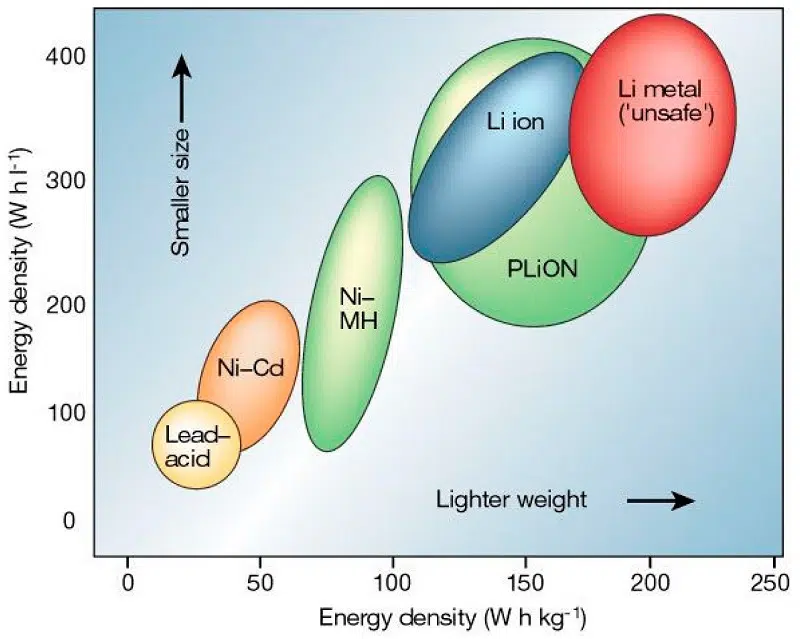
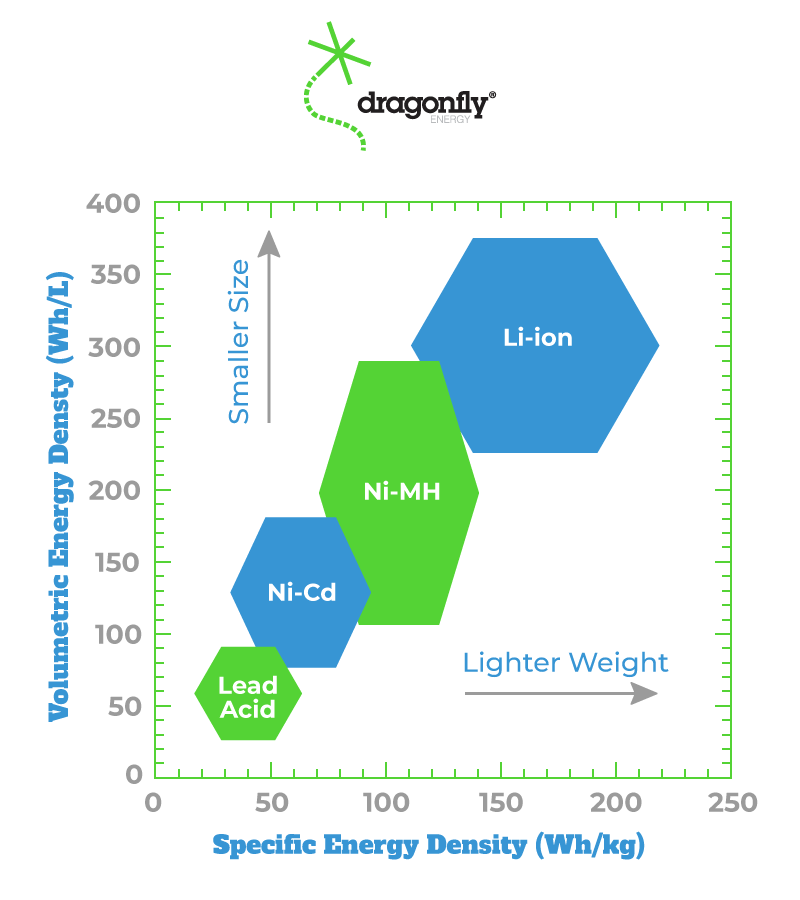
Gravimetric energy density, or specific energy, measures how much energy a battery contains in comparison to its weight (usually expressed in Watt-hours per kilogram, or Wh/kg). This is the “gold standard” metric for the aerospace and automotive industries. In an electric airplane or a high-performance EV, every additional gram of weight requires more energy to move, creating a diminishing return if the battery is too heavy.
Volumetric energy density, on the other hand, measures energy relative to the space occupied (expressed in Watt-hours per liter, or Wh/L). This is the critical metric for pocketable tech like smartphones, smartwatches, and wireless earbuds. In these devices, weight is less of a concern than internal volume. Engineers are constantly fighting for every cubic millimeter of space to fit haptic engines, camera sensors, and 5G antennas. A battery with high volumetric density allows for sleek designs without sacrificing the “all-day” battery life that consumers demand.
The Chemical Breakthroughs Behind Lithium-Ion Dominance
For the last three decades, Lithium-ion (Li-ion) technology has reigned supreme because it offers a superior balance of both gravimetric and volumetric density compared to older chemistries like Nickel-Cadmium (NiCd) or Nickel-Metal Hydride (NiMH). The transition to Li-ion was what enabled the transition from “brick” phones to the slim glass-and-metal slabs we use today.
The secret lies in the movement of lithium ions between the anode and the cathode. Lithium is the lightest of all metals and has the greatest electrochemical potential, providing a high energy density in a compact form. However, we are currently approaching the theoretical limits of traditional liquid-electrolyte Li-ion batteries. The industry is now looking toward advanced silicon anodes and high-nickel cathodes to squeeze an additional 10% to 20% of density out of current platforms.
The Impact on Consumer Tech: From Smartphones to Wearables
The constant push for higher energy density is the primary reason why tech aesthetics have evolved so rapidly. However, this pursuit is not without its trade-offs. As components become more powerful—driven by high-refresh-rate displays and AI-integrated processors—the pressure on the battery increases exponentially.
The Thinness vs. Longevity Dilemma
Every year, chip manufacturers like Apple, Qualcomm, and MediaTek announce processors that are more “energy efficient.” While true, this efficiency is often offset by the increased power demands of modern software and larger, brighter screens. Because energy density hasn’t increased at the same rate as processing power, manufacturers are forced into a design “tug-of-war.”
If a company wants to release a thinner phone, they must either find a way to increase the energy density of the battery cell or accept a lower total capacity. We have seen this play out in the “foldable” phone market, where the internal space is split between two halves, requiring innovative, high-density split-battery designs to maintain a premium user experience without making the device excessively bulky.
Thermal Management and Safety Considerations
A high energy density battery is essentially a high-pressure vessel of chemical energy. The denser the energy, the more volatile the system becomes. This is the primary hurdle in the “density race.” When energy is packed too tightly into a small volume, the risk of thermal runaway—a phenomenon where an increase in temperature leads to a further increase in temperature, often resulting in fire—increases.
Tech companies now employ sophisticated AI-driven thermal management systems to monitor battery health in real-time. These systems throttle charging speeds and processor performance to ensure that the high energy density does not lead to catastrophic failure. The challenge for the next generation of gadgets is to increase density while simultaneously making the chemistry more stable and less prone to overheating.
Revolutionizing Mobility: Energy Density in Electric Vehicles (EVs)
While energy density is a matter of convenience in a smartphone, it is a matter of survival for the electric vehicle industry. The “range anxiety” often cited by potential EV buyers is directly linked to the gravimetric energy density of the vehicle’s battery pack.
Overcoming Range Anxiety through High-Density Cells
To compete with the energy density of gasoline—which is orders of magnitude higher than current battery tech—EV manufacturers must pack thousands of individual cells into a massive battery tray. In a standard EV, the battery can weigh upwards of 1,000 pounds. To increase range without adding even more weight, the industry must increase the Wh/kg of the cells.
Current high-end EV batteries hover around 250–300 Wh/kg. To achieve a 500-mile range in a standard-sized sedan without increasing the car’s weight, that figure likely needs to surpass 400 Wh/kg. This shift would not only improve range but also efficiency, as the vehicle would require less energy to move its own mass.
The Role of Silicon Anodes and Solid-State Electrolytes
The tech world is currently fixated on two major innovations to solve the density problem in transport: silicon anodes and solid-state batteries. Most current Li-ion batteries use graphite anodes. Replacing graphite with silicon could theoretically increase the anode’s capacity by ten times. However, silicon expands and contracts during charging, which can lead to structural failure. Engineers are currently developing carbon-silicon composites to harness this density while maintaining durability.
Solid-state batteries are perhaps the most anticipated “leap” in tech history. By replacing the liquid electrolyte with a solid ceramic or polymer, these batteries can achieve significantly higher energy densities while being virtually non-flammable. This technology would allow for faster charging and longer lifespans, effectively removing the final barriers to total EV adoption.
Future Frontiers: What Comes After Lithium-Ion?
As we look toward the next decade, the tech industry is exploring chemistries that move beyond the limitations of lithium. These “beyond-lithium” technologies aim to provide the energy density required for more ambitious applications, such as long-haul electric trucking and regional electric aviation.
Solid-State Batteries: The Holy Grail of Tech
Solid-state technology is not just for cars; it is the “Holy Grail” for all portable tech. A solid-state battery could allow a laptop to run for three days on a single charge or a smartwatch to last for two weeks. Because they do not require the heavy cooling systems used in liquid-electrolyte batteries, the effective energy density of the entire device increases. Major tech giants are pouring billions into startups specializing in solid-state electrolytes, hoping to be the first to bring a stable, mass-produced version to market.
Graphene and Beyond: Pushing the Physical Limits
Graphene, a single layer of carbon atoms arranged in a hexagonal lattice, has been touted as a miracle material for years. In the context of energy, graphene can be used as a supercapacitor or a battery enhancer. Its incredible conductivity allows for ultra-fast charging, while its structural strength can help stabilize high-density chemistries that were previously too volatile for commercial use. While mass production remains a challenge, graphene-enhanced batteries represent the cutting edge of what is physically possible in energy storage.
The Strategic Importance of Energy Density in Global Tech Competition
The race for higher energy density is no longer just a laboratory pursuit; it is a geopolitical and economic imperative. The nation or corporation that masters the next leap in energy density will control the most important commodity of the 21st century: portable power.
From the perspective of a brand, being a leader in battery tech is a massive competitive advantage. It allows for thinner designs, longer-lasting products, and a better overall user experience. This is why we see companies like Tesla, Apple, and Samsung investing so heavily in their own battery research and development. They realize that software can only do so much; eventually, the hardware is limited by the amount of energy it can carry.
As AI becomes more integrated into our daily lives—requiring constant data processing and sensor activity—the demand for energy will only grow. The “Energy Density” of our devices will remain the invisible ceiling of our technological potential. Breaking through that ceiling will usher in a new era of innovation, where the physical limitations of battery life no longer dictate the boundaries of what our technology can achieve.
aViewFromTheCave is a participant in the Amazon Services LLC Associates Program, an affiliate advertising program designed to provide a means for sites to earn advertising fees by advertising and linking to Amazon.com. Amazon, the Amazon logo, AmazonSupply, and the AmazonSupply logo are trademarks of Amazon.com, Inc. or its affiliates. As an Amazon Associate we earn affiliate commissions from qualifying purchases.