
In the high-stakes world of corporate identity and market positioning, visual symbols carry immense weight. Among the various marks that appear on packaging, digital interfaces, and marketing collateral, few are as significant as the capital “R” enclosed in a circle (®). While often seen as a minor typographical detail, this symbol represents the pinnacle of legal protection for a brand’s most valuable intangible assets. For brand strategists, designers, and business owners, understanding the nuances of the ® symbol is not merely a matter of legal compliance—it is a fundamental component of building and sustaining a credible brand.

Defining the Symbol: The Legal and Strategic Foundations of the Registered Trademark
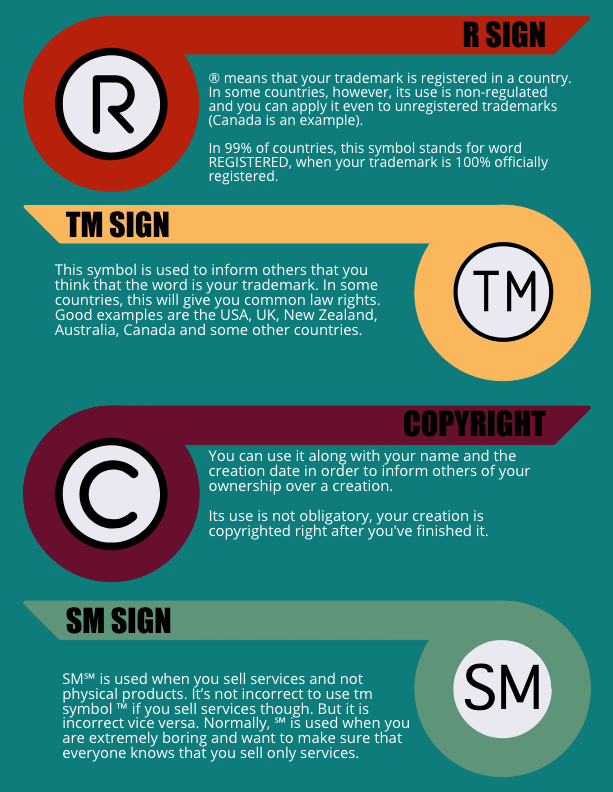
The ® symbol stands for “Registered Trademark.” It is a notice to the public—and to competitors—that the preceding word, logo, or slogan is officially registered with a national trademark office, such as the United States Patent and Trademark Office (USPTO) or the European Union Intellectual Property Office (EUIPO). Unlike other indicators of brand ownership, the use of the ® symbol is strictly regulated by law.
The Critical Distinction Between ® and TM
In the early stages of brand development, many companies use the “TM” (Trademark) or “SM” (Service Mark) symbols. These marks serve as a declaration of “common law” rights. They signal that a business is claiming ownership of a brand element, even if it has not yet been formally registered. However, these symbols offer limited legal protection and carry less weight in a courtroom or an international marketplace.
The transition to the ® symbol occurs only after a successful registration process with the government. This process involves a rigorous examination to ensure the mark is distinctive and does not conflict with existing brands. Once the registration certificate is issued, the brand gains “prima facie” evidence of its validity and the owner’s exclusive right to use the mark nationwide. Using the ® symbol without a formal registration is not only misleading but can lead to legal penalties and the potential loss of future trademark rights.
The Strategic Threshold of Registration
From a brand strategy perspective, the movement from “TM” to “®” represents a maturation of the brand. It signals that the company is willing to invest in its identity and is prepared to defend its territory. In the eyes of investors and partners, the registered trademark symbol is a badge of professional legitimacy. It transforms a creative idea into a formal business asset that can be valued, licensed, or sold.
Building Brand Equity: Why the ® Symbol Matters for Corporate Identity
A brand is more than a logo; it is a promise of quality and consistency made to the consumer. The ® symbol acts as a visual anchor for that promise. In a crowded marketplace where “copycat” branding and digital spoofing are rampant, the registered trademark serves as a beacon of authenticity.
Consumer Perception and Trust
For the average consumer, the presence of the ® symbol often goes unnoticed on a conscious level, but it functions powerfully in the subconscious. It communicates stability and longevity. When a customer sees a registered mark on a premium product, it reinforces the idea that the brand is an established entity with a reputation to protect. This trust is the foundation of brand equity. It reduces the perceived risk of a purchase, particularly in industries where safety, performance, or luxury status are paramount.
Deterring Infringement and Dilution
One of the primary strategic goals of branding is to achieve “distinctiveness.” If a competitor begins using a similar name or logo, it dilutes the brand’s power and confuses the target audience. The ® symbol acts as a primary deterrent. It puts competitors on constructive notice that the brand owner has the legal backing to initiate infringement litigation. By signaling this protection clearly on all brand touchpoints, a company can often prevent legal battles before they begin, as savvy competitors will recognize the risk of challenging a registered mark.
Enhancing Financial Valuation
In the realm of corporate identity, trademarks are categorized as intangible assets. When a company is evaluated for a merger, acquisition, or public offering, the strength of its trademark portfolio is a key metric. A registered trademark is significantly easier to value than an unregistered one. The ® symbol indicates that the brand has cleared the highest hurdles of legal scrutiny, making the intellectual property a “clean” asset that adds tangible value to the company’s balance sheet.
Visual Implementation: Guidelines for Designers and Marketing Teams
Integrating the ® symbol into a sophisticated brand identity requires a delicate balance between legal necessity and aesthetic harmony. Designers often view the symbol as an intrusion into a clean logo design, yet its omission can have dire consequences for the brand’s legal standing.
Typography and Placement
Standard practice suggests placing the ® symbol in the upper right-hand corner (superscript) or the lower right-hand corner (subscript) of the logo or wordmark. The size of the symbol should be legible but not distracting. In high-end luxury branding, the symbol is often scaled down to the smallest size that remains visible to the naked eye, ensuring that the elegance of the design is maintained while still fulfilling the legal requirement of “notice.”
The symbol does not necessarily need to appear every time a brand name is mentioned in body copy. Instead, brand guidelines typically dictate that the ® symbol should appear on the first or most prominent mention of the brand in a document, advertisement, or website page. Subsequent mentions can often omit the symbol to improve readability, provided the initial notice was clear.
Maintaining Brand Consistency
Consistency is the heartbeat of a strong corporate identity. A brand’s style guide should explicitly outline how the ® symbol is to be used across various media—from social media icons to large-scale environmental graphics. If the symbol is used inconsistently, it can lead to “genericide”—a phenomenon where a brand name becomes so common that it loses its status as a protected trademark (such as “aspirin” or “escalator”). By strictly adhering to trademark usage guidelines, brand managers ensure that their marks remain distinctive and legally defensible for decades.
Navigating the Global Marketplace: Trademark Protection in an Interconnected World
As brands expand beyond their domestic borders, the meaning and application of the ® symbol become increasingly complex. Trademark rights are generally territorial, meaning a registration in the United States does not automatically grant rights in Japan or Germany.
International Registration and the Madrid Protocol
For brands with global ambitions, the “Madrid System” offers a streamlined way to manage trademark registrations in multiple countries through a single application. Strategically, this is vital for maintaining a unified global identity. When a brand uses the ® symbol on its international website, it must be certain that it holds registrations in the jurisdictions where it conducts significant business. In some countries, using the ® symbol without a local registration can result in fines or even criminal charges, making global brand coordination essential.
Cultural Considerations in Brand Design
While the ® symbol is widely recognized, different markets have varying levels of familiarity with trademark law. In some emerging markets, the presence of the registered trademark symbol is a crucial defense against the proliferation of counterfeit goods. In these regions, brand managers may choose to make the symbol more prominent to reassure consumers of the product’s origin. Conversely, in highly minimalist design cultures, the challenge is to incorporate the mark so seamlessly that it feels like a natural extension of the brand’s visual language.

The Longevity of the Mark: Maintenance and Renewals
Unlike patents, which eventually expire, a trademark can last indefinitely—provided the owner continues to use it in commerce and files the necessary renewal paperwork. This “infinite life” makes the registered trademark one of the most powerful tools in a brand strategist’s arsenal. The ® symbol represents a legacy. It signifies that the brand is not a fleeting trend but a permanent fixture in the cultural and economic landscape. Managing this legacy requires a proactive approach to monitoring the marketplace for infringers and ensuring that the brand’s visual identity evolves without sacrificing its core protected elements.
In conclusion, the ® symbol is far more than a legal footnote. It is a strategic asset that communicates authority, fosters consumer trust, and protects the financial future of a business. For those tasked with building and maintaining brands, the “R in a circle” is a constant reminder that a great brand is built on a foundation of both creative vision and rigorous protection. By integrating trademark strategy into the heart of corporate identity, companies can ensure that their names and symbols remain exclusive and valuable for generations to come.
aViewFromTheCave is a participant in the Amazon Services LLC Associates Program, an affiliate advertising program designed to provide a means for sites to earn advertising fees by advertising and linking to Amazon.com. Amazon, the Amazon logo, AmazonSupply, and the AmazonSupply logo are trademarks of Amazon.com, Inc. or its affiliates. As an Amazon Associate we earn affiliate commissions from qualifying purchases.