
If you are looking to maximize the return on your time investment in the garden, the answer is unequivocally the humble radish. In the world of horticulture—which functions much like a low-risk, high-velocity financial portfolio—the radish is the ultimate “quick flip.” While many crops require a patient, long-term outlook, the radish offers a rapid turnaround that serves as the perfect entry point for those seeking efficiency and reliable yields.
The Economics of Garden Efficiency: Why Radishes Lead the Portfolio
When we analyze agricultural output through the lens of return on investment (ROI), we must look at the time-to-harvest ratio. Most vegetable gardening endeavors are capital-intensive in terms of labor and patience. A tomato plant, for instance, is a high-maintenance asset that requires staking, pruning, fertilization, and a long growing season before it reaches maturity. If a late frost or a pest infestation hits in month three, your entire investment is liquidated with zero return.

Radishes, however, operate on a high-frequency trading model. From the moment you scatter the seeds in the soil, you are looking at a maturation cycle of as little as 21 to 30 days. This rapid liquidity allows you to realize your “profits”—the harvest—almost immediately. For the busy professional or the novice gardener, this fast cycle provides immediate feedback, which is critical for staying motivated. If a crop fails, you have lost less than a month of time, allowing you to rebalance your garden bed and try again without the sunk cost of an entire season.
Low Barrier to Entry
The radish requires minimal infrastructure. Unlike climbing vegetables that necessitate expensive trellising systems or heavy-feeding crops that demand soil amendments, radishes thrive in standard, well-draining soil. Their “overhead” is negligible: a small packet of seeds, a bit of sunlight, and consistent moisture are all that is required to generate a high-yield asset.
Risk Mitigation and Scaling
The beauty of the radish lies in its scalability. Because the crop cycle is so short, you can practice “succession planting.” By sowing a new row of seeds every two weeks, you create a diversified harvest schedule. This prevents the “glut” problem—where you have too much produce at once—and ensures a steady, sustainable supply of fresh vegetables throughout the growing season. This is the garden equivalent of dollar-cost averaging; by spreading your planting dates, you hedge against seasonal volatility.
Maximizing Yields: The Logistics of a High-Performance Patch
To treat gardening like a structured business venture, one must optimize the environment to ensure consistent performance. While radishes are robust, they are sensitive to environmental “market fluctuations,” specifically temperature and water supply.
Soil Preparation and Resource Allocation
The soil is your primary capital asset. Radishes perform best in loose, friable soil—sandy loam is ideal. If the soil is too dense or compacted, the roots will struggle to develop, resulting in “stunted assets” that lack the quality required for a good harvest. Before planting, ensure the soil is free of rocks and debris. This small up-front labor cost prevents later inefficiencies.
Regarding fertilizer, radishes are “lean” operators. Excessive nitrogen will stimulate leaf growth at the expense of the root, which is your actual product. In financial terms, this is over-investing in overhead (the green tops) while neglecting the core product (the root). Keep the soil moderately fertile, but avoid the temptation to over-feed.
Water Management and Growth Velocity
Water is the liquidity that drives growth. Irregular watering leads to erratic growth rates, which causes the roots to crack or become overly woody—effectively degrading the value of your output. To maintain a high-quality product, the soil must remain consistently moist. If you are unable to manually water, consider an automated drip irrigation system. This small capital expenditure significantly reduces your manual labor hours, increasing the overall efficiency of your gardening operation.
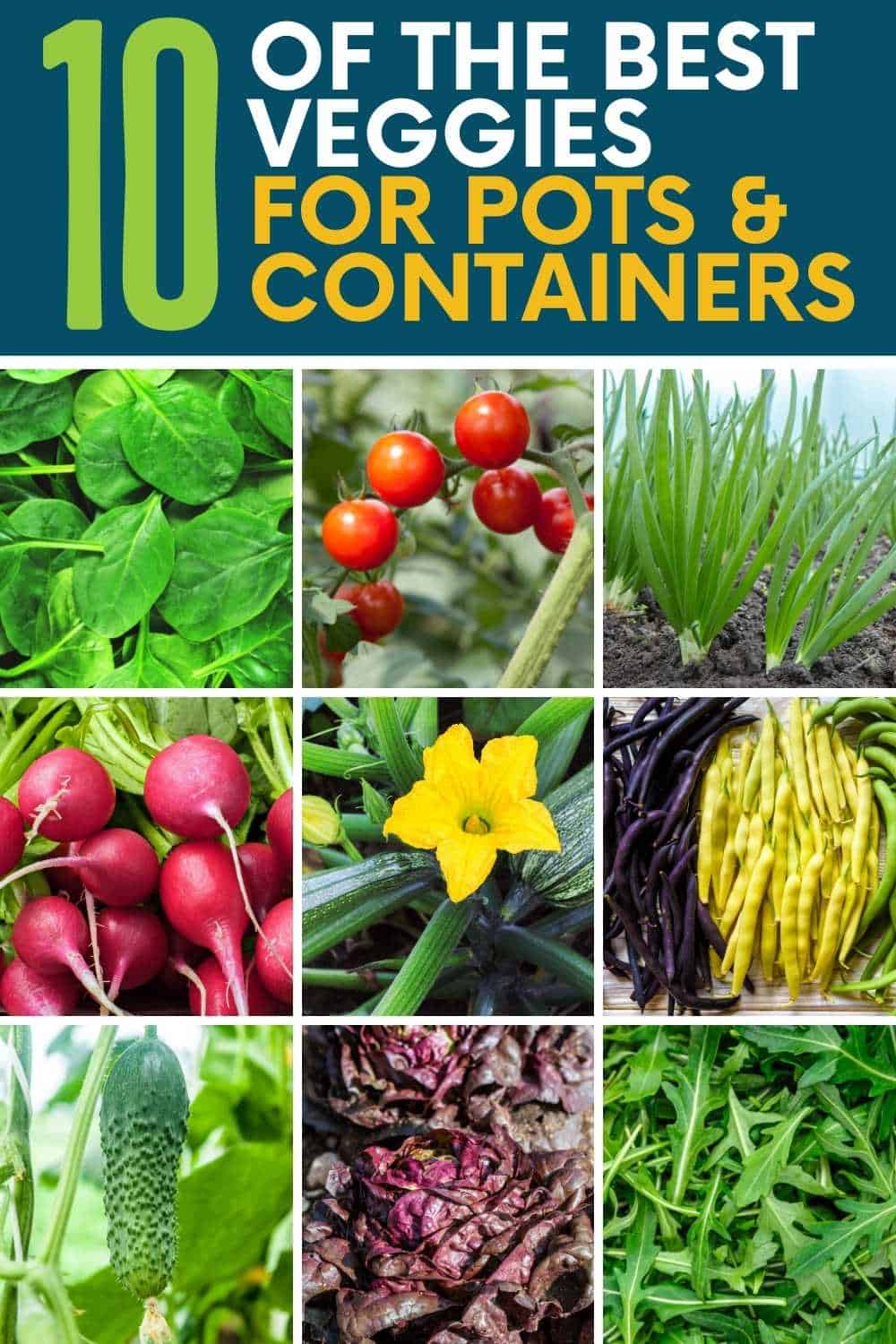
Strategic Varieties: Selecting the Right Asset for Your Climate
Not all radishes are equal in the marketplace of home gardening. Understanding the specific characteristics of different varieties allows you to match your “production” to your environment.
The “Fast-Track” Spring Varieties
If your goal is speed, look for cultivars like the ‘Cherry Belle’ or ‘French Breakfast.’ These are the day traders of the radish world. They are engineered for rapid maturity and are highly resistant to the common stresses of early-season gardening. They are the most reliable performers for those who want to see quick results.
The “Value-Add” Winter Radishes
If you are looking to diversify your portfolio for the later months, consider Daikon or ‘Black Spanish’ radishes. These varieties have a longer growth cycle but offer a much higher volume of produce. They are the “long-term hold” stocks of the garden. While they require more time in the soil, they are incredibly hardy and can often be harvested long after other crops have succumbed to frost. They store exceptionally well, providing value to your kitchen pantry deep into the off-season.
Troubleshooting and Risk Management
Even with the easiest crops, unforeseen market conditions—such as pests or disease—can disrupt your supply chain. Implementing a basic risk management strategy is essential to protecting your harvest.
Pests and Competitive Analysis
Flea beetles are the primary competitors for your radish crop. These insects feed on the leaves, leaving tiny “shotgun” holes that can weaken the plant and reduce its yield. The most effective risk mitigation strategy here is the use of floating row covers. By placing a lightweight fabric over your crop immediately after sowing, you create a physical barrier that prevents pests from establishing a foothold. This is a low-cost insurance policy for your garden.
Harvesting as the Exit Strategy
Knowing when to exit the market is just as important as knowing when to enter. The biggest mistake novice gardeners make is waiting too long to harvest. Because radishes grow so quickly, they can become pithy and overly pungent if left in the ground beyond their prime maturity date.
Check your crop regularly. When the root reaches the size of a golf ball (or the diameter specified on your seed packet), pull it. This is your “profit-taking” moment. If you leave them in the ground too long, the quality will depreciate, effectively turning a high-value asset into a loss. Harvesting at the peak of maturity ensures you receive the maximum culinary and nutritional ROI for your efforts.

The Long-Term Outlook: Scaling Your Garden Operations
Once you have mastered the radish, you have the foundational knowledge to expand into other “blue-chip” vegetables. Lettuce and spinach, for instance, operate on similar timelines and carry similar risk profiles. By treating your garden as a productive asset class, you move beyond the hobbyist mentality and into the realm of efficient, sustainable production.
The ease of the radish is not just about convenience; it is about the power of momentum. By providing a quick, successful, and high-yield experience, it builds the confidence necessary to take on more complex horticultural ventures. Whether you are gardening for food security, cost savings on groceries, or the simple satisfaction of efficient output, starting with the radish sets the correct pace for a successful growing season. Keep your inputs low, your management consistent, and your exit timing sharp, and your garden will yield dividends that far exceed the initial cost of the seeds.
aViewFromTheCave is a participant in the Amazon Services LLC Associates Program, an affiliate advertising program designed to provide a means for sites to earn advertising fees by advertising and linking to Amazon.com. Amazon, the Amazon logo, AmazonSupply, and the AmazonSupply logo are trademarks of Amazon.com, Inc. or its affiliates. As an Amazon Associate we earn affiliate commissions from qualifying purchases.