
The concept of ductility might not be the first thing that springs to mind when considering cutting-edge technology, sophisticated branding, or savvy financial strategies. Yet, ductility, a fundamental property of materials, plays a crucial, albeit often unseen, role in many of the innovations and products that populate these very domains. From the robust construction of the gadgets we use daily to the very infrastructure that powers our digital world, understanding ductility is key to appreciating the underlying engineering and design that makes so much possible.
Understanding Ductility: The Ability to Stretch and Deform
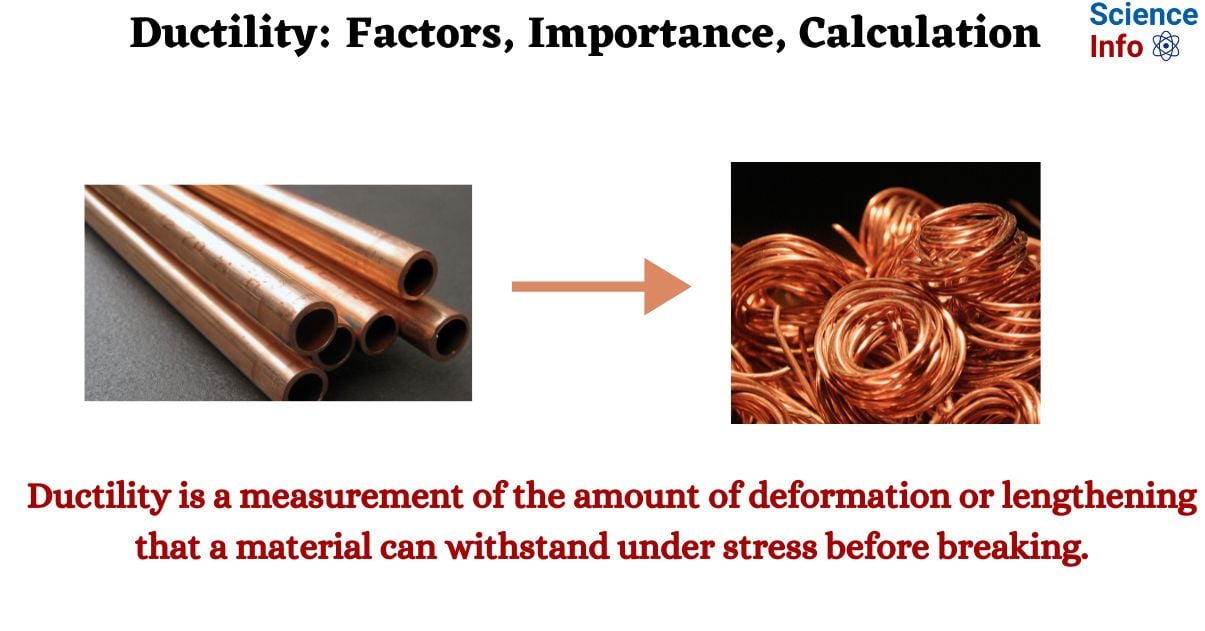
At its core, ductility refers to a material’s ability to undergo significant plastic deformation under tensile stress before fracturing. In simpler terms, it’s a measure of how much a material can be stretched, pulled, or drawn out into a wire or thin sheet without breaking. This is distinct from malleability, which describes a material’s ability to be hammered or rolled into thin sheets. While related, ductility specifically concerns tensile strain.

Imagine pulling on a piece of chewing gum. It stretches considerably before snapping. This is a good, albeit simplified, analogy for ductility. A highly ductile material will deform extensively before reaching its breaking point, while a brittle material will fracture with little to no prior deformation.
Quantifying Ductility: Elongation and Reduction in Area
Ductility is typically quantified through mechanical testing, most commonly the tensile test. During this test, a standardized sample of the material is subjected to increasing tensile force. The test measures two key parameters:
- Elongation: This is the percentage increase in length of the material after it has fractured, compared to its original length. A higher percentage of elongation indicates greater ductility. For example, if a 100mm sample stretches to 150mm before breaking, its elongation is 50%.
- Reduction in Area: This measures the percentage decrease in the cross-sectional area of the material at the point of fracture compared to its original cross-sectional area. A significant reduction in area also signifies high ductility.
These metrics provide engineers and material scientists with objective data to compare the ductile behavior of different materials and to select the most appropriate one for a given application.
The Microscopic View: Dislocations and Plastic Deformation
Understanding ductility at a microscopic level involves delving into the behavior of materials at the atomic scale. Most ductile materials are crystalline solids, meaning their atoms are arranged in a regular, repeating lattice structure. Within this lattice, imperfections known as dislocations exist.
When a tensile stress is applied, these dislocations can move through the crystal lattice. This movement of dislocations allows the material to deform plastically without breaking its atomic bonds catastrophically. Instead of a sudden fracture, the atoms rearrange themselves in a way that accommodates the applied stress, leading to the observed stretching and deformation. Brittle materials, on the other hand, have structures that resist dislocation movement, making them prone to fracture when stressed.
Factors Influencing Ductility
Several factors can significantly influence a material’s ductility:
- Temperature: Generally, ductility increases with temperature. At higher temperatures, atoms have more kinetic energy, which facilitates dislocation movement. This is why metals like steel become more malleable and ductile when heated to forging temperatures. Conversely, at very low temperatures, many materials become more brittle.
- Crystal Structure: The type of crystal structure plays a role. Face-centered cubic (FCC) and hexagonal close-packed (HCP) structures tend to exhibit higher ductility than body-centered cubic (BCC) structures, although there are exceptions.
- Impurities and Alloying Elements: The presence of foreign atoms (impurities) or intentional additions (alloying elements) can disrupt the regular crystal lattice and hinder dislocation movement, thereby reducing ductility. However, some alloying can be designed to improve specific properties while maintaining adequate ductility.
- Grain Size: Smaller grain sizes in a polycrystalline material generally lead to higher strength but can sometimes reduce ductility. The interfaces between grains can impede dislocation motion.
- Strain Rate: The speed at which a load is applied can also affect ductility. High strain rates can sometimes lead to brittle fracture even in materials that are typically ductile.
Ductility in the Realm of Tech: From Gadgets to Infrastructure
While “ductility” might sound like a term reserved for material science labs, its implications are felt profoundly in the technology sector. The devices we rely on, the systems that power them, and the very infrastructure they inhabit are all shaped by the ductile properties of the materials used in their creation.
Engineering Robust Gadgets: The Role of Ductile Materials
Consider the smartphones, laptops, and other personal electronics that are an integral part of modern life. These devices are subjected to everyday wear and tear, accidental drops, and continuous handling. The casings, internal components, and connectors all need to withstand these stresses without shattering.
Metals like aluminum alloys, magnesium alloys, and even certain types of steel are chosen for their balance of strength, lightness, and crucially, ductility. For instance, the chassis of many laptops is made from aluminum alloys. When the laptop is accidentally bumped or dropped, the aluminum can deform slightly, absorbing some of the impact energy rather than fracturing outright, thus protecting the more delicate internal components.
Even seemingly small components, like screws, wires, and connectors, rely on ductility. The ability of copper wires to be drawn into thin filaments without breaking is a direct testament to its high ductility, enabling the intricate circuitry within our devices. The flexible nature of connectors allows them to be plugged and unplugged countless times without failing.
The Backbone of Digital Infrastructure: Ductile Materials in Action
The digital world we inhabit is built upon a vast network of physical infrastructure. This includes everything from the servers in data centers to the fiber optic cables that transmit information across continents and under oceans. Ductility is paramount in ensuring the reliability and longevity of this critical infrastructure.
Cables and Wires: The copper wiring that powers our homes and offices, and the aluminum conductors used in high-voltage power transmission lines, are all chosen for their ductility. They need to be able to withstand vibrations, thermal expansion and contraction, and the stresses of installation and maintenance without breaking. The insulation surrounding these wires also often incorporates polymers with varying degrees of ductility to protect them from damage.
Structural Integrity: The buildings that house data centers, the towers that support communication antennas, and the conduits that protect underground cables all require materials with excellent structural integrity. Steel, a highly ductile metal, is a cornerstone of modern construction for a reason. Its ability to deform plastically under extreme loads, such as during earthquakes or high winds, allows structures to absorb energy and avoid catastrophic collapse. This makes it a critical component in ensuring the resilience of our technological backbone.

Fiber Optics: While the glass fibers themselves are brittle, the protective sheathing around them is often made from ductile materials. These polymer coatings and structural elements prevent the delicate glass fibers from fracturing under tension, bending, or compression, ensuring the high-speed data transmission that underpins the internet.
Ductility and the Subtle Art of Branding: Form and Function
While the direct application of ductility might seem more concrete in the tech and manufacturing sectors, its influence on branding is more subtle, weaving its way through the perception of quality, reliability, and even the aesthetic choices made by brands.
Perceived Durability and Trust
A brand’s promise often hinges on the perceived durability and reliability of its products. When consumers encounter a product that feels solid, substantial, and resistant to minor damage, it contributes to a positive brand experience. This perception is intrinsically linked to the underlying material properties, including ductility.
A product encased in a material that bends slightly under pressure rather than cracking instantly conveys a sense of robustness. This inherent quality, stemming from ductility, can become an unspoken part of a brand’s identity, fostering trust and loyalty. Conversely, products that feel flimsy or break easily can quickly erode consumer confidence and damage a brand’s reputation.
Design and Aesthetics: The Material Canvas
Branding is not just about logos and taglines; it’s also about the sensory experience a product offers. The ability of materials to be shaped, formed, and finished in various ways is crucial for achieving desired aesthetics and ergonomic designs. Ductile materials provide the canvas upon which designers can express a brand’s visual language.
The smooth, flowing lines of a premium smartphone, the elegantly curved chassis of a high-end monitor, or the sculpted forms of a car’s interior – all these are made possible by the formability of ductile materials. The capacity of metals like aluminum and magnesium to be precisely machined, extruded, and molded allows for intricate designs that are both visually appealing and functionally sound. This allows brands to differentiate themselves through unique and recognizable product forms.
The Engineering of Experience
Ultimately, branding is about creating a cohesive and positive customer experience. The inherent properties of the materials used in a product contribute significantly to this experience. A well-engineered product, built with ductile materials that contribute to its longevity and resilience, creates a satisfying user journey. This positive interaction reinforces the brand’s message and contributes to a stronger corporate identity.
For example, a brand known for its outdoor gear will likely emphasize the resilience and durability of its products. The use of tough, ductile fabrics and robust, impact-resistant components in their backpacks, tents, and apparel would be a key selling point, directly or indirectly communicating the brand’s commitment to products that can withstand demanding environments.
Ductility in the World of Money: From Investment to Innovation
The connection between ductility and finance might seem the most abstract, yet it’s present in how we invest in materials, how companies innovate using them, and how our financial decisions impact the development and application of ductile materials.
Investing in Materials and Manufacturing
The financial markets reflect the perceived value and future potential of various industries. Companies involved in the extraction, processing, and manufacturing of ductile materials – such as steel, aluminum, copper, and advanced alloys – are subject to investment. Their performance is often tied to global demand in sectors like construction, automotive, and electronics, all of which rely heavily on these materials.
Investors analyze the market for these commodities and the companies that produce them, considering factors like production costs, technological advancements in material science, and the overall economic health that drives demand for ductile products. A company that can innovate in producing stronger, more ductile, or more cost-effective versions of these materials might see its stock price reflect this advantage.
Funding Technological Advancements in Material Science
The pursuit of new and improved materials is a constant driver of innovation. Research and development in material science, aiming to enhance ductility, strength, or other desirable properties, requires significant financial investment. Venture capital and corporate funding play a crucial role in bringing these advancements from the lab to the marketplace.
For instance, the development of advanced alloys for aerospace or specialized polymers for medical devices often involves substantial R&D budgets. Companies that demonstrate a clear path to commercializing these materials, and the potential for them to unlock new technological capabilities, are more likely to attract funding. The financial success of these innovative material solutions directly impacts the industries they serve and the broader economy.
The Economic Impact of Material Choice
The choice of materials in manufacturing has direct economic consequences. Using a more ductile and resilient material might lead to higher upfront costs but can result in lower long-term expenses due to reduced maintenance, repair, and replacement needs. This economic calculus is a vital consideration for businesses making purchasing and design decisions.
For example, a car manufacturer might opt for higher-grade, more ductile steel for its vehicle frames, even if it’s slightly more expensive initially. This decision can lead to better crash test results, increased customer satisfaction, and potentially lower insurance premiums, all of which have positive financial implications for the company and its customers. The understanding of material properties, including ductility, directly informs these financially sound decisions.
Conclusion: The Understated Strength of Ductility
Ductility, the intrinsic ability of a material to deform without breaking, is a foundational property that quietly underpins much of our modern technological landscape, influences our perceptions of brands, and plays a role in our financial decisions. From the robust construction of the devices in our pockets to the resilient infrastructure that powers our digital lives, and even in the way we perceive quality and invest in innovation, ductility is a testament to the understated strength that allows the world to bend without breaking. As technology continues to evolve, the demand for materials with precisely engineered ductile properties will only grow, making this fundamental material characteristic more critical than ever before.
aViewFromTheCave is a participant in the Amazon Services LLC Associates Program, an affiliate advertising program designed to provide a means for sites to earn advertising fees by advertising and linking to Amazon.com. Amazon, the Amazon logo, AmazonSupply, and the AmazonSupply logo are trademarks of Amazon.com, Inc. or its affiliates. As an Amazon Associate we earn affiliate commissions from qualifying purchases.