
In the retail landscape, few brands command the unique blend of loyalty, curiosity, and sheer purchasing power that Costco Wholesale Corporation does. Ask a member “what does Costco sell?” and you’ll likely get an enthusiastic, albeit broad, answer: “everything!” But beneath this seemingly simple question lies a sophisticated brand strategy, meticulously crafted around its product assortment and service offerings. Costco doesn’t just sell goods; it sells a curated experience, a promise of value, and an exclusive membership to a club where discovery is part of the journey. To truly understand “what Costco sells” is to understand its brand identity, its market differentiation, and its enduring appeal.
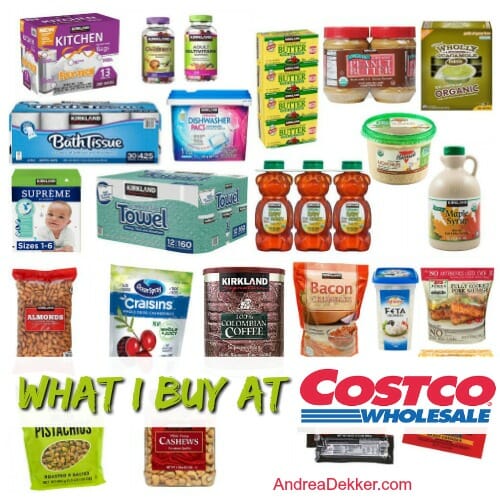
Costco’s brand isn’t built on endless shelves of every conceivable item, but rather on a strategic, high-volume, low-margin model that leverages a carefully selected product range. This approach defines its corporate identity, shapes its marketing messages, and fosters an intensely loyal customer base. From Kirkland Signature products to its unexpected luxury items, every offering contributes to a brand narrative centered on quality, value, and a distinctive shopping adventure. This article delves into the nuances of Costco’s product and service portfolio, analyzing how each component reinforces its powerful brand identity and market position.
The Strategic Breadth of Costco’s Product Portfolio: A Brand Cornerstone
The core of Costco’s brand strategy lies in its product selection. Unlike traditional supermarkets or department stores that aim for exhaustive variety, Costco deliberately curates a narrower range of items, often in bulk. This isn’t a limitation; it’s a strategic decision that underpins its entire brand promise.
Curated Variety Over Endless Choice: How a Focused Product Range Strengthens the Brand
Costco’s brand identity is built on efficiency and value, directly reflected in its limited SKU count. While a typical supermarket might carry 40,000 to 50,000 unique products, Costco stocks around 3,700 high-demand items. This decision is a powerful brand differentiator. It simplifies the shopping experience, reduces decision fatigue for consumers, and allows Costco to negotiate aggressively with suppliers for the best possible prices. From a brand perspective, this creates a perception of expertise and trustworthiness: “Costco has already vetted the best options for us.”
This curated approach also fosters a sense of urgency and exclusivity. If a popular item is available, customers know it might not be there on their next visit, encouraging immediate purchase. This deliberate scarcity, woven into the brand experience, elevates the perceived value of the items they do sell. It’s not about having everything; it’s about having the right things at the right price, a brand promise that resonates deeply with its target demographic seeking smart spending and quality.
The “Treasure Hunt” Experience: Branding Through Serendipitous Discovery
One of the most distinctive elements of the Costco brand is the “treasure hunt” atmosphere it cultivates. Beyond the staple bulk groceries and household goods, Costco regularly surprises members with an ever-changing inventory of unexpected, often premium, items. From designer handbags and fine wines to electronics and seasonal garden furniture, these “rotating merchandise” items are crucial to its brand identity.
This element isn’t just about selling more products; it’s about selling an experience. The thrill of stumbling upon a high-value item at an unbeatable price transforms a routine shopping trip into an exciting expedition. This “discovery” aspect builds a powerful emotional connection with the brand. It encourages frequent visits, fosters word-of-mouth marketing (“You won’t believe what I found at Costco!”), and reinforces the brand’s image as a source of incredible deals and unique finds. It’s a masterful stroke of experiential branding that goes far beyond mere transactional retail.
Kirkland Signature: The Ultimate Private Label Brand Amplifier
Perhaps no single product line defines the Costco brand more powerfully than Kirkland Signature. Introduced in 1995, Kirkland Signature is more than just a private label; it’s a sub-brand that embodies Costco’s core values of quality and value. Covering everything from organic foods and premium spirits to apparel and batteries, Kirkland Signature products often meet or exceed the quality of national brands, but at a significantly lower price point.
This private label is a massive asset for the Costco brand. It builds immense trust, as members learn to associate the Kirkland Signature name with reliability and superior value. It serves as a direct extension of Costco’s brand promise, assuring members that if Costco puts its name on it, it’s worth buying. Furthermore, Kirkland Signature creates proprietary products that differentiate Costco from competitors, reinforcing customer loyalty and making it harder for members to switch. It’s a strategic move that not only boosts margins but also strengthens the overarching Costco brand by directly demonstrating its commitment to its members’ best interests.
Beyond Goods: Services as Brand Differentiators
Costco’s brand extends beyond the tangible products on its shelves to a suite of services that further enrich its membership value proposition and solidify its corporate identity. These services are not merely add-ons; they are integral components of the holistic Costco brand experience, deepening customer engagement and loyalty.
Fuel, Pharmacy, Optical: Essential Services Elevating Brand Value
For many members, services like the gas station, pharmacy, and optical center are compelling reasons to maintain their Costco membership. The fuel stations consistently offer some of the lowest prices in the market, drawing members to the warehouse and often leading to impulse purchases inside. The pharmacy provides prescription medications at competitive prices, appealing to health-conscious consumers. Similarly, the optical and hearing aid centers offer high-quality products and professional services at significant savings.
From a brand perspective, these services are brilliant extensions of Costco’s value promise. They transform the warehouse from a mere retailer into a comprehensive lifestyle hub. They address essential, recurring needs, creating strong incentives for frequent visits and solidifying the brand’s role in members’ daily lives. These services demonstrate Costco’s commitment to delivering savings across various facets of expenditure, thus enhancing the perceived value of the membership fee and reinforcing its image as a smart financial choice.
Travel, Business Services: Expanding the Brand Ecosystem
Costco’s brand reach also extends into less conventional territories, such as travel and business services. Costco Travel offers exclusive deals on vacation packages, cruises, and rental cars, leveraging the brand’s purchasing power to provide unique value to its members. On the business front, Costco provides services like payment processing, bottled water delivery, and even health insurance plans, catering to the needs of small business owners who are often also individual members.
These offerings are crucial for expanding Costco’s brand ecosystem. They position Costco not just as a place to buy groceries, but as a trusted partner for significant life purchases and business operations. By extending its brand promise of value and quality into these diverse areas, Costco strengthens its overall market position and deepens its relationship with members. This strategic diversification reinforces the brand’s utility and versatility, making it an indispensable resource for a broader spectrum of needs.
Pricing Strategy and Member Exclusivity: Pillars of the Costco Brand

At the heart of “what Costco sells” is not just what the products are, but how they are sold. The membership model and aggressive pricing strategy are foundational to the Costco brand, creating an exclusive club mentality and reinforcing its value proposition.
Membership Model: Cultivating Brand Loyalty and Perceived Value
The annual membership fee is arguably the most critical element of Costco’s brand identity. It acts as a psychological barrier that enhances the perceived value of the brand. Members feel they are part of an exclusive club, gaining access to deals and products unavailable to the general public. This exclusivity fosters a strong sense of community and belonging, turning customers into loyal advocates.
From a branding standpoint, the membership fee is brilliant. It ensures a baseline revenue stream independent of product sales, allowing Costco to operate on razor-thin margins and pass significant savings directly to members. This reinforces the brand promise of unbeatable value, making the membership fee feel like an investment that quickly pays for itself. The “pay-to-play” model cultivates a higher quality customer base – those genuinely committed to seeking value – which in turn drives consistent traffic and reinforces the brand’s image as a premium discount retailer.
Value Proposition: Quality at Bulk Prices
Costco’s brand promise is simple yet powerful: high-quality products at bulk, discount prices. This value proposition is the bedrock of its corporate identity and marketing strategy. Unlike many discount retailers that might compromise on quality, Costco prides itself on offering premium brands and superior Kirkland Signature alternatives.
This commitment to quality, combined with its bulk pricing, creates a compelling brand narrative. It appeals to consumers who are budget-conscious but unwilling to sacrifice quality. The “buy in bulk and save” mantra is not just a transactional exchange; it’s a lifestyle choice promoted by the Costco brand. This strategy has allowed Costco to carve out a unique niche in the market, attracting a diverse demographic that trusts the brand to deliver both savings and superior products, thereby solidifying its brand reputation as a smart shopping destination.
The Costco Brand in the Digital Age: Adapting Without Losing Identity
In an era dominated by e-commerce and increasing consumer awareness of corporate ethics, Costco’s brand has had to evolve. The challenge has been to embrace digital transformation and social responsibility without diluting its core identity or alienating its loyal in-store customer base.
E-commerce Integration: Extending the In-Store Experience Online
While Costco’s in-store experience remains paramount to its brand, the company has steadily grown its e-commerce presence. Costco.com allows members to purchase a broader range of items, including many that aren’t available in warehouses, and offers delivery services. This digital extension is crucial for the brand’s relevance in the modern retail landscape.
The brand’s approach to e-commerce is careful not to overshadow the unique “treasure hunt” aspect of the physical store. Instead, it serves as a complementary channel, extending convenience and offering a wider assortment for specific needs (e.g., furniture, electronics). This strategy maintains brand consistency by mirroring the value proposition online, ensuring that the digital experience reinforces, rather than replaces, the distinctive brand identity members associate with Costco. It’s about being where the customer is, while still incentivizing the physical visit.
Social Responsibility and Sustainability: Modern Brand Imperatives
Modern consumers increasingly demand that brands demonstrate a commitment to social responsibility and sustainability. Costco’s brand acknowledges this through various initiatives, including efforts to reduce packaging, source sustainable products, and improve labor practices in its supply chain. While not as vocal about these efforts as some other brands, Costco’s actions in these areas contribute positively to its corporate reputation and brand image.
By engaging in responsible business practices, Costco reinforces its brand as not just value-driven, but also ethically conscious. This subtle yet important aspect of its brand strategy helps maintain relevance with younger, socially-aware demographics and strengthens the overall perception of the brand as a responsible corporate citizen. It’s an understated form of brand building that speaks to integrity and long-term vision.
The Future of the Costco Brand: Evolving Consumer Expectations
As retail continues to transform, the Costco brand must remain agile, balancing its successful core model with the need to adapt to shifting consumer behaviors and market dynamics. The question of “what does Costco sell” will continue to evolve, reflecting broader trends in consumer preferences.
Personalization vs. Bulk: Navigating New Consumer Demands
One key challenge for the Costco brand lies in balancing its bulk-centric model with the growing consumer demand for personalization and smaller, more frequent purchases. While its core demographic values bulk savings, younger generations often prioritize convenience, sustainability (less waste from bulk), and curated experiences tailored to individual needs.
The brand will need to explore how it can subtly introduce more personalized elements or smaller package sizes for certain product categories without eroding its fundamental value proposition. This could involve innovative fulfillment options or tiered membership benefits, allowing the brand to cater to a broader range of preferences while retaining its distinct identity. The future of the Costco brand may involve a delicate dance between its established strengths and the imperative to meet evolving customer expectations.

Global Expansion: Exporting the Costco Brand DNA
Costco’s global expansion, particularly in markets like Asia, highlights the universal appeal of its brand DNA. The brand’s success in new territories demonstrates that the promise of quality, value, and the “treasure hunt” experience transcends cultural boundaries. However, successful global branding requires careful adaptation to local tastes and supply chains.
As Costco continues to grow internationally, its brand strategy will need to maintain its core identity while being flexible enough to resonate with diverse consumer groups. “What does Costco sell?” in Japan might differ slightly from its offerings in the U.S. or Mexico, but the underlying brand values of quality, savings, and exclusive membership will remain constant. This global perspective reinforces the strength and adaptability of the Costco brand, positioning it as a powerful, enduring force in the international retail arena.
In conclusion, “what does Costco sell” is far more than a list of products; it’s a masterclass in brand strategy. Every item, every service, every aspect of its membership model is meticulously designed to reinforce a powerful brand identity centered on unparalleled value, curated quality, and an engaging shopping experience. Costco doesn’t just move merchandise; it builds loyalty, fosters discovery, and continuously cultivates a brand that remains as distinctive as it is dominant.
aViewFromTheCave is a participant in the Amazon Services LLC Associates Program, an affiliate advertising program designed to provide a means for sites to earn advertising fees by advertising and linking to Amazon.com. Amazon, the Amazon logo, AmazonSupply, and the AmazonSupply logo are trademarks of Amazon.com, Inc. or its affiliates. As an Amazon Associate we earn affiliate commissions from qualifying purchases.