
While the core function of a pharmaceutical drug often resides firmly within the realm of healthcare, understanding its impact, accessibility, and even its brand perception can weave into broader conversations. In a world increasingly driven by technology, informed consumerism, and financial considerations, exploring a medication like allopurinol goes beyond a simple medical definition. This article aims to demystify allopurinol, not just for those managing specific health conditions, but also for individuals interested in the multifaceted landscape of modern health and wellness.
Allopurinol, at its heart, is a medication primarily used to manage conditions characterized by elevated levels of uric acid in the body. This often translates to a focus on gout, a painful form of inflammatory arthritis, and kidney stones. However, its implications extend to various other medical scenarios where uric acid accumulation poses a risk. To truly grasp what allopurinol is, we need to delve into its mechanism of action, its therapeutic applications, and the practical considerations surrounding its use.
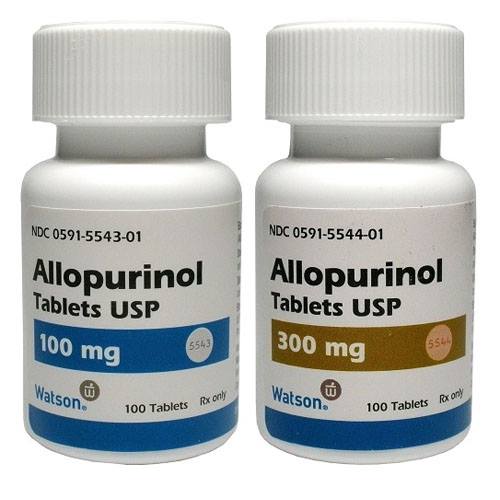
The Science Behind Allopurinol: How it Works to Lower Uric Acid
To understand the efficacy of allopurinol, we must first understand the problem it addresses: hyperuricemia, or high uric acid levels. Uric acid is a waste product naturally produced by the body when it breaks down purines, which are found in certain foods and are also generated during normal cellular turnover. For most people, uric acid is dissolved in the blood, filtered by the kidneys, and excreted in urine. However, when the body produces too much uric acid or the kidneys don’t excrete enough, uric acid levels can rise, leading to its crystallization. These crystals, often forming in joints and surrounding tissues, trigger an inflammatory response, resulting in the intense pain and swelling characteristic of gout.
Allopurinol intervenes in this process by targeting the enzyme xanthine oxidase. This enzyme plays a crucial role in the final stages of purine metabolism, converting hypoxanthine to xanthine and then xanthine to uric acid. Allopurinol acts as a competitive inhibitor of xanthine oxidase. This means it binds to the active site of the enzyme, preventing it from performing its function. By inhibiting xanthine oxidase, allopurinol effectively reduces the production of uric acid in the body. This reduction in uric acid synthesis, over time, helps to lower serum uric acid levels, prevent the formation of new uric acid crystals, and gradually dissolve existing crystals.
The significance of this mechanism lies in its proactive approach. Instead of solely managing the symptoms of gout, allopurinol addresses the underlying cause by controlling uric acid production. This can lead to a substantial decrease in the frequency and severity of gout attacks, as well as mitigate long-term complications associated with chronic hyperuricemia, such as joint damage and the formation of tophi (deposits of uric acid crystals under the skin).
Xanthine Oxidase Inhibition: A Targeted Approach
The discovery and development of xanthine oxidase inhibitors like allopurinol marked a significant advancement in the treatment of gout and other conditions related to uric acid. Before its introduction, treatment options were largely focused on managing acute gout attacks with anti-inflammatory drugs and recommending dietary changes to reduce purine intake. While these strategies remain important adjuncts, they often fell short of preventing recurrent attacks and addressing the systemic burden of excess uric acid.
Allopurinol’s ability to directly inhibit xanthine oxidase offers a more comprehensive solution. It’s important to note that the inhibition is not absolute, and the enzyme can still function to some degree. However, the significant reduction in uric acid production is enough to achieve therapeutic benefits. Furthermore, allopurinol is metabolized in the liver into oxypurinol, which is also an inhibitor of xanthine oxidase and has a longer half-life than allopurinol itself. This contributes to the sustained uric acid-lowering effect of the drug.
The development of allopurinol itself is a testament to scientific innovation, often driven by research into metabolic pathways and disease processes. Understanding the intricate biochemical mechanisms of the body has paved the way for targeted pharmaceutical interventions that can effectively address specific health challenges.
Therapeutic Applications of Allopurinol: Beyond Gout
While gout is undoubtedly the most recognized condition treated with allopurinol, its therapeutic scope extends to other clinical scenarios where managing uric acid levels is paramount.
Managing Gout and Preventing Flares
The primary indication for allopurinol is the long-term management of chronic gout. For individuals experiencing recurrent gout attacks, persistent joint pain, or the presence of tophi, allopurinol is a cornerstone of treatment. The goal is to achieve and maintain a target serum uric acid level, typically below 6 mg/dL, to prevent further crystal formation and its associated complications. It is crucial to understand that allopurinol is not a pain reliever for acute gout attacks. It works over time to reduce uric acid levels, and its effects on preventing future attacks may take several weeks or months to become fully apparent. Therefore, during the initial stages of allopurinol treatment, patients may still experience gout flares as existing crystals are mobilized and dissolved. Healthcare providers often prescribe short courses of anti-inflammatory medication alongside allopurinol to manage these initial flares.
Preventing Uric Acid Kidney Stones

Elevated uric acid levels can also lead to the formation of uric acid stones in the kidneys. These stones can cause severe pain, obstruct urine flow, and potentially lead to kidney damage. Allopurinol plays a vital role in preventing the recurrence of uric acid kidney stones by lowering the concentration of uric acid in the urine. This makes the urine less saturated with uric acid, reducing the likelihood of crystal formation and stone development. For individuals with a history of uric acid kidney stones, allopurinol is often recommended as a prophylactic measure.
Other Indications and Considerations
Allopurinol is also used in specific situations where there is a rapid breakdown of cells, leading to a surge in uric acid. This can occur during chemotherapy treatment for certain types of cancer, particularly leukemias and lymphomas. The rapid lysis of cancer cells releases large amounts of purines, which are then converted to uric acid, potentially leading to tumor lysis syndrome. Allopurinol can be administered to prevent or mitigate the risk of hyperuricemia and its complications in these patients.
In rare cases, allopurinol may also be used for other conditions associated with elevated uric acid, such as Lesch-Nyhan syndrome, a rare genetic disorder.
It is imperative to emphasize that allopurinol is a prescription medication and should only be used under the guidance of a qualified healthcare professional. The dosage and duration of treatment are tailored to the individual’s condition, uric acid levels, and overall health status.
Practical Aspects of Allopurinol: Dosage, Side Effects, and Access
Understanding the practicalities of any medication is essential for informed decision-making and adherence to treatment. This includes how it’s taken, potential side effects, and how it fits into the broader healthcare and financial landscape.
Dosage and Administration
Allopurinol is typically taken orally, once a day. The starting dose is usually low, and it is gradually increased as needed to achieve the target uric acid level. The typical maintenance dose ranges from 100 to 300 mg per day, although higher doses may be prescribed in certain cases. It can be taken with or without food, but taking it with food may help reduce potential stomach upset. Consistency in taking the medication is key to maintaining effective uric acid control. Missing doses can lead to fluctuations in uric acid levels and potentially increase the risk of gout flares.
Potential Side Effects and Safety Precautions
Like all medications, allopurinol can cause side effects. The most common side effects are generally mild and may include skin rash, nausea, vomiting, and diarrhea. However, more serious side effects can occur, albeit less frequently.
A severe and potentially life-threatening hypersensitivity reaction, known as allopurinol hypersensitivity syndrome, can occur. This reaction can manifest as widespread rash, fever, liver dysfunction, kidney problems, and eosinophilia (an increase in a type of white blood cell). Individuals of Han Chinese, Thai, or Korean descent are at a higher risk for this reaction due to specific genetic variations. Therefore, healthcare providers often screen for these genetic predispositions before prescribing allopurinol. It is crucial for patients to report any skin rash or other unusual symptoms to their doctor immediately.
Other less common side effects may include drowsiness, headache, and changes in taste. Patients with existing kidney or liver problems may require dose adjustments. It is also important to inform your doctor about all other medications you are taking, as interactions can occur.
Brand Considerations and Accessibility
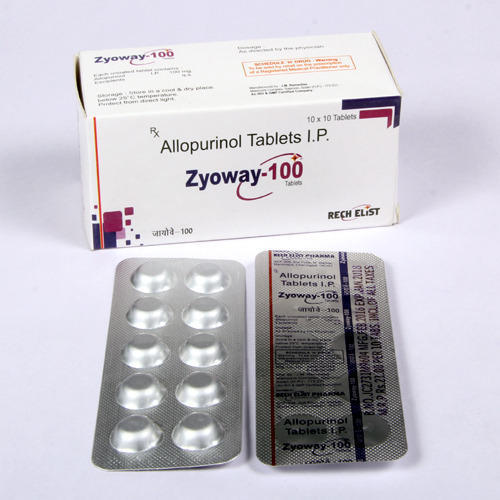
Allopurinol is available as both a brand-name medication and as a generic alternative. Generic medications are typically less expensive than their brand-name counterparts, making them more accessible to a wider population. The availability of generic allopurinol has significantly improved affordability and accessibility for many patients managing chronic conditions.
From a branding perspective, while pharmaceutical drugs don’t typically engage in the same kind of consumer-facing marketing as other products, the reputation and trust associated with a specific manufacturer or the generic availability can influence patient and physician choice. Discussions around prescription drug pricing and access are also increasingly prominent, highlighting the financial considerations that accompany medical treatments. Ensuring equitable access to essential medications like allopurinol remains a critical aspect of public health.
In conclusion, understanding “what is the drug allopurinol” involves appreciating its sophisticated biochemical mechanism, its crucial role in managing gout and preventing kidney stones, and the practical considerations of its use. As healthcare continues to evolve, influenced by technological advancements in diagnostics and drug discovery, and as patients become more engaged in their health journeys, a comprehensive understanding of medications like allopurinol becomes increasingly valuable. It underscores the intersection of science, health, and the practical realities of living with and managing chronic conditions.
aViewFromTheCave is a participant in the Amazon Services LLC Associates Program, an affiliate advertising program designed to provide a means for sites to earn advertising fees by advertising and linking to Amazon.com. Amazon, the Amazon logo, AmazonSupply, and the AmazonSupply logo are trademarks of Amazon.com, Inc. or its affiliates. As an Amazon Associate we earn affiliate commissions from qualifying purchases.