
In the landscape of modern cybersecurity, the perimeter of a network acts as the primary line of defense against an ever-evolving array of digital threats. Among the most critical components of this perimeter defense is the DMZ, or Demilitarized Zone. Borrowing its name from the geopolitical term for a buffer zone between two warring territories, a DMZ in networking serves as a physical or logical subnetwork that separates an internal local area network (LAN) from other untrusted networks, usually the public internet.
By creating this segregated space, organizations can provide services to external users while ensuring that their most sensitive internal data remains shielded behind multiple layers of security. Understanding the mechanics, architecture, and strategic importance of the DMZ is essential for any professional navigating the complexities of network infrastructure and digital security.
The Fundamentals of the DMZ: Purpose and Functionality
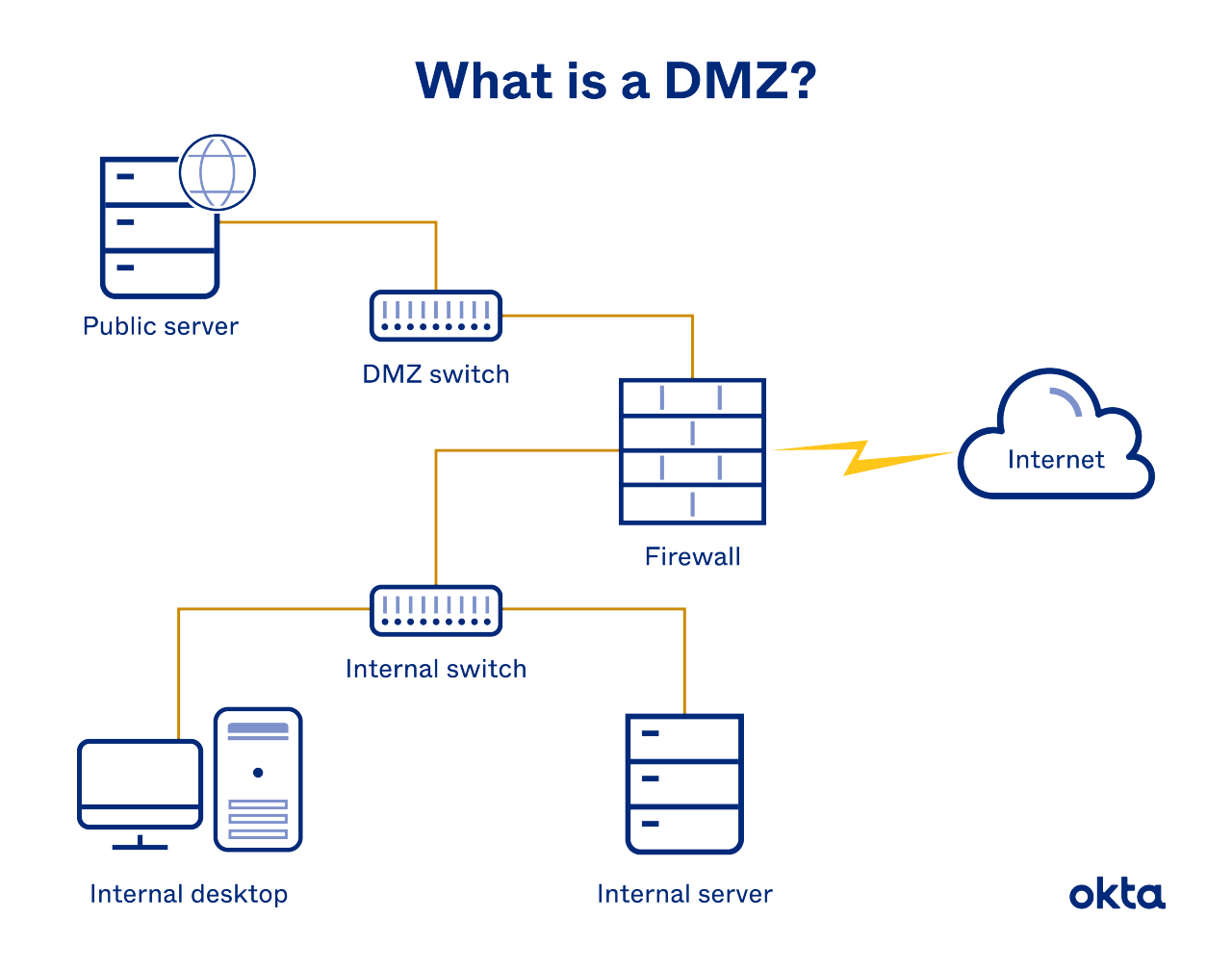
At its core, a DMZ is designed to host external-facing services. In a standard home or small business network, devices are typically hidden behind a firewall that blocks all unsolicited incoming traffic. However, organizations often need to host servers that must be accessible from the outside world—such as web servers, mail servers, and Domain Name System (DNS) servers.
If these public-facing servers were placed directly on the internal network, a single successful exploit against one of them could grant an attacker immediate access to the entire private infrastructure, including employee workstations, internal databases, and proprietary intellectual property.
The Buffer Zone Concept
The DMZ functions as a neutral ground. It is accessible to the public internet, but it is strictly isolated from the internal network. When a user requests data from a web server located in the DMZ, the firewall allows that specific traffic to pass. However, the DMZ itself has restricted access to the internal network. This “one-way” or “highly filtered” communication flow ensures that even if a server in the DMZ is compromised, the attacker is “trapped” within that subnetwork, unable to move laterally into the more sensitive areas of the corporate environment.
How it Enhances Digital Security
The primary objective of a DMZ is to provide an extra layer of security. By segregating public services, network administrators can apply much more stringent security policies to the internal network while allowing the necessary flexibility for public-facing assets. It forces an attacker to breach at least two separate security barriers—the outer perimeter and the internal firewall—before reaching the organization’s “crown jewels.”
Architectural Blueprints: Designing a Robust DMZ
The implementation of a DMZ can vary based on an organization’s size, budget, and security requirements. Historically, two primary architectural models have dominated the industry: the single firewall (three-legged) design and the dual firewall (back-to-back) design.
Single Firewall Design (The Three-Legged Model)
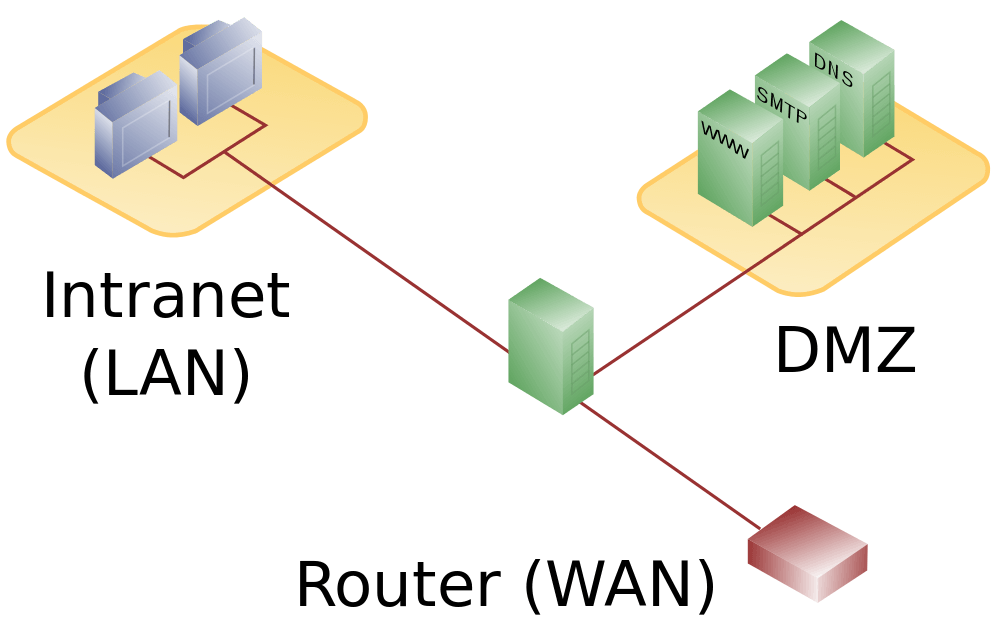
The single firewall approach is often utilized by small to medium-sized enterprises due to its cost-effectiveness and relative simplicity. In this configuration, a single firewall with at least three network interfaces is used to manage all traffic.
- The External Interface: Connects to the public internet.
- The DMZ Interface: Connects to the subnetwork hosting the public-facing servers.
- The Internal Interface: Connects to the private corporate network.
The firewall acts as the central traffic cop, managing the rules (Access Control Lists) for traffic moving between all three zones. For instance, the rules might allow HTTP traffic from the internet to the DMZ but block all traffic from the internet to the internal network. While efficient, the single firewall design represents a single point of failure; if the firewall itself is compromised or misconfigured, the entire network is at risk.
Dual Firewall Design (The Back-to-Back Model)
For higher-security environments, the dual firewall architecture is the gold standard. This setup uses two distinct firewalls to sandwich the DMZ.
- The External Firewall: Situated between the public internet and the DMZ. Its job is to filter incoming traffic and only allow requests for specific services (like port 80 for web traffic or port 25 for email) to reach the DMZ.
- The Internal Firewall: Situated between the DMZ and the private internal network. This firewall is significantly more restrictive, only allowing very specific, authenticated communications from the DMZ to the internal network (such as a web server querying an internal database).

The advantage of this model is “defense in depth.” Even if an attacker exploits a vulnerability in the external firewall, they still face a second, often differently configured firewall from a different vendor, which significantly increases the difficulty of a full-scale breach.
Implementing Services Within the DMZ
Not every application belongs in the DMZ. To maintain a lean and secure perimeter, only services that require direct interaction with external users should be placed there.
Web and E-commerce Servers
The most common resident of a DMZ is the web server. Since these must be accessible to anyone with an internet connection, they are naturally exposed to constant probes and attacks. By placing the web server in the DMZ, the organization can host its public site while keeping the underlying customer database on a separate, more secure internal server.
Mail Servers (SMTP Relays)
Email is a primary vector for malware and phishing. Rather than having an internal mail server communicate directly with the internet, many organizations use an SMTP (Simple Mail Transfer Protocol) relay in the DMZ. This relay receives incoming mail, scans it for threats, and then passes the “clean” messages to the internal mail server.
Proxy Servers and Reverse Proxies
A reverse proxy in the DMZ can act as an intermediary for internal resources. Instead of allowing a user to connect directly to an application, the user connects to the proxy. The proxy then evaluates the request and, if valid, retrieves the data from the internal server on the user’s behalf. This hides the internal IP addresses and structure of the network from the outside world.
FTP and File Sharing
If an organization needs to allow external partners to upload or download large files, an FTP (File Transfer Protocol) server is often placed in the DMZ. This ensures that third-party entities never have a direct path into the internal file storage systems.
The Role of the DMZ in Modern Cybersecurity
As the threat landscape shifts toward sophisticated advanced persistent threats (APTs) and ransomware, the DMZ remains a cornerstone of a proactive security posture. Its relevance extends beyond simple traffic filtering.
Limiting the Blast Radius
In the event of a successful cyberattack, “containment” is the priority. A well-configured DMZ ensures that the “blast radius” of a compromised server is limited to the DMZ subnetwork. By implementing micro-segmentation within the DMZ itself, administrators can even prevent servers within the same DMZ from talking to one another, further frustrating an attacker’s attempts at lateral movement.
Enhanced Monitoring and Logging
Because the DMZ is a high-traffic, high-risk area, it is typically the most heavily monitored part of the network. Security Information and Event Management (SIEM) systems prioritize logs from DMZ firewalls and servers. This concentrated monitoring allows security teams to detect patterns of reconnaissance or brute-force attacks early, often before the attacker manages to move beyond the buffer zone.
From Traditional DMZ to Zero Trust: The Future of Perimeter Security
While the traditional DMZ is still widely used, the rise of cloud computing, remote work, and mobile devices has challenged the concept of a fixed network “perimeter.” This has led to the evolution of the DMZ into more virtualized and decentralized forms.
Cloud-Native DMZs and Virtual Private Clouds (VPC)
In cloud environments like AWS, Azure, or Google Cloud, the physical DMZ is replaced by logical isolation. Organizations use Virtual Private Clouds (VPCs) and Security Groups to create “public subnets” that function exactly like a traditional DMZ. This allows for rapid scaling and global distribution of services while maintaining the same logical separation from private data stored in “private subnets.”
The Move Toward Zero Trust Architecture
The emerging “Zero Trust” model operates on the principle of “never trust, always verify.” In a Zero Trust environment, the traditional DMZ is supplemented or sometimes replaced by Identity-Aware Proxies (IAPs) and Software-Defined Perimeters (SDP). Instead of relying on a physical zone to provide security, Zero Trust focuses on the identity of the user and the health of the device, regardless of whether they are connecting from the internet or the internal office network.
However, even in a Zero Trust world, the logical concept of the DMZ—segregating public-facing services from internal assets—remains a fundamental best practice. Whether implemented through physical hardware, virtualized cloud appliances, or identity-based gateways, the DMZ continues to be an indispensable tool for protecting the integrity and availability of modern digital infrastructures. By effectively isolating the “front door” of the organization from its internal operations, the DMZ provides the necessary friction to slow down adversaries and the vital visibility needed to stop them.
aViewFromTheCave is a participant in the Amazon Services LLC Associates Program, an affiliate advertising program designed to provide a means for sites to earn advertising fees by advertising and linking to Amazon.com. Amazon, the Amazon logo, AmazonSupply, and the AmazonSupply logo are trademarks of Amazon.com, Inc. or its affiliates. As an Amazon Associate we earn affiliate commissions from qualifying purchases.