
In the rapidly evolving landscape of enterprise software, few acronyms carry as much weight as SFDC. While newcomers to the tech industry often use “Salesforce” and “SFDC” interchangeably, understanding the distinction and the technical depth behind the four letters is essential for any professional navigating the digital ecosystem. SFDC stands for Salesforce.com, the original domain and technical shorthand for the world’s leading Customer Relationship Management (CRM) platform. However, beyond the acronym lies a sophisticated architecture that revolutionized the way software is developed, delivered, and scaled in the cloud.
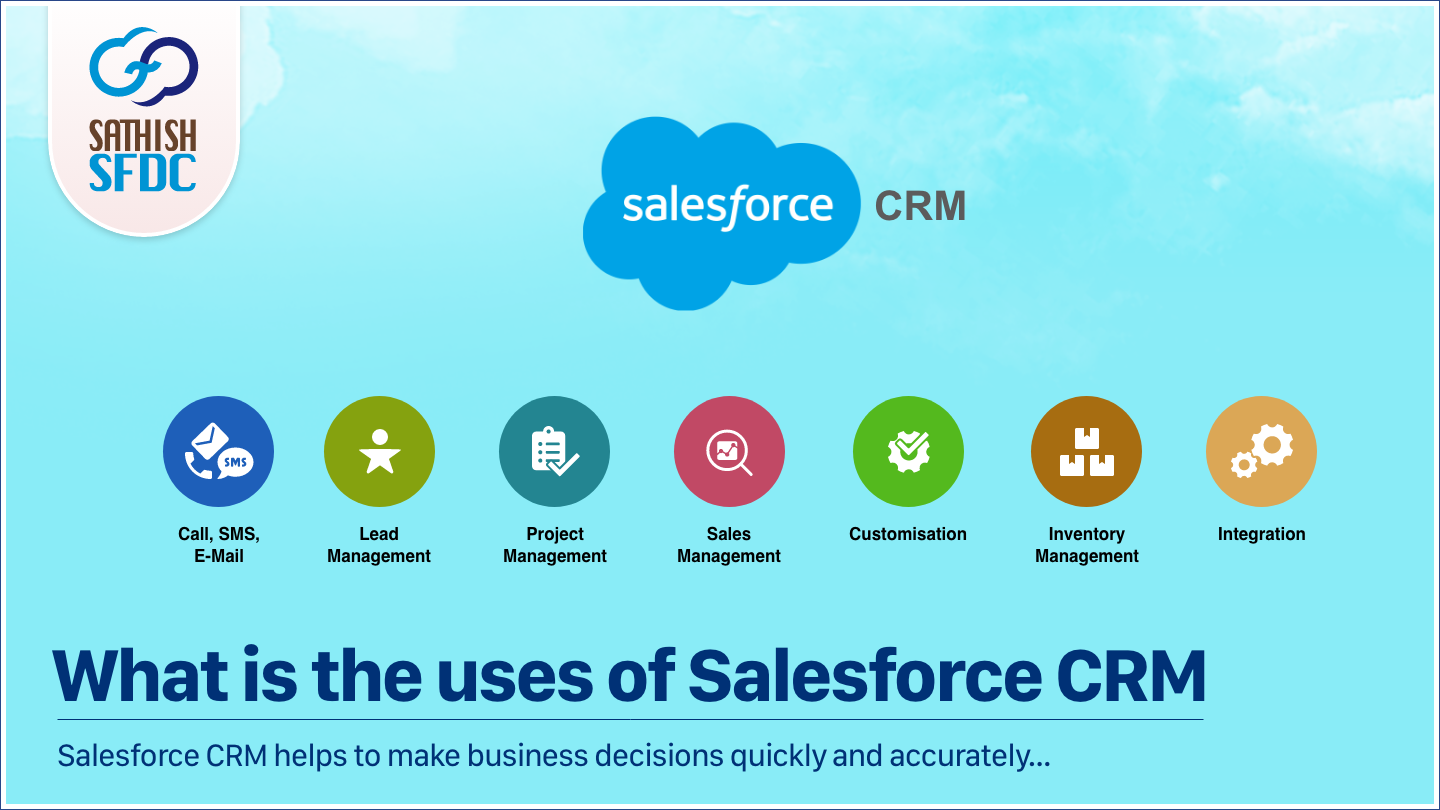
The emergence of SFDC marked a paradigm shift in computing. Before its inception, enterprise software required massive on-premise servers, lengthy installation processes, and complex maintenance cycles. SFDC introduced the concept of Software as a Service (SaaS), moving the entire infrastructure to the cloud and allowing businesses to access powerful tools via a simple web browser. Today, SFDC represents more than just a CRM; it is a multi-faceted platform-as-a-service (PaaS) that supports everything from artificial intelligence and big data analytics to custom application development.
Decoding the Acronym: The Origins and Evolution of SFDC
To understand what SFDC is today, one must look at its historical context. Founded in 1999 by Marc Benioff and Parker Harris, the company launched with the provocative slogan “No Software.” This wasn’t a rejection of code, but a rejection of the traditional software delivery model. SFDC was built from the ground up as a multi-tenant cloud application, a technical decision that remains the cornerstone of its success.
From Startup to Industry Standard
In the early days, SFDC was primarily a tool for sales force automation. The acronym became the internal and external identifier for the platform’s URL and its stock ticker (CRM). As the company expanded its offerings into service, marketing, and commerce, the term SFDC stayed rooted in the developer and administrator communities. It became the shorthand used in technical documentation, API naming conventions, and integration workflows.
The SaaS Revolution and Multi-tenant Architecture
The technical brilliance of SFDC lies in its multi-tenant architecture. Unlike traditional software where each client has their own dedicated server and software instance, a multi-tenant platform serves multiple customers from a single, shared infrastructure. To ensure data security and performance, SFDC employs “governor limits.” These are execution limits enforced by the Salesforce engine to ensure that one tenant’s code or data processing does not monopolize shared resources. This architectural choice allows for seamless updates; when SFDC rolls out a new feature, it is instantly available to all users without requiring manual upgrades.
The Technical Architecture: How SFDC Functions Under the Hood
Beneath the user interface of SFDC is a complex layer of technology that enables extreme customization while maintaining stability. For developers and IT architects, understanding this layer is what differentiates a casual user from a technical expert.
The Metadata-Driven Model
The most significant technical feature of SFDC is its metadata-driven architecture. In SFDC, the “core” code of the platform is separate from the customer’s data and customizations. Every time a user adds a custom field, creates a new object, or designs a page layout, they are creating metadata.
When a user accesses the platform, the SFDC engine reads the metadata and renders the environment in real-time. This separation is why SFDC can update its entire global infrastructure three times a year (Spring, Summer, and Winter releases) without breaking the custom code written by individual companies. This is a feat virtually impossible in traditional on-premise software environments.
Scalability and Security in the Cloud
Security is baked into the SFDC DNA. The platform utilizes a layered security model that includes infrastructure security (data centers and encryption), network security (firewalls and intrusion detection), and application security. From a developer perspective, the SFDC security model is granular, involving Organization-Wide Defaults (OWD), Role Hierarchies, Sharing Rules, and Permission Sets. This ensures that even in a multi-tenant environment, data remains strictly isolated and accessible only to authorized users.
The Integration Layer: APIs and Connectivity
SFDC is designed with an “API-first” mentality. Almost every action that can be performed in the graphical user interface can also be performed via an API call. This makes SFDC a highly extensible hub for enterprise data. Whether it is REST, SOAP, or Bulk APIs, SFDC allows external systems—such as ERPs, financial tools, or proprietary apps—to sync data seamlessly. This connectivity is what allows SFDC to function as the “Single Source of Truth” for an organization’s customer data.
Navigating the SFDC Ecosystem: Core Products and Services

While the technical foundation is robust, the value of SFDC is realized through its various “Clouds.” These are specialized software suites built on the same underlying platform, designed to solve specific business challenges.
Sales Cloud: The Foundation of Revenue Operations
Sales Cloud is the most recognized product in the SFDC portfolio. It focuses on lead management, opportunity tracking, and forecasting. Technically, it leverages complex lead conversion logic and automated workflows (via Flow Builder) to move a prospect through a sales funnel. It provides the data structure necessary for capturing every touchpoint in the customer lifecycle.
Service Cloud: Engineering Customer Success
Service Cloud is built for customer support and engagement. It introduces technical components like “Cases,” “Entitlements,” and “Omni-Channel” routing. Omni-channel routing is particularly sophisticated, using algorithms to push incoming support requests from various channels (email, chat, social media) to the most qualified available agent based on skill set and capacity.
Marketing and Commerce Clouds: Personalizing the Digital Journey
Marketing Cloud and Commerce Cloud extend SFDC into the realm of high-volume consumer engagement. Unlike the core Sales and Service clouds, Marketing Cloud often utilizes a different underlying technology stack (acquired through the ExactTarget purchase), which specializes in high-speed data processing for millions of emails and SMS messages. Integration between these clouds and the core SFDC platform is handled through robust connectors and data streams, allowing for a 360-degree view of the customer.
Developing on the SFDC Platform: Tools for Modern Engineers
SFDC is not just a tool you use; it is a platform you build upon. For software engineers, the SFDC ecosystem offers a variety of languages and tools to create bespoke solutions.
Apex and Visualforce: The Backend and Legacy UI
Apex is Salesforce’s proprietary, strongly typed, object-oriented programming language. It is syntactically similar to Java and acts as the backend language for the platform. Apex allows developers to execute flow and transaction control statements on the SFDC servers.
Visualforce, on the other hand, was the original framework for building custom user interfaces. While still supported, it has largely been superseded by modern web standards as the industry moved toward more reactive, component-based architectures.
Lightning Web Components (LWC): Modern Web Standards
Lightning Web Components (LWC) represents the modern era of SFDC development. Built on modern JavaScript (ES6+) and Web Components standards, LWC is a lightweight framework that provides exceptional performance. By using standard web technologies, SFDC lowered the barrier to entry for web developers, allowing them to bring their skills in HTML, CSS, and JavaScript directly into the SFDC environment.
Low-Code vs. Pro-Code: Balancing Speed and Customization
One of the unique aspects of SFDC is the coexistence of “low-code” and “pro-code” tools. Salesforce Flow is a powerful declarative tool that allows administrators to build complex logic using a visual interface. For more complex requirements that exceed the capabilities of Flow, developers turn to Apex. This hybrid approach allows for rapid prototyping and deployment while still providing the “escape hatch” of custom code for sophisticated enterprise requirements.
The Future of SFDC: Artificial Intelligence and Data Synergy
As we look toward the future of technology, SFDC is pivoting heavily into two areas: Artificial Intelligence and unified data.
Salesforce Einstein: Embedding AI into the Workflow
Einstein is the AI layer integrated across the SFDC platform. It isn’t a standalone product but a set of services that provide predictive scoring, natural language processing, and automated insights. For instance, Einstein Lead Scoring uses machine learning to analyze historical data and predict which leads are most likely to convert. More recently, the introduction of Generative AI (Einstein GPT) allows developers and users to generate code, content, and summaries directly within the SFDC interface, significantly increasing productivity.
Data Cloud: Harmonizing Enterprise Data
The newest frontier for SFDC is the Data Cloud (formerly known as Genie). In a world where data is often siloed across different applications, Data Cloud acts as a hyperscale data engine that ingests and harmonizes data from any source in real-time. This allows for a “Single Customer Profile” that is updated instantly. From a technical perspective, this involves massive data lakes and real-time processing pipelines, ensuring that the AI has the most current data to provide accurate insights.
In conclusion, SFDC is much more than a simple acronym for a CRM company. It represents a revolutionary shift in software architecture and a comprehensive ecosystem for digital transformation. From its pioneering multi-tenant cloud roots to its current focus on AI-driven customer experiences, SFDC continues to define the cutting edge of enterprise technology. For the modern tech professional, mastering SFDC means more than just knowing how to use an app; it means understanding a complex, scalable, and highly integrated platform that powers the global economy.
aViewFromTheCave is a participant in the Amazon Services LLC Associates Program, an affiliate advertising program designed to provide a means for sites to earn advertising fees by advertising and linking to Amazon.com. Amazon, the Amazon logo, AmazonSupply, and the AmazonSupply logo are trademarks of Amazon.com, Inc. or its affiliates. As an Amazon Associate we earn affiliate commissions from qualifying purchases.