
In the complex landscape of chemical engineering and industrial manufacturing, understanding the fundamental mechanics of liquid-based processes is essential for operational efficiency. Whether you are scaling a pharmaceutical production line, optimizing a food processing plant, or refining high-tech chemical solutions, the interaction between a solvent and a solute is the foundational building block of your output. Often confused or treated interchangeably in casual conversation, these two components play distinct, scientifically defined roles that dictate the viability, stability, and effectiveness of your final product. For business leaders and technical managers, mastering these concepts is not just about laboratory precision—it is about resource management, cost-optimization, and quality control.

The Definitive Roles of Solvent and Solute in Industrial Processes
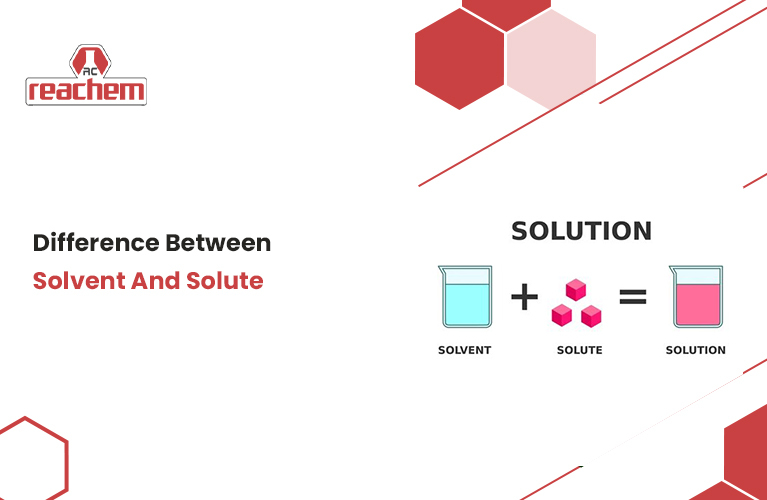
At the core of any solution—a homogeneous mixture composed of two or more substances—the solvent and the solute function in a hierarchical relationship. By definition, a solution is created when a solute is dissolved into a solvent, resulting in a uniform distribution of the former throughout the latter.
Defining the Solvent: The Medium of Change
The solvent is the substance that does the dissolving. In most industrial contexts, it is present in the greater quantity. It acts as the “host” medium, providing the environment in which the solute can break down and disperse. From a technical perspective, the solvent determines the physical state of the final solution. For instance, if you dissolve a solid sugar into water, the result is a liquid, confirming that water is the solvent. In industrial chemistry, the solvent’s properties—such as polarity, boiling point, and volatility—are critical parameters that dictate the equipment required, the safety protocols in place, and the energy consumption of the manufacturing process.
Defining the Solute: The Component of Interest
The solute is the substance being dissolved. It is typically present in a smaller amount than the solvent. The solute undergoes a phase change or a molecular dispersion, moving from its original state (solid, liquid, or gas) to become inextricably linked with the solvent molecules. In a business context, the solute is often the “value-added” ingredient. It is the active pharmaceutical ingredient (API), the pigment in a high-grade ink, or the electrolyte in a lithium-ion battery. Because the solute is usually the component that provides the functional benefit, controlling its concentration within the solvent is the primary driver of product efficacy.
Thermodynamic and Economic Implications of Solubility
The relationship between the solvent and the solute is governed by the laws of thermodynamics, specifically the concept of “like dissolves like.” This principle is the bedrock of industrial solvent selection and cost management.
The Science of “Like Dissolves Like”
The chemical affinity between a solute and a solvent depends largely on their polarities. Polar solvents (such as water) are excellent at dissolving polar solutes or ionic compounds. Non-polar solvents (such as hexane or benzene) are required for non-polar solutes like oils and greases. Understanding this compatibility is crucial for process engineers. Attempting to force a solute into an incompatible solvent results in poor yield, precipitation, and wasted raw materials. For a business, this translates to lost profit and inefficient use of high-cost specialty chemicals.
Solubility Limits and Saturation Points
Every solvent has a maximum capacity for a specific solute, known as the solubility limit. Once this limit is reached, the solution becomes saturated. Beyond this point, additional solute will simply settle at the bottom of the vessel as a solid precipitate. Recognizing the saturation point is critical for inventory management and supply chain logistics. By calculating the exact solubility threshold, organizations can avoid over-purchasing raw solutes that will never dissolve, thereby optimizing capital allocation and reducing warehouse waste.

Practical Applications Across Modern Industries
The distinction between these two components is not merely academic; it is the basis for high-stakes decision-making in sectors ranging from energy storage to consumer goods.
Pharmaceutical Manufacturing and API Delivery
In the pharmaceutical sector, the solvent-solute interaction is a matter of human safety and regulatory compliance. The “solubility profile” of a drug is a key indicator of its bioavailability—how well the human body can absorb the active ingredient. Scientists often manipulate the solvent environment to ensure that the solute (the medication) remains stable and effective until it reaches the patient. Choosing the wrong solvent can lead to the degradation of the solute, rendering a million-dollar batch of medicine useless.
The Energy Sector: Electrolytes and Beyond
In the production of advanced batteries, the electrolyte solution is a precise mixture of a solute (a lithium salt) and a solvent (an organic carbonate). Here, the conductivity of the solution—which dictates how fast a device charges or discharges—depends entirely on the concentration of the solute within the solvent. If the solute concentration is too low, the battery lacks power; if it is too high, the solution may become too viscous or prone to crystallization. This balance is a primary competitive advantage for companies driving the green energy transition.
Solvent Selection for Sustainability and Safety
Modern industry is shifting toward “Green Chemistry.” This movement focuses on replacing hazardous, toxic, or environmentally damaging solvents with safer, bio-based alternatives. When selecting a new solvent, firms must evaluate not only its ability to dissolve the necessary solute but also its recovery and recycling potential. A sustainable solvent-solute process is one where the solvent can be easily recovered through distillation or filtration, allowing for the reuse of the medium and reducing the environmental footprint—a move that increasingly improves corporate brand value and ESG ratings.
Strategic Decision-Making: Optimization and Scaling
For leaders overseeing operations, the interaction between solvent and solute must be viewed through the lens of cost and scalability.
Efficiency and Solvent Recovery Systems
In large-scale manufacturing, solvents are often the most expensive component of the liquid phase. Implementing a solvent recovery system—where the solvent is evaporated, captured, and recycled back into the process—is a classic method for driving down operational costs. However, this is only possible if the separation process between the solvent and the solute is well-understood. If a process engineer does not fully grasp the boiling points or vapor pressures of the mixture, they risk destroying the solute during the recovery phase, leading to total batch loss.
Scaling from Lab to Production
A common failure in industrial growth is the assumption that a process that works in a 500ml beaker will work in a 5,000-gallon reactor. As volume increases, heat dissipation and mixing dynamics change the way solutes interact with solvents. Successful scaling requires precise rheological testing to ensure that the solute remains evenly distributed throughout the solvent at larger volumes. By investing in proper mixing technology and analytical monitoring, businesses can ensure that the quality of the solution remains consistent, protecting the brand’s reputation for quality and reliability.
By mastering the distinction between the solvent and the solute, organizations gain a significant edge in operational efficiency. Whether by reducing waste through saturation modeling, increasing yield through precise polarity matching, or enhancing sustainability through solvent recovery, the deliberate management of these two fundamental components is a key indicator of a mature, sophisticated, and profitable production strategy. Understanding these basics is no longer just for the chemist; it is for the business professional who demands precision, sustainability, and results.
aViewFromTheCave is a participant in the Amazon Services LLC Associates Program, an affiliate advertising program designed to provide a means for sites to earn advertising fees by advertising and linking to Amazon.com. Amazon, the Amazon logo, AmazonSupply, and the AmazonSupply logo are trademarks of Amazon.com, Inc. or its affiliates. As an Amazon Associate we earn affiliate commissions from qualifying purchases.