
Choosing the right windows for your home is more than an aesthetic decision; it’s a significant financial investment with long-term implications for your budget, energy consumption, and property value. Among the most common choices homeowners face are single-hung and double-hung windows. While they may appear similar at a glance, their operational differences translate directly into varying costs, energy efficiency, maintenance requirements, and ultimately, your return on investment. Understanding these nuances from a financial viewpoint is crucial for making an informed decision that benefits your wallet in the years to come.

Understanding the Fundamental Differences: Beyond Aesthetics
Before delving into the financial specifics, it’s essential to grasp the core mechanical distinction between single-hung and double-hung windows. This operational difference is the root cause of their varied cost structures and performance characteristics.
Single-Hung Windows
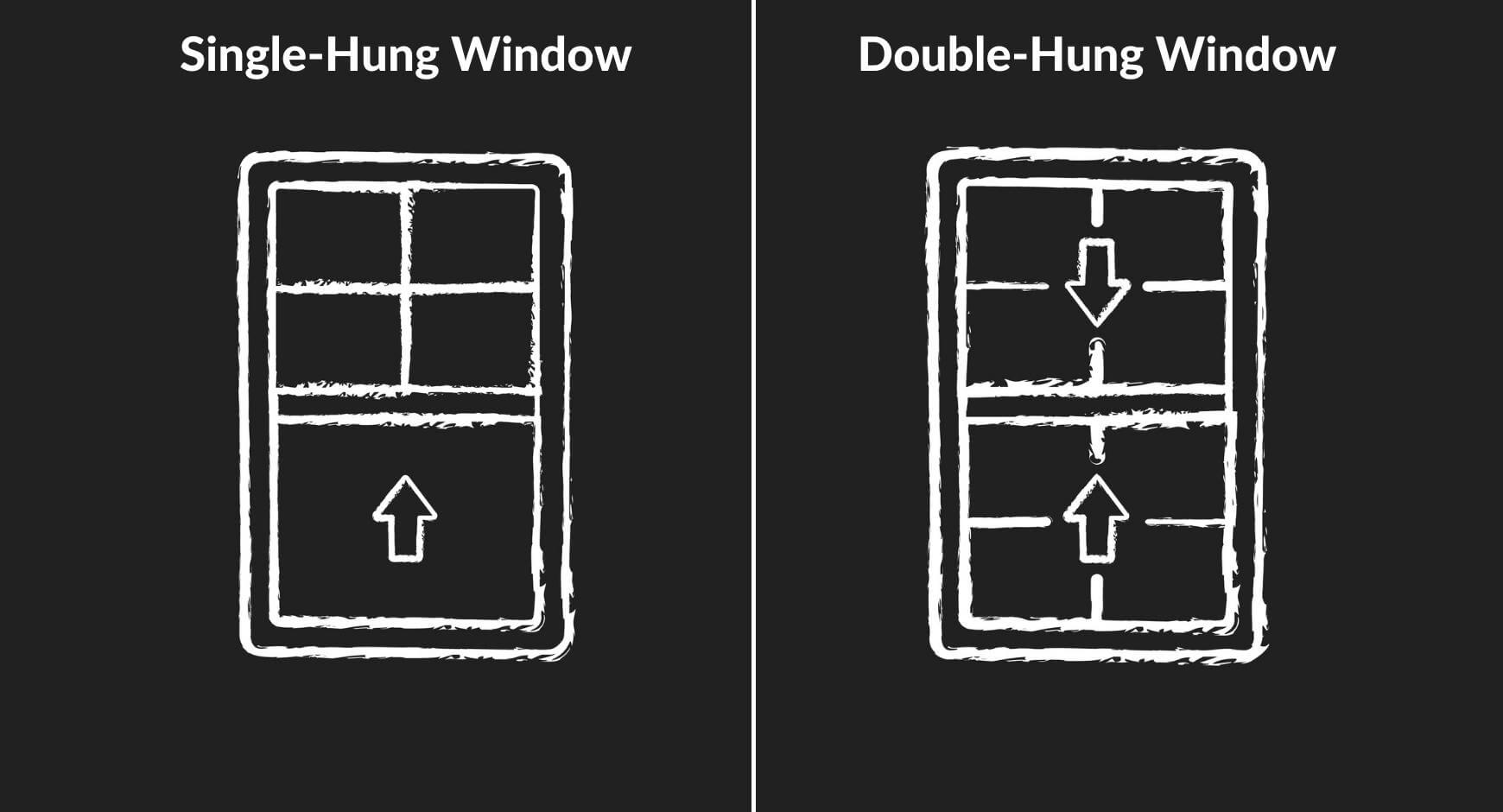
A single-hung window features two sashes within a single frame. The defining characteristic is that only the bottom sash is operable; it can slide vertically upwards to open the window. The top sash remains fixed and stationary. This simpler mechanism often translates to a more straightforward manufacturing process and, consequently, a lower initial purchase price. From an architectural standpoint, they are a classic choice, fitting well with traditional home styles. However, their limited operational flexibility can impact ventilation options and cleaning access, which have indirect financial implications.
Double-Hung Windows
In contrast, a double-hung window also has two sashes, but both are operable. The bottom sash can slide up, and the top sash can slide down. Furthermore, many modern double-hung windows feature tilt-in sashes, allowing both panes to pivot inwards for easier cleaning and maintenance. This dual operability and advanced functionality provide superior ventilation control and convenience. The added engineering and hardware required for this flexibility contribute to a higher manufacturing cost and, by extension, a higher retail price point compared to their single-hung counterparts.
Initial Investment: A Direct Cost Comparison
The most immediate financial consideration when choosing between window types is the upfront cost. Generally, single-hung windows present a more budget-friendly entry point, while double-hung windows command a higher price tag. This difference is consistent across various materials, from vinyl to wood or fiberglass.
Price Point Variability
On average, single-hung windows can be 10% to 20% less expensive than double-hung windows of comparable size, material, and energy efficiency ratings. For a whole-house window replacement project, this percentage can translate into thousands of dollars in initial savings. For instance, if a basic vinyl single-hung window costs $250-$400 installed, a similar double-hung window might range from $300-$500 installed. Multiply this by 15-20 windows, and the cost difference quickly accumulates.
Installation Costs
While the window unit itself is cheaper for single-hung, installation costs per window often remain relatively similar for both types, as the labor involved in removing old windows and fitting new ones is largely consistent. However, if the project involves a large number of windows, the cumulative savings on the units themselves can be substantial, making single-hung windows an attractive option for homeowners with tighter renovation budgets who prioritize upfront expenditure. It is crucial to obtain detailed quotes that break down unit costs versus labor to fully understand the financial implications.
Customization and Upgrades
Both types can be upgraded with features like low-emissivity (Low-E) coatings, argon or krypton gas fills between panes, and specialized glass for sound dampening or security. These enhancements add to the cost, but the percentage difference between single-hung and double-hung typically holds true. For budget-conscious homeowners, opting for single-hung windows allows more room in the budget for these energy-saving or performance-enhancing upgrades, potentially offering better overall value if a premium double-hung is out of reach.
Energy Efficiency and Long-Term Savings: Impact on Your Utility Bills
Beyond the initial purchase, the long-term financial impact of your window choice heavily relies on energy efficiency. Windows are significant points of heat loss in winter and heat gain in summer, directly affecting your heating and cooling expenses.
Air Leakage and Insulation
Historically, single-hung windows, with their simpler design and fewer moving parts, were sometimes considered inherently more airtight due to having only one operable sash. Fewer points of movement traditionally meant fewer opportunities for air infiltration. However, modern manufacturing techniques and quality seals have largely equalized this aspect for well-constructed windows of both types.

Both single-hung and double-hung windows, when manufactured with high-quality materials, weatherstripping, and proper installation, can achieve excellent U-factors (a measure of heat transfer) and low air leakage ratings. The key lies in the quality of the window and its installation, rather than just the “hung” type. An energy-efficient single-hung window can perform as well as, or even better than, a poorly manufactured double-hung window.
Ventilation and Comfort Control
Here, double-hung windows often present a distinct advantage that can indirectly lead to energy savings. The ability to open both the top and bottom sashes allows for “stack ventilation” or “convection ventilation.” By opening the top sash slightly and the bottom sash more, warm air (which rises) can exit through the top, while cooler air is drawn in through the bottom. This efficient airflow can significantly reduce the need for air conditioning during mild weather, leading to noticeable savings on utility bills. Single-hung windows offer less flexibility for this type of natural cooling strategy, meaning homeowners might rely more heavily on mechanical cooling systems.
Return on Investment (ROI) from Energy Savings
While the initial investment for double-hung windows is higher, their potential for enhanced natural ventilation can offer a more robust ROI over time, especially in climates with distinct shoulder seasons where natural breezes can effectively cool a home. The cumulative savings on air conditioning can offset the initial price difference. However, for homes primarily reliant on central HVAC systems regardless of window type, or those in extreme climates, the energy performance difference between well-sealed single-hung and double-hung windows might be negligible, making the initial cost savings of single-hung a more attractive financial proposition.
Maintenance, Durability, and Resale Value: Protecting Your Asset
The financial implications of windows extend to their longevity, required upkeep, and how they influence your property’s market appeal. These factors contribute significantly to the total cost of ownership over the lifespan of the windows.
Cleaning and Maintenance Costs
This is where double-hung windows often shine in terms of practical financial benefits. The ability of most double-hung sashes to tilt inwards makes cleaning both sides of the glass a much simpler and safer task, particularly for windows on upper floors. For single-hung windows, cleaning the exterior of the fixed top sash typically requires exterior access (ladders, professional cleaning services), which can incur ongoing costs or safety risks. Over a decade or two, these recurring cleaning expenses or the cost of professional services can add up, making the initial investment in tilt-in double-hung windows financially justifiable for many homeowners.
Durability and Repair Costs
Both types of windows can be highly durable, depending on the material and manufacturing quality. However, double-hung windows have a more complex operating mechanism with more moving parts (balances, locks, tilt latches) for both sashes. This increased complexity could theoretically lead to more points of failure over an extended period. That said, modern hardware is robust, and most quality windows come with substantial warranties.
When repairs are needed, the parts for double-hung windows might be slightly more specialized or complex to replace. However, these are generally minor considerations compared to the overall lifespan of well-maintained windows, which can exceed 20-30 years.
Impact on Property Value and Resale
Windows are a key component of a home’s curb appeal and functionality, directly impacting its market value.
- Curb Appeal: Both single-hung and double-hung windows can look attractive. The choice often comes down to architectural style and homeowner preference. From a pure aesthetic investment standpoint, neither type inherently detracts from value if well-maintained and in keeping with the home’s style.
- Perceived Quality and Functionality: Double-hung windows, with their dual operability and easy-clean features, are often perceived by potential buyers as a premium feature. This enhanced functionality can make a home more appealing and potentially command a higher asking price. Buyers appreciate the convenience and the flexibility in ventilation.
- Energy Efficiency as a Selling Point: Regardless of type, energy-efficient windows are a major selling point. If either single-hung or double-hung windows are highly rated for energy performance, they add significant value by promising lower utility bills to prospective buyers. However, if the double-hung windows also offer superior ventilation and ease of maintenance, they present a more comprehensive package of benefits that can increase perceived value.
While a direct dollar-for-dollar ROI from double-hung windows’ higher cost compared to single-hung might not always be explicitly quantified in appraisal, the enhanced functionality and convenience they offer can improve marketability and potentially shorten selling times, which indirectly saves money by reducing holding costs.
Making the Financially Prudent Choice: A Long-Term Perspective
Deciding between single-hung and double-hung windows requires a careful balancing act between immediate costs and long-term financial benefits. There isn’t a universally “better” choice; rather, the optimal decision depends on your specific priorities, budget, climate, and desired outcome.
If your primary concern is minimizing upfront expenditure and your home’s design or climate doesn’t heavily rely on nuanced natural ventilation, high-quality single-hung windows represent a financially sound choice. They offer a lower initial investment and, with modern energy-efficient features, can provide excellent thermal performance.
However, if your budget allows for a higher initial outlay, and you value enhanced ventilation options, ease of maintenance (especially for multi-story homes), and the potential for increased perceived property value, double-hung windows often present a compelling long-term financial argument. The savings on cleaning costs, potential utility bill reductions through improved natural ventilation, and the appeal to future buyers can offset their higher purchase price over the lifespan of the windows.
Ultimately, the best financial decision involves obtaining multiple quotes, comparing energy performance ratings (U-factor, SHGC, Air Leakage), considering your local climate, and evaluating your long-term occupancy plans. Investing in quality, regardless of the “hung” type, ensures durability and maximizes financial return over decades, safeguarding your home equity and lifestyle comfort.
aViewFromTheCave is a participant in the Amazon Services LLC Associates Program, an affiliate advertising program designed to provide a means for sites to earn advertising fees by advertising and linking to Amazon.com. Amazon, the Amazon logo, AmazonSupply, and the AmazonSupply logo are trademarks of Amazon.com, Inc. or its affiliates. As an Amazon Associate we earn affiliate commissions from qualifying purchases.