
In the intricate world of technology, where performance, efficiency, and reliability are paramount, understanding how heat moves is not merely an academic exercise—it’s a fundamental prerequisite for innovation. Whether we’re talking about preventing a server farm from overheating, designing a more efficient smartphone, developing advanced thermal imaging cameras, or optimizing energy consumption in smart homes, the principles of heat transfer are at play. At its core, heat transfer is the movement of thermal energy from a hotter region to a cooler one, a natural process governed by the laws of thermodynamics. This transfer occurs through three primary mechanisms: conduction, convection, and radiation. While often occurring simultaneously in complex systems, each mode has distinct characteristics and implications that technologists and engineers must grasp to build the next generation of devices and systems. Delving into their differences reveals not just scientific principles, but also opens up a myriad of possibilities for technological advancement, problem-solving, and efficiency gains across the entire tech spectrum. This article will illuminate these distinctions, emphasizing their critical roles and applications in the technological landscape.
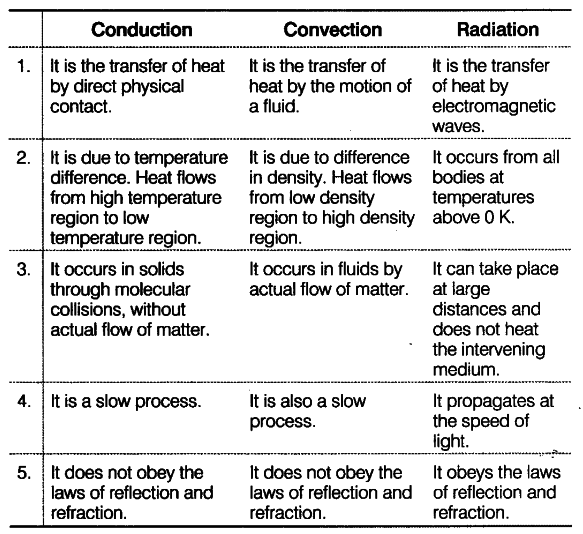
Conduction: The Direct Transfer of Energy in Tech Systems
Conduction is perhaps the most intuitive form of heat transfer, characterized by the direct transmission of thermal energy through molecular or atomic collisions within a material, or between materials in direct contact. In the realm of technology, it’s the invisible hand that moves heat from a scorching CPU to its cooling fins, or through the layers of a circuit board.
How Conduction Works at the Micro-Scale
At its essence, conduction occurs when energetic particles (atoms, molecules, or free electrons) from a hotter region vibrate more intensely and collide with less energetic particles in an adjacent cooler region, transferring kinetic energy in the process. Imagine a densely packed concert crowd: if someone at the front starts dancing vigorously and bumping into their neighbors, that energy gradually spreads through the crowd, even if no one physically moves from their spot to the back. In solids, particularly metals, free electrons play a significant role, migrating and carrying energy with them, which is why metals are excellent thermal conductors (and electrical conductors). Insulators, conversely, have tightly bound electrons and a less efficient lattice structure for energy transfer, making them poor conductors.
Key Characteristics and Factors in Technological Design
The rate of conduction is primarily governed by a material’s thermal conductivity (k), which quantifies how readily heat flows through it. Materials like copper (k ≈ 400 W/m·K) and aluminum (k ≈ 205 W/m·K) are highly conductive and are staples in heat sinks and thermal interface materials within electronics. Conversely, materials like air (k ≈ 0.026 W/m·K) or specialized aerogels are excellent insulators. Other critical factors include the cross-sectional area (A) of the material through which heat flows, the thickness or length (L) of the path, and the temperature difference (ΔT) across the material. Fourier’s Law of Heat Conduction, $Q = -kAfrac{dT}{dx}$, elegantly describes this relationship, indicating that heat flow (Q) is proportional to thermal conductivity, area, and temperature gradient. For tech designers, manipulating these factors is crucial for efficient thermal management.
Technological Applications of Conduction
Conduction forms the backbone of countless technological solutions. Heat sinks in computers and other electronic devices are perhaps the most common example, designed to draw heat away from hot components (like CPUs, GPUs, or power transistors) through direct contact, often aided by Thermal Interface Materials (TIMs) like thermal grease or pads that fill microscopic air gaps to improve contact conduction. In manufacturing, processes like soldering and welding rely entirely on controlled conduction to join materials. Insulation in smart appliances, electric vehicles, and even satellite components leverages low-conductivity materials to prevent heat loss or gain. Advanced heat exchangers in industrial settings, data centers, and HVAC systems meticulously manage conductive paths between fluids and solid surfaces to transfer heat efficiently. As devices become smaller and more powerful, optimizing conduction pathways, often using exotic materials like graphene or diamond, becomes paramount to prevent thermal throttling and ensure longevity.
Convection: Heat Transfer Through Fluid Motion in Smart Systems
While conduction relies on direct contact and molecular vibrations, convection introduces the element of fluid motion to transfer heat. This mechanism is critical in systems where gases or liquids are present and can move to carry thermal energy.
Understanding Convection Mechanisms
Convection involves the transfer of heat through the movement of fluids (liquids or gases). When a fluid is heated, it typically becomes less dense and rises, while cooler, denser fluid sinks to take its place. This continuous circulation creates a convection current, effectively transporting heat from one location to another. The efficiency of this process is heavily influenced by the properties of the fluid (e.g., specific heat capacity, viscosity), the temperature difference, and the surface area available for heat exchange.
Types of Convection in Tech Design
Convection is categorized into two main types:
-
Natural (or Free) Convection: This occurs due to density differences created by temperature variations within the fluid itself. Hot fluid rises, cold fluid sinks, creating a spontaneous circulation. Examples in tech include the natural airflow around a desktop computer tower or a passively cooled amplifier, where hot air rises out of vents and cooler air is drawn in from below. Many fan-less designs rely heavily on optimizing natural convection.
-
Forced Convection: This involves external means, like fans, pumps, or blowers, to induce fluid motion and accelerate heat transfer. Forced convection is significantly more efficient than natural convection and is ubiquitous in high-performance computing and industrial applications. Think of the CPU fan in your laptop, the liquid cooling loop in a gaming PC, the cooling systems in large data centers, or the refrigeration cycle in smart home appliances.
Convection’s Role in Modern Tech
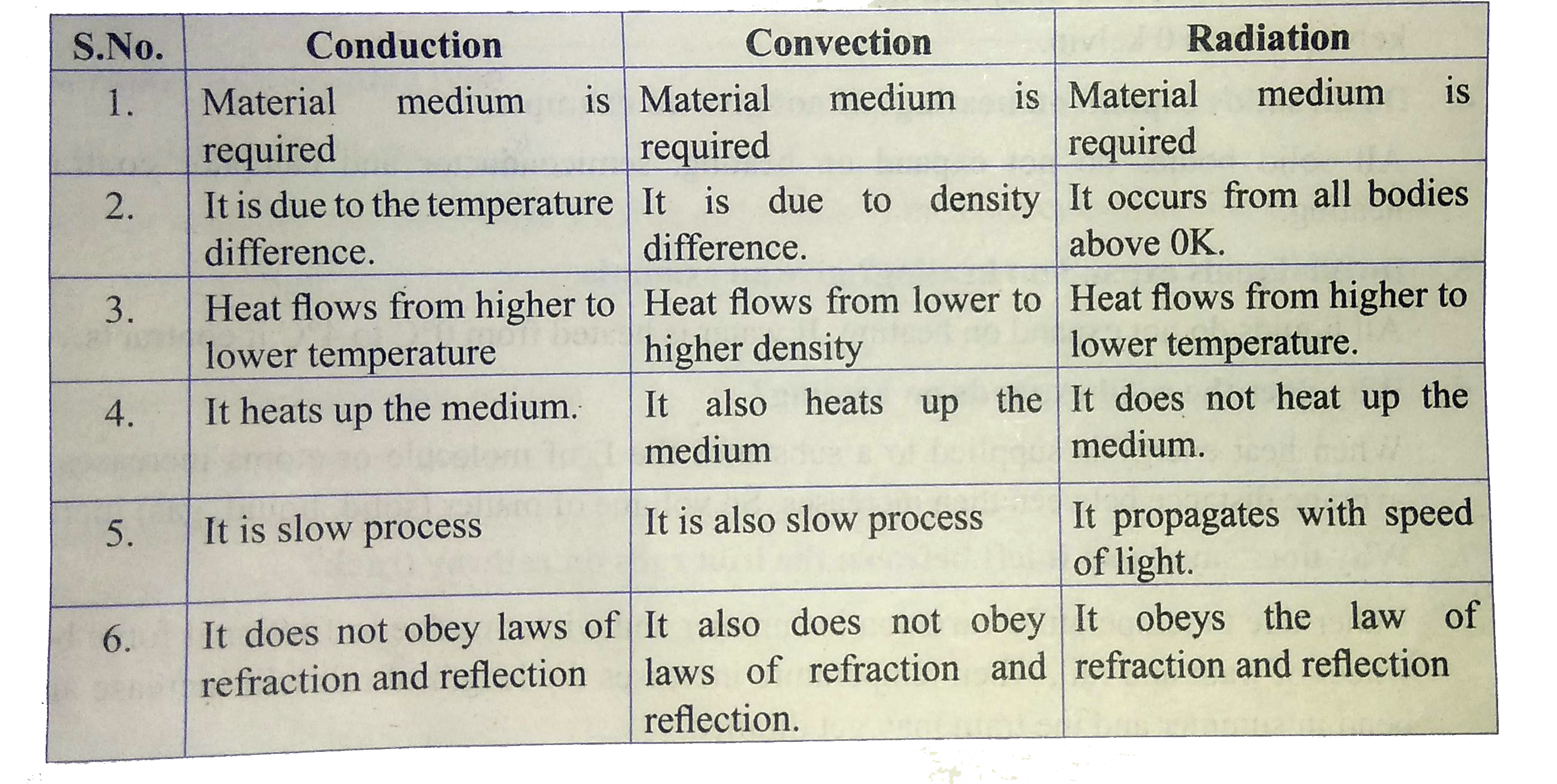
Convection is indispensable in keeping modern technology from overheating. Liquid cooling systems, commonly found in high-end PCs, servers, and even electric vehicle batteries, use pumps to circulate a coolant (often water with additives) through components, transferring heat much more effectively than air. HVAC (Heating, Ventilation, and Air Conditioning) systems in smart buildings rely entirely on forced convection to distribute heated or cooled air throughout spaces. Data centers, with their enormous heat loads, employ sophisticated convection strategies, from elaborate rack cooling systems to aisle containment designs, often using chilled air or liquid coolants. Even the seemingly simple act of a smartphone getting warm in your hand involves natural convection as the heated air around it rises. In industrial processes, from chemical reactors to semiconductor manufacturing, precisely controlled convective heat transfer is vital for product quality and process efficiency. As devices miniaturize and power densities increase, advanced forced convection techniques, often coupled with innovative fluid dynamics, are critical for maintaining operational temperatures and preventing thermal damage.
Radiation: The Electromagnetic Journey of Heat in Advanced Technologies
Unlike conduction and convection, which require a medium (solid or fluid) for heat transfer, radiation can occur through a vacuum. This makes it a unique and powerful mechanism, especially vital in environments where conventional methods are impractical, such as space.
The Physics of Thermal Radiation
Thermal radiation is the emission of electromagnetic waves (such as infrared, visible light, or ultraviolet) from the surface of an object due to its temperature. All objects with a temperature above absolute zero emit thermal radiation. The energy carried by these waves travels at the speed of light and can be absorbed by other objects, causing them to heat up. This process does not require any intervening medium; it’s how the Earth receives heat from the Sun, traversing the vacuum of space. The Stefan-Boltzmann Law ($Q = epsilon sigma AT^4$) defines the rate of radiative heat transfer, showing its strong dependence on the absolute temperature (T) of the object, its surface area (A), and its emissivity ($epsilon$), a material property describing how efficiently it radiates energy (a perfect blackbody has an emissivity of 1).
Factors Influencing Radiation in Tech Applications
For engineers, understanding emissivity and absorptivity is paramount. Objects with high emissivity (like a matte black surface) are good emitters and good absorbers of thermal radiation. Conversely, objects with low emissivity (like a polished silver surface) are poor emitters and poor absorbers, making them excellent reflectors. This principle is widely exploited in technology. For instance, reflective coatings are used on spacecraft to reject solar radiation, while black surfaces are used in solar collectors to maximize absorption. The color, texture, and even chemical composition of a surface significantly impact its radiative properties. Temperature is also a massive factor; because radiation is proportional to the fourth power of absolute temperature, even a small increase in temperature can lead to a significant increase in radiative heat transfer.
Technological Relevance of Radiation
Radiation plays a crucial role across various tech sectors. In space technology, satellites and spacecraft rely heavily on radiation for thermal control, using highly reflective multi-layer insulation to minimize heat absorption from the sun and specialized radiators (often with high-emissivity black surfaces) to dump excess heat into the vacuum of space. Infrared (IR) sensors and thermal imaging cameras operate entirely on the principle of detecting thermal radiation emitted by objects, enabling night vision, medical diagnostics, industrial fault detection, and surveillance. Radiative cooling materials are an emerging field, designing surfaces that can radiate heat away into space even during the day, potentially offering passive cooling solutions for buildings and electronics. Optical fibers transmit data via light, a form of electromagnetic radiation. Even in everyday tech, a warm laptop chassis radiates heat into the surroundings, and induction cooktops use electromagnetic radiation (though in a specific frequency range) to heat cookware directly. In advanced manufacturing, processes involving high temperatures, like semiconductor annealing or glass production, heavily leverage radiative heat transfer.
The Synergistic Dance: How All Three Work Together in Technology
While it’s useful to dissect conduction, convection, and radiation individually, in most real-world technological systems, these three mechanisms rarely act in isolation. Instead, they often work in concert, creating a complex interplay that engineers must master to design efficient, reliable, and high-performing products.
Real-World Systems and Combined Effects
Consider a modern laptop’s cooling system. Heat generated by the CPU is first transferred via conduction from the silicon chip to a copper heat spreader, then further along a heat pipe (which often uses a phase change fluid for efficient conduction-like transfer). This heat then reaches a fin stack. A fan provides forced convection, blowing cooler air over these fins to carry the heat away. Finally, some heat is also radiated from the laptop’s chassis and screen into the surrounding environment. Another example is a smart refrigerator. The internal components transfer heat to the refrigerant fluid via conduction through the evaporator coils. The cold air inside is then circulated via forced convection (fan) to cool the food. The exterior surfaces of the fridge radiate a small amount of heat to the kitchen, while insulation prevents heat ingress via conduction and convection. Understanding this multi-mode transfer is vital for optimizing everything from building energy efficiency (insulation and ventilation) to power plant design.
Optimizing Thermal Management for Performance and Efficiency
For technologists, the ability to predict, measure, and control these combined heat transfer mechanisms is crucial for thermal management. Poor thermal management leads to a host of problems: reduced component lifespan, decreased performance (e.g., thermal throttling in CPUs), increased power consumption (e.g., inefficient cooling systems), safety hazards (overheating batteries), and material degradation. By strategically selecting materials (e.g., high thermal conductivity for heat sinks, low for insulation), designing optimal geometries (e.g., fin shapes for convection, surface areas for radiation), and implementing active cooling solutions (fans, pumps), engineers can precisely manage temperature profiles within devices. This often involves sophisticated computational fluid dynamics (CFD) simulations and thermal analysis software to model the complex interactions between conduction, convection, and radiation. The goal is always to dissipate waste heat efficiently while maintaining optimal operating temperatures for all components, thus maximizing performance, ensuring reliability, and minimizing energy consumption.
Future of Heat Transfer in Tech
As technology continues its relentless march towards miniaturization, higher power densities, and greater connectivity, the challenges and opportunities in heat transfer become even more pronounced. Advancements in advanced materials like graphene, carbon nanotubes, and phase-change materials are opening new frontiers for highly efficient conduction. Innovations in microfluidics and liquid metal cooling are pushing the boundaries of forced convection. The development of metamaterials and radiative cooling films promises revolutionary passive cooling solutions, leveraging radiation to shed heat even under direct sunlight. Furthermore, AI and machine learning are beginning to play a significant role in optimizing thermal designs, allowing for faster iterations and more intelligent cooling strategies. From the extreme cold environments required for quantum computing to the immense heat generated by next-generation AI processors and fusion energy research, a deep understanding and innovative application of conduction, convection, and radiation will remain at the forefront of technological progress.

Conclusion
The differences between conduction, convection, and radiation are more than just textbook definitions; they represent the fundamental principles governing how thermal energy moves through and around our technological world. Conduction, the direct molecular transfer; convection, the transfer through fluid motion; and radiation, the electromagnetic wave journey—each plays a distinct yet often interconnected role. For anyone engaged in technology, from designing the smallest microchip to engineering vast data centers or developing future energy solutions, a profound comprehension of these mechanisms is not just advantageous, but absolutely essential. By understanding how heat is generated, transferred, and dissipated through these three modes, engineers and innovators are empowered to overcome thermal challenges, unlock new efficiencies, enhance performance, and drive the next wave of technological breakthroughs. Mastery of these fundamental heat transfer modes is, quite simply, mastery over one of the most critical aspects of modern tech development.
aViewFromTheCave is a participant in the Amazon Services LLC Associates Program, an affiliate advertising program designed to provide a means for sites to earn advertising fees by advertising and linking to Amazon.com. Amazon, the Amazon logo, AmazonSupply, and the AmazonSupply logo are trademarks of Amazon.com, Inc. or its affiliates. As an Amazon Associate we earn affiliate commissions from qualifying purchases.