
Investing in the culinary arts is, in many ways, identical to portfolio management. The scallop—a delicate, high-value asset in the kitchen—requires the correct “market conditions” (ingredients) to yield the highest return on flavor. In the professional world of hospitality and home gastronomy, understanding the synergy between base ingredients and their accompaniments is a lesson in value optimization. Much like a diversified financial portfolio, a successful scallop dish relies on the balance of texture, acidity, and fat to ensure the final product delivers maximum satisfaction.
The Financial Logic of Flavor Balancing
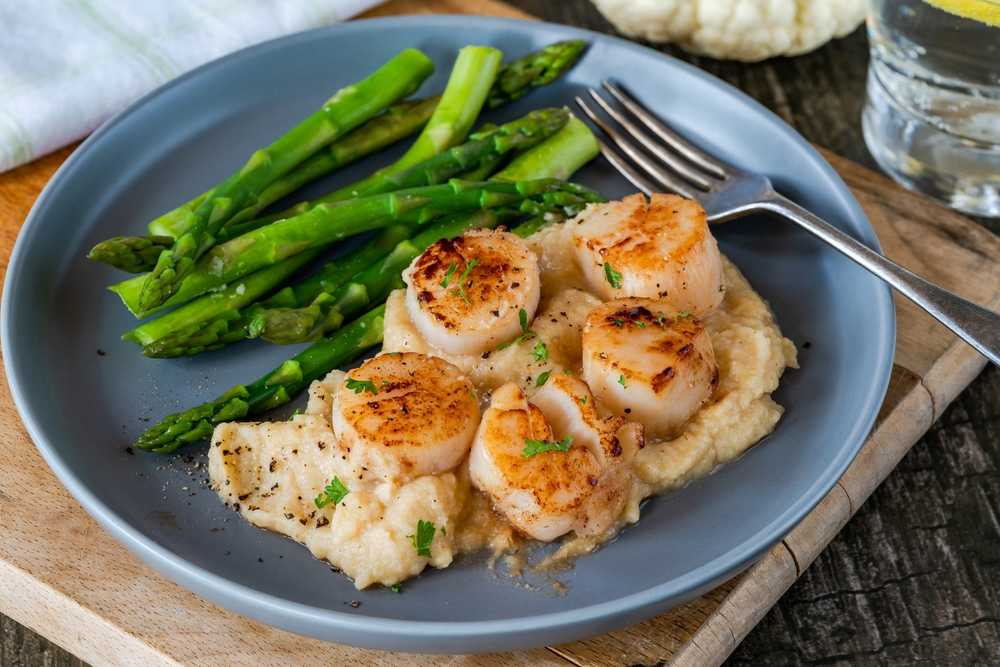
Just as a successful business strategy requires a mix of stable core assets and high-growth opportunities, a scallop dish requires a foundation of complementary elements. Scallops have a natural, subtle sweetness and a tender, buttery texture. When pairing ingredients, the goal is to enhance these qualities without diluting the primary investment.
The Principle of Asset Allocation
If the scallop is your primary capital, your side ingredients represent your diversified assets. You need a mix of profiles:
- Acidity (The Hedging Strategy): Scallops are inherently rich. A touch of citrus or a sharp vinegar-based gastrique acts as a hedge against the heaviness, providing the necessary contrast to cut through the richness.
- Textural Contrast (Risk Management): Serving a soft protein with soft accompaniments leads to a flat experience. You must introduce crunch—whether through micro-greens, toasted nuts, or crispy pancetta—to manage the “risk” of a monotonous palate.
- Savory Depth (The Yield): Umami-rich elements like bacon, brown butter, or miso act as multipliers, elevating the naturally mild profile of the scallop to a more robust, flavorful return.
Strategic Pairing: Classic Portfolio Combinations
In the world of high-end dining, certain pairings have stood the test of time because they function like blue-chip stocks: they are reliable, high-performing, and widely respected for their ability to deliver consistent results.
The Bacon and Scallop Synergy
The pairing of scallops and pork belly or crispy bacon is the culinary equivalent of a value-growth hybrid strategy. The saltiness and smokiness of the pork provide the savory foundation, while the scallop provides the delicate elegance. When executing this pairing, focus on the ratio. Much like diversifying, you do not want one asset to cannibalize the other. The bacon should be a supporting player—a condiment or a garnish—rather than the primary volume of the plate.
Citrus and Herb Infusions
Citrus is the liquid asset of the kitchen. A lemon-beurre blanc or a grapefruit segments garnish provides the necessary acidity to stimulate the palate. Herbs, specifically chives, tarragon, or micro-cilantro, function as the “dividends.” They provide fresh, bright notes that do not add weight to the dish, keeping the scallop’s texture the focal point of the investment.
Advanced Portfolio Diversification: Modern Garnishes

As market trends evolve, so too do culinary expectations. Moving beyond traditional bacon and lemon, modern gastronomy looks toward unique ingredient combinations that leverage seasonal trends and global flavors to increase the overall value of the dish.
The Role of Earthy Foundations
Purees provide a stable, long-term base for the scallop. Parsnip, cauliflower, or sweet pea purees act as the “fixed income” component of the dish—reliable, comforting, and providing a velvet-like texture that complements the sear of the scallop. When using these, ensure they are passed through a fine-mesh sieve (a process akin to clearing bad debt) to ensure the texture is refined and luxurious.
Incorporating Global Derivatives
To stay relevant in a competitive culinary market, one must look toward international influences. Consider the following:
- Miso Glazes: The fermentation profile of white miso provides an umami-packed, sophisticated depth that pairs exceptionally well with the natural sweetness of U-10 scallops.
- Chorizo Oil: A high-volatility, high-reward pairing. The spice of the paprika-heavy oil provides a sharp, colorful contrast that visually and gustatorily commands attention.
- Fennel and Apple: A crisp, aromatic pairing. The anise flavor of fennel paired with the crunch of thinly shaved Granny Smith apples provides a clean, modern finish that works well in lighter, spring-forward menus.
Managing the Execution: Operational Excellence
Even the best-laid strategy fails without proper execution. In the culinary world, as in finance, the “cost of goods sold” is irrelevant if the final delivery is flawed. The sear—the physical manifestation of your investment—must be impeccable.
The Importance of Capitalizing on the Sear
A scallop must be seared at high heat. If the pan is not hot enough, you suffer from “slippage”—the scallop steams in its own juices rather than caramelizing. This is a failure to capitalize on the Maillard reaction. Ensure the scallop is dry before it hits the pan; moisture is the enemy of the perfect crust.
Presentation and Scalability
How the dish is presented is its market valuation. A beautifully seared scallop plated on a smear of vibrant pea puree, topped with a delicate herb garnish and a drizzle of chili-infused oil, tells a story of intentionality. In a professional kitchen, this must be scalable. Every plate must replicate the success of the first. This requires standardizing your prep—the puree consistency, the micro-green selection, and the precise timing of the sear.
Final Analysis: Building a Sustainable Menu
To consistently deliver excellence, one must treat menu planning as a continuous process of refinement. The question of “what goes best with scallops” is rarely answered by a single ingredient, but rather by the harmony of the entire composition.
If you are building a menu, consider the scallop’s position relative to the rest of the course list. Is this an appetizer or a main? If it is an appetizer, keep the pairings lighter to ensure the guest is prepared for the main course. If it is a main, feel free to introduce more substantial “assets” like a warm salad of wild mushrooms or a risotto base.
Ultimately, the goal is to achieve a balanced return. When you respect the ingredient’s natural qualities, manage the interplay between fat, acid, and texture, and execute with disciplined technique, the result is more than just a meal—it is a successful venture in culinary value. By applying this professional framework to your kitchen, you transform simple cooking into an optimized, high-value experience that consistently satisfies the most discerning palates. Whether you are scaling a professional operation or managing your home dining strategy, the principles remain the same: allocate your ingredients wisely, manage your textures, and ensure the final delivery reflects the precision and care put into the preparation.
aViewFromTheCave is a participant in the Amazon Services LLC Associates Program, an affiliate advertising program designed to provide a means for sites to earn advertising fees by advertising and linking to Amazon.com. Amazon, the Amazon logo, AmazonSupply, and the AmazonSupply logo are trademarks of Amazon.com, Inc. or its affiliates. As an Amazon Associate we earn affiliate commissions from qualifying purchases.