
In the vast and aromatic landscape of personal fragrance, perfumes and body sprays stand as two distinct product categories, each with its own brand identity, market positioning, and consumer appeal. While both aim to impart a pleasant scent, understanding their fundamental differences goes beyond mere olfaction; it delves into concentration, longevity, branding strategies, target demographics, and the very value proposition each offers to the consumer. For businesses in the fragrance industry, discerning these nuances is crucial for effective product development, marketing, and brand differentiation in a highly competitive market.
The Essence of Concentration and Longevity: A Core Differentiator
The most significant technical distinction that underpins the branding of perfumes and body sprays lies in their concentration of fragrance oils and, consequently, their lasting power. This chemical composition directly dictates how a brand can position its product, communicate its value, and define its use case.

Perfume: The Pinnacle of Fragrance Artistry
Perfumes, specifically those labeled “Parfum” or “Extrait de Parfum,” represent the highest concentration of fragrance oils, typically ranging from 20% to 40% (though “Eau de Parfum” often has 15-20% and “Eau de Toilette” 5-15%). This high concentration translates into a complex, multi-layered scent profile designed to evolve over several hours on the skin. The intricate blend of top, middle, and base notes creates a sophisticated olfactory journey, allowing for a deep expression of a brand’s creative vision.
For brands, this high concentration allows for positioning perfumes as luxury items, often associated with artistry, exclusivity, and a premium experience. The longevity of the scent – typically lasting 6-8 hours or more – is a key selling point, communicating value through enduring presence and the need for only a minimal application. This positions perfume as an investment in a personal signature, a statement rather than a fleeting refresh. The meticulous development process, from selecting rare ingredients to crafting unique accords, further justifies a higher price point and reinforces the brand’s commitment to quality and craftsmanship.
Body Spray: Everyday Accessibility and Freshness
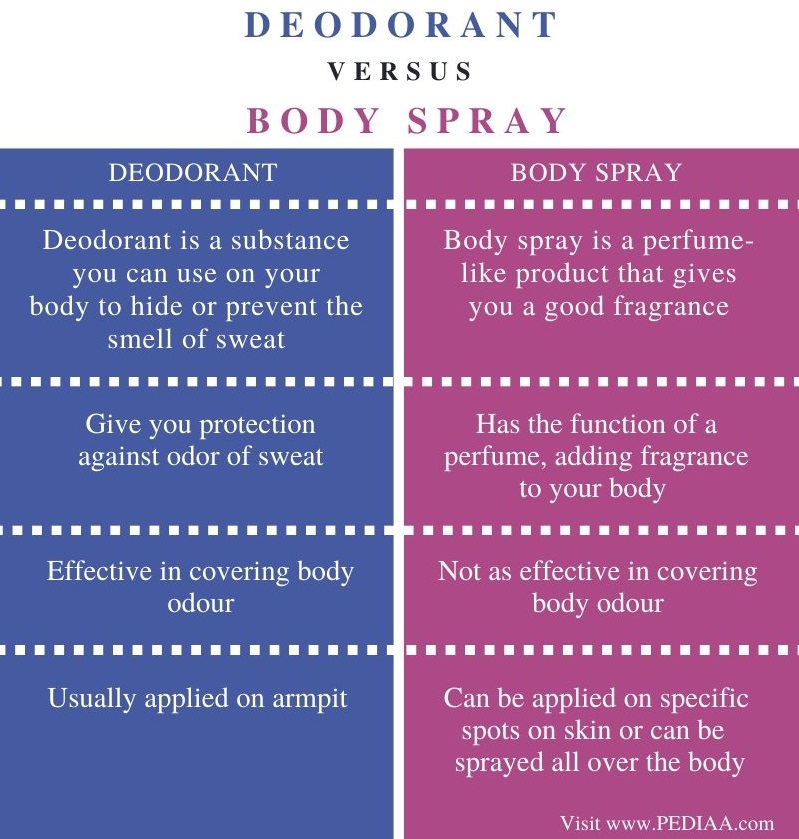
Body sprays, by contrast, contain a much lower concentration of fragrance oils, typically between 1% and 3%, diluted primarily in water or alcohol. Their lighter formulation is designed for a broader, more liberal application across the body. The scent profile is often simpler, more direct, and less complex than that of a perfume, focusing on immediate impact and a burst of freshness.
The branding of body sprays hinges on accessibility, immediacy, and convenience. They are positioned as an everyday staple for a quick refresh, especially after activities like showering or exercising. The lower concentration means the scent generally lasts only 1-2 hours, necessitating reapplication throughout the day. This characteristic isn’t a flaw but a deliberate design choice that aligns with their brand promise of frequent, light refreshment. Their relatively short duration and straightforward scent profiles make them ideal for a younger demographic or those seeking an unpretentious, functional fragrance experience without the commitment of a heavy, long-lasting perfume.
Brand Positioning and Target Demographics
The differing concentrations and longevities directly inform the distinct brand positioning and target demographics for perfumes and body sprays. Businesses carefully craft their messaging, design, and distribution channels to align with these strategies.
Luxury, Exclusivity, and Aspirational Branding for Perfumes
Perfume brands often cultivate an aura of luxury, sophistication, and exclusivity. Their marketing campaigns frequently feature high-fashion models, renowned artists, or aspirational lifestyles, connecting the fragrance to elegance, status, and self-expression. The brand narrative often emphasizes heritage, craftsmanship, unique ingredients, and the emotional connection a scent can evoke. Packaging is meticulously designed, often resembling works of art, using high-quality glass, intricate caps, and elegant typography to reinforce the premium nature of the product.
This positioning targets consumers who view fragrance as an extension of their personal identity and style, willing to invest in a product that signifies quality, prestige, and a distinctive presence. Perfumes are often sold in specialized boutiques, high-end department stores, or directly through brand flagship stores, environments that enhance the luxury shopping experience and reinforce brand value. The focus is on creating a signature scent that becomes synonymous with the individual, a powerful tool for personal branding.
Mass Market Appeal and Lifestyle Integration for Body Sprays
Body spray brands, on the other hand, typically aim for broad mass-market appeal. Their branding emphasizes freshness, energy, and everyday practicality. Marketing often depicts active, youthful individuals in casual settings, linking the product to daily routines, confidence, and feeling good throughout the day. The focus is less on a singular “signature” scent and more on a variety of scents catering to different moods, occasions, or personal preferences, encouraging consumers to own multiple options.
Packaging is often functional, durable, and brightly colored, reflecting the product’s energetic and accessible nature. Body sprays are widely distributed through drugstores, supermarkets, and mass retailers, making them readily available and easy to purchase on impulse. The target demographic is typically younger consumers, busy individuals, or those who prefer a more subtle and less committal fragrance option. Brands often leverage celebrity endorsements or social media influencers who embody an approachable, relatable lifestyle, further cementing the product’s place in everyday culture.
Marketing Strategies and Packaging Design
The divergent brand strategies for perfumes and body sprays are vividly expressed through their marketing campaigns and packaging design, critical elements for consumer engagement and brand recall.
Crafting Desire: The Perfume Narrative
Perfume marketing is inherently storytelling. Brands create elaborate narratives around their fragrances, often drawing inspiration from art, nature, romance, or historical figures. Advertising campaigns are highly stylized, utilizing cinematic visuals, abstract concepts, and evocative music to convey emotion and an aspirational lifestyle. The focus is on the experience of wearing the scent – how it makes one feel, the memories it evokes, or the impression it leaves. Limited editions, collaborations with designers, and exclusive launch events are common tactics to maintain exclusivity and hype.
Packaging is an integral part of the perfume’s brand identity. Bottles are often sculptural, crafted from heavy glass with intricate details, reflecting the preciousness of the liquid within. The unboxing experience is designed to be luxurious, with high-quality boxes, ribbons, and inserts that contribute to the overall premium perception. This meticulous attention to design ensures that the physical product itself becomes a symbol of the brand’s values, enhancing its shelf appeal and perceived value long before the scent is even experienced.
Practicality and Volume: Body Spray Messaging
Body spray marketing is typically more direct and functional, emphasizing the immediate benefits of freshness, confidence, and versatility. Campaigns often feature dynamic scenarios, such as post-gym refreshment, getting ready for a casual outing, or simply enhancing daily comfort. The messaging prioritizes practical advantages like “all-day freshness,” “quick confidence boost,” or “light and airy scent,” directly addressing consumer needs for convenience and everyday efficacy. Promotions often include multi-buy offers or bundles, encouraging regular use and stock-up purchases.
Packaging for body sprays is generally pragmatic, designed for ease of use and durability. Cans are often lightweight, ergonomic, and feature simple, bold graphics that are easily recognizable on a crowded shelf. The emphasis is on functionality – a reliable spray mechanism, a comfortable grip, and a design that is practical for daily handling and travel. While visual appeal is important, it serves to communicate the product’s energetic and accessible nature rather than an abstract artistic vision. The larger volume sizes commonly offered also align with their positioning as an item for frequent and generous application.
Usage Occasions and Consumer Perception
The different brand identities and marketing efforts naturally lead to distinct perceptions of when and how to use each product, shaping consumer behavior and expectations.
The Signature Scent: Personal Branding Through Perfume
Perfumes are often perceived as a deliberate choice for specific occasions – formal events, romantic evenings, or professional settings where a lasting, distinctive impression is desired. Consumers often cultivate a “signature scent” that they associate with their personal brand, using it to define their presence and leave a memorable trail. The act of applying perfume is often ritualistic, a finishing touch to an ensemble, signifying readiness and intention. The longevity of perfume means it’s applied strategically, often to pulse points, to allow the scent to unfold gracefully throughout the day or evening.
The perception is that perfume conveys sophistication and attention to detail. Wearing a high-quality perfume can boost confidence and contribute to how one is perceived by others, reflecting good taste and an investment in one’s personal image. For brands, this means fostering loyalty by creating fragrances that resonate deeply with individual preferences and aspirations, turning customers into advocates who identify strongly with their chosen scent.
Functional Freshness: Body Spray in Daily Routines
Body sprays are integrated into daily routines as a quick, easy, and often spontaneous way to feel refreshed and clean. They are commonly used post-shower, before heading out for casual activities, or as a mid-day pick-me-up. Their light nature makes them suitable for everyday wear, preventing the scent from being overpowering in casual or close-quarter environments. The perception is one of ease and convenience; they are not meant to make a grand statement but rather to enhance comfort and provide a pleasant aura.
Consumers view body sprays as a flexible and versatile option, often layering them with other scented products or using them as a lighter alternative to perfume. Their affordability encourages experimentation with different scents and a more liberal application. For brands, this means emphasizing the everyday applicability, the range of available scents to suit different moods, and the value of feeling refreshed throughout a busy day. They cater to a desire for immediate gratification and functional benefits rather than a deep, long-term olfactory journey.
Price Point and Value Proposition
Ultimately, the pricing strategies for perfumes and body sprays reflect their distinct value propositions and target markets, reinforcing their respective brand positions.
Investment in Identity: The Perfume Premium
Perfumes command a premium price due to their high concentration of expensive fragrance oils, the intricate development process, the artistic packaging, and the extensive marketing campaigns designed to cultivate a luxury image. The value proposition here is not just the scent itself, but the entire experience: the prestige, the longevity, the craftsmanship, and the emotional connection. Consumers are paying for a luxury item, an investment in a distinctive personal identity, and a product designed to last and make a profound impression. Brands communicate this value by highlighting heritage, exclusivity, the master perfumer’s expertise, and the use of rare or sustainable ingredients. This premium pricing model supports the brand’s perception as a high-end, aspirational choice.
Affordable Refreshment: Body Spray’s Economic Appeal
Body sprays are significantly more affordable than perfumes, a key component of their mass-market strategy. Their lower fragrance oil concentration, simpler formulations, and more utilitarian packaging allow for lower production costs. The value proposition is centered around accessibility, convenience, and functional freshness at an economic price point. Consumers can purchase multiple body sprays for the price of a single perfume, allowing for variety and liberal use without financial strain. Brands emphasize this affordability and versatility, positioning body sprays as an everyday necessity that offers immediate gratification and a tangible benefit without a significant investment. This pricing strategy supports high sales volumes and broad market penetration, making the brand accessible to a wider demographic.
In conclusion, while both perfumes and body sprays exist within the personal fragrance market, their differences are profound, extending from their chemical composition to their strategic branding, marketing, and the distinct value they offer to diverse consumer segments. Recognizing these distinctions is not merely an exercise in product classification but a fundamental aspect of effective brand management and market engagement within the beauty industry.
aViewFromTheCave is a participant in the Amazon Services LLC Associates Program, an affiliate advertising program designed to provide a means for sites to earn advertising fees by advertising and linking to Amazon.com. Amazon, the Amazon logo, AmazonSupply, and the AmazonSupply logo are trademarks of Amazon.com, Inc. or its affiliates. As an Amazon Associate we earn affiliate commissions from qualifying purchases.