
In an increasingly interconnected world, where remote teams span continents and digital services operate 24/7, understanding time zones is more than just an academic exercise – it’s a critical component of operational efficiency and user satisfaction in the tech industry. While the raw difference between Mountain Time (MT) and Pacific Time (PT) is a simple hour, the ripple effects across software development, data management, customer support, and strategic planning can be significant. This article delves into the specifics of MT and PT, and more importantly, explores why this seemingly small distinction holds substantial weight in the complex ecosystem of technology.

The Geographic Foundation: A Quick Refresher on Mountain vs. Pacific Time
Before diving into the technological implications, it’s essential to grasp the fundamental geographical and chronological distinctions between these two prominent North American time zones. While they often coexist within the same country (the United States and Canada), their precise definitions and the resulting time offset are crucial starting points.
Defining Mountain Time (MT)
Mountain Time (MT) is a time zone observed in parts of North America. During standard time, it is referred to as Mountain Standard Time (MST) and is 7 hours behind Coordinated Universal Time (UTC-7). During daylight saving time, it becomes Mountain Daylight Time (MDT) and is 6 hours behind Coordinated Universal Time (UTC-6).
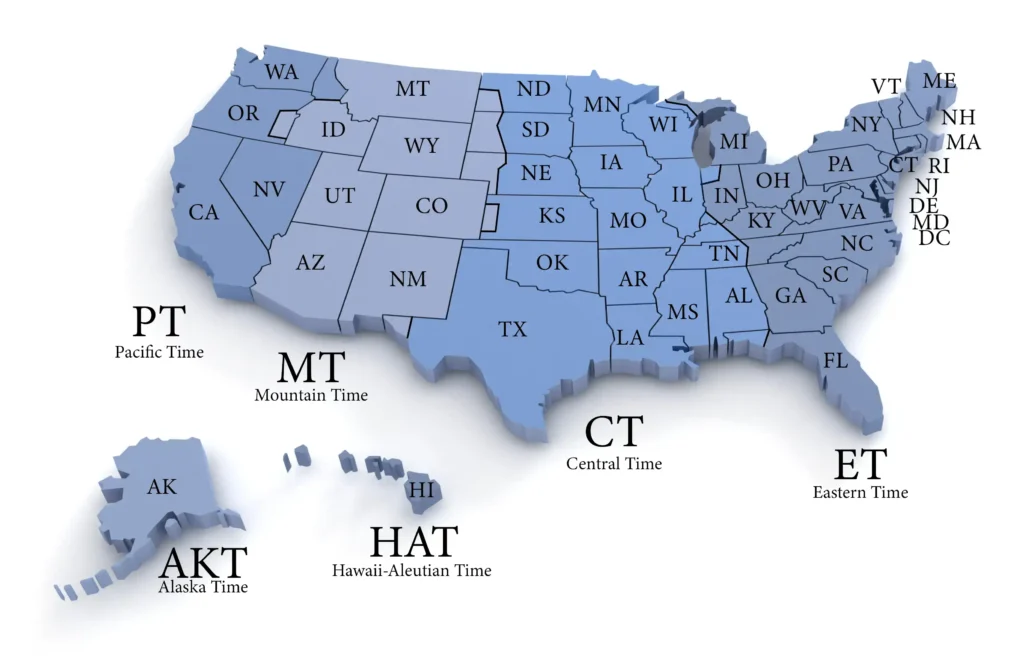
Geographically, Mountain Time encompasses a significant portion of the western United States and Canada. Key states and provinces observing MT include:
-
United States: Arizona (mostly does not observe DST), Colorado, Idaho (southern part), Montana, New Mexico, Utah, Wyoming, and parts of North Dakota, South Dakota, Nebraska, Kansas, and Texas.
-
Canada: Alberta, parts of British Columbia, Northwest Territories, and Saskatchewan (most does not observe DST).
The defining characteristic is its position one hour ahead of Pacific Time and one hour behind Central Time.
Defining Pacific Time (PT)
Pacific Time (PT) is the westernmost time zone in the contiguous United States and Canada. During standard time, it is known as Pacific Standard Time (PST) and is 8 hours behind Coordinated Universal Time (UTC-8). When daylight saving time is in effect, it shifts to Pacific Daylight Time (PDT) and is 7 hours behind Coordinated Universal Time (UTC-7).
The regions observing Pacific Time are primarily along the west coast of North America:
-
United States: California, Oregon, Washington, Nevada, and the northern panhandle of Idaho.
-
Canada: Most of British Columbia and Yukon.
-
Mexico: Baja California.
Pacific Time is often considered a hub for the global tech industry, given the concentration of Silicon Valley companies and major tech hubs in California, Oregon, and Washington.
The Crucial Hour Difference
The core difference between Mountain Time and Pacific Time is precisely one hour. Mountain Time is consistently one hour ahead of Pacific Time.
-
When it is 10:00 AM PST, it is 11:00 AM MST.
-
When it is 3:00 PM PDT, it is 4:00 PM MDT.
This seemingly minor difference, when compounded across distributed teams, global operations, and time-sensitive digital processes, can lead to significant challenges and require robust technological solutions for effective management.
Tech’s Time Zone Challenge: Why an Hour Matters in the Digital Realm
In the fast-paced world of technology, even a single hour can have profound implications. From coordinating development sprints to ensuring data integrity, the difference between Mountain and Pacific Time presents specific challenges that tech companies must actively address.
Synchronizing Global Teams and Remote Work
The rise of remote work and globally distributed teams means that developers, product managers, designers, and support staff often operate across multiple time zones. For companies with a footprint spanning both MT and PT regions (e.g., a headquarters in California and a satellite office in Utah or a remote developer in Colorado), that one-hour difference impacts daily operations:
-
Meeting Scheduling: Finding optimal overlap for live meetings becomes a delicate balance. A 9 AM PST meeting is 10 AM MST, which might still be acceptable, but pushing it earlier or later can quickly eat into personal time or create unproductive gaps.
-
Real-time Collaboration: For pair programming, collaborative document editing, or quick decision-making, direct real-time interaction is crucial. A single hour can reduce the effective “overlap window” for synchronous work.
-
Handover Processes: For follow-the-sun development or support models, precise handover of tasks, incidents, or projects from one team to another requires meticulous timing, where a one-hour miscalculation can lead to delays or missed deadlines.
Data Integrity and System Timestamps

In the backend of tech operations, time zones are far from trivial. Accurate timekeeping is fundamental for data integrity, logging, and audit trails.
-
Database Timestamps: When data is entered into a database, the timestamp attached to it is critical for tracking changes, resolving conflicts, and maintaining an accurate historical record. If client applications or servers are not correctly configured for their respective time zones, or if all timestamps aren’t normalized to a universal standard, data can appear out of sequence or even corrupted. A log entry from a server in MT might appear an hour “later” than an event it corresponds to in PT, making debugging a nightmare.
-
Event Sequencing: In complex distributed systems, microservices, or financial transaction platforms, the precise order of events is paramount. Incorrect time zone handling can lead to erroneous event sequencing, potentially causing system failures, data inconsistencies, or even legal issues in regulated industries.
-
Data Analysis and Reporting: Business intelligence tools and analytics platforms rely heavily on accurate timestamps. If data from different regions is collected with inconsistent time zone handling, reports on user activity, transaction volumes, or system performance can be skewed, leading to flawed business decisions.
User Experience and Application Scheduling
For customer-facing applications and services, time zone awareness directly impacts user experience and functionality.
-
Scheduled Notifications and Reminders: An app designed to send a reminder at “9 AM local time” must correctly identify the user’s time zone. If a user in Pacific Time receives a notification meant for Mountain Time, it will be an hour off, leading to frustration or missed events.
-
Appointment Booking Systems: Online booking platforms (for healthcare, services, or travel) must accurately convert times between the service provider’s time zone and the user’s time zone. A miscalculation can result in double bookings, missed appointments, and a poor user experience.
-
Content Release and Event Timings: For global product launches, livestreamed events, or timed content releases, communicating the correct time to users across different zones is vital. Stating “launch at 10 AM PST” is clear for PT users but requires MT users to mentally add an hour, or the application itself must display the local time correctly.
Tools and Strategies for Seamless Cross-Time Zone Operations
To mitigate the challenges posed by time zone differences, the tech industry has developed and adopted various tools, protocols, and best practices. These strategies aim to standardize time, automate conversions, and facilitate clear communication, effectively bridging the one-hour gap between Mountain and Pacific Time, and beyond.
Leveraging Time Zone Converters and Schedulers
One of the most immediate and practical solutions for managing time zone differences is the use of dedicated tools designed for conversion and scheduling.
-
Online Time Converters: Websites and browser extensions offer quick conversions between any two time zones, allowing individuals to quickly see “what time it is there.”
-
Meeting Scheduling Apps: Tools like Calendly, Doodle, or integrated calendar features in Google Calendar and Outlook allow users to propose meeting times in their local zone, and the invitation automatically displays the correct time for recipients in their respective time zones. This eliminates manual calculation errors and streamlines the process of finding mutually agreeable times.
-
World Clocks and Time Trackers: Many operating systems and dedicated apps provide “world clock” features, allowing users to display clocks for multiple time zones simultaneously, offering at-a-glance awareness of colleagues’ local times.
Standardizing on UTC for Backend Operations
For backend systems, databases, and internal APIs, the most robust strategy for managing time is to standardize on Coordinated Universal Time (UTC).
-
The Universal Reference: UTC is the primary time standard by which the world regulates clocks and time. It is essentially the successor to Greenwich Mean Time (GMT) and provides a single, unambiguous reference point, unaffected by daylight saving adjustments or regional variations.
-
Database Storage: All timestamps in databases should ideally be stored in UTC. This ensures consistency regardless of where the data originated or which server processed it. When data needs to be displayed to a user, it can then be converted from UTC to the user’s local time zone on the frontend.
-
API Communication: When different services or microservices communicate, exchanging timestamps in UTC prevents misinterpretations. Each service can then convert the UTC timestamp to its local operational time if needed, but the underlying data remains universally consistent. This approach greatly simplifies debugging, data reconciliation, and avoids “off-by-one” hour errors.
Best Practices for Remote Collaboration Platforms
Modern collaboration platforms are indispensable for distributed teams, and many incorporate features specifically designed to handle time zone complexities.
-
Time Zone Aware Profiles: Platforms like Slack, Microsoft Teams, and Zoom often allow users to set their local time zone in their profile. This enables other users to see their colleagues’ current local time, facilitating informed decisions about when to message or schedule calls.
-
Meeting Invites with Local Times: When scheduling meetings within these platforms, the invitation should automatically display the meeting time in the recipient’s local time zone, reducing confusion and the need for manual conversion.
-
Asynchronous Communication: Encouraging asynchronous communication (e.g., detailed messages, shared documents, project management tools) reduces the reliance on real-time overlap, making the one-hour difference less impactful for certain types of work. This allows team members in MT and PT to contribute when it’s most convenient for them within their respective working hours.
Beyond the Clock: The Strategic Implications for Tech Businesses
The difference between Mountain and Pacific Time isn’t just a logistical hurdle; it has strategic implications that can affect a tech company’s market reach, operational security, and resource allocation. Understanding and actively managing these time disparities can provide a competitive edge.
Market Reach and Service Delivery
For tech companies offering products or services globally, or even just across the US, time zone management directly influences market penetration and service quality.
-
Customer Support Windows: Companies headquartered in PT but serving MT customers (or vice-versa) must strategically staff their support teams. An 8 AM – 5 PM PT support window means 9 AM – 6 PM MT. This might leave an hour gap at the beginning or end of the workday for some users, or necessitate extended hours.
-
Product Launches and Updates: Coordinated product launches or system updates need to consider the impact across all target time zones. A major software update pushed at 2 AM PT might hit MT users at 3 AM, potentially affecting early morning operations or user experience during critical hours.
-
Localized Content and Campaigns: Marketing campaigns, promotions, and content releases often need to be timed for maximum impact in specific regions. Understanding the MT/PT difference ensures that promotional emails land at an opportune hour for all target audiences.
Cybersecurity and Incident Response
In the realm of digital security, every second counts. Time zone differences can significantly complicate incident response and threat detection.
-
Security Operations Centers (SOCs): A global SOC often operates on a follow-the-sun model, passing incidents from one region to another. A one-hour discrepancy between MT and PT operations, if not meticulously managed, could delay the detection or response to a critical cyber threat.
-
Log Correlation: As mentioned with data integrity, correlating security logs from systems spanning MT and PT requires precise time synchronization to accurately reconstruct attack timelines and identify anomalous behavior.
-
Vulnerability Patching: Rolling out critical security patches often involves downtime. Scheduling this to minimize impact across both MT and PT user bases requires careful planning to avoid patching during peak usage hours in either zone.
Optimizing Resource Allocation and Support Windows
Strategic management of time zones allows tech companies to optimize their resource allocation, ensuring efficient use of personnel and infrastructure.
-
Follow-the-Sun Development/Support: By strategically distributing teams across time zones (e.g., development teams in PT and QA in MT, or primary support in PT and secondary support in MT), companies can achieve near 24-hour operational coverage without requiring individuals to work extreme hours. The one-hour offset between MT and PT is a key element in designing these overlaps.
-
Infrastructure Management: Scheduling maintenance windows for servers and infrastructure often requires downtime. By understanding peak usage hours in different time zones, IT operations teams can schedule these activities during periods of lowest impact, for example, performing maintenance that impacts PT users after their workday ends, which might be in the early hours for MT users, and vice-versa.
-
Talent Acquisition: The ability to effectively manage time zone differences opens up a wider talent pool. Companies are no longer restricted to hiring exclusively within their local time zone, allowing them to recruit top talent from MT, PT, or any other zone, provided they have the systems and culture to support distributed work.
Conclusion
The difference between Mountain Time and Pacific Time, a mere 60 minutes, expands into a complex tapestry of considerations for the tech industry. From the foundational challenge of synchronizing geographically dispersed teams to the intricate details of data integrity, user experience, and strategic business operations, understanding and effectively managing this time disparity is paramount. By leveraging smart tools, adhering to universal standards like UTC, and adopting best practices for collaboration and communication, tech companies can not only bridge this temporal gap but also transform it into an advantage, fostering greater efficiency, resilience, and global reach in the digital age. In a world defined by speed and connectivity, mastering the clock is fundamental to mastering technology itself.
aViewFromTheCave is a participant in the Amazon Services LLC Associates Program, an affiliate advertising program designed to provide a means for sites to earn advertising fees by advertising and linking to Amazon.com. Amazon, the Amazon logo, AmazonSupply, and the AmazonSupply logo are trademarks of Amazon.com, Inc. or its affiliates. As an Amazon Associate we earn affiliate commissions from qualifying purchases.