
In the high-stakes world of pharmaceutical markets, few comparisons are as financially significant as the one between Lyrica (pregabalin) and Gabapentin. While medical professionals view these two compounds through the lens of neurobiology and pain management, the healthcare industry views them as a case study in market positioning, patent lifecycles, and the massive shift from branded exclusivity to generic commoditization. Understanding the difference between Lyrica and Gabapentin is not merely a clinical exercise; it is an exploration of how billions of dollars are moved within the global healthcare economy.
For the personal finance enthusiast, the corporate strategist, or the healthcare investor, the story of these two drugs reveals the mechanisms of the “patent cliff” and the profound impact that branding and insurance tiering have on the consumer’s wallet.
Market Positioning and the Evolution of the Patent Cliff
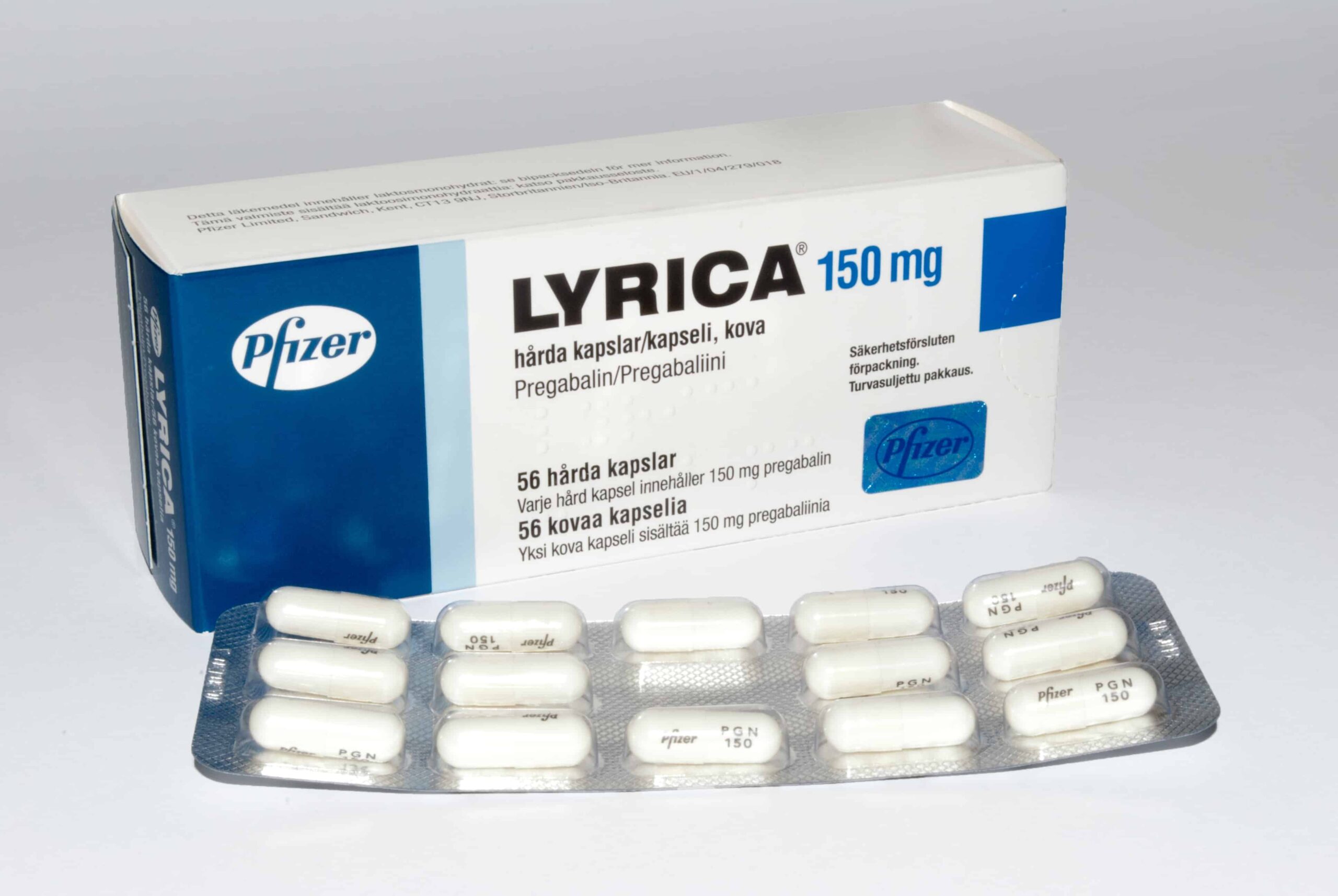
The financial trajectory of a drug is dictated by its patent status. Gabapentin, originally brought to market by Parke-Davis (now a subsidiary of Pfizer) under the brand name Neurontin, paved the regulatory way for the class of drugs known as gabapentinoids. However, its story is primarily one of generic dominance. Lyrica, Pfizer’s follow-up blockbuster, represents the pinnacle of branded pharmaceutical marketing and profit maximization.
The Rise and Fall of Lyrica’s Premium Pricing
Lyrica was designed to be the “successor” to Gabapentin, offering a more predictable pharmacokinetic profile that allowed for lower dosages and more efficient absorption. From a business perspective, this was a masterstroke. By securing a later patent than Gabapentin, Pfizer was able to market Lyrica as a premium, high-cost alternative for over a decade. At its peak, Lyrica generated upwards of $5 billion in annual global revenue.
The premium pricing was maintained through aggressive marketing and the establishment of “clinical superiority” in the eyes of payers. For years, Lyrica remained on the higher tiers of insurance formularies, requiring significant co-pays from consumers. Its value proposition was built on the idea that the increased cost was justified by the efficiency of the drug, but from a purely financial standpoint, it was a high-margin asset that anchored Pfizer’s portfolio until its patent protection expired in mid-2019.
Gabapentin: The Generic Powerhouse of the Budget Market
In contrast to Lyrica’s high-margin history, Gabapentin serves as the bedrock of the low-cost generic market. Once Neurontin lost its patent protection in 2004, the market was flooded with generic versions, driving the price down by more than 90%. Today, Gabapentin is a commodity. It is one of the most prescribed medications in the United States, largely because its “cost-per-unit” is exceptionally low.
For the healthcare system, Gabapentin represents the efficiency of the generic market. It allows for the treatment of millions of patients at a fraction of the cost of branded alternatives. For the consumer, it is the “Value Option”—a drug that provides similar therapeutic outcomes to Lyrica but at a price point that is often less than the cost of a cup of coffee per month.
Cost-Benefit Analysis for the Modern Consumer
When analyzing the difference between Lyrica and Gabapentin from a financial perspective, one must look at the out-of-pocket costs and how they are manipulated by the insurance industry. The “price” of a drug is rarely the price a consumer pays, and the delta between these two medications highlights the complexities of modern financial planning in healthcare.
Navigating Insurance Formularies and Tiered Pricing
Most private insurance plans, as well as Medicare Part D, utilize “formularies”—lists of covered drugs organized into tiers. Gabapentin almost universally sits on Tier 1 (Preferred Generic), meaning it has the lowest possible co-pay, often $0 to $10.
Lyrica, even in its generic form (pregabalin), often occupies a higher tier or requires “Step Therapy.” Step Therapy is a cost-containment strategy used by insurance companies where a patient must first “fail” on a cheaper medication (usually Gabapentin) before the insurer will agree to pay for the more expensive one (Lyrica/Pregabalin). From a personal finance standpoint, this creates a barrier to entry for the more expensive medication, forcing a market-driven preference for the cheaper alternative.
The True Cost of “Off-Label” Market Expansion
A significant portion of the financial volume for both drugs comes from “off-label” use—prescriptions for conditions not specifically approved by the FDA but recognized by the medical community. This expansion is a massive driver of revenue. Gabapentin’s low cost makes it an attractive “first-line” financial choice for a variety of conditions, whereas Lyrica’s higher cost (even as a generic) necessitates a more rigorous financial justification.
Consumers must also account for the cost of “ancillary expenses.” For example, because Gabapentin is less bioavailable, it often requires higher and more frequent doses, which can lead to more pharmacy visits or higher shipping costs for mail-order prescriptions. While the drug itself is cheap, the management of the regimen carries its own micro-economic weight.

The Business of Bioavailability: Why Formulation Drives Profit
The pharmaceutical industry is constantly seeking ways to extend the “profitability tail” of a drug through new formulations. This is where the financial difference between Lyrica and Gabapentin becomes a story of Research and Development (R&D) and strategic product lifecycle management.
R&D Investments and the Pursuit of Extended Release
As the basic patents for Gabapentin and Lyrica expired, manufacturers sought to create new, proprietary versions that could command higher prices. This led to the creation of drugs like Gralise and Horizant (specialized versions of Gabapentin) and Lyrica CR (controlled release).
These products represent a “re-branding” strategy. By altering the delivery mechanism—such as making the drug once-a-day instead of three times a day—companies can secure new patents. For the investor, these represent “Evergreening” strategies designed to prevent revenue loss to generic competition. For the consumer, these formulations often come with a “Brand Name” price tag that can be 20 to 30 times higher than the standard generic version, despite containing the same active ingredient.
Cannibalizing the Market: Strategic Product Lifecycle Management
When Lyrica’s patent was nearing its end, Pfizer and other stakeholders had to manage the “cannibalization” of their own market. This involves transitioning patients from the older, soon-to-be-generic drug to a newer, patented version.
This transition is a high-stakes financial maneuver. If a company can successfully move 20% of its user base to a new, patented formulation (like an extended-release version) before the generic “cliff” hits, they can preserve billions in shareholder value. This highlights the difference between the two: Gabapentin is a mature, stable asset with little room for further financial engineering, while the Pregabalin (Lyrica) market is still in a state of flux as it settles into its post-patent identity.
Macroeconomic Impact on Healthcare Systems
Beyond the individual consumer, the choice between Lyrica and Gabapentin has massive implications for national healthcare spending. With chronic pain and neurological conditions on the rise, the aggregate spend on these two molecules is a significant line item for government programs like Medicare and Medicaid.
Comparative Effectiveness Research and Value-Based Care
Governments and large institutional payers are increasingly moving toward “Value-Based Care,” where reimbursement is tied to the efficiency of the spend. In this model, Lyrica and Gabapentin are frequently compared via “Comparative Effectiveness Research.”
If the data suggests that Gabapentin provides 90% of the efficacy of Lyrica at 10% of the cost, the “value” of Gabapentin is exponentially higher from a systemic perspective. This leads to policy decisions that favor the cheaper alternative, such as mandatory generic substitution laws. For the companies manufacturing these drugs, this means the window for high-profit branded sales is shrinking, forcing a shift toward high-volume, low-margin generic production.
Global Market Trends in Chronic Pain Management
On a global scale, the market for these drugs is expanding as developing economies gain better access to healthcare. In these markets, the price sensitivity is even more acute. The “Gabapentin vs. Lyrica” debate in emerging markets is almost entirely won by Gabapentin due to its affordability.
However, as generic Pregabalin becomes more widely available and manufacturing processes become more efficient, we are seeing a “price war” in the international generic sector. This competition drives down costs for global health organizations and NGOs, allowing for wider distribution of treatment. The financial “winner” in this scenario is not a single company, but rather the global healthcare infrastructure that benefits from the deflationary pressure of generic competition.
Conclusion: The Financial Verdict
The difference between Lyrica and Gabapentin is a perfect illustration of the lifecycle of a pharmaceutical product. One represents the high-cost, high-reward era of branded innovation, while the other represents the high-volume, low-cost reality of the generic marketplace.
For the consumer and the investor alike, the key takeaway is that the “value” of these drugs is defined by much more than their chemical composition. It is defined by patent law, insurance formularies, and corporate strategy. As we move into an era of increasingly transparent healthcare costs, the financial divide between these two giants will continue to serve as a benchmark for how we value medical innovation versus the necessity of affordable access. Whether you are managing a personal budget or a corporate portfolio, the economics of Lyrica and Gabapentin prove that in the world of medicine, the bottom line is often as important as the biological one.
aViewFromTheCave is a participant in the Amazon Services LLC Associates Program, an affiliate advertising program designed to provide a means for sites to earn advertising fees by advertising and linking to Amazon.com. Amazon, the Amazon logo, AmazonSupply, and the AmazonSupply logo are trademarks of Amazon.com, Inc. or its affiliates. As an Amazon Associate we earn affiliate commissions from qualifying purchases.