
While often conflated, imperialism and colonialism, when viewed through an economic lens, represent distinct yet interconnected strategies for power projection and resource control that have profoundly shaped global financial landscapes. In the context of “Money,” understanding these historical economic phenomena is crucial for grasping the origins of global wealth disparities, market structures, international trade dynamics, and even contemporary business finance challenges. These concepts are not mere relics of the past; their financial legacies continue to influence investment patterns, debt burdens, and economic development strategies worldwide.
This exploration delves into the financial underpinnings that differentiate imperialism from colonialism, examining their distinct approaches to capital accumulation, resource management, market control, and the enduring economic structures they forged. By dissecting their financial mechanisms, we can better appreciate the complex interplay between power, wealth, and global economic order.

The Financial Imperatives of Imperial Expansion
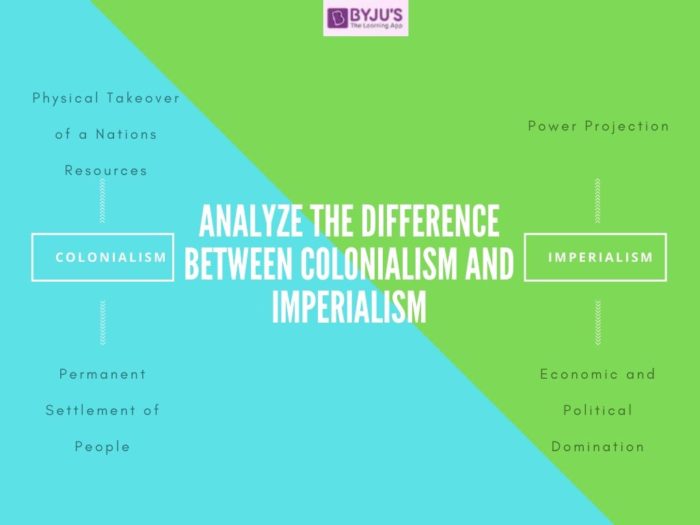
Imperialism, at its core, can be understood as an economic strategy where a dominant power extends its influence and control over other territories or peoples, primarily through indirect means such as political coercion, economic leverage, and military threat, without necessarily establishing direct administrative control or settlement. From a financial perspective, imperialism is driven by the pursuit of new markets, raw materials, and investment opportunities, crucial for the continued growth and prosperity of the imperial core. It’s about maximizing financial returns and bolstering the economic strength of the metropole.
Resource Extraction and Capital Accumulation
The primary financial motivation for imperialist expansion was often the acquisition of vital raw materials. Industrializing nations, particularly during the 19th and early 20th centuries, faced an insatiable demand for resources like rubber, oil, minerals, timber, and agricultural products. Imperialism provided a mechanism to secure these resources at favorable terms, often below market value, by exerting political and economic pressure on the resource-rich regions. This control over supply chains ensured a steady flow of materials for domestic industries, fueling production and reducing input costs.
Furthermore, imperialism facilitated capital accumulation. Surpluses generated by industrial production in the imperial powers sought new avenues for investment where returns were higher than domestically possible. These investments flowed into resource extraction ventures, infrastructure projects (like railways and ports to facilitate resource movement), and nascent industries in the influenced territories. While these investments sometimes led to modernization in the periphery, their ultimate financial purpose was to serve the imperial power’s economic interests, channeling profits back to the core. This financial flow was a one-way street, enriching the imperial power at the expense of the influenced regions. The financial mechanisms included setting up joint-stock companies, securing concessions, and establishing preferential trade agreements that heavily favored the imperial state and its corporations. These ventures often operated with significant state backing, minimizing risks for investors from the imperial core while extracting maximum value from the subordinate economies.
Market Dominance and Trade Control
Another crucial financial aspect of imperialism was the creation and maintenance of captive markets for manufactured goods. As industrial output soared, imperial powers needed outlets for their products to prevent domestic overproduction and price drops. Through treaties, economic pressure, and sometimes force, imperial states ensured that territories under their influence would primarily purchase goods from the imperial core. Tariffs and trade policies were strategically manipulated to favor goods from the imperial nation, often crippling local industries in the process.
This system of market dominance created a financially advantageous feedback loop: imperial powers extracted raw materials cheaply, processed them into manufactured goods, and then sold these goods back to the resource-providing territories at a premium. This trade imbalance was a massive source of wealth transfer, consolidating economic power in the imperial metropole. The financial systems established, including banking, currency exchange, and credit, were all designed to facilitate this one-sided economic relationship. Financial institutions in the imperial core, like London’s financial houses during the British Empire, became global hubs, managing these vast capital flows and extending credit on terms that reinforced the economic hierarchy.
Colonialism as a Direct Economic Enterprise
Colonialism, in contrast to imperialism, involves the direct and extensive political control, occupation, and administration of a territory and its people by a foreign power, often involving significant settlement by citizens of the colonizing country. While sharing many of the overarching financial goals of imperialism, colonialism differs significantly in its operational mechanisms and the depth of its economic penetration. It’s a more hands-on, administrative approach to resource and market control, transforming the entire economic and social fabric of the colonized land to serve the financial interests of the colonizer.
Administration of Dependent Economies
The most striking financial difference in colonialism lies in the direct administrative control exercised over the colonized economy. Colonial powers established elaborate governmental structures, legal systems, and financial institutions designed to manage and extract wealth directly. This often included the imposition of new tax systems, land ownership rules (often dispossessing indigenous populations), and labor policies that guaranteed a cheap and compliant workforce for colonial enterprises.
Financial policies were tailored to integrate the colonial economy as a subordinate appendage to the metropole. This meant developing infrastructure (railways, ports, roads) not for the integrated development of the colony, but to facilitate the export of raw materials and the import of manufactured goods from the colonizing power. Currencies were often pegged to the colonizer’s currency or were directly the colonizer’s currency, further cementing financial dependence and making capital flight easier for the colonial power. Indigenous financial systems were either suppressed or adapted to serve the colonial administration, redirecting local capital and labor towards colonial objectives rather than indigenous development. Banks established in colonies primarily facilitated trade with the metropole and financed colonial ventures, rarely serving the broader economic needs of the local population.

Financial Exploitation and Wealth Transfer
Colonialism was arguably a more intensive form of financial exploitation than imperialism. With direct control, colonizers could more easily commandeer land, introduce monoculture cash crops (e.g., rubber, tea, sugar, cotton) for export, and enforce labor regimes that often bordered on slavery or indentured servitude. The entire economic structure of the colony was often re-engineered to produce specific goods for the colonizer’s market, neglecting food security or diversified local industries.
The wealth generated from these ventures, whether through mining, plantations, or forced labor, was systematically transferred to the colonizing power. This wealth transfer was not merely profits from trade but often represented the outright expropriation of natural resources and human capital. Indigenous populations were often subjected to heavy taxation, which in many cases served primarily to fund the colonial administration itself, rather than provide public services for the colonized. Furthermore, the financial institutions established under colonialism facilitated debt cycles, where colonies were often made to bear the costs of their own conquest and administration through loans extended by the colonial power or its financial institutions. This created a perpetual cycle of indebtedness, further binding the colony financially to the metropole. The financial gains for the colonizer were immense, contributing significantly to their national wealth and industrial development, while simultaneously impoverishing the colonized territories and distorting their economies for generations.
Long-Term Financial Legacies and Modern Economic Disparities
The economic strategies employed during periods of imperialism and colonialism have cast long shadows over the global financial landscape, contributing significantly to the current wealth disparities between nations and shaping the economic trajectories of formerly colonized regions. Understanding these legacies is essential for comprehending contemporary international finance, development economics, and even business risk assessment in emerging markets.
Structural Economic Underdevelopment
A key financial legacy of colonialism, in particular, is the structural economic underdevelopment of many former colonies. The colonial focus on raw material extraction and cash crop production created economies that were highly specialized and dependent on external markets, with little internal diversification or industrial capacity. This “export-oriented, import-dependent” structure left these nations vulnerable to global commodity price fluctuations and reliant on manufactured goods from developed economies.
Financially, this translates to persistent trade imbalances, currency volatility, and a diminished capacity for capital formation and indigenous industrial growth. The lack of investment in diversified industries, human capital development (beyond what was needed for resource extraction), and robust local financial markets during colonial rule meant that newly independent nations started with significant economic handicaps. Their financial systems were often underdeveloped, geared towards foreign trade rather than domestic investment, and lacked the robust regulatory frameworks necessary for sustainable growth. This historical context helps explain why many post-colonial nations continue to struggle with economic diversification, foreign direct investment attraction (beyond natural resources), and building resilient financial sectors.
Debt, Aid, and Neocolonial Financial Dynamics
The financial mechanisms of imperialism and colonialism also set the stage for modern international debt and aid regimes, which some critics term “neocolonial.” Many post-colonial nations inherited economies burdened by foreign debt (often incurred by the colonial administration or in the immediate post-independence period to secure basic infrastructure) and faced structural adjustment programs dictated by international financial institutions. These programs, while ostensibly aimed at economic stabilization, often continued to push for policies that favored export-oriented economies and opened markets to foreign competition, echoing earlier imperial trade patterns.
Furthermore, foreign aid, while necessary for development, can sometimes create new forms of financial dependence. The terms of aid, often tied to specific projects or policy reforms, can influence economic priorities and limit a recipient nation’s financial sovereignty, reminiscent of imperial economic leverage. From a business finance perspective, this history explains challenges in credit ratings, currency stability, and the perception of investment risk in many formerly colonized regions. It also highlights the complexities of operating in markets where historical distortions continue to shape consumer behavior, supply chains, and regulatory environments. Understanding these historical financial dynamics is vital for investors, policymakers, and businesses seeking sustainable engagement in the global economy.
Navigating Historical Financial Contexts for Contemporary Business
For modern businesses, investors, and financial professionals, understanding the economic underpinnings and enduring legacies of imperialism and colonialism is not merely an academic exercise; it’s a pragmatic necessity. This historical financial context profoundly influences current global markets, supply chains, regulatory frameworks, and geopolitical risks.
Firstly, recognizing the origins of wealth disparities and market structures can inform investment strategies. Investors looking at emerging markets, particularly those with a colonial past, must understand the structural weaknesses (e.g., reliance on commodity exports, underdeveloped domestic industries, weak financial institutions) and the opportunities (e.g., potential for diversification, growing middle classes, untapped resources) that arise from this history. Due diligence extends beyond current financial statements to understanding the historical context that shaped a nation’s economic capabilities and vulnerabilities.
Secondly, for businesses engaging in international trade or supply chain management, appreciating the financial exploitation inherent in historical imperial and colonial models can foster more ethical and sustainable practices. Companies must be vigilant against inadvertently replicating exploitative practices, particularly in sourcing raw materials or utilizing labor in regions where historical imbalances persist. This involves ensuring fair pricing, promoting local value addition, investing in local communities, and adhering to robust environmental, social, and governance (ESG) standards, which directly combat the extractive and exploitative financial models of the past.
Finally, for financial policymakers and development institutions, a deep understanding of these historical economic phenomena is critical for designing effective aid, debt relief, and development strategies. Addressing present-day financial challenges in many developing nations requires acknowledging the systemic imbalances created by centuries of external control and wealth transfer. This means fostering financial inclusion, supporting diversified economic growth, strengthening indigenous financial institutions, and promoting equitable international trade agreements that correct historical disadvantages rather than perpetuating them.
In conclusion, while the terms imperialism and colonialism may evoke images of political maps and military conquests, their profound and lasting impact is most evident in the global financial system. By dissecting their economic motivations, operational mechanisms, and enduring legacies, we gain a clearer understanding of how wealth has been accumulated, transferred, and distributed across the world, offering invaluable insights for navigating the complexities of contemporary money, finance, and global business.
aViewFromTheCave is a participant in the Amazon Services LLC Associates Program, an affiliate advertising program designed to provide a means for sites to earn advertising fees by advertising and linking to Amazon.com. Amazon, the Amazon logo, AmazonSupply, and the AmazonSupply logo are trademarks of Amazon.com, Inc. or its affiliates. As an Amazon Associate we earn affiliate commissions from qualifying purchases.