
At first glance, the question “what is the difference between a fiddle and a violin?” appears to inquire about distinct instruments. However, for those within the music world, the answer is often a knowing smile and the adage, “A violin has strings, a bow, and a case. A fiddle has strings, a bow, and a story.” This pithy saying encapsulates a profound truth: the difference lies not in the physical object, but in the brand identity, cultural positioning, and user perception. From a branding perspective, the distinction between a “fiddle” and a “violin” offers a compelling case study in how the same core product can be strategically segmented and marketed to vastly different audiences, cultivating unique associations, values, and experiences.
More Than an Instrument: Understanding Core Identity and Perception
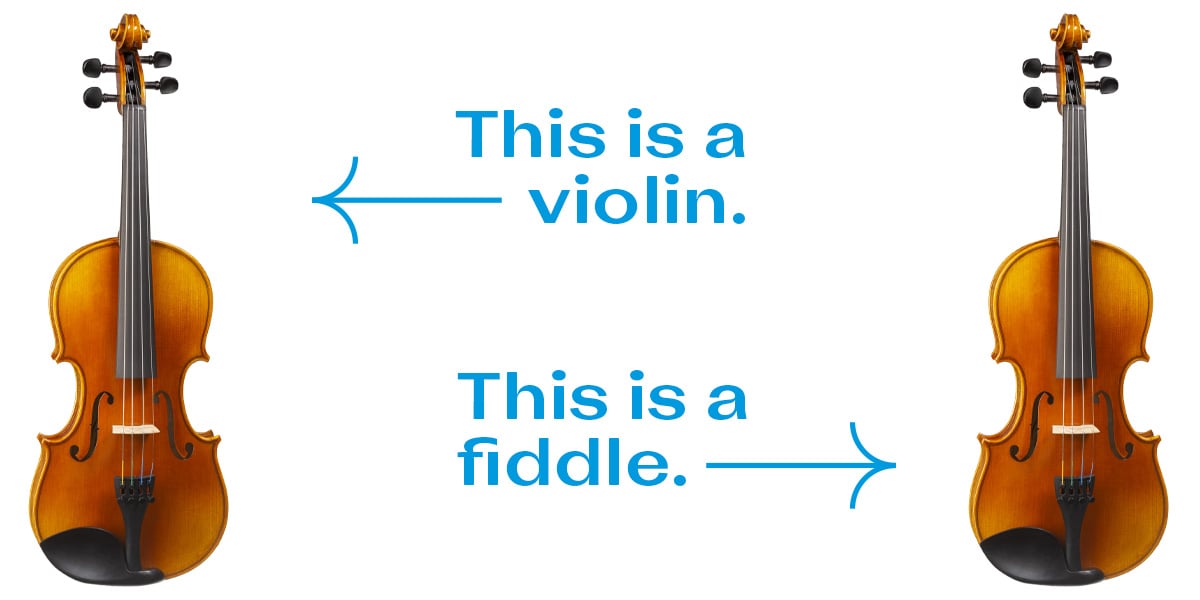
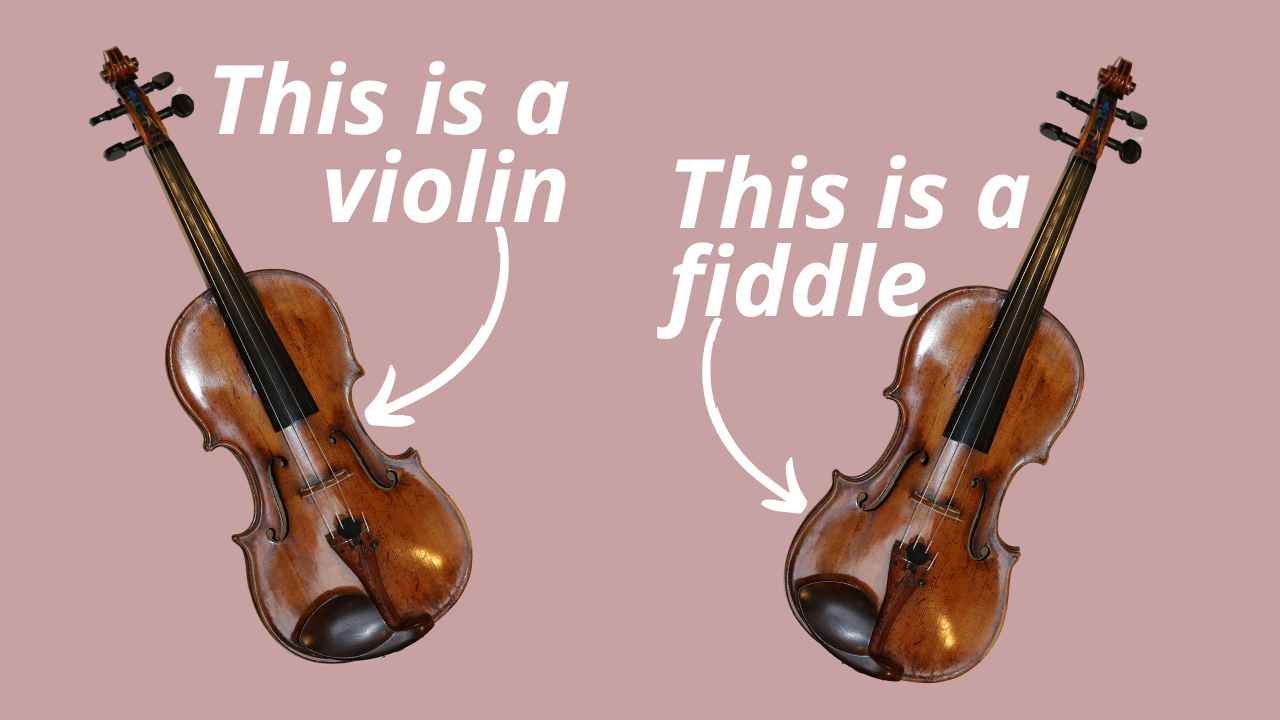
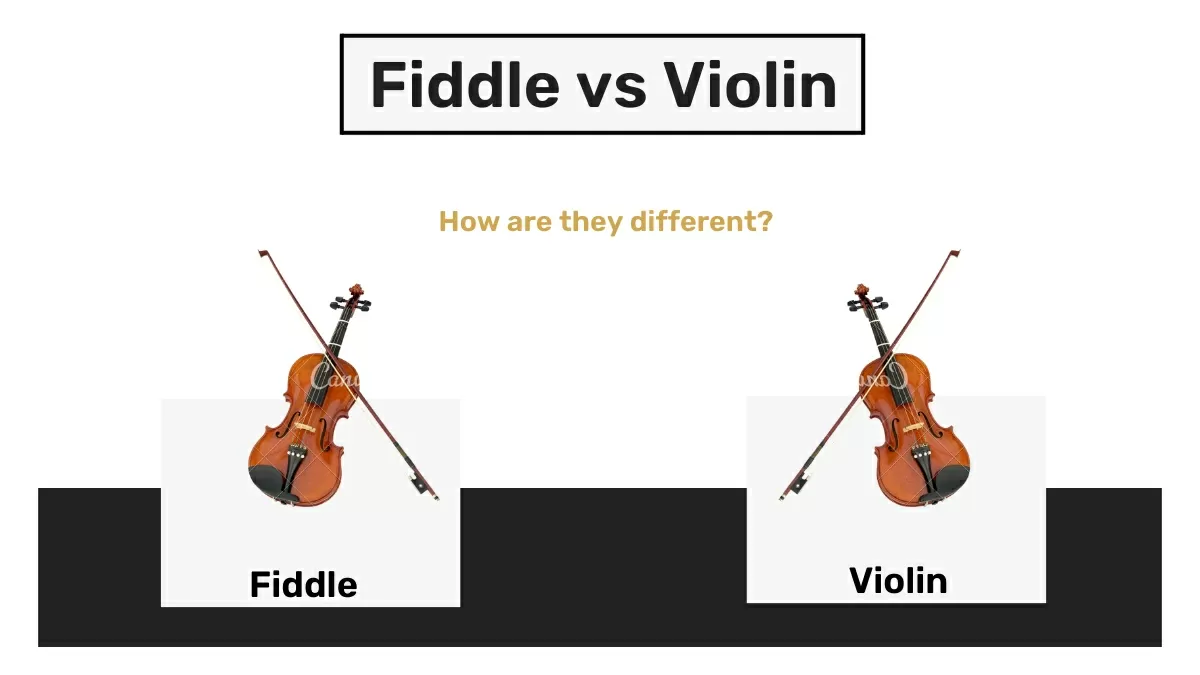
The most critical insight in this discussion is that the physical instrument itself is identical. A violin and a fiddle are precisely the same four-stringed, bowed orchestral instrument. There are no inherent structural, material, or design differences that define one as distinct from the other in manufacturing terms. The differentiation emerges entirely from the branding surrounding its use, context, and the culture it serves.
The Product: A Shared Physical Form
Imagine a manufacturer producing a high-quality string instrument. It leaves the workshop as a meticulously crafted piece of wood, metal, and horsehair. At this stage, it is simply an instrument, a canvas ready for interpretation. Its potential “brand” as a violin or a fiddle has not yet been imprinted. Any subtle variations in setup—such as string type (steel for brighter, snappier folk tones vs. synthetic/gut for warmer, richer classical tones), bridge curvature, or shoulder rest preferences—are user-driven adaptations, akin to customizing a standard tech gadget for specific applications. These are modifications to suit a specific user experience, not fundamental divergences in the product’s core identity. Therefore, from a purely product perspective, the fiddle and violin share a unified core identity.
The Perception: Cultivating Distinct Identities
The real divergence occurs in the perceived identity, which is meticulously cultivated through cultural narratives, educational pathways, and performance contexts. The “violin” brand is typically associated with classical music: orchestras, concert halls, conservatories, and centuries of compositional tradition. Its brand values emphasize precision, virtuosity, adherence to score, and a formal aesthetic. The “fiddle” brand, conversely, is steeped in folk traditions: bluegrass, Celtic, country, old-time, and various regional styles. Its brand values champion improvisation, emotional expression, communal participation, and an often more informal, accessible aesthetic. These distinct identities are not accidental; they are the result of centuries of organic and deliberate branding efforts within their respective musical ecosystems.
Branding Through Context: Target Audiences and Cultural Positioning
The power of branding lies in its ability to position a product within a specific cultural context and appeal to a targeted audience. The “violin” and “fiddle” brands exemplify this by carving out highly differentiated niches despite their identical physical form.
The “Violin” Brand: Precision, Tradition, and Formal Excellence
The “violin” brand is a testament to the power of institutional branding. Its target audience often includes aspiring orchestral musicians, classical soloists, and chamber players, as well as audiences who appreciate the rigor and intellectual depth of classical music. The brand is positioned around:
- Formal Education: Learning the violin typically involves structured lessons, graded examinations, and conservatory training, often emphasizing sight-reading, technique, and historical performance practices. This creates a strong association with academic rigor and professional development.
- Cultural Prestige: The violin is often seen as a sophisticated instrument, synonymous with high culture and artistic achievement. Concert halls, opera houses, and renowned philharmonic orchestras serve as the premium “retail environments” for this brand.
- Technical Mastery: The branding emphasizes meticulous technique, perfect intonation, and faithful interpretation of complex scores. The “brand promise” is one of refined artistry and adherence to established excellence.
- Marketing Language: The vocabulary around the violin is often one of “virtuoso,” “maestro,” “concerto,” and “symphony,” reinforcing its elite and complex associations.
This concerted effort in positioning creates a strong, recognizable brand that commands respect and attracts a dedicated segment of the musical market.
The “Fiddle” Brand: Authenticity, Community, and Expressive Freedom
In stark contrast, the “fiddle” brand appeals to a different demographic and set of values. Its target audience includes folk musicians, dancers, community players, and listeners who value raw emotion, storytelling, and communal experience over formal structure. The brand is positioned around:
- Informal Learning: Fiddling is often learned by ear, through apprenticeship, jam sessions, and community gatherings. This fosters a sense of authenticity and accessibility, lowering the barrier to entry.
- Community and Connection: The fiddle is a cornerstone of many social events—dances, festivals, and campfire jams. Its branding emphasizes participation, shared joy, and cultural heritage, rather than individual performance for an audience.
- Expressive Freedom: While technical skill is valued, the emphasis is often on personal style, improvisation, and the ability to convey emotion and tell stories through music. The “brand promise” is one of heartfelt expression and cultural belonging.
- Marketing Language: Terms like “hootenanny,” “reel,” “jig,” “folk festival,” and “jam session” define its vernacular, highlighting its informal, communal, and vibrant nature.
The “fiddle” brand thrives on its perceived authenticity, its connection to grassroots culture, and its ability to foster social bonds, creating a powerful, relatable identity for its audience.
Marketing and Distribution: Shaping User Experience and Market Segments
The distinct brand identities of the fiddle and violin are further reinforced by their different marketing channels, educational pathways, and performance platforms. These “distribution strategies” are critical in shaping the user experience and segmenting the market.
Educational Pathways and Institutional Endorsement
The “violin” brand is heavily supported by a formal educational infrastructure. Music schools, conservatories, private teachers, and youth orchestras act as primary marketing and distribution channels. Learning materials—method books, classical scores, recordings of renowned classical musicians—all reinforce the brand’s values of discipline and tradition. The endorsement of prestigious institutions and the pursuit of academic credentials become key motivators for consumers (students and parents) choosing the “violin” path. This structured environment ensures a consistent brand experience and cultivates a specific type of musician who aligns with the brand’s core tenets.
Performance Venues and Community Engagement
The “fiddle” brand, on the other hand, leverages more organic and community-driven distribution models. Its marketing occurs largely through word-of-mouth, local festivals, folk music camps, and online communities dedicated to specific traditional styles. Performance venues range from pubs and community halls to outdoor stages at festivals. The emphasis is less on formal concerts and more on participation, with jam sessions being a core “product offering.” Recordings often feature traditional tunes passed down through generations, emphasizing lineage and regional styles. The “customer journey” for a fiddler often starts with a local mentor or a community gathering, reinforcing the brand’s values of accessibility and communal learning. The informal nature of these channels allows for greater adaptability and responsiveness to regional nuances, strengthening the fiddle’s diverse sub-brands.
Personal Branding for Musicians: Strategic Choices in Crafting an Image
For individual musicians, the choice to brand themselves as a “violinist” or a “fiddler” is a significant strategic decision that shapes their career trajectory, artistic identity, and audience engagement. It’s a prime example of personal branding in action.
Specialization vs. Versatility: Defining Your Niche
A musician specializing as a “violinist” often dedicates years to mastering the classical repertoire, auditioning for orchestras, or pursuing a solo career within the classical music world. Their personal brand is built on technical prowess, interpretative depth of established works, and often, an association with prestigious institutions or teachers. Their marketing materials—resumes, websites, performance attire, and repertoire choices—all align with the “violin” brand’s emphasis on formality and tradition.
Conversely, a musician choosing to brand as a “fiddler” might focus on mastering various folk styles, learning tunes by ear, and developing their improvisational skills. Their personal brand often emphasizes authenticity, cultural connection, and a lively, engaging performance style. They might market themselves through appearances at folk festivals, workshops, and collaborations with other folk artists. Their image might be more casual, their repertoire more fluid, and their audience interactions more direct and personal.
Audience Expectation and Career Trajectory
The chosen branding profoundly impacts audience expectations. A “violinist” performing a classical concert will be judged on intonation, bowing technique, and fidelity to the score. A “fiddler” at a folk festival will be judged on rhythm, energy, and the ability to evoke emotion or inspire dancing. These distinct expectations dictate everything from stage presence to communication style.
Furthermore, the career paths diverge significantly. A violinist might aim for a tenured orchestral position or a major label classical recording contract. A fiddler might build a career touring the festival circuit, teaching workshops, or creating online content for a niche community of folk musicians. Both paths are valid and demanding, but they operate within different “marketplaces” and require distinct personal branding strategies to succeed.
In conclusion, the perceived difference between a fiddle and a violin is a masterclass in effective branding. It demonstrates how a single product can be successfully diversified and marketed to disparate audiences by carefully crafting its identity, positioning, and narrative. The physical object may be the same, but the brand—the story, the culture, the perceived value—is profoundly, strategically, and beautifully different.
aViewFromTheCave is a participant in the Amazon Services LLC Associates Program, an affiliate advertising program designed to provide a means for sites to earn advertising fees by advertising and linking to Amazon.com. Amazon, the Amazon logo, AmazonSupply, and the AmazonSupply logo are trademarks of Amazon.com, Inc. or its affiliates. As an Amazon Associate we earn affiliate commissions from qualifying purchases.