
In the relentless pursuit of financial stability, growth, and entrepreneurial success, stress is an inescapable companion. It rides shotgun on every investment decision, accompanies every budget cut, and sits across the table during every business negotiation. Yet, not all stress is created equal. The nuanced distinction between eustress and distress holds profound implications for our financial health, decision-making capabilities, and overall well-being. Understanding this fundamental divide is not merely an academic exercise; it’s a strategic imperative for anyone navigating the complex currents of personal finance, investing, and business ventures.
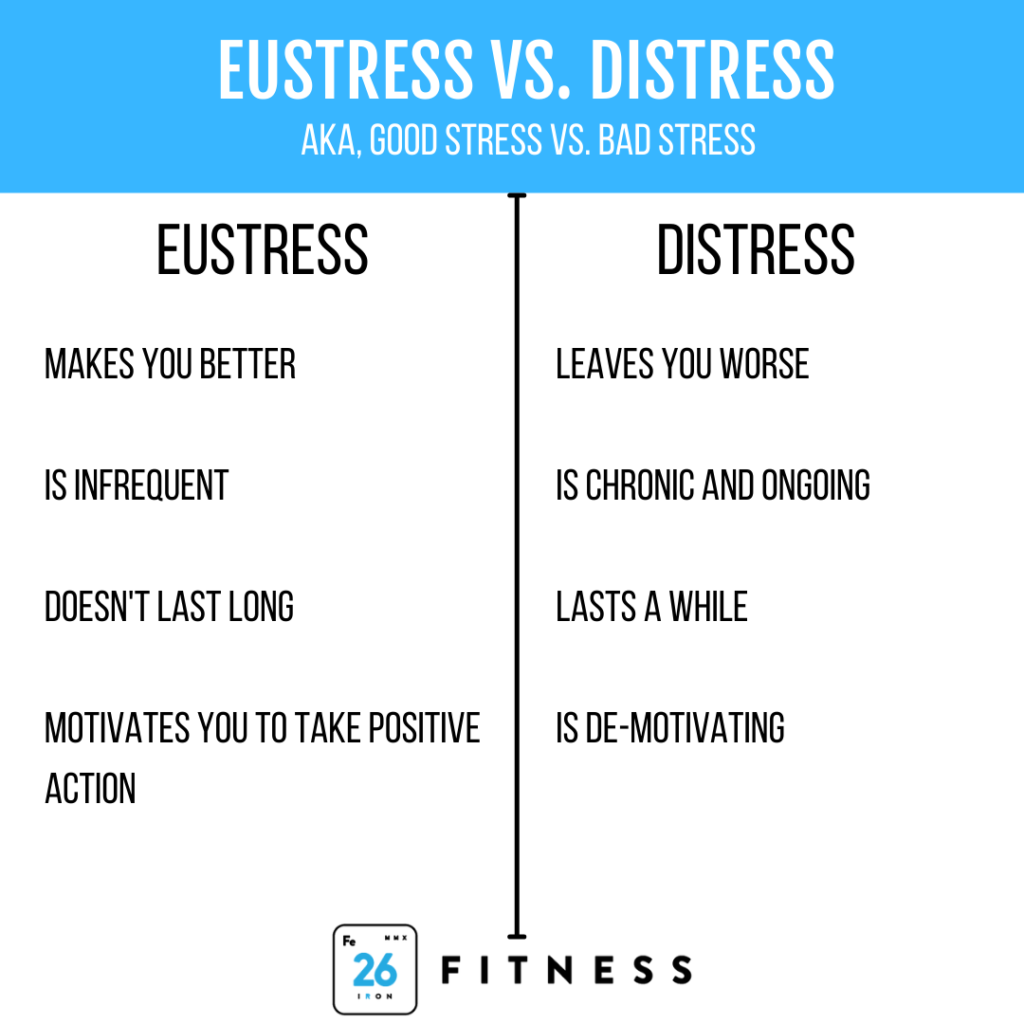
Eustress, often dubbed “good stress,” is the invigorating, motivating force that propels us forward. It’s the thrill of a new financial challenge, the focused determination to meet a savings goal, or the creative energy sparked by a business opportunity. Distress, conversely, is the debilitating, overwhelming “bad stress” that can paralyze us with anxiety, lead to poor judgment, and ultimately undermine our financial aspirations. In the high-stakes arena of money, where decisions have tangible, lasting consequences, learning to identify, cultivate, and mitigate these two forms of stress is paramount. This article delves into the core differences, explores their manifestations within the financial realm, and outlines strategies to harness eustress while effectively managing distress, thereby fostering a more robust and resilient financial journey.
Decoding Stress: The Fundamental Divide
Before we apply these concepts to the intricate world of money, it’s essential to firmly grasp the intrinsic nature of eustress and distress. While both are physiological and psychological responses to demands placed upon us, their origins, effects, and ultimately, their value, diverge dramatically.
Eustress: The Financial Growth Catalyst
Eustress is the positive form of stress that arises when we perceive a challenge as manageable and potentially rewarding. In the context of money, eustress is the stimulating pressure that encourages growth, innovation, and peak performance. It’s the sensation of being stretched, but not broken, by a financial task. This type of stress is characterized by feelings of excitement, heightened focus, and an increased sense of purpose. It often accompanies situations where we are engaged in something meaningful or striving towards a valuable goal.
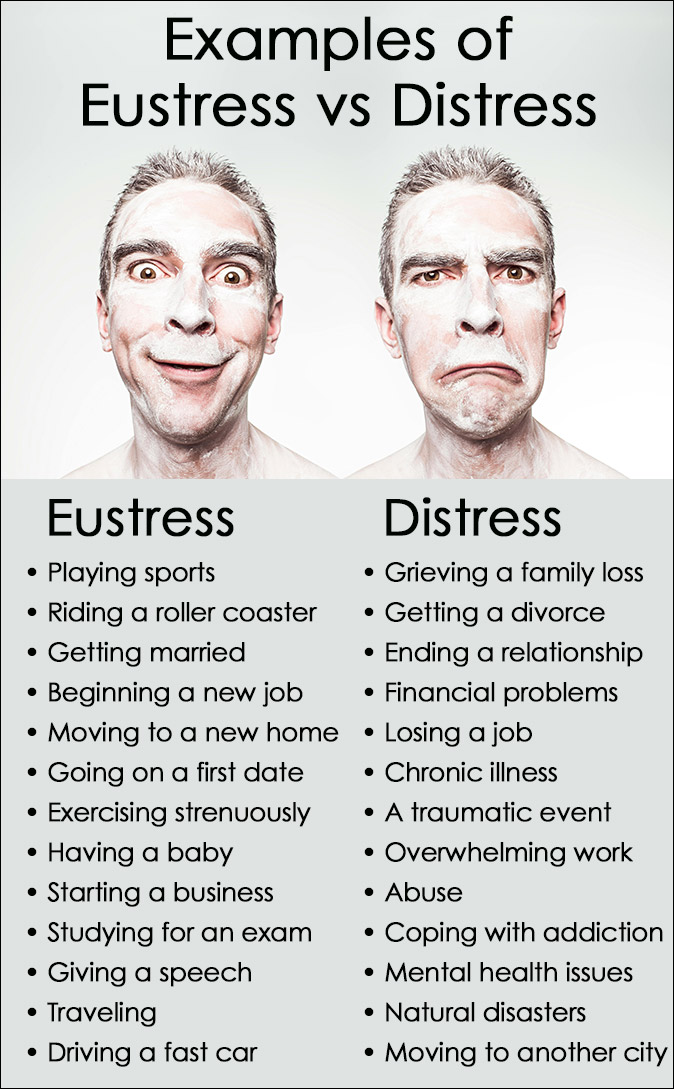
Consider the entrepreneur launching a new venture: the sleepless nights spent perfecting a business plan, the adrenaline rush of pitching to investors, or the intense focus required to navigate early market challenges are all prime examples of eustress. This isn’t just stress; it’s purposeful stress that sharpens skills, fuels creativity, and builds resilience. Similarly, for an individual managing personal finances, the determination to adhere to a strict budget to achieve a major savings goal, the intellectual challenge of researching new investment opportunities, or the focused effort to learn about wealth management strategies can all be experienced as eustress. It activates our problem-solving abilities, enhances our learning, and ultimately, contributes to our financial mastery and expansion. Without eustress, there would be little motivation to take calculated risks, embrace learning, or push past comfort zones to achieve financial milestones.
Distress: The Financial Wellbeing Eroder
Distress, on the other hand, is the negative, overwhelming stress that occurs when we perceive a demand as exceeding our coping abilities. In financial terms, distress manifests as anxiety, fear, helplessness, and even panic. It arises from situations where we feel a lack of control, face insurmountable obstacles, or are confronted with significant loss or uncertainty. Unlike eustress, which energizes, distress drains. It impairs cognitive function, makes rational decision-making difficult, and can lead to a state of paralysis or impulsive, counterproductive actions.
Imagine the dread of overwhelming debt, the stomach-churning anxiety of watching investments plummet during a market downturn, or the chronic worry about job security affecting one’s ability to pay bills. These are classic examples of financial distress. It’s the kind of stress that keeps you awake at night, leads to avoidance of financial responsibilities, or provokes impulsive financial decisions made out of fear rather than reason. Prolonged exposure to financial distress can have severe consequences, not only on one’s bank account but also on physical and mental health. It can lead to burnout, depression, strained relationships, and a general sense of hopelessness that erodes the motivation to even attempt financial recovery or growth. Recognizing the signs of distress early is crucial to prevent its corrosive effects from taking a long-term toll on one’s financial and personal life.
Eustress as a Strategic Tool in Personal Finance and Investing
Harnessing eustress is about intentionally seeking out and reframing financial challenges as opportunities for growth and development. It’s about cultivating a mindset where financial pressures become motivators rather than deterrents.
Harnessing the Power of Financial Challenges
The journey towards financial freedom is replete with challenges – from saving for a down payment to planning for retirement, from paying off significant debt to building a diversified investment portfolio. Each of these objectives, when approached with a proactive and determined attitude, can generate eustress. Setting ambitious yet realistic financial goals, for instance, can be a powerful source of eustress. The “pressure” to hit a certain savings target by year-end, or to learn a new investment strategy, can sharpen your focus and drive innovative solutions. This isn’t the suffocating pressure of impending doom, but rather the exhilarating push of a challenge you believe you can conquer.
Consider the meticulous research involved in selecting individual stocks or understanding complex financial instruments. This intellectual engagement, while demanding, can be deeply satisfying and stimulating, contributing to a sense of mastery. Similarly, adopting a strict budget is often perceived negatively, but when viewed as a game or a challenge to optimize spending and maximize savings, it transforms into an exercise in eustress – a testament to self-discipline and strategic thinking. By reframing these tasks as solvable puzzles or achievable milestones, we tap into the positive aspects of stress, leveraging it to enhance our learning, improve our financial literacy, and ultimately accelerate our progress.
Building Financial Resilience Through Managed Eustress
Managed eustress is key to building financial resilience – the ability to bounce back from financial setbacks. When individuals actively engage with financial challenges, they develop coping mechanisms and critical thinking skills that serve them well when unexpected market fluctuations or personal financial crises inevitably arise. For instance, the measured reaction to a minor market correction, viewing it as a learning opportunity or a chance to rebalance a portfolio, rather than a cause for panic, is a demonstration of well-managed eustress.
This involves consciously pushing financial boundaries without overextending. It means taking calculated risks in investments after thorough due diligence, rather than speculating wildly. It’s the strategic allocation of funds to different asset classes, understanding that while there’s inherent risk, the challenge is manageable and designed for long-term reward. By incrementally exposing ourselves to manageable financial stressors, we train our financial “muscles.” We learn to adapt, to innovate, and to maintain a calm, rational perspective even when conditions are less than ideal. This deliberate engagement with financial challenges, underpinned by solid planning and an educated approach, fortifies our psychological defenses against the eventual onset of distress, making us more robust and agile in an ever-changing financial landscape.
Navigating the Perils of Distress in Business and Money Management
While eustress can be a powerful ally, distress is a corrosive enemy to financial well-being. Recognizing its presence and understanding strategies to mitigate its impact are crucial for maintaining sound financial health and making effective decisions.
Recognizing the Red Flags of Financial Distress
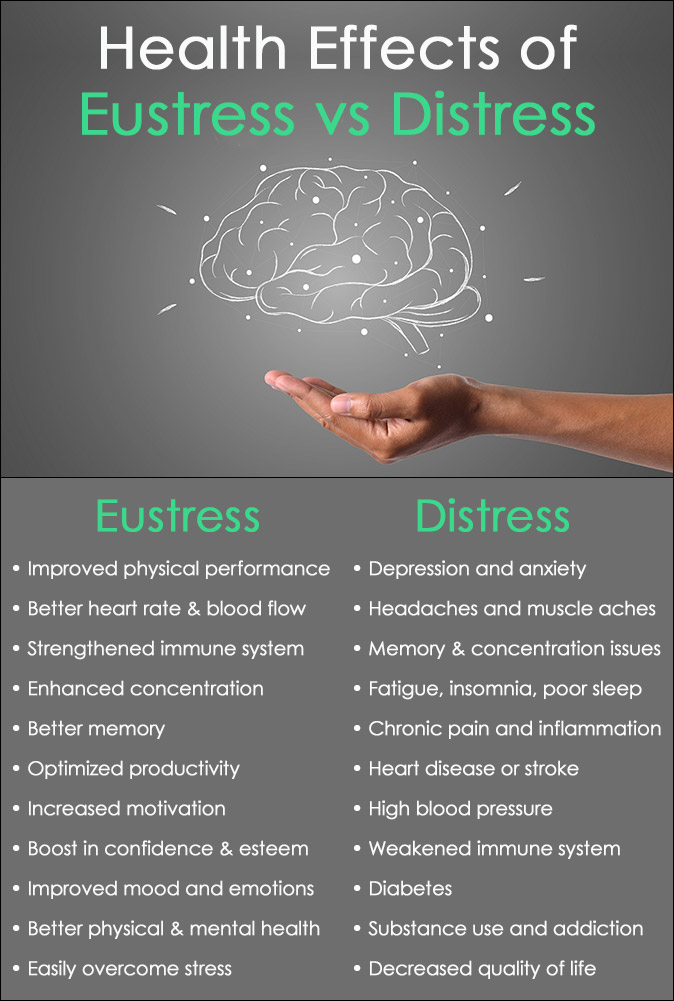
The insidious nature of financial distress lies in its ability to permeate various aspects of life, often manifesting in subtle, yet persistent, red flags. Psychologically, it can appear as chronic anxiety, irritability, persistent worry, difficulty concentrating, or even a sense of hopelessness when thinking about money. Individuals might find themselves constantly checking market updates or bank balances, or conversely, completely avoiding financial statements, indicating an unhealthy obsession or outright avoidance. Physically, symptoms such as insomnia, headaches, digestive issues, and increased muscle tension can be direct manifestations of the body’s prolonged fight-or-flight response to financial pressure.
Behaviorally, financial distress can lead to impulsive decisions, such as selling investments at a loss out of panic, taking on high-interest debt to cover immediate needs without a long-term plan, or making irrational business decisions under pressure. It can also cause procrastination on critical financial tasks like budgeting, tax preparation, or bill payment, creating a vicious cycle of increasing stress. For business owners, distress might manifest as micromanagement, a fear of delegation, or an inability to make strategic decisions, leading to stagnation or decline. Recognizing these warning signs early is the first critical step toward intervention and mitigation, allowing for a proactive response before the situation spirals out of control.
Strategies to Mitigate and Overcome Financial Distress
Successfully overcoming financial distress requires a multi-faceted approach, combining practical financial strategies with personal stress management techniques. One of the most effective buffers against distress is robust financial planning. Establishing an emergency fund provides a vital safety net, reducing anxiety about unexpected expenses. Developing a clear budget and sticking to it creates a sense of control and predictability, addressing one of the core causes of distress – a lack of control. For those struggling with debt, developing a realistic repayment plan and celebrating small victories can transform an overwhelming burden into a manageable challenge.
Beyond practical steps, seeking professional guidance can be invaluable. A financial advisor can offer objective insights, help create a tailored plan, and alleviate the burden of making complex decisions alone. For entrepreneurs, a business coach or mentor can provide perspective and strategies for navigating market volatility or operational challenges. Furthermore, incorporating personal stress-reduction techniques like mindfulness, meditation, regular exercise, and adequate sleep can significantly improve one’s capacity to cope with financial pressure. Setting realistic expectations and practicing self-compassion are also critical; understanding that setbacks are a part of any financial journey can prevent minor disappointments from escalating into debilitating distress. By proactively implementing these strategies, individuals and business owners can regain control, reduce anxiety, and build a more resilient financial future.
The Entrepreneurial Edge: Eustress vs. Distress in Business Ventures
For entrepreneurs, the line between eustress and distress is often thinner and more permeable than for others. The very nature of business creation and growth is a crucible of intense pressure, where the ability to distinguish and manage these two forces can determine success or failure.
The Entrepreneur’s High-Wire Act: Balancing the Scales
The life of an entrepreneur is a constant balancing act. The initial spark of an idea, the thrill of developing a new product, the challenge of securing seed funding, the satisfaction of a first sale, and the excitement of scaling operations are all powerful sources of eustress. This positive stress fuels innovation, drives persistence through setbacks, and cultivates the resilience needed to push boundaries. It’s the “good kind of pressure” that sharpens focus during negotiations, fosters creativity in problem-solving, and ignites the passion required to work long hours with purpose. Entrepreneurs thrive on this constructive tension, viewing obstacles as puzzles to be solved and failures as invaluable learning experiences.
However, the flip side is the ever-present threat of distress. The fear of financial ruin, the overwhelming responsibility for employees’ livelihoods, the anxiety of unpredictable market conditions, and the chronic stress of balancing numerous demands can quickly devolve into debilitating distress. The immense workload, coupled with financial uncertainty, can lead to burnout, poor decision-making, and a loss of the very passion that ignited the venture. An entrepreneur constantly walks a tightrope, where the invigorating challenge of eustress can, with a slight imbalance, tip into the overwhelming despair of distress. Recognizing this precarious balance is the first step towards navigating the entrepreneurial journey successfully.
Cultivating an Environment of Productive Stress
For entrepreneurs to truly thrive, they must actively cultivate an environment that maximizes eustress while strategically minimizing distress. This isn’t about eliminating stress, which is impossible and undesirable, but about shaping its nature. One crucial strategy is to build a strong, reliable team and delegate effectively. Distributing responsibilities reduces the individual burden and transforms overwhelming tasks into manageable team challenges, fostering collective eustress. Clear vision and mission statements also serve as powerful anchors, providing direction and purpose during periods of uncertainty, helping to reframe potentially distressing situations as mere steps on a defined path.
Strategic risk-taking is another aspect of cultivating productive stress. Rather than avoiding risk entirely, successful entrepreneurs evaluate, plan for, and take calculated risks, viewing them as opportunities for significant reward. This approach generates eustress – the excitement of potential gain – rather than the paralysis of fear associated with unmanaged risk. Moreover, cultivating a culture that celebrates milestones and views failures as learning opportunities helps in reframing setbacks. Instead of allowing business failures or market downturns to induce distress, they are reframed as essential feedback loops, generating eustress in the form of analytical challenges and opportunities for adaptation. By fostering an ecosystem that encourages calculated challenges, supports robust decision-making, and learns from every experience, entrepreneurs can consistently operate within the realm of productive eustress, driving innovation and sustainable growth.
Conclusion
The distinction between eustress and distress is far more than a psychological nuance; it is a critical lens through which to view and navigate the complexities of personal finance, investing, and entrepreneurship. In the world of money, where uncertainty and opportunity are constant companions, understanding whether the pressure you feel is driving you forward or holding you back is paramount.
Eustress serves as the engine of financial growth, the motivator behind challenging savings goals, the intellectual curiosity fueling smart investments, and the entrepreneurial spirit birthing new ventures. It sharpens our focus, enhances our resilience, and ultimately empowers us to achieve our financial aspirations. Distress, conversely, is a formidable obstacle, capable of eroding our judgment, depleting our energy, and leading to financial decisions born of fear rather than reason.
By actively seeking to identify and cultivate sources of eustress—through ambitious yet realistic goal setting, continuous learning, and strategic risk-taking—we can transform financial challenges into catalysts for success. Simultaneously, by recognizing the insidious signs of distress and employing practical and psychological strategies to mitigate it—from robust financial planning to professional guidance and personal stress management techniques—we can protect our financial well-being and maintain a clear, rational perspective even amidst turmoil.
Ultimately, mastering the difference between eustress and distress allows us to wield stress as a tool for financial empowerment, rather than allowing it to become a barrier. It enables a more intentional, resilient, and ultimately, more successful journey through the dynamic and ever-evolving landscape of money.
aViewFromTheCave is a participant in the Amazon Services LLC Associates Program, an affiliate advertising program designed to provide a means for sites to earn advertising fees by advertising and linking to Amazon.com. Amazon, the Amazon logo, AmazonSupply, and the AmazonSupply logo are trademarks of Amazon.com, Inc. or its affiliates. As an Amazon Associate we earn affiliate commissions from qualifying purchases.